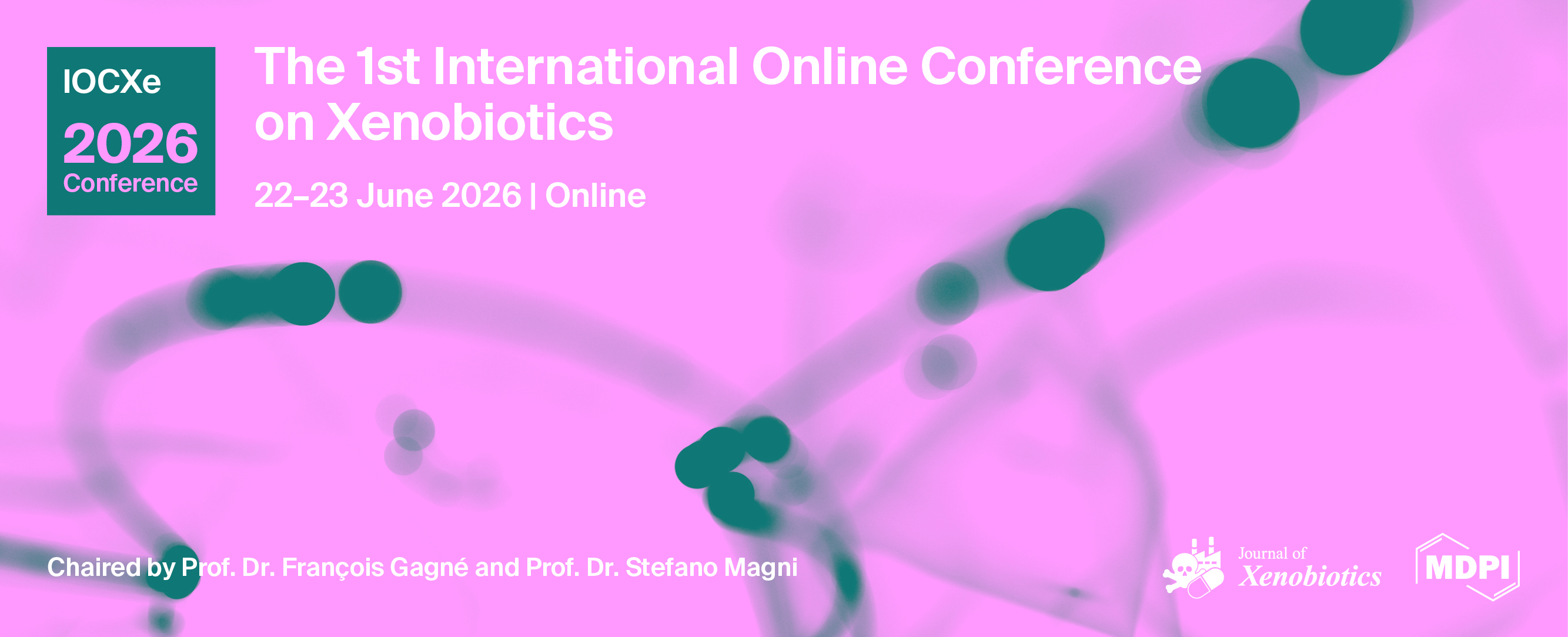
The 1st International Online Conference on Xenobiotics
Part of the International Online Conference on Xenobiotics series
22–23 June 2026
24 February 2026
28 April 2026
15 June 2026
Environmental Toxicology, Chemical Pollution, Human and Ecological Health, Contaminant Exposure, Environmental Risk Assessment, Pollutant Fate and Transport, Sustainable Remediation, Ecotoxicology
- Go to the Sessions
- Event Details
Only 5 days left until the abstract submission deadline!
Submit your abstract by 24 February 2026 here: https://sciforum.net/user/submission/create/1475
Authors with accepted abstracts at this conference will receive a 20% discount on the publication fee for full paper publication in JoX. Click HERE for more details.
We look forward to receiving your submission and welcoming you to the conference!
Featured Interview
18 February 2026
Journal of Xenobiotics | Interview with Conference Co-Chair Prof. Dr. Stefano Magni
Curious about the key trends and future directions in xenobiotics research?
In this exclusive interview, Prof. Dr. Stefano Magni shares his insights and expectations for IOCXe 2026.
Read the full interview
Welcome from the Chairs
I am pleased to announce the 1st International Online Conference on Xenobiotics (IOCXe2026), organized by the Journal of Xenobiotics (JoX) (ISSN: 2039-4713, Impact Factor: 4.4, CiteScore: 6.0), a peer-reviewed and open access journal published by MDPI. This virtual conference will take place online from 22 to 23 June 2026.
This conference aims to provide a global platform for scientists and researchers to engage in open discussions, address emerging challenges, and share their latest research achievements in the field of xenobiotics.
The conference sessions will include the following topics:
- S1: Environmental Toxicity, Bioaccumulation, and Remediation Strategies;
- S2: Nanotoxicology and Targeted Pharmacology of Nanomaterials;
- S3: Emerging Chemicals: Environmental Risks and Health Effects;
- S4: (Micro)plastic Pollution in the Environment and Human Health.
We warmly invite you to join this virtual event to exchange ideas, foster collaboration, and contribute to the success of IOCXe2026.
Best regards,
Prof. Dr. François Gagné
Aquatic Contaminants Research Division, Environment and Climate Change Canada, Canada
Prof. Dr. Stefano Magni
Department of Biosciences, University of Milan|UNIMI, Milan, Italy
Chairs of the 1st International Online Conference on Xenobiotics



Event Chairs
Aquatic Contaminants Research Division, Environnement and Climate Change Canada, 105 McGill, Montréal, Québec H2Y 2E7 Canada
Prof. Dr. François Gagné is a leading expert in ecotoxicology at the Aquatic Contaminants Research Division, Environment and Climate Change Canada, Montréal. His research focuses on neuroendocrine disruption in mussels and fish caused by urban discharges, aquatic nanotoxicology, and the environmental impacts of biotechnology products. He also investigates how climate warming interacts with contaminant toxicity in aquatic ecosystems. With numerous publications and decades of experience, Dr. Gagné has significantly advanced understanding of pollution effects on aquatic life. He is widely recognized for his contributions to environmental science and his efforts to inform sustainable environmental policy.
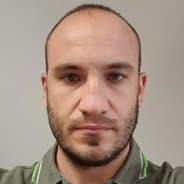
Department of Biosciences, University of Milan|UNIMI, Milan, Italy
https://www.mdpi.com/about/announcements/15327
Stefano Magni, Ph.D., is Researcher of Ecology at the Department of Biosciences of the University of Milan. He earned the Ph.D. in Animal Biology in 2014 at the University of Milan. His research concerns the ecotoxicology of emerging contaminants, with a particular focus on both monitoring and toxicity evaluation of (micro)plastics, water-soluble polymers and tire particles in freshwater environments. In 2017 he was Visiting Researcher at the Laboratory of Prof. François Gagne at Environment and Climate Change Canada (Montréal, Québec, Canada), thanks to the Brusarosco Award assigned by the Italian Ecological Society. He is on the Editorial Board of the Journal of Xenobiotics and has authored and co-authored more than 60 publications in international scientific journals and books.
Session Chairs
Dr. Keith R. Brunt
Department of Pharmacology, Faculty of Medicine, Dalhousie University, Saint John, NB E2L 4L5, Canada
S2. Nanotoxicology and Targeted Pharmacology of Nanomaterials
Professor Lin-Chi Wang
Department of Marine Environmental Engineering, National Kaohsiung University of Science and Technology, Kaohsiung, Taiwan
S3. Emerging Chemicals: Environmental Risks and Health Effects
Prof. Dr. Tiziana Cappello
Department of Chemical, Biological, Pharmaceutical and Environmental Sciences, University of Messina, Messina, Italy
S4. (Micro)plastic Pollution in the Environment and Human Health
Tiziana Cappello, Ph.D., is Associate Professor of Comparative Anatomy, Cell Biology, and Developmental Biology at the Department of the University of Messina, Italy. Her research activity focuses on ecotoxicology and biomonitoring of aquatic environments to elucidate the impact of metals, POPs, PAHs, pharmaceuticals, and emerging contaminants such as microplastics and nanoparticles on invertebrates and fish. She is an expert in protonic Nuclear Magnetic Resonance (1H NMR)-based metabolomics, useful to comprehensively assess the health status of organisms, combined with chemometrics and conventional tools (histology, immunohistochemistry, molecular and enzymatic approaches) to gain more complete insights into biota's adaptive and defense mechanisms at the cellular level under stress conditions, including climate change. For her high-throughput research activities, she was awarded the USERN Prize 2024 in Biological Sciences. She is on the Editorial Board of the Journal of Xenobiotics and has co-authored more than 85 publications in peer-reviewed journals since 2012 (H-index: 41; citations: 4105). https://unifind.unime.it//get/person/029917
aquatic ecotoxicology; cell metabolic pathways; effects of xenobiotics; emerging pollutants (i.e., microplastics, nanoparticles, drugs); NMR-based metabolomics; climate change; biomonitoring and remediation strategies; marine invertebrates; fish; biomarkers in ecotoxicity
Scientific Committee Members
Centre of Molecular and Environmental Biology (CBMA)/Aquatic Research Network (ARNET), Department of Biology, School of Sciences of the University of Minho, Braga, Portugal
ecology; water quality; aquatic ecotoxicology; environmental risk assessment; biological responses; bioassays; biomarkers
Istituto Superiore di Sanità—Italian National Institute of Health (ISS), Viale Regina Elena 299, Rome, Italy
mass spectrometry; chromatography; toxicology; risk assessment; method validation; drugs; toxins; pesticides; trace elements; food additives & contaminants; nutraceuticals
School of Spatial Planning and Development, Aristotle University of Thessaloniki, Thessaloniki, Greece
risk assessment of chemicals; REACH directive; environmental health; ecotoxicology; pesticide pollution
University of São Paulo State (UNESP), Rio Claro, Brazil
ecotoxicology; environmental genotoxicity and mutagenicity; fish embryo toxicity; biomarkers; bioindicators
MED, Mediterranean Institute for Agriculture, Environment and Development, Institute for Advanced Studies and Research, Évora University, Pólo da Mitra, Ap. 94, Évora, Portugal
biobeds; bioremediation; metal toxicity; plant biochemistry; phytoremediation; soil fertility; sustainable agriculture; wastewater treatment
Institute of Multidisciplinary Research for Science and Technology, Valahia University of Targoviste, 13 Sinaia Alley, Targoviste, Romania
heavy metals spectrometry
Faculty of Sciences and Arts, Valahia University of Targoviste, 13 Sinaia Alley, Targoviste, Romania,
Doctoral School Chemical Engineering and Biotechnology, National University of Science and Technology Politehnica of Bucharest, 313 Splaiul Independenței, Bucharest, Romania,
Academy of Romanian Scientists, 3 Ilfov, Bucharest, Romania
material science; nanomaterials; spectrometry; spectroscopy; heterocyclic compounds with biological potential
RISE-Health, Department of Medical Sciences, Faculty of Health Sciences, University of Beira Interior, Av. Infante D. Henrique, Covilha, Portugal,
FCS—UBI, Faculty of Health Sciences, University of Beira Interior, Covilha, Portugal
endocrine disruptors; human exposome; pregnancy exposome; phthalates; flame retardants; UVB-filters; bisphenols; cardiovascular endocrinology; fetoplacental vasculature; vascular smooth muscle cells; neurovascular unit; hypertensive disorders in pregnancy
Department of Built Environment, North Carolina A&T State University, Greensboro, NC, USA,
Environmental Health and Disease Laboratory, North Carolina A&T State University, Greensboro, NC, USA
metals; cardiovascular epidemiology; multiple environmental exposures; metals and their effects on environmental and human health; mixed exposures; environmental epidemiology; environmental and urban geochemistry; global health
Occupational and Environmental Health, College of Public Health, University of Iowa, Iowa City, IA, USA
toxicology (nanotoxicity and micro-and nanoplastic toxicity); cancer biomarker; exposomics; health risk assessment; environmental public health
Analytical Chemistry Group (TESEA), I. U. CINQUIMA, Faculty of Sciences, University of Valladolid, Valladolid, Spain
bee products; sample preparation; food analysis; method development; method validation; food quality; acaricides; green analytical chemistry; contaminants; chromatography
Area of Toxicology, Faculty of Pharmacy, Universidad de Sevilla, Seville, Spain
Cyanotoxins, Cylindrospermopsin, Microcystins, in vivo, food safety, organosulfur compounds, toxicity assessment, mechanisms of action, LC-MS/MS, validation of analytical methods
Laboratoire Écologie, Société et Évolution, UMR 8079, Université Paris-Saclay, 12 Route 128, Gif-sur-Yvette, France
Dr. Noureddine Bouaïcha is Associate Professor of Public Health–Environment at the Faculty of Pharmacy, University Paris-Saclay (France). He earned his engineering degree in Biology and Biotechnology from the University of Sfax (Tunisia), and his Master’s and PhD in Toxicology from the University of Paris 7 (France). He conducted postdoctoral research at INSERM, INRA, Ghent University, and the National Museum of Natural History, Paris, focusing on marine natural products, veterinary drug metabolism, cyanotoxin analysis, and cyanobacteria biodiversity. In 2001, he received his Habilitation to Direct Research (HDR) in Environmental Toxicology from the University of Paris-Sud. His research at the Laboratoire Écologie, Société et Évolution (CNRS, AgroParisTech, Univ. Paris-Saclay, UMR 8079) centers on the ecotoxicology of cyanobacteria, with emphasis on: biodiversity and toxins in aquatic ecosystems, environmental drivers of blooms and toxin production, and bioaccumulation in seafood with implications for human and animal health. He has co-authored over 80 publications and book chapters, with more than 3,000 citations (h-index 29).
micropollutants; cyanobacteria; cyanotoxins; environmental toxicology; ecotoxicology; risk assessment
Department of Environmental Sciences & Department of Biological Sciences, College of Arts and Sciences, Southern Illinois University Edwardsville, Edwardsville, IL, USA
biogeochemistry of environmentally important trace elements in the water-soil-plant system; with respect to transport, fate, and chemical transformation of pollutants in the environment
Department of Human Genetics, National Institute of Health Doutor Ricardo Jorge, I.P. (INSA), Av. Padre Cruz, Lisbon, Portugal,
Centre for Toxicogenomics and Human Health (ToxOmics), NOVA Medical School, NOVA University of Lisbon, Lisbon, Portugal
genetic toxicology; genetic susceptibility; epigenomics; transcriptomics; mechanistic toxicology; nanotoxicology
Department of Medicine, Faculty of Medicine and Dentistry, Danube Private University, Steiner Landstrasse 124, Krems, Austria
microplastics; nanoplastics; human health
Department of Environmental Protection, Faculty of Geology, Geophysics and Environmental Protection, AGH University of Science and Technology, Krakow, Poland,
Department of Microbiology, Faculty of Pharmacy, Univeristy of Granada, Granada, Spain,
Centre of Biomedical Research (INYTA-CIBM), Institute of Nutrition and Food Technology “José Mataix", Granada, Spain
health risk; environmental risk; risk management; risk communication; potentially harmful elements; contaminants of emerging concern; microbiological risk; biogeochemistry; bioremediation
Interorgan Toxicology unit, Department of Toxicology, Leibniz Research Centre for Working Environment and Human Factors (IfADo), Technical University of Dortmund, Dortmund, Germany
Drug induced liver toxicity, environmental health, genotoxicity, DNA damage mechanisms, environmental contamination and toxicological impacts, carcinogenesis.
South China Sea Fisheries Research Institute, Chinese Academy of Fishery Sciences, Guangzhou 510300, China
environmental pollutants; bioavailability assessment; diffusive gradients in thin films (DGT); ecotoxicology; aquatic toxicology; heavy metals and emerging contaminants; sediment–water interactions; environmental risk assessment; aquatic ecosystem health
Organizing Committee Member
Prof. Dr. Stefano Magni
Department of Biosciences, University of Milan|UNIMI, Milan, Italy
Stefano Magni, Ph.D., is Researcher of Ecology at the Department of Biosciences of the University of Milan. He earned the Ph.D. in Animal Biology in 2014 at the University of Milan. His research concerns the ecotoxicology of emerging contaminants, with a particular focus on both monitoring and toxicity evaluation of (micro)plastics, water-soluble polymers and tire particles in freshwater environments. In 2017 he was Visiting Researcher at the Laboratory of Prof. François Gagne at Environment and Climate Change Canada (Montréal, Québec, Canada), thanks to the Brusarosco Award assigned by the Italian Ecological Society. He is on the Editorial Board of the Journal of Xenobiotics and has authored and co-authored more than 60 publications in international scientific journals and books.
Invited Speaker
Department of Chemistry, School of Advanced Sciences, VIT-AP University, India
Melanoma Immunotherapy by Nanosphere-Vaccine–Elicited CD4⁺ and CD8⁺ T-Cell Response for Tumor Regression
Dr. Naga Prasad Puvvada is an active researcher and currently serves as an Associate Professor at VIT-AP University. Prior to this, he held the DST Inspire Faculty position at CSIR-IICT Hyderabad and worked as an Assistant Professor at Indrashil University. His research is centered on the nanochemistry and biophysics of nanoparticle substrates for the therapeutic targeting of disease processes. He obtained his master’s degree in Analytical Chemistry from the National Institute of Technology, and subsequently pursued his doctoral research with Prof. Amita Pathak at the Indian Institute of Technology. His research career began with efforts to complex standard chemotherapy agents with nanoparticles to achieve selective uptake—through metabolic substrate selection or antibody targeting—thereby minimizing side effects, enhancing therapeutic efficacy, and enabling the integration of imaging agents for real-time monitoring of dosing regimens. Dr. Puvvada has been recognized with the prestigious Reynold’s Fellowship and the NBHRF Post-Doctoral Fellowship from the Government of Canada, where he conducted his clinical research under the mentorship of Prof. Keith R. Brunt (Dalhousie Medicine New Brunswick; Translational Scientist, New Brunswick Heart Centre; Chief Scientific Officer, NBBM Inc.), a leading authority in nanomedicine for cancer and cardiology. He has published 45 peer-reviewed articles in reputed international journals, contributed four book chapters, and successfully guided three PhD scholars, with six more currently pursuing their doctoral studies. He has also handled several competitive research grants, as Principal Investigator (PI) and Co-PI, from national funding agencies including DST, ICMR, GSBTM, ANRF, and DBT. His current research is focused on chemically engineering nanoparticles to enhance antigenicity for immunotherapy. By selectively targeting antigen-presenting cells, his work aims to improve antigen presentation and stimulate long-term anti-cancer immunity, contributing to durable therapeutic outcomes across disease models.
Registration
Registration for IOCXe 2026 will be free of charge! The registration includes attendance at all conference sessions.
If you are registering several people under the same registration, please do not use the same email address for each person, but their individual university email addresses. Thank you for your understanding.
Please note that the submission and registration are two separate parts. Only scholars who registered can receive a link to access the conference live streaming.
The deadline for registration is 15 June 2026.
Instructions for Authors
The 1st International Online Conference on Xenobiotics will accept abstracts only. The accepted abstracts will be available online on Sciforum.net during and after the conference.
2. Abstract Acceptance Notification: 28 April 2026.
Please note:
An abstract acceptance email only confirms that your abstract has been accepted. Oral or poster presentation invitations are determined separately by the conference chairs, and you will receive an additional email with the presentation result.
If you do not have an account, please register at www.sciforum.net. After logging in, submit your abstract using the “Submit Abstract” button on the conference homepage. No template is required.
Abstract Requirements
1. Types of Submissions
- Accepted: Original research abstracts; systematic reviews or meta-analyses abstracts (must comply with PRISMA 2020).
- Not accepted: Narrative, scoping, comparative, perspective, opinion, or essay-style reviews
2. Content Requirements
- Length: 200–300 words
- Structure: Introduction, Methods, Results, Conclusions
- Language: Clear, publication-ready English
- Originality: Must be original and unpublished; previously published abstracts will not be considered
3. Authorship
- The submitting author must ensure all co-authors approve the content.
- Authors may submit multiple abstracts, but only one abstract per author may be selected for an oral presentation.
Presentation Requirements
1. Each abstract must designate one presenter. To change the presenter, please contact us after you receive the oral/poster presentation invitation.
2. Only live presentations are accepted.
3. Presenters who do not attend the live session will not be eligible for awards or presentation certificates.
- Size in pixel: 1080 width x 1536 height–portrait orientation.
- Size in cm: 38,1 width x 54,2 height–portrait orientation.
- Font size: ≥16.
- Examples of successful submissions can be viewed here at the following links: (1), (2), (3).
- You can use our free template to create your poster.
It is the authors' responsibility to identify and declare any personal circumstances or interests that may be perceived as inappropriately influencing the representation or interpretation of clinical research. If there is no conflict, please state "The authors declare no conflicts of interest." This should be conveyed in a separate "Conflict of Interest" statement preceding the "Acknowledgments" and "References" sections at the end of the manuscript. Any financial support for the study must be fully disclosed in the "Acknowledgments" section.
MDPI, the publisher of the Sciforum.net platform, is an open access publisher. We believe authors should retain the copyright to their scholarly works. Hence, by submitting an abstract to this conference, you retain the copyright to the work, but you grant MDPI the non-exclusive right to publish this abstract online on the Sciforum.net platform. This means you can easily submit your full paper (with the abstract) to any scientific journal at a later stage and transfer the copyright to its publisher if required.
Publication Opportunities
Participants in this conference are cordially invited to contribute a full manuscript to the conference's Special Issue (to be updated), published in JoX (ISSN: 2039-4713, Impact Factor: 4.4, CiteScore: 6.0), with a 20% discount on the publication fee. Details of the special issue will be announced here later. Please note, if you have IOAP/association discounts, conference discounts will be combined with IOAP/association discounts. Conference discounts cannot be combined with reviewer vouchers. All submitted papers will undergo MDPI’s standard peer-review procedure. The abstracts should be cited and noted on the first page of the paper.
2. Proceeding Paper Publication
All accepted abstracts will be published in the conference report of IOCXe 2026 in Chemistry Proceedings journal (ISSN: 2673-4583) after a quality check. If you wish to publish an extended proceeding paper (4-8 pages); authors of accepted abstracts are highly encouraged to submit an extended proceeding paper (ideally 4-8 pages in length) for free, please submit it to the same journal after the conference.
Proceedings submission deadline: 10 August 2026. (45 days after the conference)
Please click HERE to submit your proceeding paper to the Chemistry Proceedings, and be sure to disclose the conference information in your cover letter or mention the conference name in your submission.
Chemistry Proceedings Template
Publication Notice: Conference report and proceedings papers will undergo peer-review procedure. Acceptance at the conference does not ensure final publication.
Event Awards
To acknowledge the support of the conference's esteemed authors and recognize their outstanding scientific accomplishments, we are pleased to announce that the conference will provide six awards including Best Oral Presentation Awards and Best Poster Awards.
The Awards
Number of Awards Available: 6
The Best Oral Presentation Awards are given to the submission judged to make the most significant oral contribution to the conference.
The Best Poster Awards are given to the submission judged to make the most significant and interesting poster for the conference.
There will be six winners selected for these awards. The winner will receive a certificate and 200 CHF each.
Best Oral Presentation Award
- Eligibility: Open to all authors selected as oral speakers who have delivered their presentation.
- Criteria: Evaluation based on content quality, delivery clarity, audience interaction, and overall impact.
Best Poster Award
- Eligibility: Open to all authors who have presented their work through posters.
- Criteria: Evaluation based on scientific merit, creativity, and ability to attract and engage viewers.
Sponsors and Partners
For information regarding sponsorship and exhibition opportunities, please click here.
Organizers
Media Partners
Conference Secretariat
Ms. Alisa Zhai
Dr. Patwira Boonjing
Email: iocxe2026@mdpi.com
For inquiries regarding submissions and sponsorship opportunities, please feel free to contact us.
S4. (Micro)plastic Pollution in Environment and Human
The Plasticene refers to the current era characterized by the abundant and ubiquitous presence of microplastics (<5 mm; MPs) and nanoplastics (<1 ?m NPs) in all environmental compartments, including water, air and soil. (Micro)plastic pollution constitutes thus a global threat that impacts on living beings, posing widespread risks to ecosystems and human health. Moreover, MPs/NPs act as carriers for other contaminants enhancing their toxicity, especially into realistic environmental scenarios. Despite extensive research, the molecular and cellular mechanisms underlying the toxicity of these toxicants remain incompletely understood, while there is urgency to better clarify on their exposure pathways, toxicokinetics, mechanisms of action (from single cell to animal’s behaviour), as well as on their repercussions on populations and biodiversity.
This session aims to deepen our understanding of the biological effects of micro- and nanoplastics to the environment and human health. Studies exploring the interactions between MPs/NPs and other pollutants to elucidate on their synergistic or antagonistic effects on biological systems are particularly welcome, as well as those proposing strategies to reduce or mitigate the harmful impact induced by these pollutants.
Session Chair
Prof. Dr. Tiziana Cappello, Department of Chemical, Biological, Pharmaceutical and Environmental Sciences, University of Messina, Messina, Italy