
The 1st International Online Conference on Zoological and Botanical Gardens
Important Announcement
The abstract acceptance notification has been delayed as some abstracts are still awaiting final approval.
Acceptance results (whether accepted or rejected) will be conveyed as soon as possible. Thank you for your patience.
Note: An abstract acceptance email only confirms that your abstract has been accepted. Oral or poster presenters are determined separately—you will receive an additional email should you be selected.
Registration remains open. Secure your spot and join us for an insightful conference.
Register for free by 27 November HERE.
For any inquiries, please contact us at ioczbg2026@mdpi.com.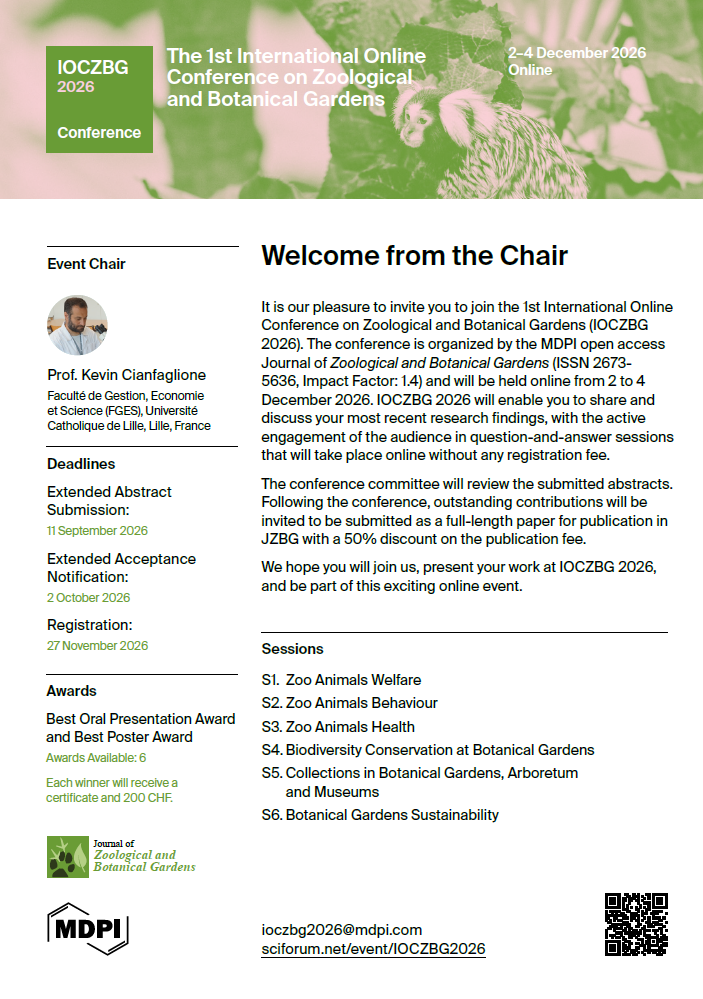
the chair
Dear colleagues,
It is our pleasure to invite you to join the 1st International Online Conference on Zoological and Botanical Gardens (IOCZBG 2026). The conference is organized by the MDPI open access Journal of Zoological and Botanical Gardens (ISSN 2673-5636, Impact Factor: 1.6) and will be held online from 2 to 4 December 2026.
The agenda of the conference includes, but is not limited to, the following topics:
S1: Zoo Animals Welfare
S2: Zoo Animals Behaviour
S3: Zoo Animals Health
S4: Biodiversity Conservation at Botanical Gardens
S5: Collections in Botanical Gardens, Arboretum and Museums
S6: Botanical Gardens Sustainability
IOCZBG 2026 will enable you to share and discuss your most recent research findings, with the active engagement of the audience in question-and-answer sessions that will take place online without any registration fee.
The conference committee will review the submitted abstracts. Following the conference, outstanding contributions will be invited to be submitted as a full-length paper for publication in JZBG with a 50% discount on the publication fee.
We hope you will join us, present your work at IOCZBG 2026, and be part of this exciting online event.
Best regards,
Conference Chair
Prof. Kevin Cianfaglione, Université Catholique de Lille, France
Follow the conference organizer on Social Media


Meet Our Chair
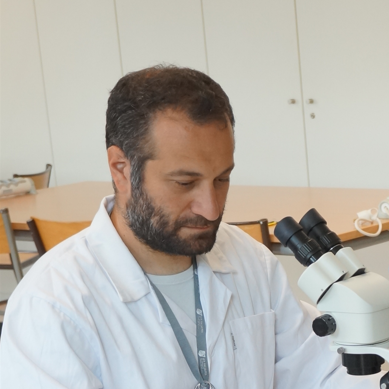
Faculté de Gestion, Economie et Science (FGES), Université Catholique de Lille, Lille, France;
Important Dates
11 Sep
2026
16 Oct
2026
27 Nov
2026
27 Nov
2026
Meet Our Speakers
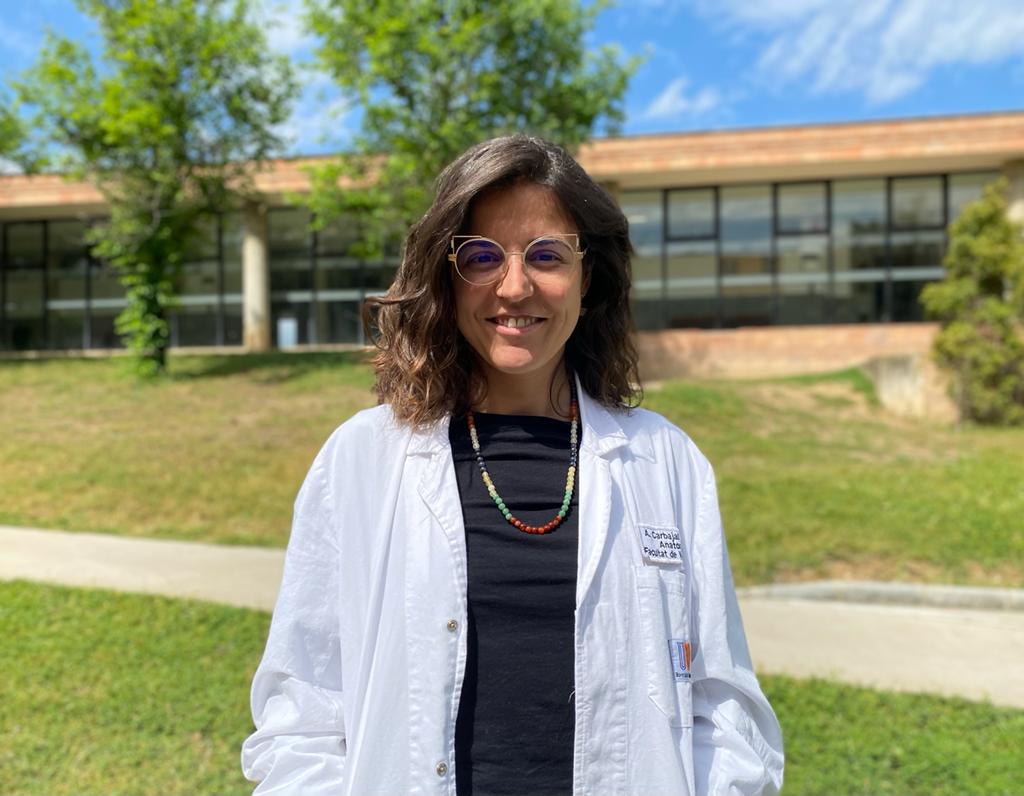
Universitat Autònoma de Barcelona, Barcelona, Spain;Dr. Annaïs Carbajal holds a PhD in Animal Medicine and Health and has nearly 15 years of experience in wildlife conservation and animal health research. Her work focuses on the development, validation and application of non-invasive and minimally invasive methodologies to assess animal health, welfare and reproduction, with particular expertise in endocrine monitoring and alternative biological matrices in aquatic and terrestrial species. Her research also focuses on ex situ conservation, including gamete and gonadal tissue cryopreservation and the establishment and management of biobanks for wildlife conservation. In collaboration with the European Association of Zoos and Aquaria (EAZA), she coordinates a Southern European hub for the collection, processing and cryopreservation of gonadal tissues from zoological institutions. Dr. Carbajal is a postdoctoral researcher and lecturer in Veterinary Anatomy at the Universitat Autònoma de Barcelona (UAB), and is actively involved in research, teaching, science communication and conservation initiatives.

Universitat Autònoma de Barcelona, Cerdanyola del Vallès, Spain;Paula Serres-Corral is a postdoctoral researcher at the Department of Animal Health and Anatomy, Universitat Autònoma de Barcelona (UAB), Spain. She holds a degree in Veterinary Medicine and a PhD in Animal Medicine and Health from UAB. Her research focuses on wildlife endocrinology and the development of non-invasive physiological tools for assessing stress, welfare, and reproduction in both wild populations and animals under human care.
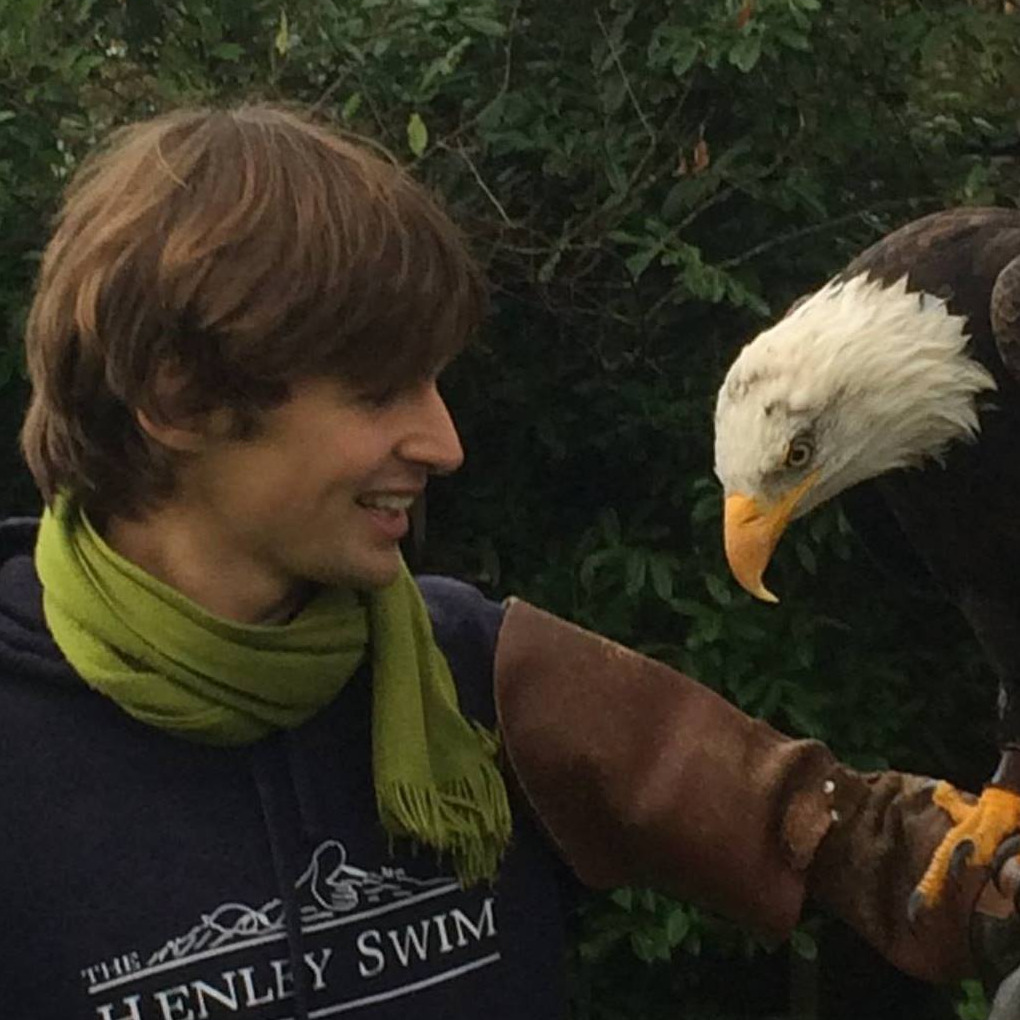
University Centre Sparsholt, Winchester, United Kingdom;James Brereton is a lecturer at University Centre Sparsholt. He specialises in zoo animal research and has worked with a wide range of zoo collections on topics including enclosure design, nutrition and welfare
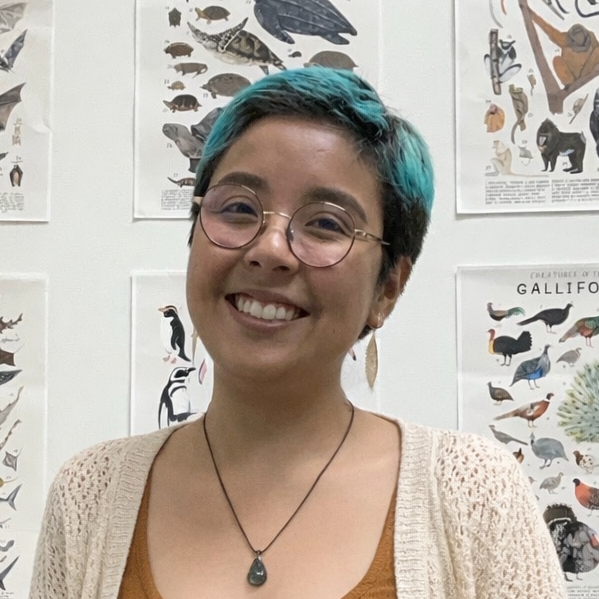
Adelaide University, Adelaide, Australia;The University of Texas Rio Grande Valley, Texas, United States of America;Claudia Martinez is a comparative psychologist and applied animal behavior and welfare scientist specializing in primate behavior, stress physiology, and evidence-based welfare practices in zoological settings, with a particular focus on western lowland gorillas. She is currently a PhD Candidate in Veterinary Science at The University of Adelaide, where her research examines how social, environmental, and human-mediated changes influence welfare in zoo-housed primates. Martinez is a Lecturer II in the Department of Psychological Science at The University of Texas Rio Grande Valley, where she teaches courses in Animal Behavior, Primate Behavior, and Applied Psychology in Animal Welfare. Through close collaborations with Gladys Porter Zoo, she integrates teaching with applied research, providing students with hands-on experience in behavioral observation, welfare assessment, and conservation research. Her work bridges psychology, behavioral science, and veterinary-informed welfare science to support evidence-based management and welfare practices in zoological settings.
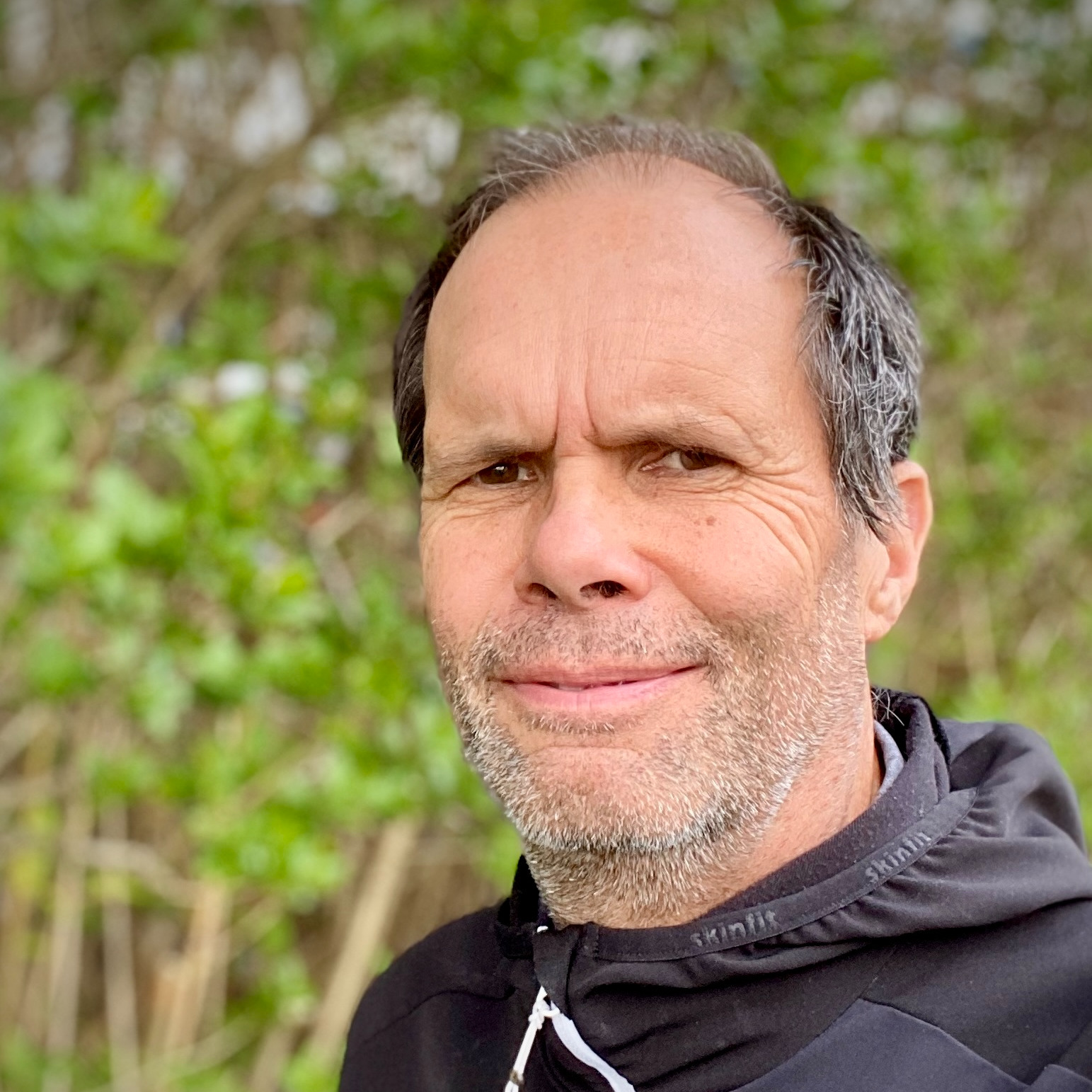
Wildlife Conservation Society, New York, USA;University of Veterinary Medicine, Vienna, Austria;Dr Chris Walzer is the Executive Director of Health at the Wildlife Conservation Society in New York. He is a board-certified wildlife veterinarian, tenured professor of Conservation Medicine at the University of Veterinary Medicine in Vienna, Austria. Chris has an internationally recognized diverse One Health expertise, working on the human-livestock-wildlife interfaces, in Europe, Asia, Africa and Latin America.
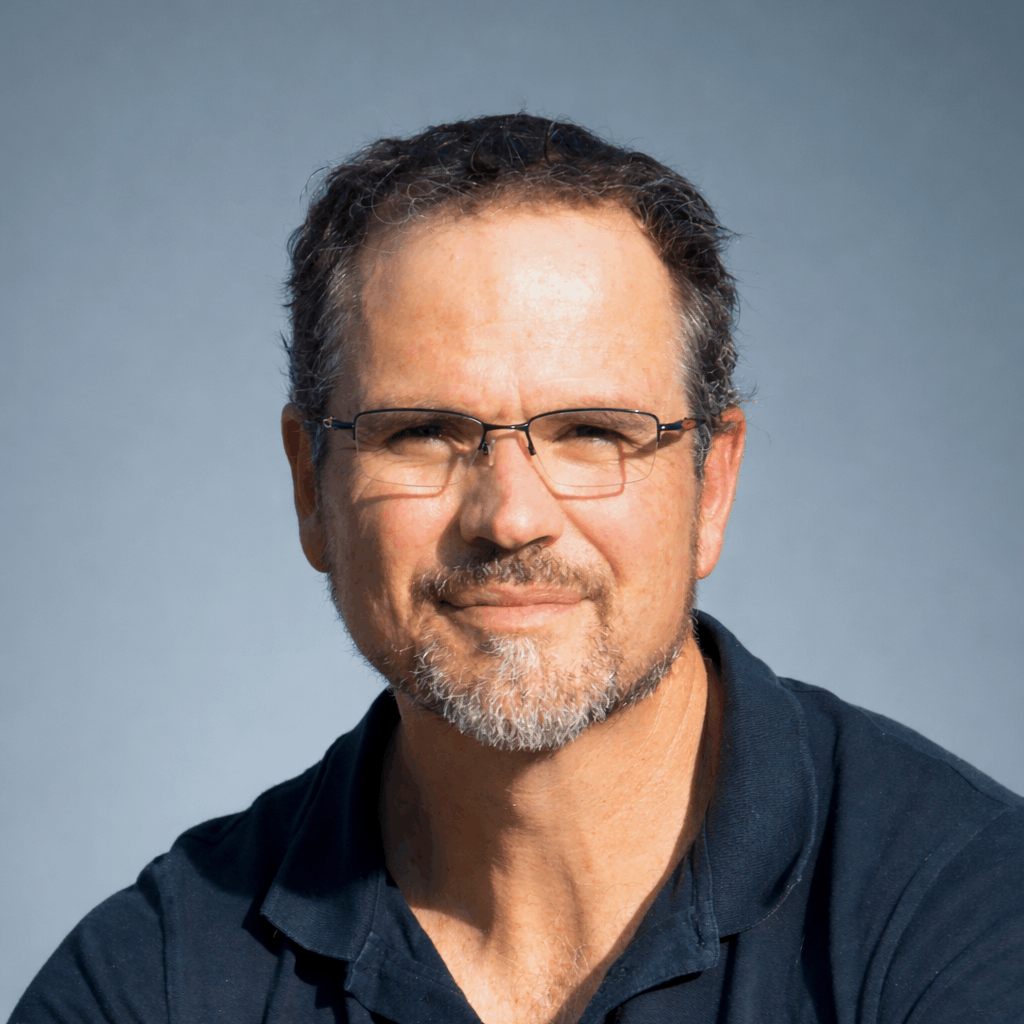
Greens Zoological Rescue and Rehabilitation Centre, Jamnagar, Gujarat, India;Department of Paraclinical Sciences, Faculty of Veterinary Science, University of Pretoria, Onderstepoort, South Africa;Prof. Adrian S.W. Tordiffe is a specialist wildlife veterinarian with a PhD in biochemistry and a research focus on carnivore nutrition, metabolism and digestive physiology. He is currently based in Gujarat, India, where he works as a senior veterinary consultant at the Greens Zoological Rescue and Rehabilitation Centre (Vantara), contributing to the clinical management and conservation of large carnivores and other wildlife species. He previously served as Associate Professor in Veterinary Pharmacology at the University of Pretoria and as Director of the Onderstepoort Veterinary Academic Hospital. During his academic career he supervised numerous MSc and PhD students working in wildlife health, physiology and conservation medicine. Prof. Tordiffe’s research has focused particularly on the physiology and health of captive carnivores, especially cheetahs, with an emphasis on metabolic disease, gastrointestinal health and nutritional management. In 2018 he founded WildCat Nutrition (Pty) Ltd, a company dedicated to developing specialised nutritional supplements and feeding strategies for captive carnivores. His work aims to integrate veterinary medicine, physiology and evolutionary nutrition to improve the health, welfare and management of large carnivores in zoological institutions and conservation programmes.
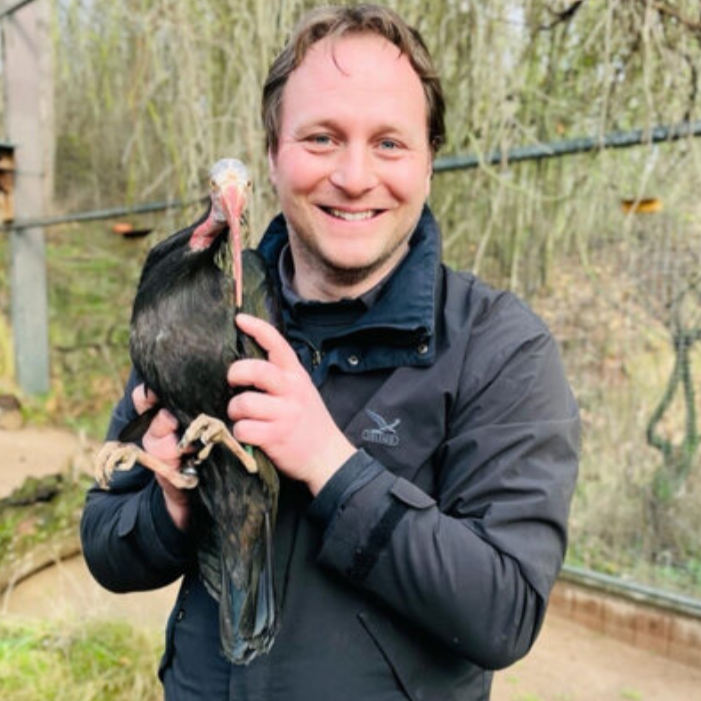
Zoo Wuppertal, Wuppertal, Germany; Bird of Prey Center and Wildlife Park, Hellenthal, Germany;Dominik Fischer graduated from the University of Veterinary Medicine Hannover, Germany in 2009. Since then, he is the head veterinarian at the Bird of Prey Center and Wildlife Park Hellenthal. From 2009 to 2020 he worked at the Clinic for Birds, Reptiles, Amphibians and Fish of Justus Liebig University Giessen, Germany. There he completed his doctoral thesis (Dr. med. vet.) and worked on various national and international scientific projects about infectious diseases and assisted reproduction in birds and reptiles. He earned a German national veterinary specialist status in avian medicine, in reptilian medicine, in zoo animal medicine and in wildlife medicine & species conservation by examination. Moreover, he successfully completed a 3-years residency training of the European College of Zoological Medicine (ECZM) and earned the EVBS® Specialist status as Diplomate of the ECZM in Wildlife Population Health by examination. Since December 2020, Dominik is the curator for science and for birds, reptiles, amphibians and fish at Zoo Wuppertal in Germany. He is continuously involved in research and conservation projects around the globe and well known as author of numerous scientific articles and speaker at various scientific meetings and international conferences.
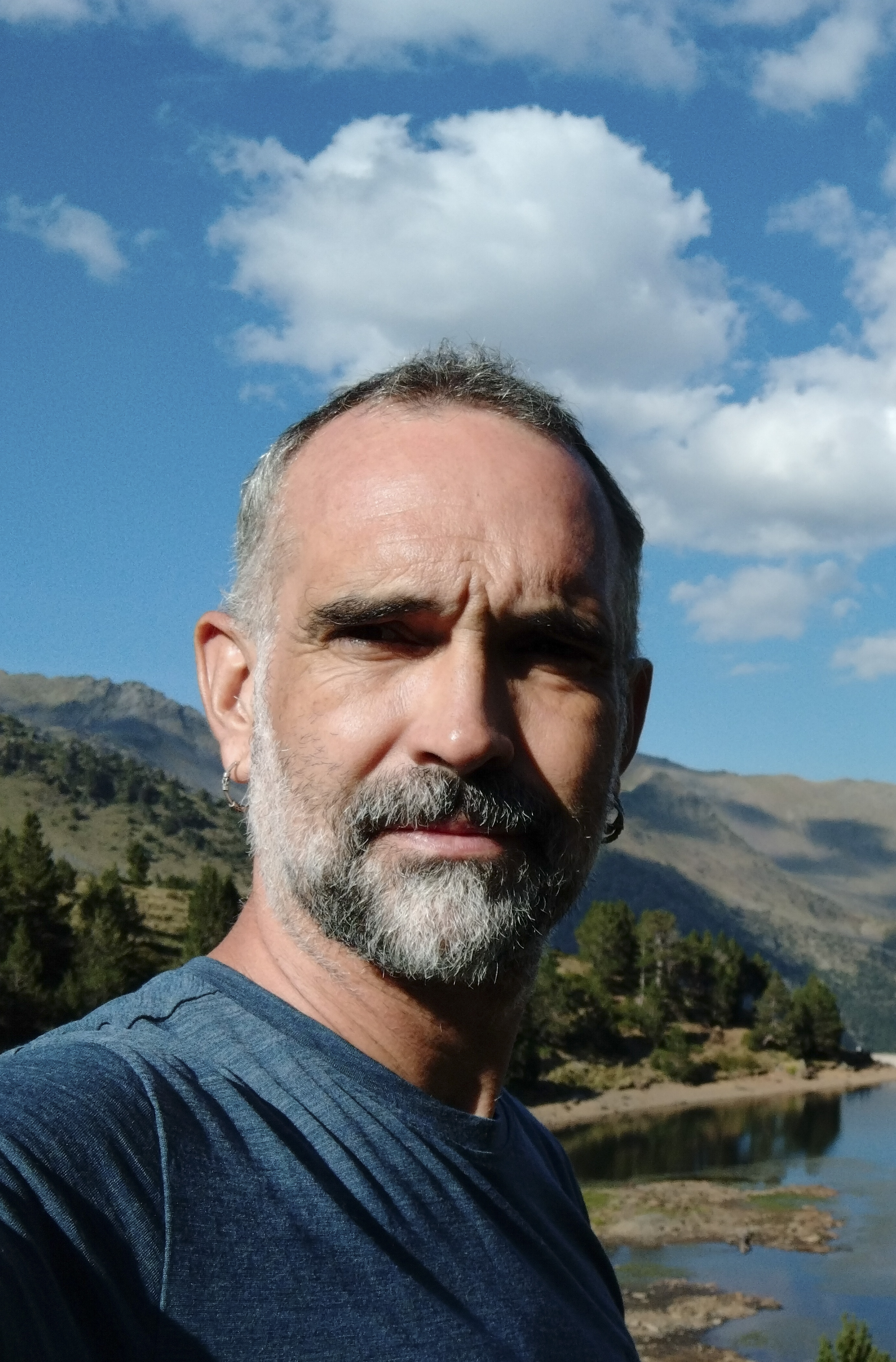
Jardí Botànic, Universitat de València, Spain;Dr. Daniel Ballesteros is associate professor of botany at the University of Valencia (UV), Spain, in the department of botany and geology, developing his research at the botanical garden of the UV. He is also honorary research associate at Royal Botanic Gardens, Kew. He obtained his BSc, MSc and PhD degrees in biology from the UV but acquired a large international experience in plant germplasm conservation and cryopreservation while working at diverse research institutions and centers of the USA, South Africa, Italy, and United Kingdom. His research aims to reveal the fundamental basis of desiccation and low temperature stress tolerance in plant propagules, particularly in relation to successful long term germplasm conservation and cryopreservation. In addition to studies on desiccation sensitive seeds (e.g., oaks, chestnuts), he is interested in the variation in longevity in plant propagules, from fern spores as a unicellular model to more complex systems. Often these studies involve making structural and biophysical determinations. He also carries out teaching and training activities on plant cryopreservation for technical staff and supervises research projects of undergraduate, MSc and PhD students. Dr. Ballesteros is governor of the Society for Cryobiology (SfC) since 2020 and founder and Vice-president of the Spanish Society for Cryobiology (SeCrio).
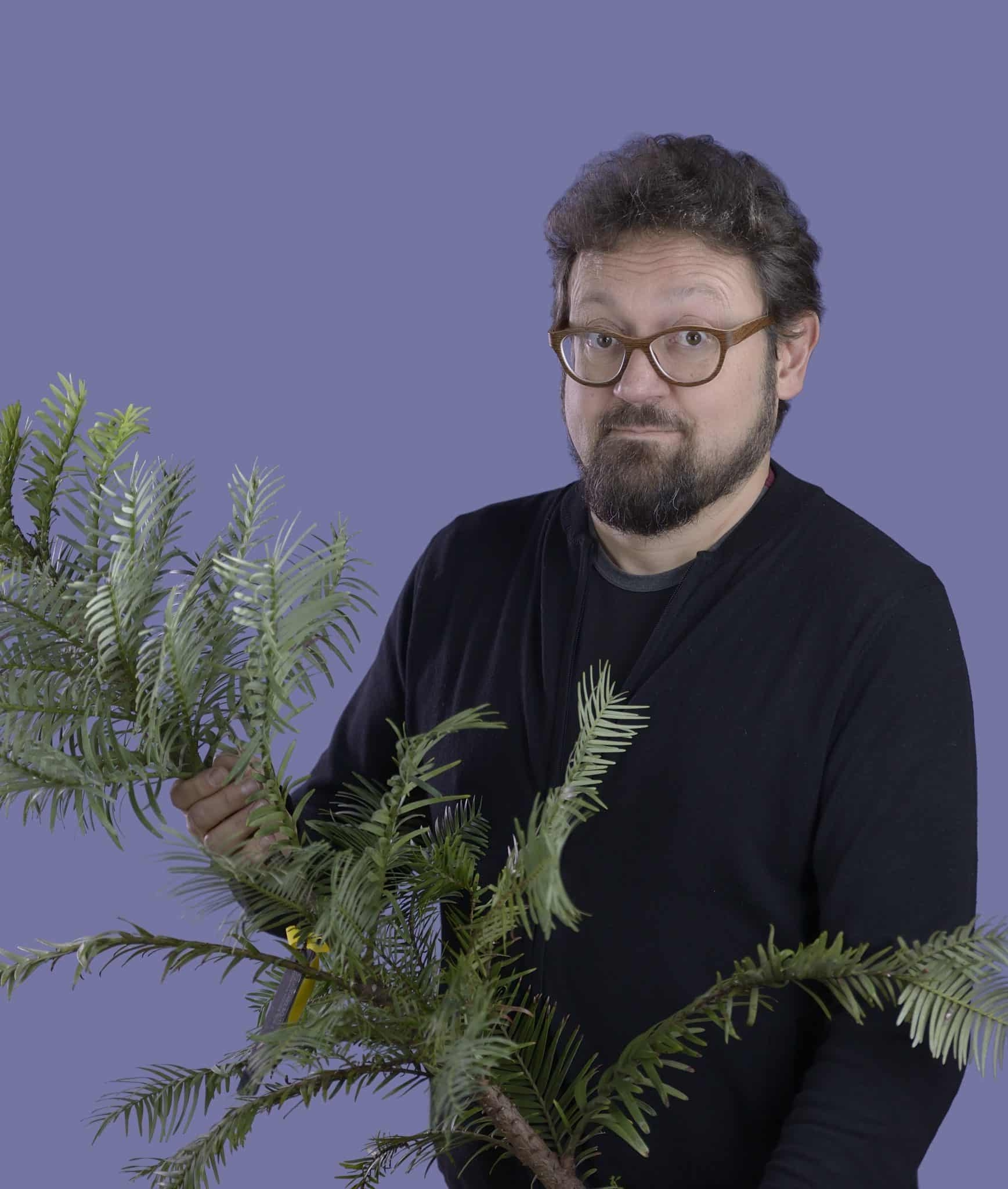
Dr. Costantino Bonomi
MUSE-Museo delle Scienze, Trento, Italy;Botanist with interest in conservation biology and eco-physiology of germination. He curated the Botanic Gardens and herbarium at the MUSE, led the development of the Muse tropical greenhouse and vegetable gardens. He founded the Trentino Seed Bank, part of the Italian and the European Ensconet seed bank network. He led nine European projects for flora conservation and science communication. Member of the Italian CITES scientific authority and Italian delegate in the European Consortium of Botanic Gardens. He coordinates of the Life Seedforce project, dedicated to the propagation and translocation of 29 priority species in the Alpine and Mediterranean regions.
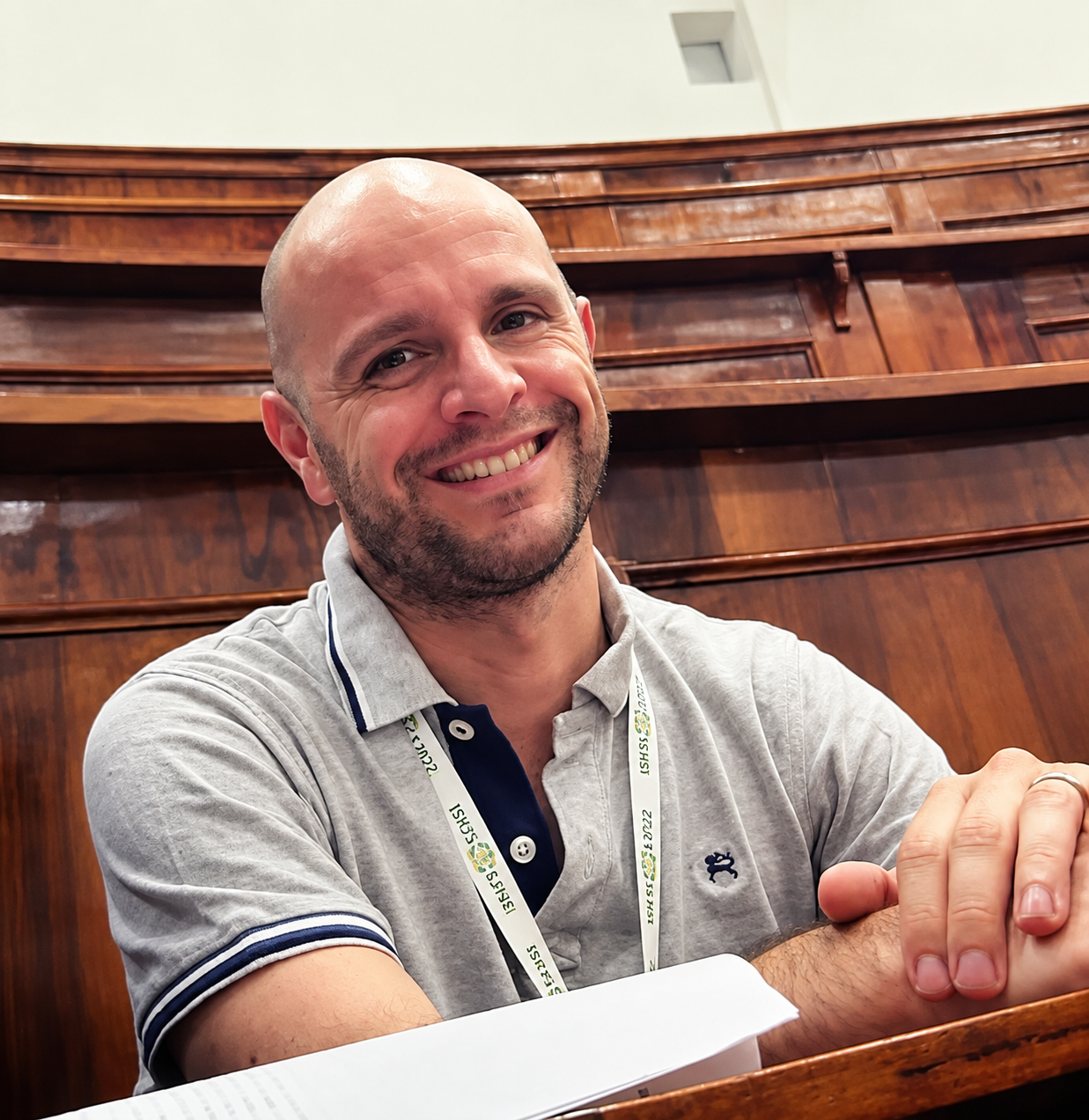
Botanic Garden and Museum, University Museum System, University of Pisa, Pisa, Italy;Marco D’Antraccoli is a botanist and Curator at the Botanic Garden and Museum of the University of Pisa, Italy. His work focuses on the scientific management, documentation and conservation of living plant collections, with particular interest in the role of botanic gardens as research infrastructures for biodiversity conservation. His research also encompasses floristics, plant diversity assessment, botanical heritage and the management of historic gardens, as well as the development of digital and quantitative tools for botanical data management, sampling and mapping. In recent years, he has contributed to projects addressing the digitisation and accessibility of living collections, ex situ conservation, and the potential effects of climate change on botanic garden collections. His work bridges field botany, collection-based research, historical botanical heritage and digital innovation, with the aim of strengthening the scientific, conservation and cultural value of botanic gardens. Further information about Marco D’Antraccoli is available at https://people.unipi.it/marco_dantraccoli/.





Ms. Olivia Wong
Ms. Coco Hou
Email: ioczbg2026@mdpi.com
For inquiries regarding submissions and sponsorship opportunities, please feel free to contact us.