_________________________________________________________________________________________________
S1. Protein Structure and Molecular Dynamics
Session chair
Keynote Speakers
Invited Speakers
 Prof. Dr. Edward L. D’Antonio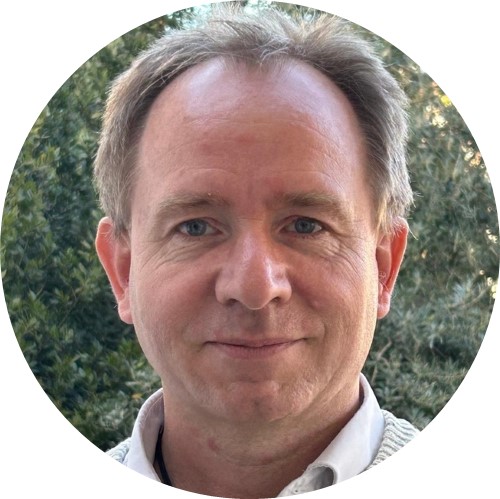
________________________________________________________________________________________________
S2. Enzymes
Session chair
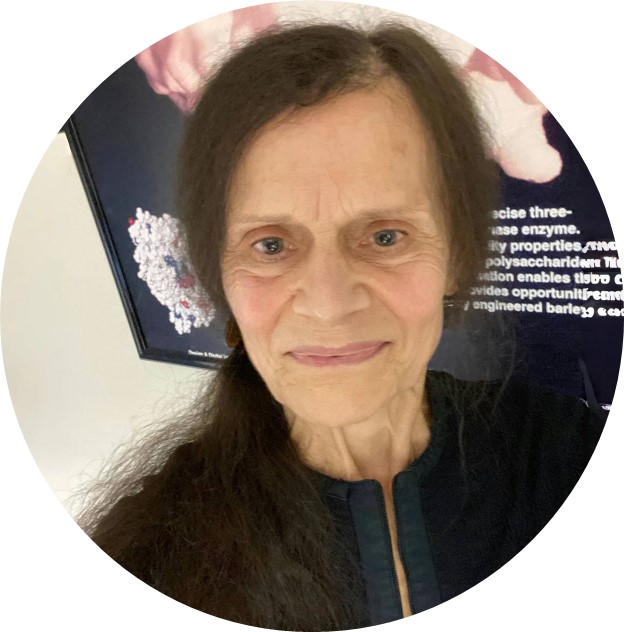 Prof. Dr. Maria Hrmova
Keynote Speakers
Invited Speakers
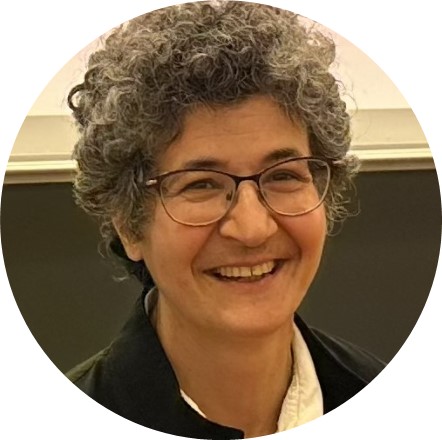
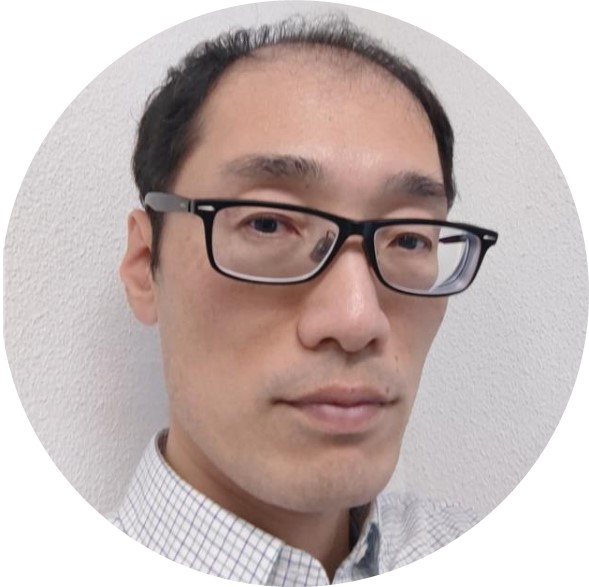 Assoc. Prof. Masahiro Nakajima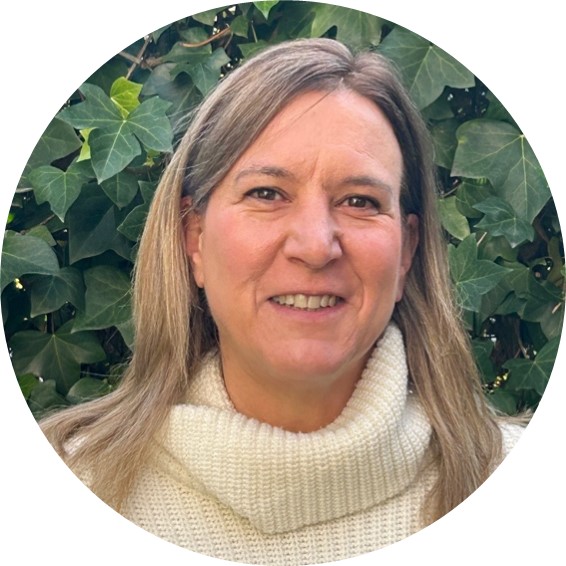
__________________________________________________________________________________________________
S3. Membrane Proteins
Session chairs
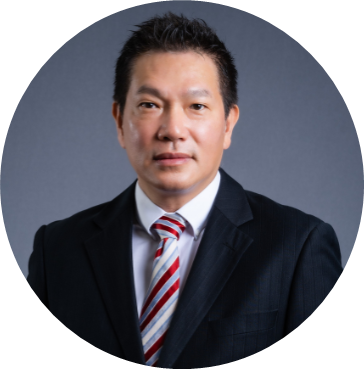 Prof. Dr. Billy K.C. Chow
Keynote Speakers
 Prof. Dr. Sharon Y. C. Ruan
_________________________________________________________________________________________________
S4. Cancer Target Proteins
Session chairs
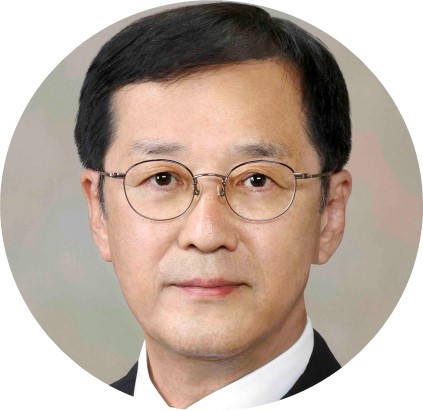
Keynote Speakers
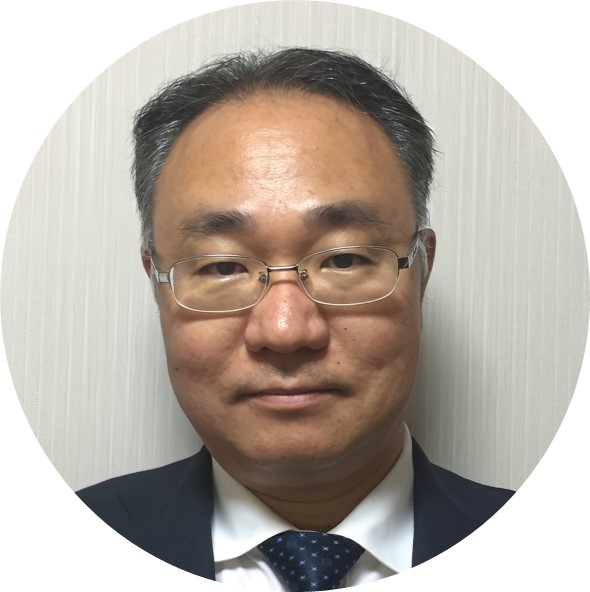
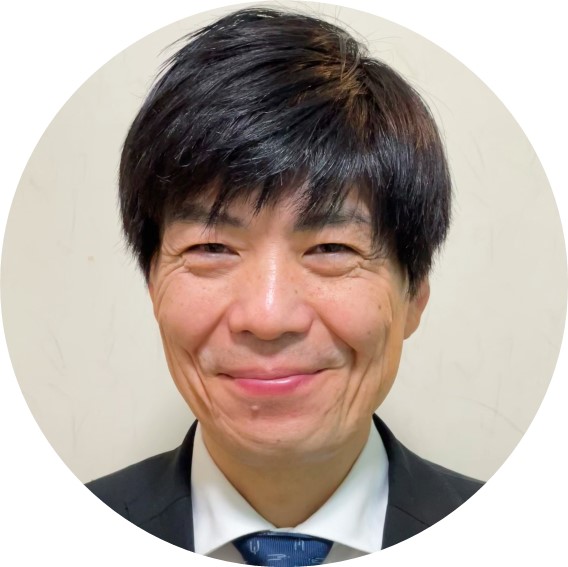 Prof. Dr. Masahiro Ohsawa
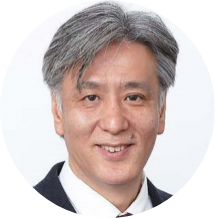 Prof. Dr. Yoichiro Isohama
Invited Speakers
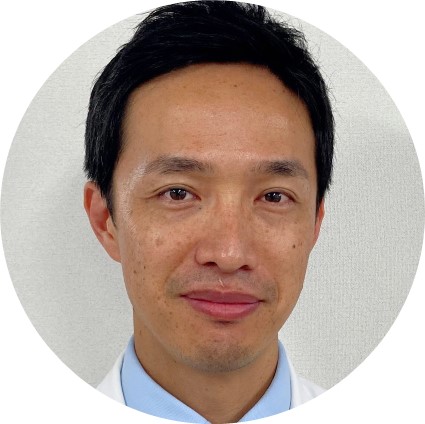 Dr. Hiroki Shimizu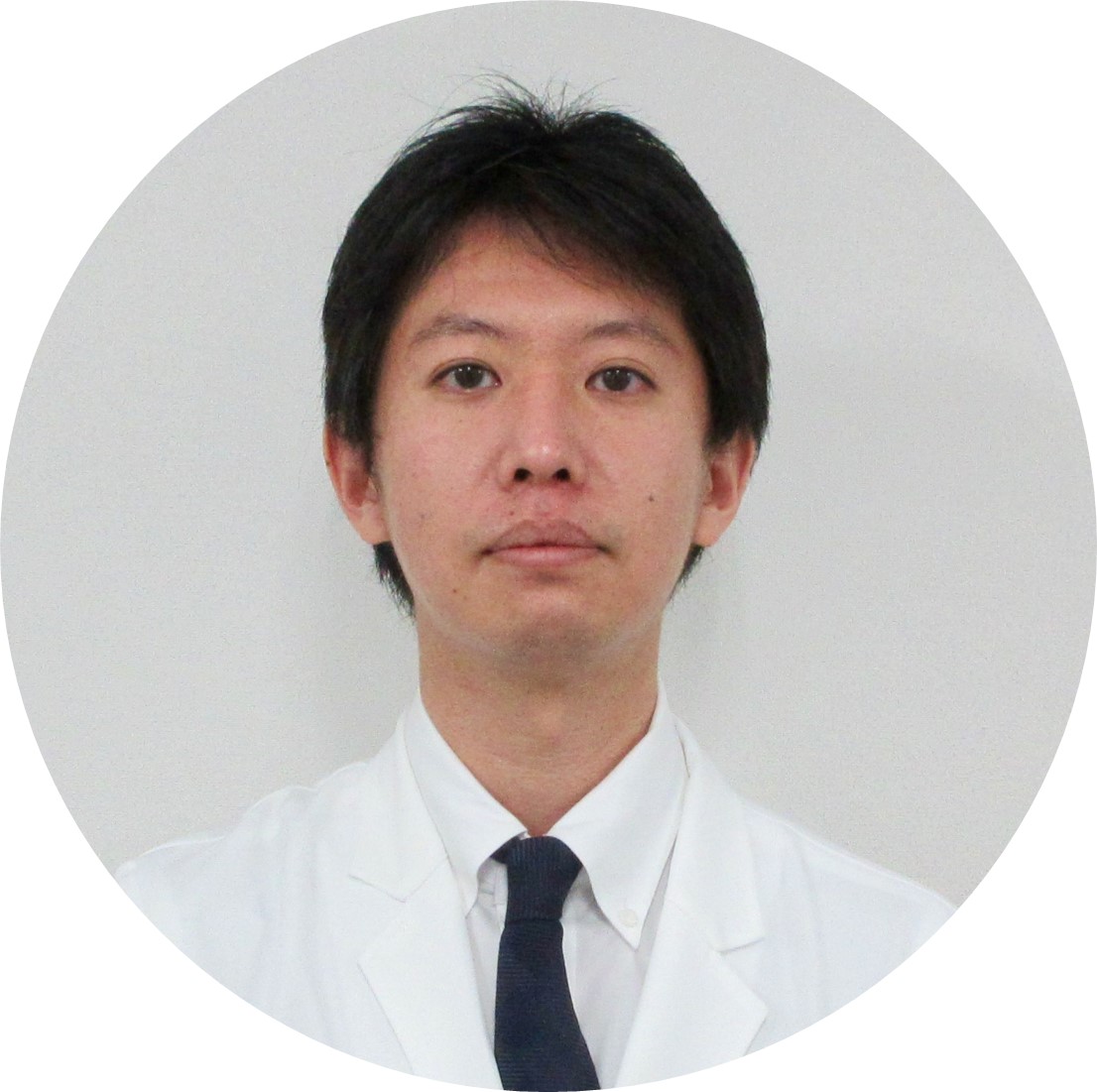
_________________________________________________________________________________________________
S5. Drug Design and Solution to Drug Resistance Problem
Session chair
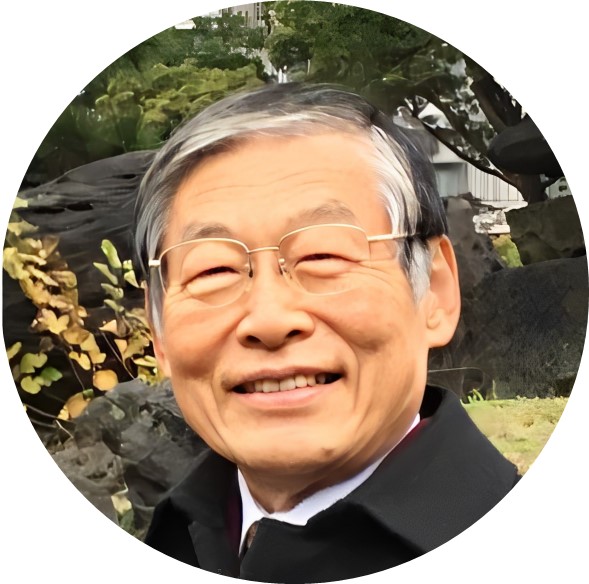
Keynote Speakers
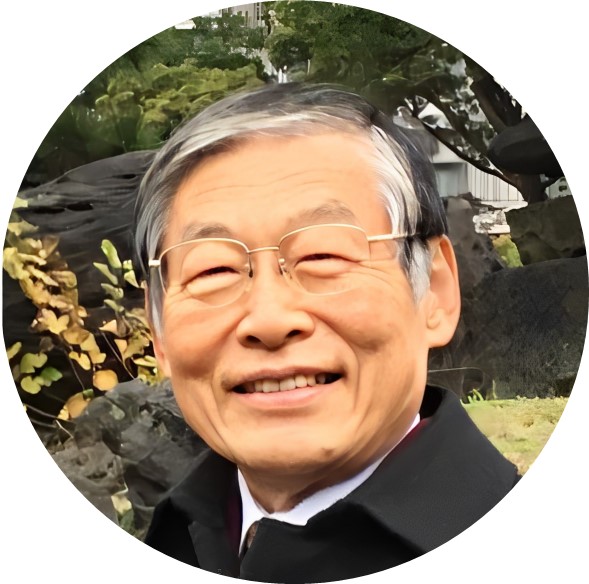 Dr. Masayuki Takahashi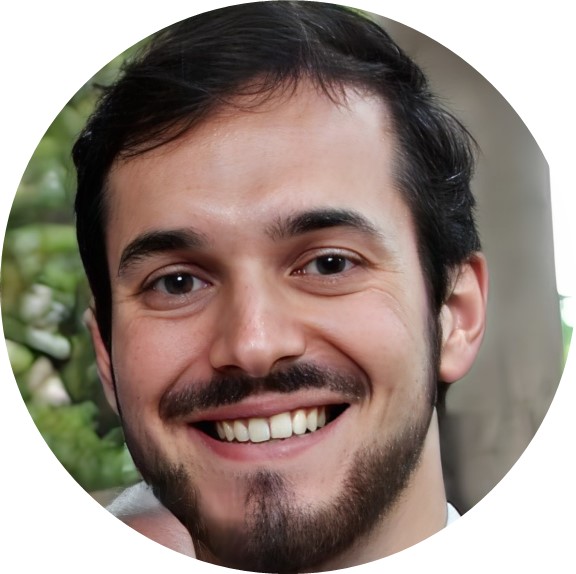
_________________________________________________________________________________________________
S6. Physiological Functions of Proteins and Organ Interactions
Session chairs
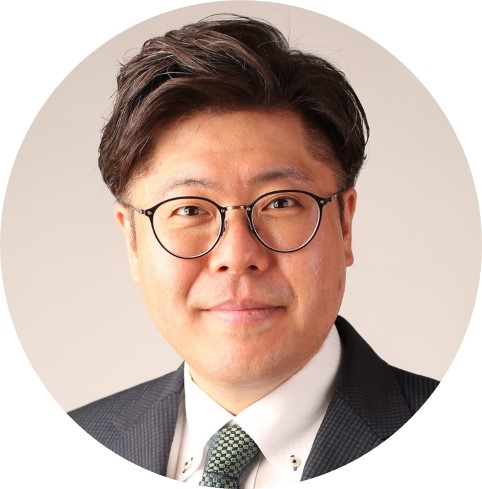 Prof. Dr. Yusaku Iwasaki
Keynote Speakers
Invited Speakers
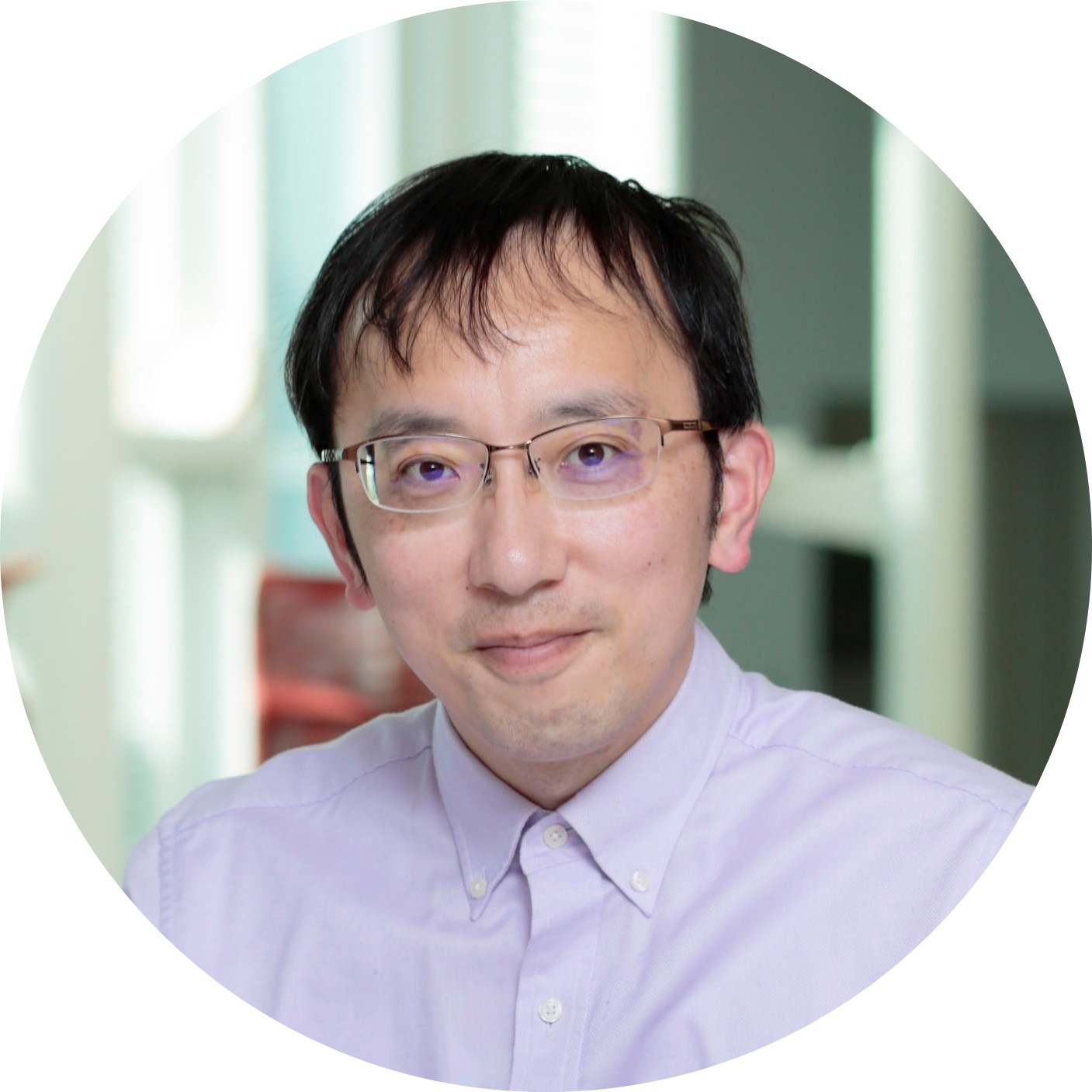 Dr. Kazunari Miyamichi
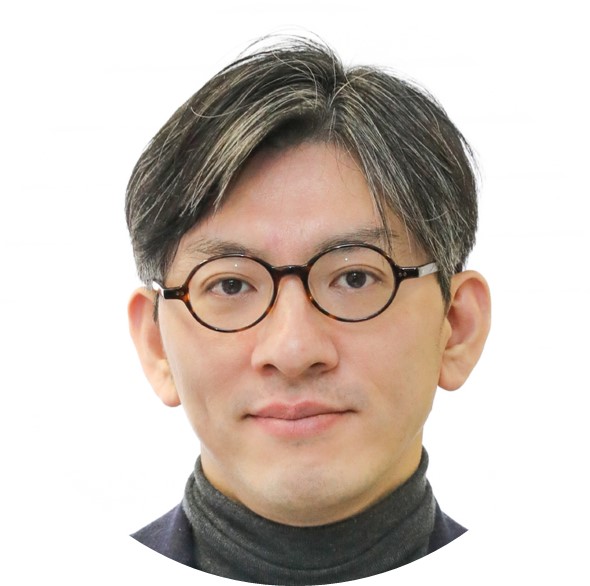
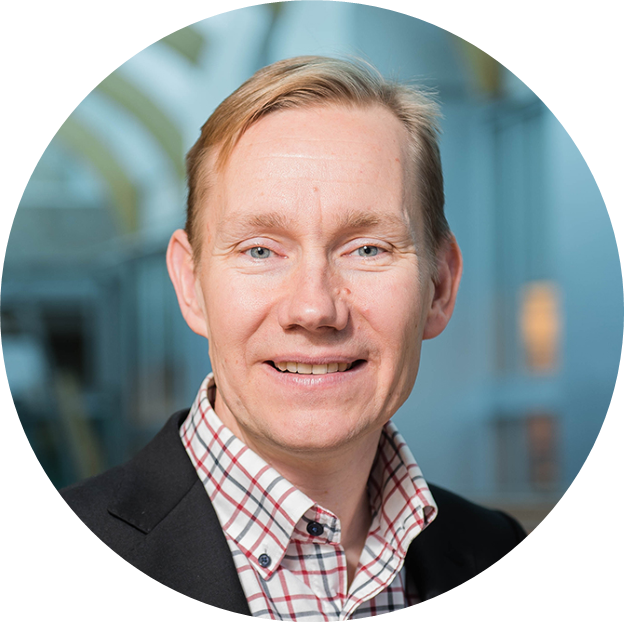 Prof. Dr. Harry Brumer University of British Columbia, Canada |
Prof. Dr. Brumer works in the area of fundamental and applied carbohydrate enzymology and biochemistry. His research interests include the discovery, functional and structural characterization, and biotechnological applications of carbohydrate-active enzymes and carbohydrate-binding proteins. A key focus of the Brumer Group is to illuminate the molecular mechanisms of complex carbohydrate (“dietary fibre”) utilization in the human gut microbiota, and to harness this emergent knowledge to improve health. |
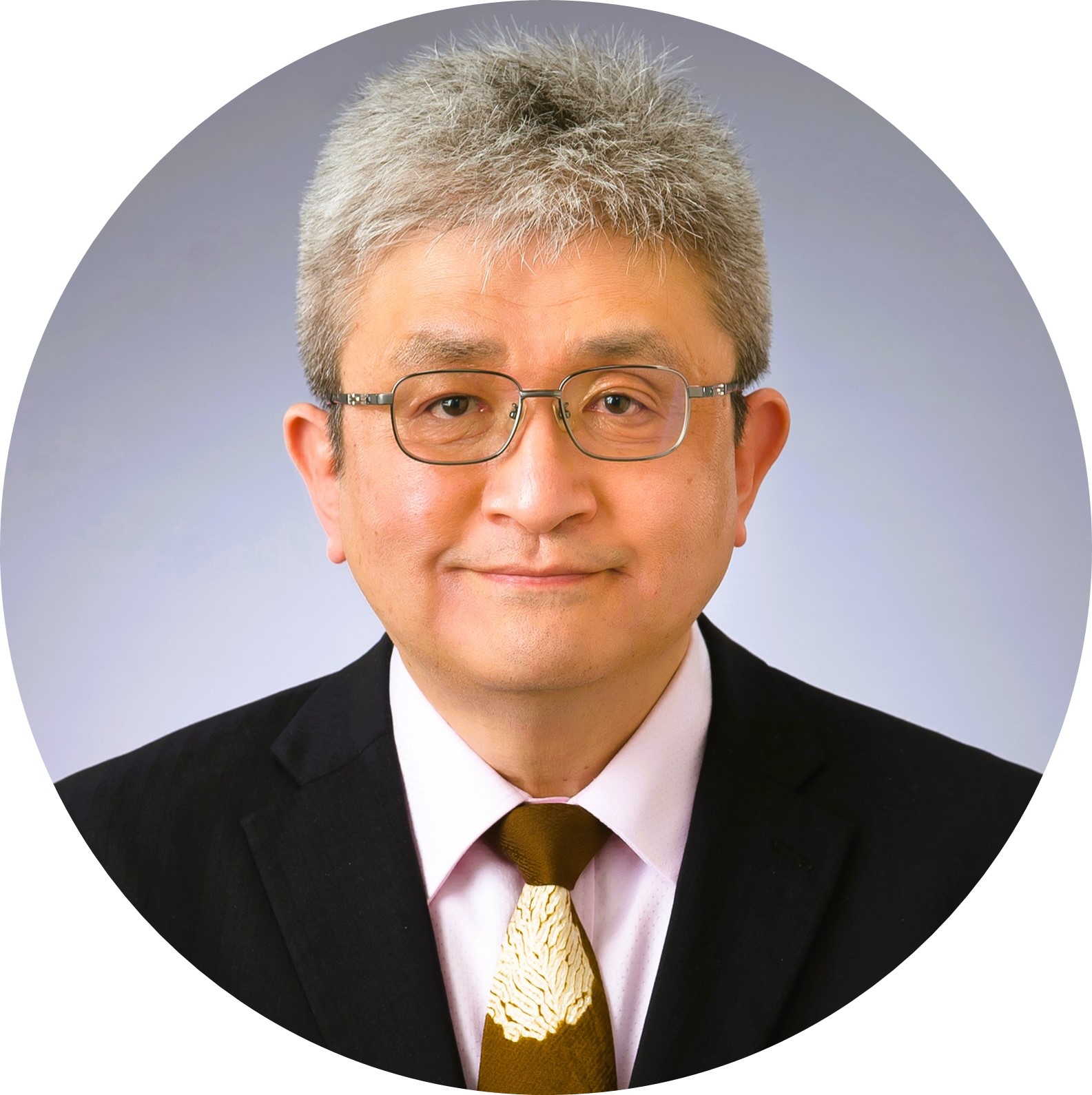
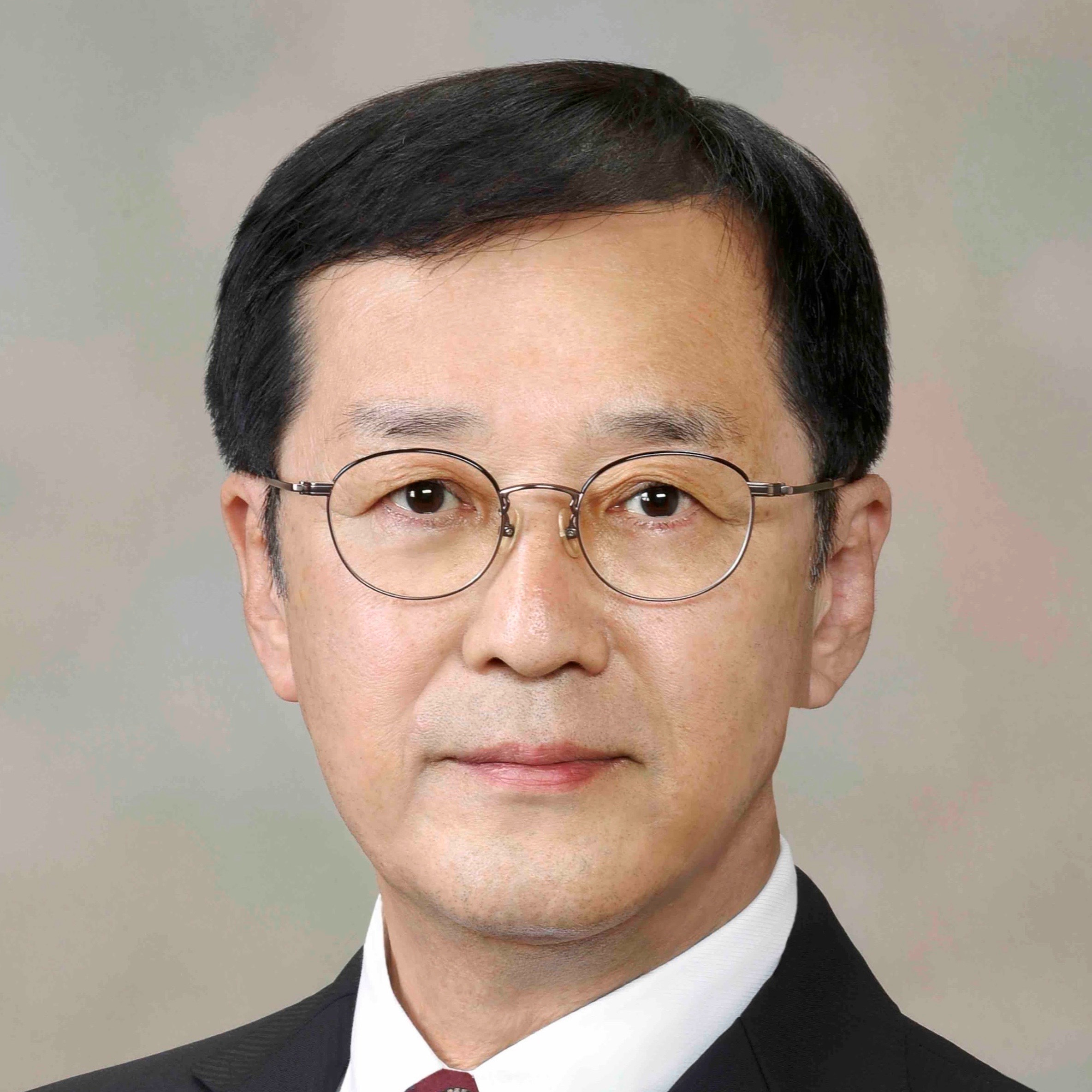
Prof. Dr. Hideki Sakai |
Professor Hideki Sakai is a distinguished researcher and educator at the University of Toyama, specializing in Pharmaceutical Physiology. With a Ph.D. in Pharmaceutical Sciences from Toyama Medical and Pharmaceutical University (1992), he has made significant contributions to the field of cell physiology, focusing on ion-transporting proteins in epithelial cells. His research employs physiological, biochemical, and pharmacological techniques. Prof. Sakai has an impressive academic record with 2501 citations and an h-index of 25. He has been involved in multiple research projects and has published extensively, with 91 articles and 8 review papers. His expertise spans cell physiology, electrophysiology, and biophysical chemistry. |
|
|
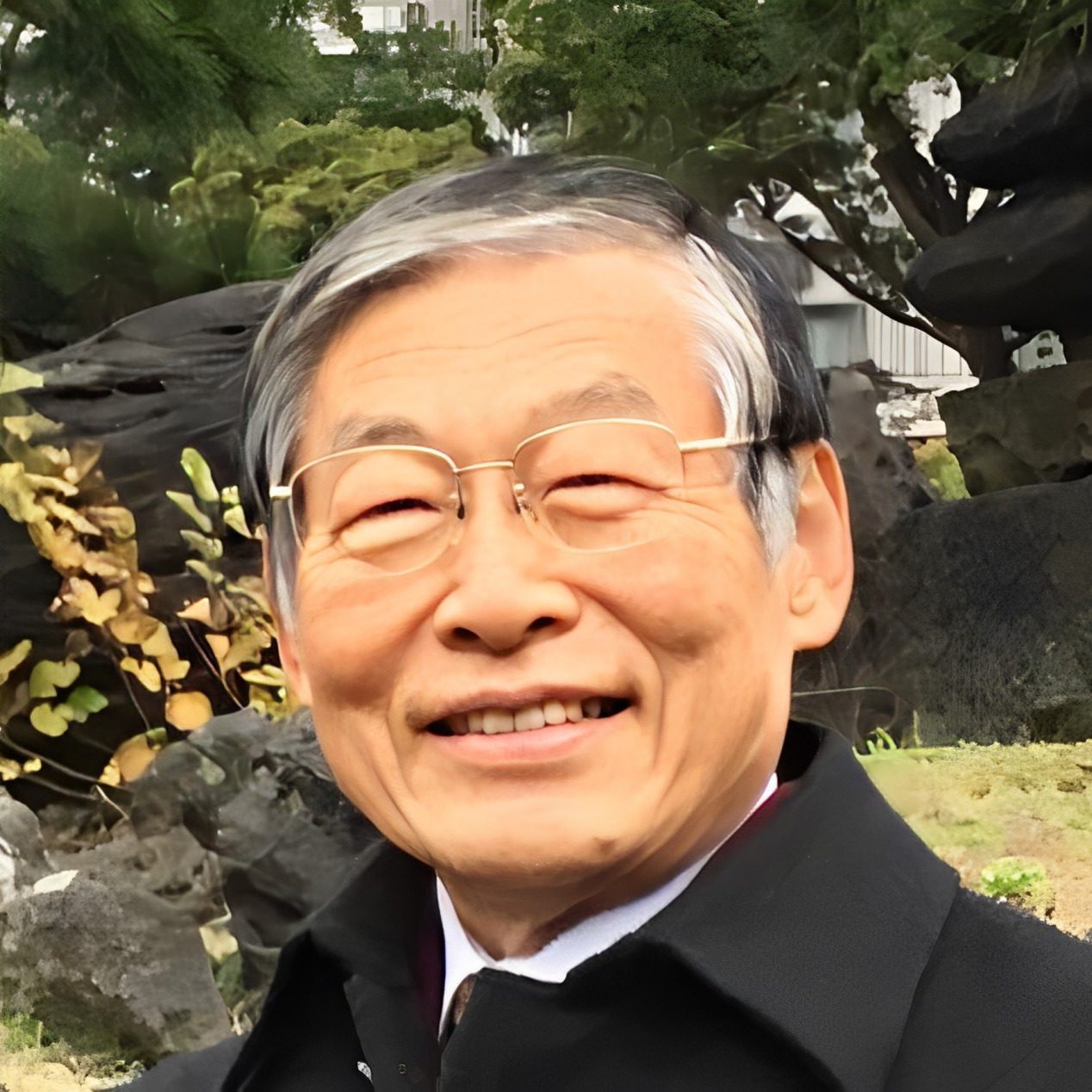
His lab investigates the neural basis of epithelial chemosensations in the peripheral nervous systems and their processing in the central nervous system by employing an array of techniques, including optical imaging, electrophysiological recording, optogenetic manipulation, single-cell transcriptomics, and behavioral assays. He started his research in gustation as a post-doc at the University of Pennsylvania in the Department of Physiology in 2010 before moving to the Kyoto Prefectural University of Medicine in the Department of Molecular Cell Physiology as an assistant professor in 2013 (Professor 2018−present). His previous studies have helped identify key components of peripheral taste transduction. They include the molecular mechanisms of how taste cells lacking synaptic vesicles release neurotransmitters and how sodium taste is processed within taste cells. These findings have helped establish the existence of a novel chemical synapse (dubbed the channel synapse), which provides a new paradigm for understanding the mechanisms of epithelium−neuron chemical communication. |