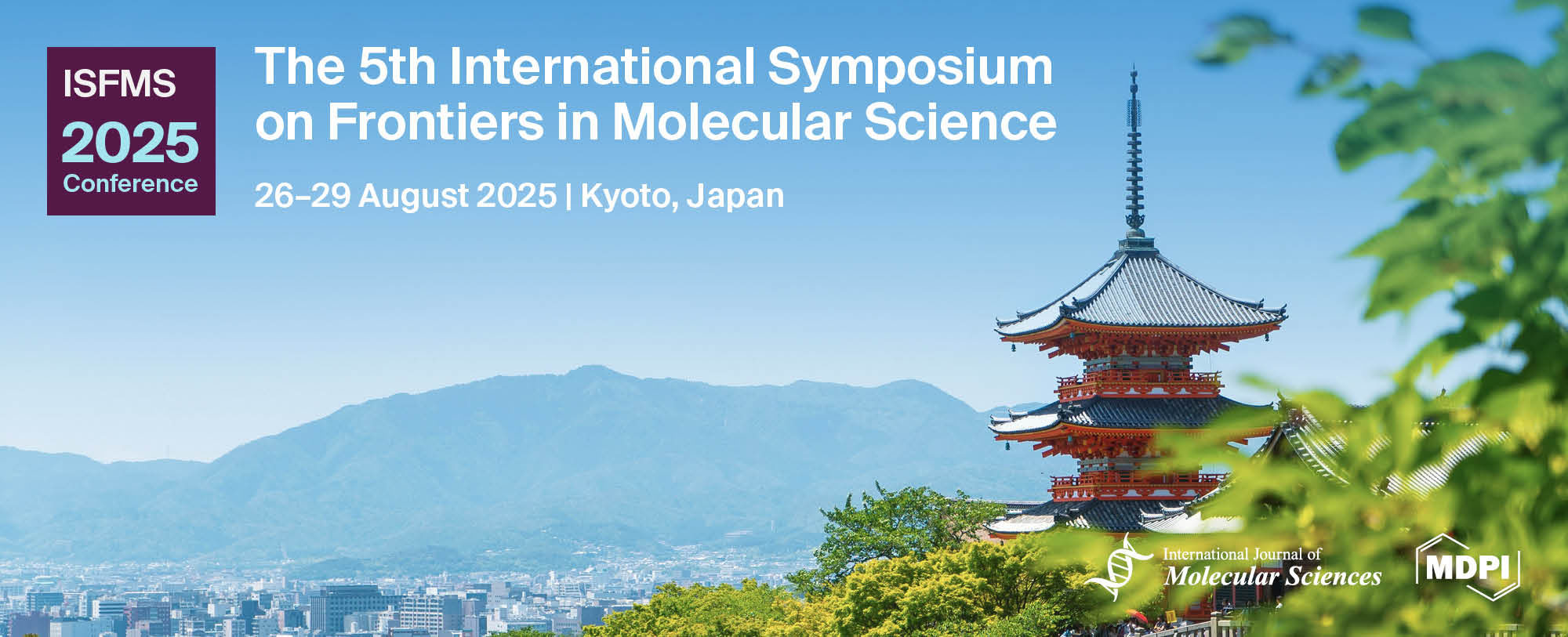
ISFMS2025-The 5th International Symposium on Frontiers in Molecular Science
Molecular Regulatory Mechanisms of Biological Function and Drug Discovery based on Protein Structure/Function Analysis
the chairs
Dear Colleagues,
We cordially invite you to participate in the 5th International Symposium on Frontiers in Molecular Sciences (ISFMS2025)—Molecular Regulatory Mechanisms of Biological Function and Drug Discovery based on Protein Structure/Function Analysis, to be held in Kyoto, Japan, from August 26 to 29, 2025. The symposium will present outstanding research results that elucidate the molecular mechanisms of biological function and regulation, and it will also facilitate drug design based on molecular biology, biophysical characterization, in vivo environmental homeostasis, organ interactions based on sensory systems, physiome, and AI-assisted analysis of protein structures and functions.
The venue will be the Inamori Hall, Liberal Arts and Science Building and the Kyoto Institute, Library and Archives (Rekisaikan), both affiliated with Kyoto Prefectural University, Kyoto Prefectural University of Medicine and the Kyoto Prefectural Government, located in Kyoto City. The venue is conveniently located approximately 20 minutes by subway or car from Japan Railway (JR) Kyoto Station, which is also easily accessible from Kansai International Airport (KIX) by JR (approximately 1 hour 20 minutes) or limousine bus (approximately 1 hour 30 minutes).
Kyoto, the ancient capital of the millennium, has a fascinating historical heritage and features numerous World Cultural Heritage sites, including Kiyomizu-dera Temple, Nijo-jo Castle, Shimogamo-Jinja Shrine, Kinkaku-ji Temple, Ginkaku-ji Temple, Saiho-ji (Koke-dera) Temple and the Kozan-ji Temple, among others. These sites will be of great interest to visitors. Gion is another renowned location in Kyoto, showcasing the city's rich heritage and traditional Japanese culture. You can immerse yourselves in the authentic Japanese dances and music performed by Geiko and Maiko artists.
We look forward to welcoming you to Kyoto, Japan.
Conference Chairs,
Prof. Dr. Yoshinori Marunaka
Dr. Masayuki Takahashi
Prof. Dr. Yusaku Iwasaki
Prof. Dr. Akiyuki Taruno
Prof. Dr. Atsushi Shiozaki
For any inquiry, please contact Conference Secretariat: isfms@mdpi.com



Meet Our Chairs
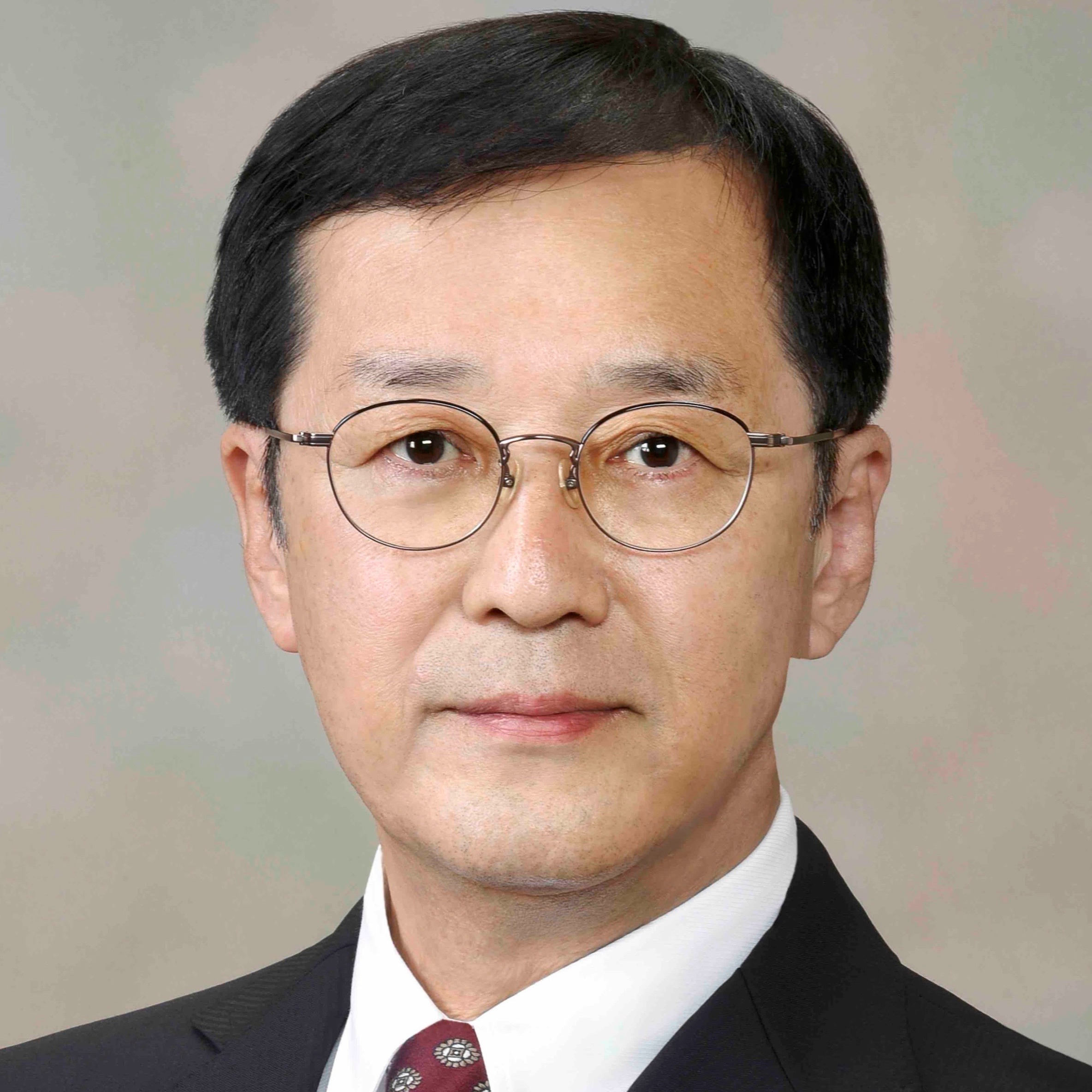
1.Kyoto Industrial Health Association, Japan; 2.Kyoto Prefectural University of Medicine, Japan; 3.Ritsumeikan University, Japan;Prof. Yoshinori Marunaka, M.D, Ph.D., is currently President & Representative Director, Kyoto Industrial Health Association, General Incorporated Foundation, Japan; Professor, Ritsumeikan University, Japan; Professor Emeritus, Kyoto Prefectural University of Medicine, Japan. He received his M.D. (1979) and Ph.D. (1985) from the Kyoto Prefectural University of Medicine, Kyoto, Japan, as well as his National License of Physicians and Surgeons, Japan (1979). He was a professor and chairperson of the departments of Molecular Cell Physiology, Bio-Ionomics, and Respiratory Medicine, the Dean for Student Affairs, and Director of Library at the Kyoto Prefectural University of Medicine. Additionally, he has acted as an associate professor (Principal Investigator and Laboratory Head) at the Hospital for Sick Children Research Institute and Department of Pediatrics, University of Toronto, Canada, and he has also been an assistant professor at Emory University, USA. He was awarded the “Vebleo Nanomedicine Scientist Award” (Sweden), “Marco Polo della Scienza Italiana” (Italy), Premier's Research Excellence Award (Canada), Scholar Award (Medical Research Council of Canada), and Research Award from the National Kidney Foundation (USA). He serves as president of the Physiological Society of Japan; president of the International Society for Proton Dynamics in Cancer, president of the International Society for Cancer Metabolism, and he has been the editor-in-chief, chief editor, advisory board member, or editorial board member of more than 30 international scientific journals. He is interested in molecular mechanisms involved in regulating ion transports and body ionic environments, and he has obtained more than 60 research grants, published 278 peer reviewed articles, and provided more than 30 invited plenary lectures at international research conferences. H-index 50, i10-index 197, Citation 8388. Home Page, https://marunaka-y.com/english/
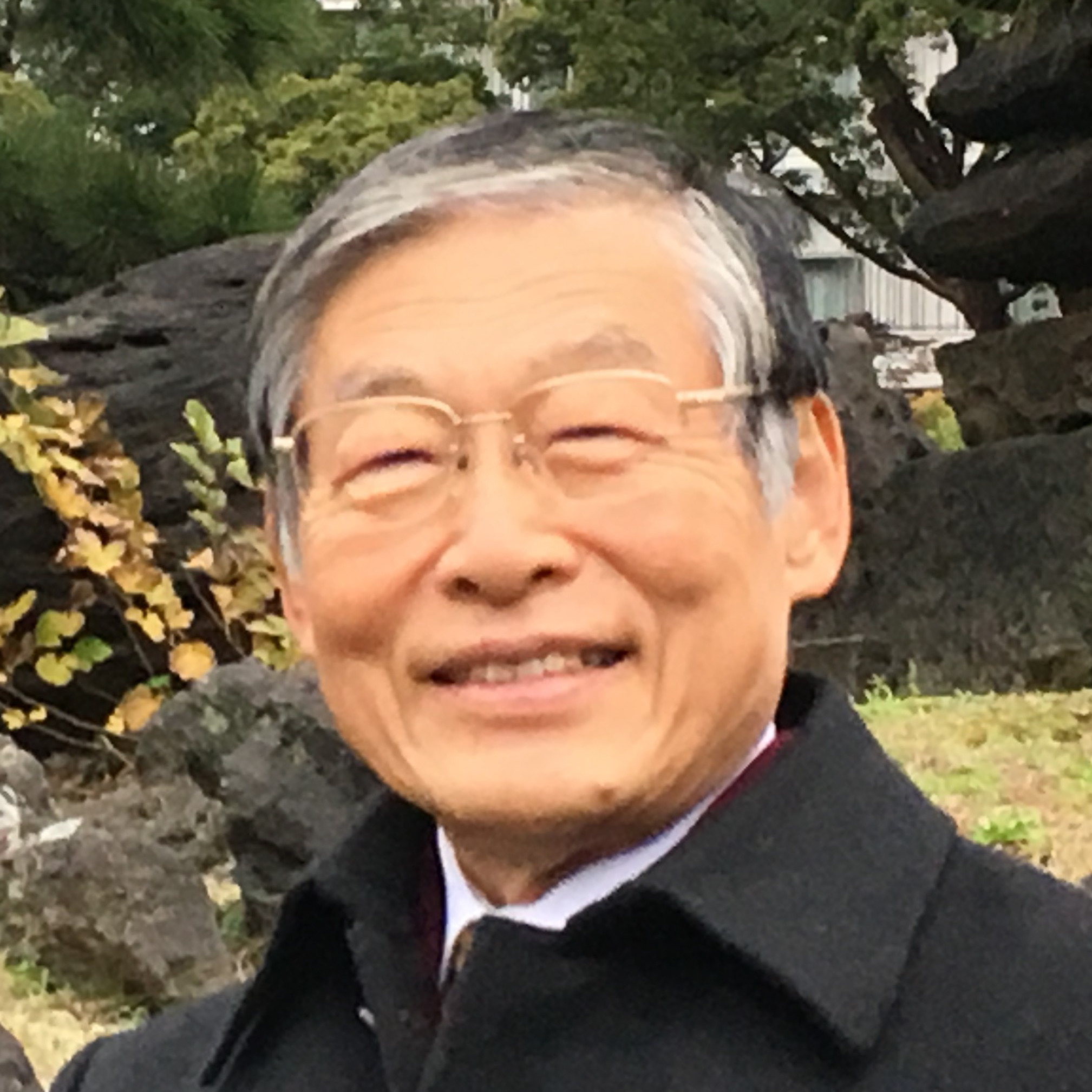
1. Kyoto Prefectural University, Japan 2. Institute of Science Tokyo, Japan;Masayuki Takahashi is a biochemist studying protein/DNA interactions in vitro, with a research focus on understanding RecA- and Rad51-promoted DNA strand exchange reactions in homologous recombination. His current interest is investigating the mechanism of DNA sequence recognition by complementary oligonucleotides, the basics of homologous recombination, CRISPR Cas9, and RNA interference technologies. He was born in Japan but immigrated to France at age 20. He entered Toulouse University and obtained a Ph.D. in biochemistry. He studied the transcription regulation of the cAMP receptor protein (CRP) by analyzing its interaction with DNA, RNA polymerase, and cAMP, and he simulated the regulation in vivo. He received a research position at the French National Research Organization (CNRS) before continuing his studies on transcription regulation of tetracycline resistance and DNA repair systems in a laboratory in Strasbourg. He then moved to the Institut Curie at Orsay and examined the molecular mechanism of RecA and Rad51-promoted DNA strand exchanges by performing kinetic and structural analyses. After moving to Nantes, he developed inhibitors of Rad51 as potential anticancer drugs. He then returned to Japan to work at the Kyoto Prefectural University. He also served as a visiting or invited professor at the Chalmers University of Technology (Sweden), Fukuoka Dental University, Kyushu University, the Cancer Institute of Kanazawa University (Japan), and Yeungnam University (South Korea).
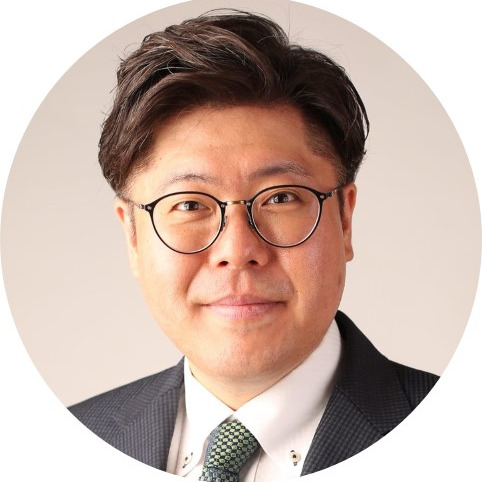
Kyoto Prefectural University, Japan;Yusaku Iwasaki earned a Ph.D. in Food and Nutritional Sciences from the University of Shizuoka in 2008. After serving as a postdoctoral researcher, assistant professor, and lecturer in the Department of Physiology at Jichi Medical University, he has been in his current position since 2018. His current specialization is in autonomic neuro-metabolism, aiming to develop new technologies to prevent and improve lifestyle-related diseases (overeating, obesity, diabetes, and depression) by targeting the vagal afferent nerves. He has received numerous awards, including the Academic Encouragement Award of Japan Society for the Study of Obesity in 2022, the Yas Kuno Memorial Award of the Physiological Society of Japan in 2020, the Invention and Discovery Encouragement Award of the ANDO Foundation in 2019, the Promotion Award for Young Scientists of the Physiological Society of Japan in 2016, and the Young Investigator Award of the Japan Endocrine Society in 2015.
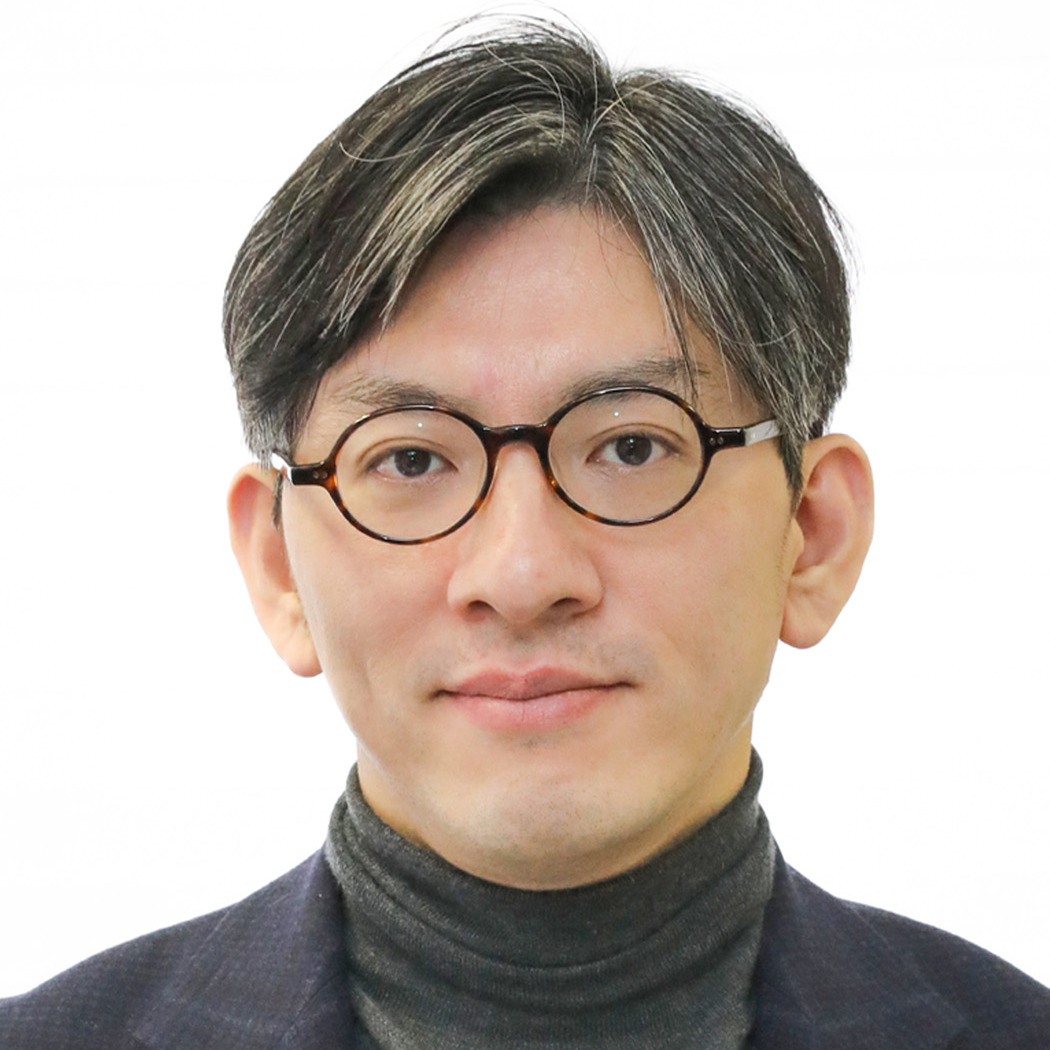
Kyoto Prefectural University of Medicine, Japan;His lab investigates the neural basis of epithelial chemosensations in the peripheral nervous systems and their processing in the central nervous system by employing an array of techniques, including optical imaging, electrophysiological recording, optogenetic manipulation, single-cell transcriptomics, and behavioral assays. He started his research in gustation as a post-doc at the University of Pennsylvania in the Department of Physiology in 2010 before moving to the Kyoto Prefectural University of Medicine in the Department of Molecular Cell Physiology as an assistant professor in 2013 (Professor 2018−present). His previous studies have helped identify key components of peripheral taste transduction. They include the molecular mechanisms of how taste cells lacking synaptic vesicles release neurotransmitters and how sodium taste is processed within taste cells. These findings have helped establish the existence of a novel chemical synapse (dubbed the channel synapse), which provides a new paradigm to understand the mechanisms of epithelium−neuron chemical communication.
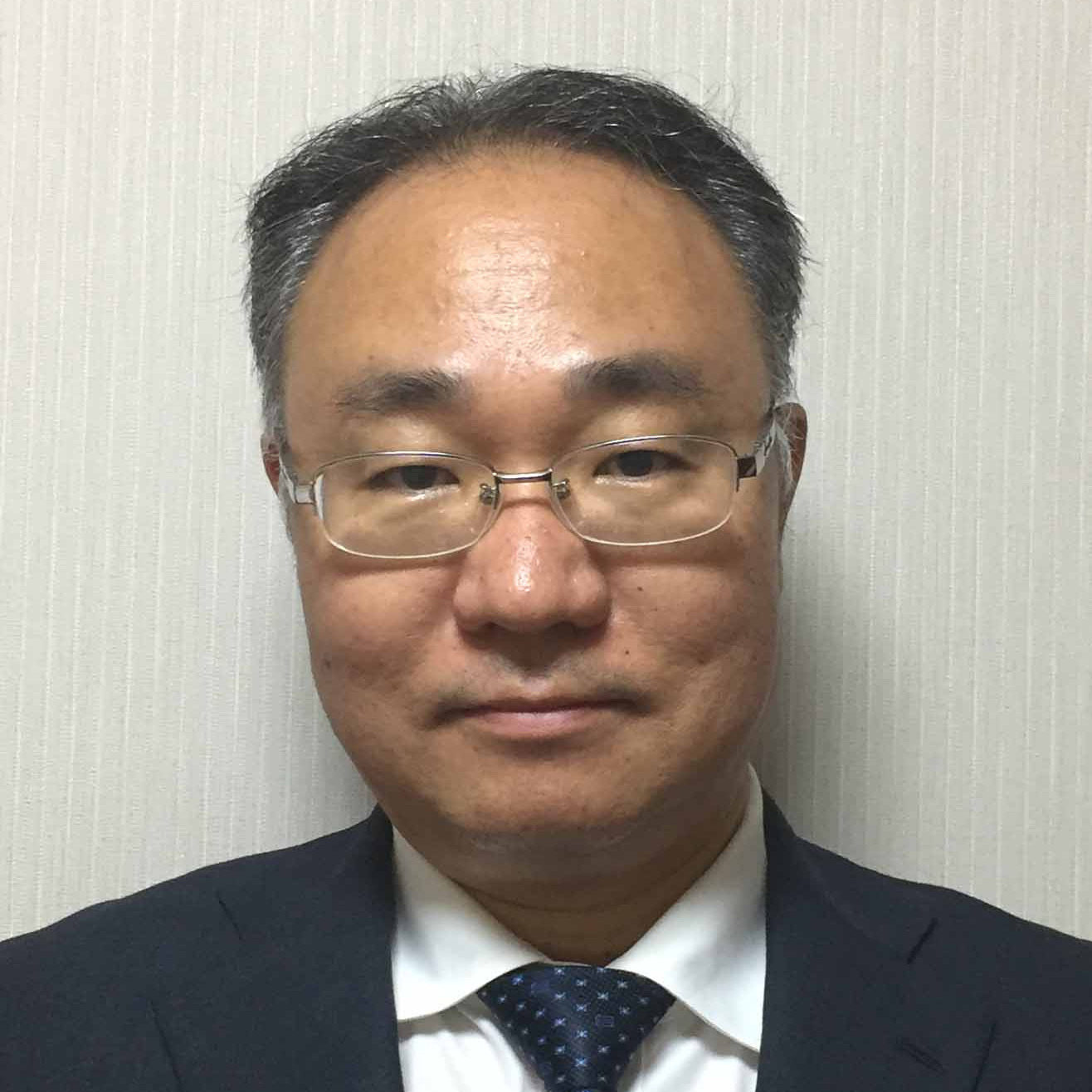
Kyoto Prefectural University of Medicine, Japan;Atsushi Shiozaki, M.D, Ph.D., is Professor, Division of Digestive Surgery, Department of Surgery, Graduate School of Medical Science, Kyoto Prefectural University of Medicine, Kyoto, Japan. He received his M.D. (1997) and Ph.D. (2007) from the Kyoto Prefectural University of Medicine, Kyoto, Japan. His research interests are Cellular Physiology and Surgical Oncology. Especially, he investigated clinicopathological and prognostic significances of various membrane transporters in digestive cancers, roles of ion channels in cancer stem cells, and cytocidal effect of hypotonic shock in cancer cells.
Important Dates
15 May
2025
15 Jun
2025
15 Jul
2025
26 Aug
2025
Meet Our Speakers
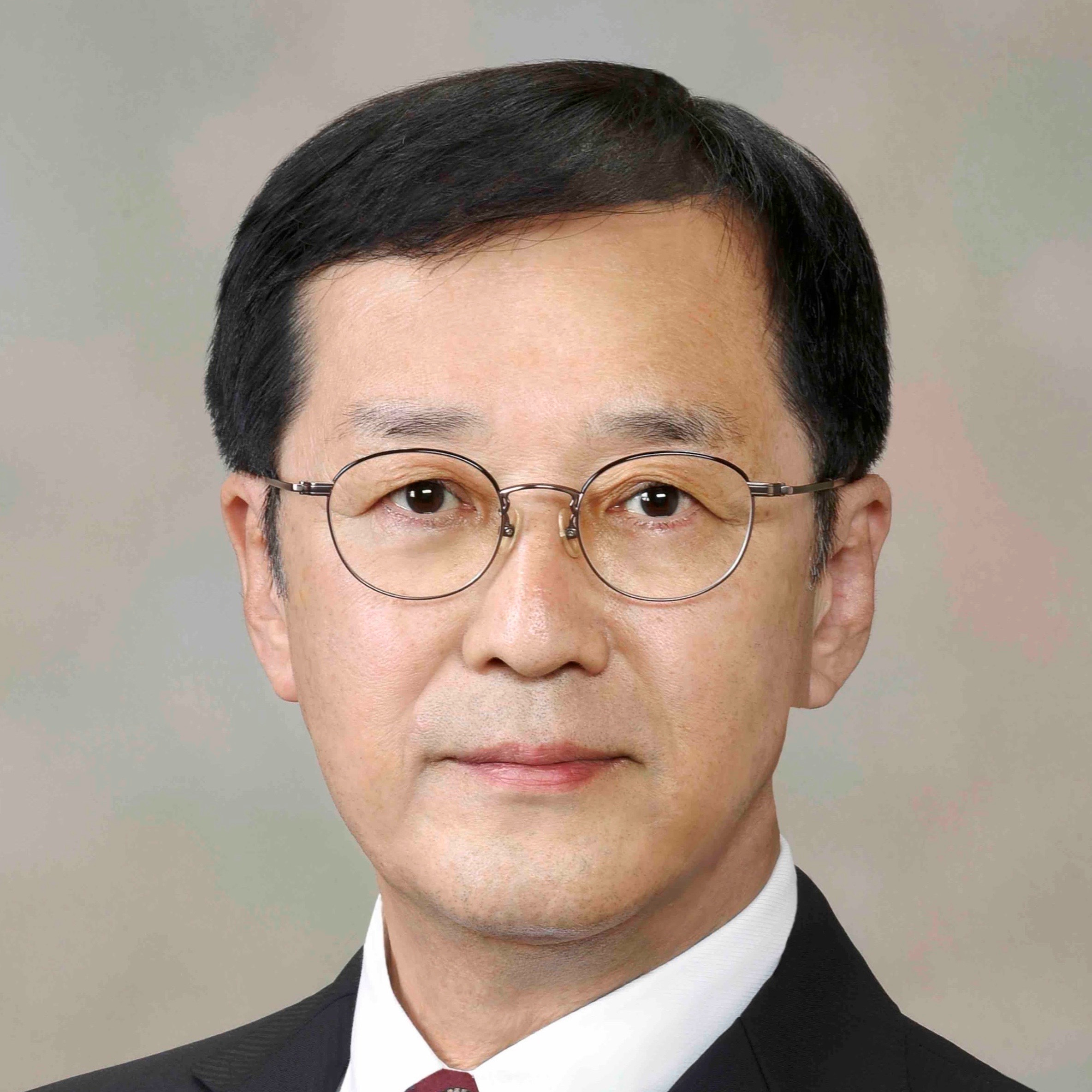
1.Kyoto Industrial Health Association, Japan; 2.Kyoto Prefectural University of Medicine, Japan; 3.Ritsumeikan University, Japan;Prof. Yoshinori Marunaka, M.D, Ph.D., is currently President & Representative Director, Kyoto Industrial Health Association, General Incorporated Foundation, Japan; Professor, Ritsumeikan University, Japan; Professor Emeritus, Kyoto Prefectural University of Medicine, Japan. He received his M.D. (1979) and Ph.D. (1985) from the Kyoto Prefectural University of Medicine, Kyoto, Japan, as well as his National License of Physicians and Surgeons, Japan (1979). He was a professor and chairperson of the departments of Molecular Cell Physiology, Bio-Ionomics, and Respiratory Medicine, the Dean for Student Affairs, and Director of Library at the Kyoto Prefectural University of Medicine. Additionally, he has acted as an associate professor (Principal Investigator and Laboratory Head) at the Hospital for Sick Children Research Institute and Department of Pediatrics, University of Toronto, Canada, and he has also been an assistant professor at Emory University, USA. He was awarded the “Vebleo Nanomedicine Scientist Award” (Sweden), “Marco Polo della Scienza Italiana” (Italy), Premier's Research Excellence Award (Canada), Scholar Award (Medical Research Council of Canada), and Research Award from the National Kidney Foundation (USA). He serves as president of the Physiological Society of Japan; president of the International Society for Proton Dynamics in Cancer, president of the International Society for Cancer Metabolism, and he has been the editor-in-chief, chief editor, advisory board member, or editorial board member of more than 30 international scientific journals. He is interested in molecular mechanisms involved in regulating ion transports and body ionic environments, and he has obtained more than 60 research grants, published 278 peer reviewed articles, and provided more than 30 invited plenary lectures at international research conferences. H-index 50, i10-index 197, Citation 8388. Home Page, https://marunaka-y.com/english/
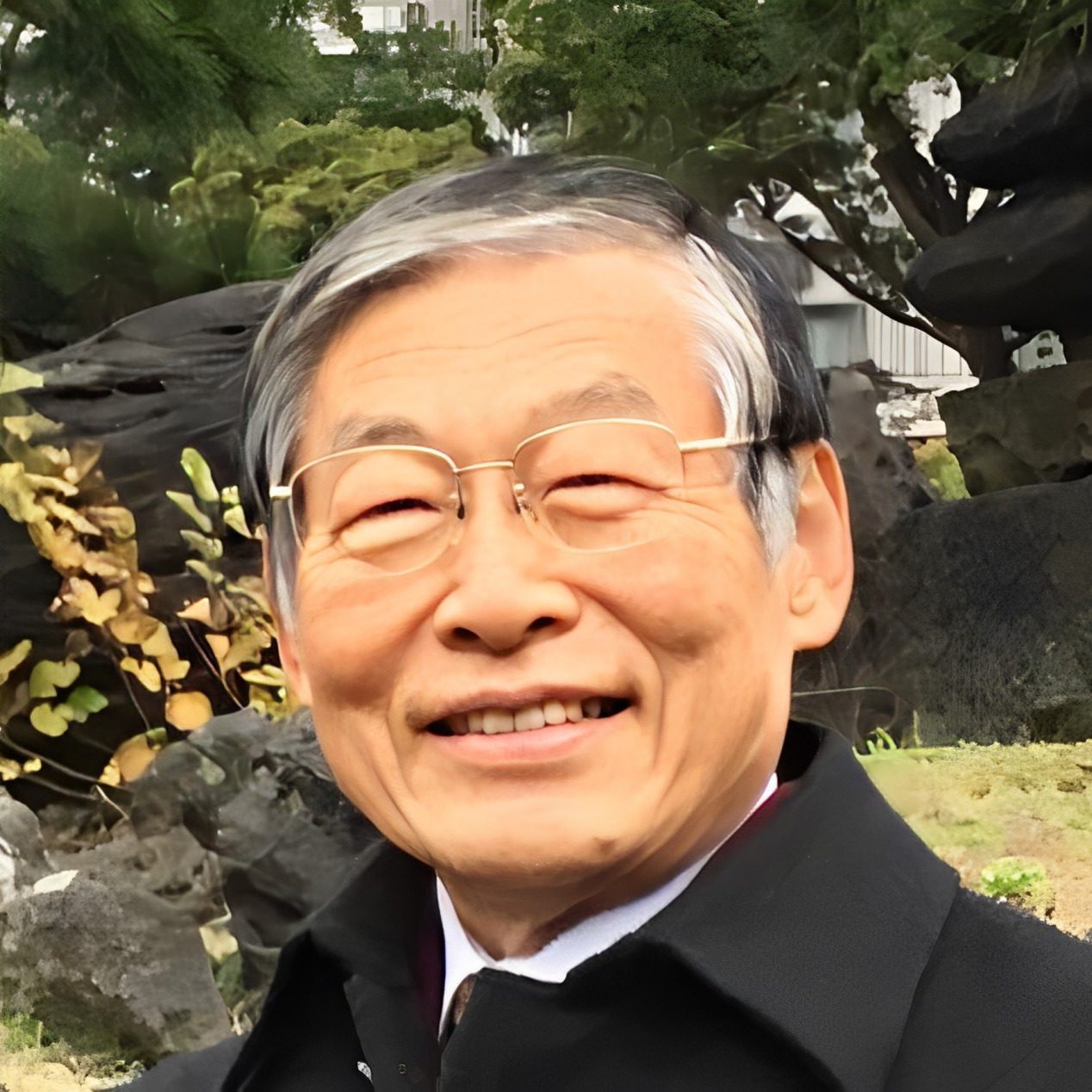
1. Kyoto Prefectural University, Japan 2. Institute of Science Tokyo, Japan;Masayuki Takahashi is a biochemist studying protein/DNA interactions in vitro, with a research focus on understanding RecA- and Rad51-promoted DNA strand exchange reactions in homologous recombination. His current interest is investigating the mechanism of DNA sequence recognition by complementary oligonucleotides, the basics of homologous recombination, CRISPR Cas9, and RNA interference technologies. He was born in Japan but immigrated to France at age 20. He entered Toulouse University and obtained a Ph.D. in biochemistry. He studied the transcription regulation of the cAMP receptor protein (CRP) by analyzing its interaction with DNA, RNA polymerase, and cAMP, and he simulated the regulation in vivo. He received a research position at the French National Research Organization (CNRS) before continuing his studies on transcription regulation of tetracycline resistance and DNA repair systems in a laboratory in Strasbourg. He then moved to the Institut Curie at Orsay and examined the molecular mechanism of RecA and Rad51-promoted DNA strand exchanges by performing kinetic and structural analyses. After moving to Nantes, he developed inhibitors of Rad51 as potential anticancer drugs. He then returned to Japan to work at the Kyoto Prefectural University. He also served as a visiting or invited professor at the Chalmers University of Technology (Sweden), Fukuoka Dental University, Kyushu University, the Cancer Institute of Kanazawa University (Japan), and Yeungnam University (South Korea).
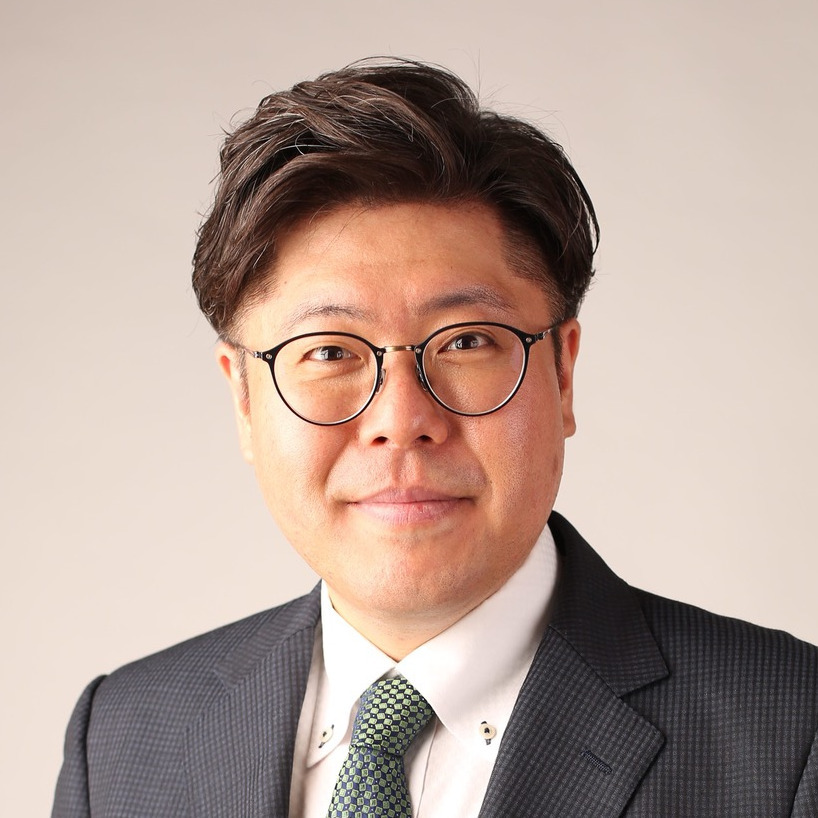
Kyoto Prefectural University, Japan;Yusaku Iwasaki earned a Ph.D. in Food and Nutritional Sciences from the University of Shizuoka in 2008. After serving as a postdoctoral researcher, assistant professor, and lecturer in the Department of Physiology at Jichi Medical University, he has been in his current position since 2018. His current specialization is in autonomic neuro-metabolism, aiming to develop new technologies to prevent and improve lifestyle-related diseases (overeating, obesity, diabetes, and depression) by targeting the vagal afferent nerves. He has received numerous awards, including the Academic Encouragement Award of Japan Society for the Study of Obesity in 2022, the Yas Kuno Memorial Award of the Physiological Society of Japan in 2020, the Invention and Discovery Encouragement Award of the ANDO Foundation in 2019, the Promotion Award for Young Scientists of the Physiological Society of Japan in 2016, and the Young Investigator Award of the Japan Endocrine Society in 2015.
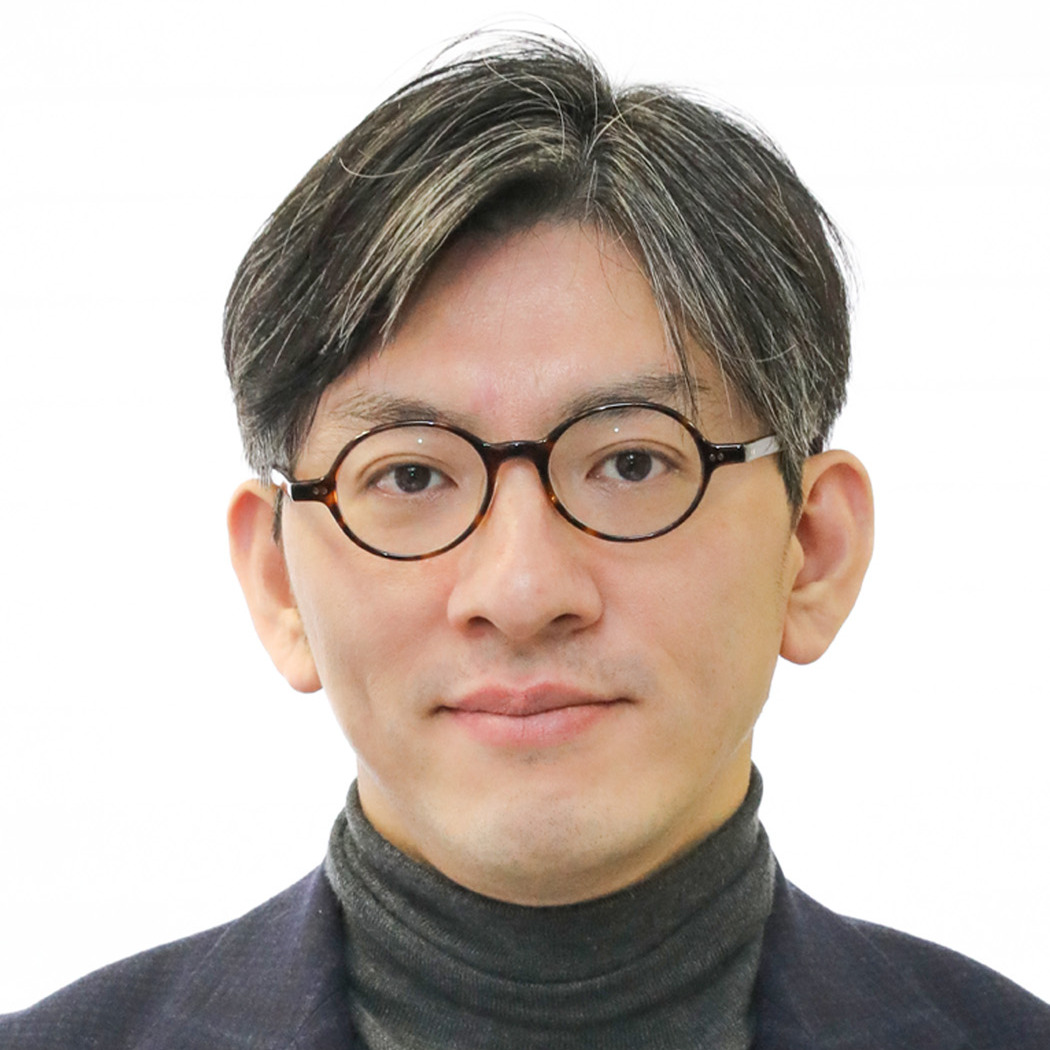
Kyoto Prefectural University of Medicine, Japan;His lab investigates the neural basis of epithelial chemosensations in the peripheral nervous systems and their processing in the central nervous system by employing an array of techniques, including optical imaging, electrophysiological recording, optogenetic manipulation, single-cell transcriptomics, and behavioral assays. He started his research in gustation as a post-doc at the University of Pennsylvania in the Department of Physiology in 2010 before moving to the Kyoto Prefectural University of Medicine in the Department of Molecular Cell Physiology as an assistant professor in 2013 (Professor 2018−present). His previous studies have helped identify key components of peripheral taste transduction. They include the molecular mechanisms of how taste cells lacking synaptic vesicles release neurotransmitters and how sodium taste is processed within taste cells. These findings have helped establish the existence of a novel chemical synapse (dubbed the channel synapse), which provides a new paradigm to understand the mechanisms of epithelium−neuron chemical communication.
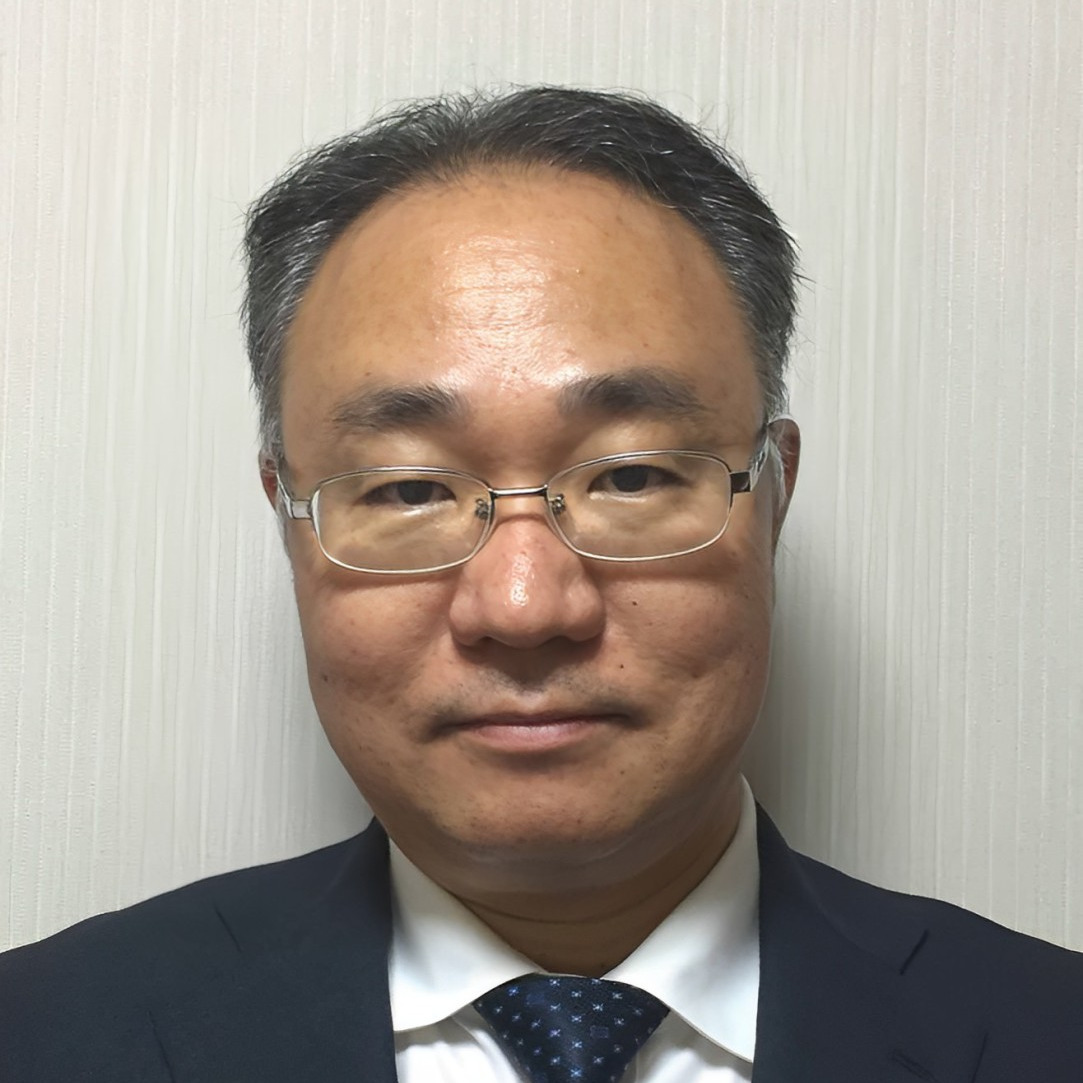
Kyoto Prefectural University of Medicine, Japan;Atsushi Shiozaki, M.D, Ph.D., is Professor, Division of Digestive Surgery, Department of Surgery, Graduate School of Medical Science, Kyoto Prefectural University of Medicine, Kyoto, Japan. He received his M.D. (1997) and Ph.D. (2007) from the Kyoto Prefectural University of Medicine, Kyoto, Japan. His research interests are Cellular Physiology and Surgical Oncology. Especially, he investigated clinicopathological and prognostic significances of various membrane transporters in digestive cancers, roles of ion channels in cancer stem cells, and cytocidal effect of hypotonic shock in cancer cells.

























ISFMS 2025 – Conference Concluded Successfully!
On behalf of the Organizing Committee of the 5th International Symposium on Frontiers in Molecular Science (ISFMS2025), we extend our heartfelt gratitude to all attendees for your valuable contributions and enthusiastic participation. Thanks to your active engagement, insightful presentations, and inspiring discussions, the conference was a resounding success.
Event Certificates:
All registered attendees, including all chairs and speakers, can access the certificates by logging in to your Sciforum account HERE.
Publication Opportunities:
All participants are welcome to contribute a full manuscript to the Special Issue "Selected Papers from the 5th International Symposium on Frontiers in Molecular Science (ISFMS) ", published in International Journal of Molecular Sciences (IJMS, ISSN: 1422-0067, IF: 4.9) with a 20% discount on the publication fee. You are also invited to submit a proceeding paper to Biology and Life Sciences Forum Journal (ISSN: 2673-9976). You may find more detailed information HERE.
We hope you enjoyed the event! Join us again in 2027 for the 6th International Symposium on Frontiers in Molecular Science in Barcelona, Spain.
 Best Oral Presentation Awards
Giarita Ferraro - Metallodrugs Encapsulation Within Ferritin Nanocages
Anastasia A. Pometun - Structure-functional main features of the enzymes, expressed by lactobacilli in response to Klebsiella
Xiakun Chu - Transcription factor clustering shapes chromatin dynamics to regulate enhancer-promoter interactions
Motoki Watanabe - Identification of ANT2 as a Druggable Target for Endocrine-Resistant ERα-Positive Breast Cancer
Daniil R. Bazanov - Targeting p53-MDM2/MDMX Interaction: Advances in Nutlin Development and Therapeutic Applications
Ryusuke Yoshida - The roles of chemical synapses in mouse taste bud cells
Best Poster Awards
Wanda Destiarani - Computational Insights into the pH-Dependent Behavior of Ipilimumab-CTLA-4: A Switchable Antibody
Luciranon Sribrahma - Engineered-Enzyme Biomass Fuel Cells: Enhancing Bio-electrochemical Efficiency for Sustainable Energy
Shani Stern - Dysregulation of Multiple Solute Carrier genes and Metabolic Deficits in SLC1A4-Mutant Human iPSC-Derived Hippocampal Neurons
Pipin Agnesia - EPA and DHA from Decapterus macarellus Suppresses Colorectal Cancer Cell Proliferation and Apoptosis via TP53 and NF-кB Pathway Modulation
Hung Huey-Shan - Characterization and Therapeutic Potential of Au-Col-Allicin Nanocomposite in DBTRG Glioblastoma Cells
Yu-Chun Wang - Illuminating Vitamin D's Regulatory Influence on Chloride Ion Dynamics in Zebrafish
Each Best Oral Presentation Award and Best Poster Award winner will be entitled to one publication in the IJMS journal, with the Article Processing Charges (APC) of 2,900CHF waived.
Organizer's Choice Awards
Rosanna Lucignano - New nanomaterials based on bioactive peptides: structural studies and molecular dynamics
Harshika Mahaveerchand - Structure-Guided Analysis and Functional Characterization of a Plant-Derived Coagulant Protein for Synthetic Dye Bioremediation
Yuji Kanazawa - Effect of Skeletal Muscle Stretching on Factors Affecting Collagen Cross-linking
Maggie Ming-Ki LEUNG - Targeting TRPM7 with Carvacrol to Alleviate Neuroinflammation in Alzheimer’s Disease: Mechanistic and Therapeutic Insights
Deisy Yurley Rodriguez-Sarmiento - Exploring the Signaling Mechanisms of Kisspeptin Receptor: A Structure-Activity Approach for Designing Safer Therapeutics.
Hwa-Yeong Kim - Deubiquitinating enzymes associated with paclitaxel response in lung cancer cells
YUN-RU WU - Probiotic Lactobacillus rhamnosus GG Attenuates PM2.5-induced Respiratory Inflammation and Modulates Cytokine Responses
Each Organizer's Choice Award winner will receive a souvenir and a certification.
Posters should be set up during lunch break and before 14:00 and must be removed after finger food party on the same day.
Posters should be set up from 8:30 to 9:15 and must be removed by 15:50 on the same day.

Hear From Our Valued Sponsors and Media Partners:
"Asia Research News is delighted to be a media partner with MDPI for the 5th International Symposium on Frontiers in Molecular Science (ISFMS 2025). Our mission is to promote international research news, elevate scientific voices from Asia and spread the knowledge globally, and we look forward to the research that will be presented at ISFMS 2025."
— Vivien Chiam, Partnerships Manager (Asia Research News)
Ms. Katrina Zhang
Mr. Benjamin Tay
Ms. Jessie Li
Mr. Kenta Takeuchi
Dr. Izumi Yamamoto
Dr. Napaporn Chintagavongse
isfms@mdpi.com