
the chair
21ST JCM Webinar
Alzheimer’s Disease and Related Disorders: Recent Advances in Prevention, Diagnosis and Therapy
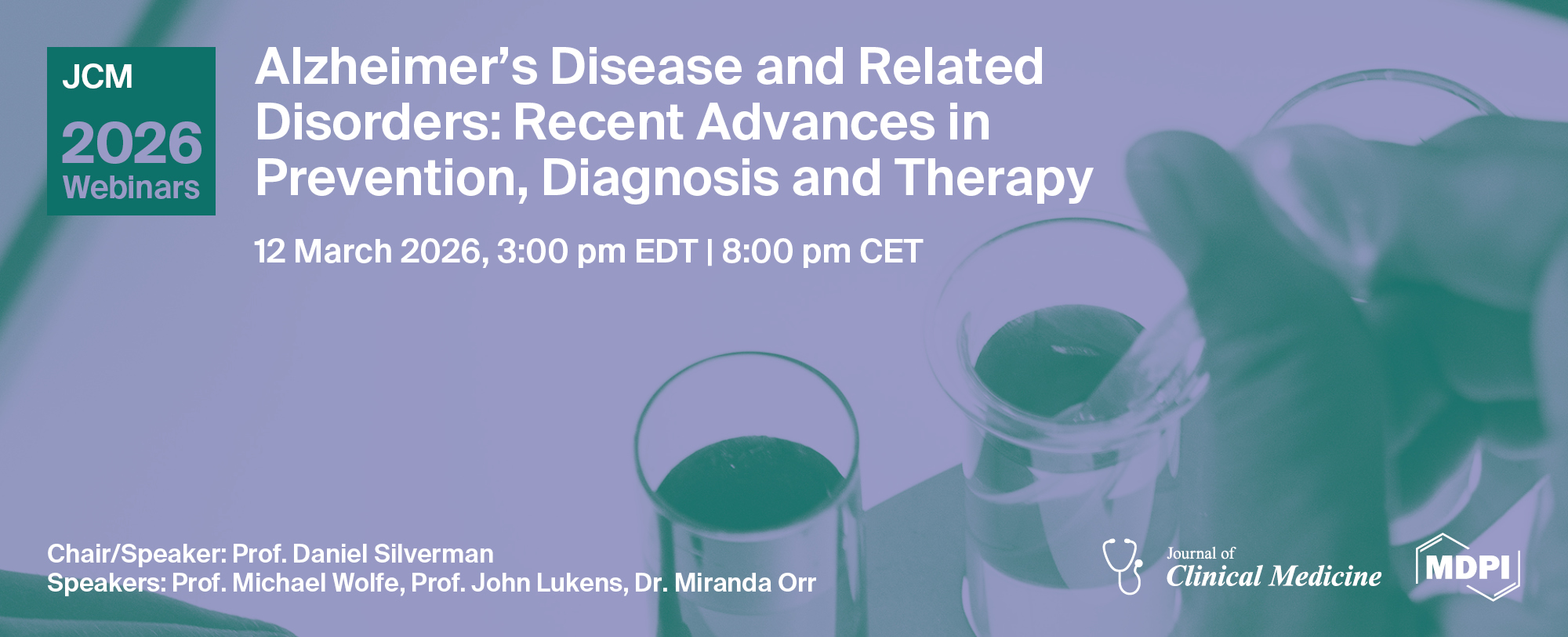
This webinar explores the biomedical cutting edge in neurodegeneration and dementia. It focuses on advances in critical clinical, social, and financial areas. The first two relate to the devastation that can come from the loss of those faculties that most define and connect us as humans, and the last relates to both microeconomic (affecting individuals and their families) and macroeconomic (costs to healthcare systems and state and national governments) challenges. These topics are relevant to a wide variety of professionals working in this field. The discussion will begin with a broad overview of our current understanding and provide a careful examination of how well that understanding is supported (or not) by the current evidence. We will then present basic and translational scientific advances that challenge widely held (though inadequately evidenced) views, and then conclude with a look at the near future of new and promising therapeutic approaches.
Date: 12 March 2026
Time: 12:00 pm PDT | 2:00 pm CDT | 3:00 pm EDT | 8:00 pm CET
Webinar ID: 819 6355 0694
Webinar Secretariat: journal.webinar@mdpi.com
Meet Our Chair
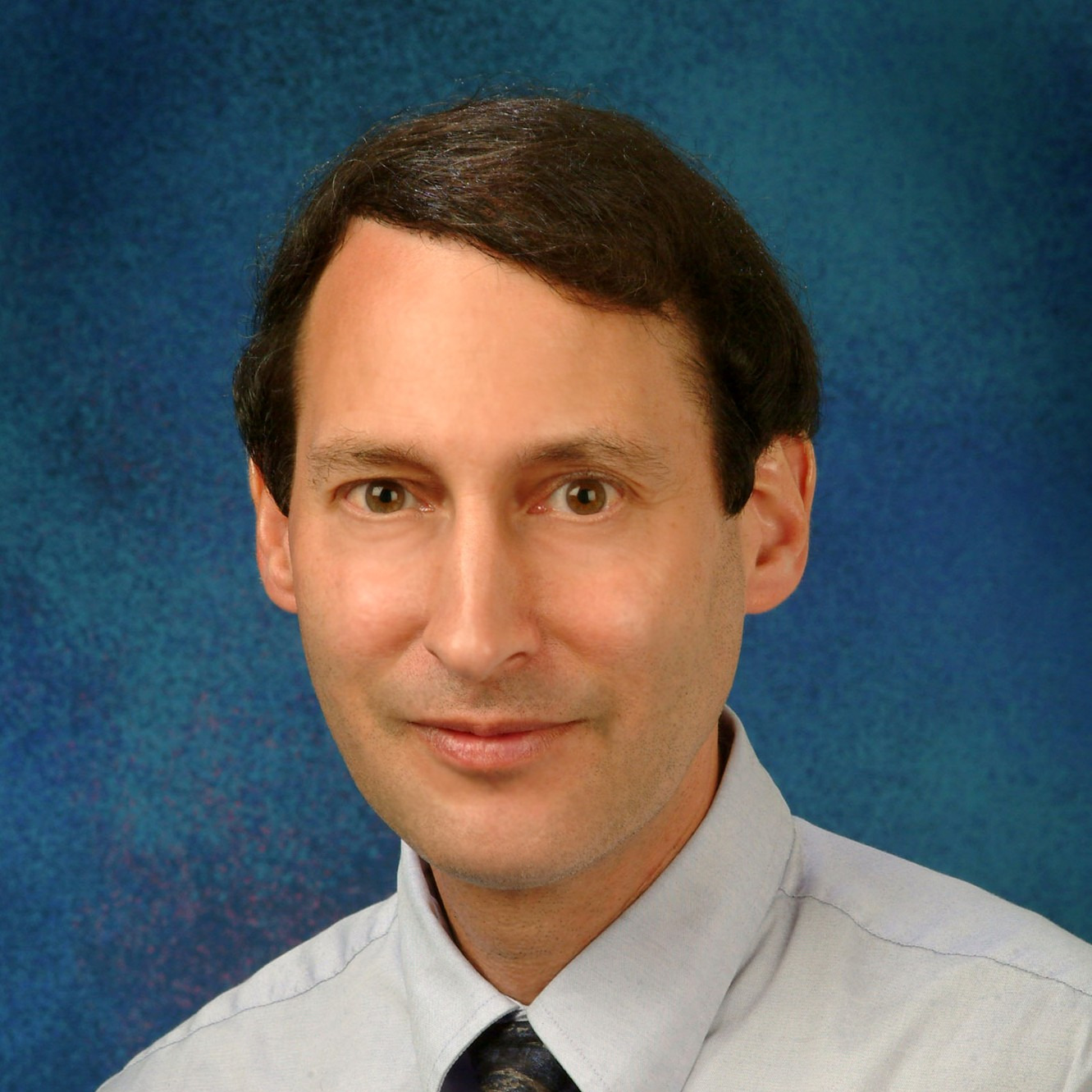
David Geffen School of Medicine, University of California, Los Angeles, USA;Daniel H. Silverman, M.D., Ph.D., is Head of the Neuronuclear Imaging Section at UCLA Medical Center, on the Executive Committee of the UCLA Alzheimer's Disease Center, Director of the UCLA NeuroPET Clinics and Brain Wellness consultation services, and Professor at the University of California, Los Angeles. He obtained his Ph.D. in Biological Chemistry at Harvard University and postdoctoral research training in Biochemistry and Molecular Pharmacology at Harvard Medical School. He obtained his M.D. from The Ohio State University College of Medicine, subsequently completed post-M.D. training at UCLA, and then obtained certification from both the American Board of Internal Medicine and the American Board of Nuclear Medicine. Dr. Silverman serves as principal investigator overseeing neuronuclear imaging aspects of several controlled clinical trials of radiopharmaceuticals or other drugs aimed at preserving or restoring cerebral and central motor function, and as a founder of the International Cancer and Cognition Task Force Neuroimaging Working Group, as well as of a NeuroPET Consultation service that provides interpretive assistance to radiologists and Nuclear Medicine physicians across the U.S. He also is the Editor of PET in the Evaluation of Alzheimer's Disease and Related Disorders, (Springer, New York), the first published textbook devoted exclusively to the role of positron emission tomography in assessment of neurodegenerative disorders, and co-inventor of algorithms for quantitative and statistical analyses of regional brain PET data that serve as the basis for what became the first FDA-cleared imaging software dedicated to that purpose, which is distributed as NeuroQ™ to medical imaging facilities throughout the world.
Meet Our Speakers

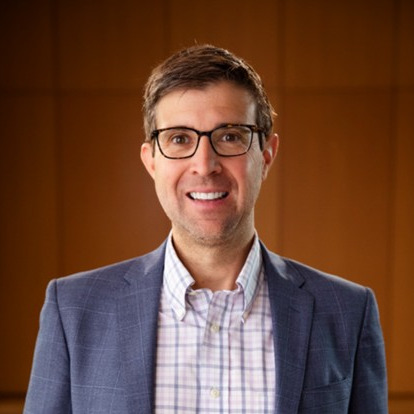
Department of Medicinal Chemistry, University of Kansas, USA;Michael S. Wolfe received his B.S. in chemistry in 1984 from the Philadelphia College of Pharmacy and Science and Ph.D. in medicinal chemistry in 1990 under Ron Borchardt from the University of Kansas (KU). After postdoctoral stints at KU (medicinal chemistry) and NIH (cell biology), he joined the faculty of the University of Tennessee in Memphis in 1994. In 1999, he moved to Harvard Medical School and Brigham and Women’s Hospital, where his work focused on understanding the molecular basis of Alzheimer’s and related disorders and identifying effective approaches for pharmacological intervention, becoming Professor of Neurology in 2008. He joined the KU faculty in October of 2016 as the Mathias P. Mertes Professor of Medicinal Chemistry. Awards for his work include the Sato Memorial International Award in bioorganic and medicinal chemistry from the Pharmaceutical Society of Japan (2003), the MetLife Award for Biomedical Research (2008), a Zenith Fellows Award from the Alzheimer’s Association (2008), and the Potamkin Prize from the American Academy of Neurology (2009).
Center for Brain Immunology and Glia, University of Virginia, USA;John received his PhD from the University of Virginia in 2008 for his work describing roles for PD-1 and functional T cell exhaustion in persistent liver infection. For his postdoctoral training, John worked in the laboratory of Dr. Thirumala-Devi Kanneganti at St. Jude Children’s Research Hospital, where he identified molecular pathways involved in innate cytokine production. In Fall 2014, John returned to UVA to launch his lab in the Department of Neuroscience and the Center for Brain Immunology and Glia (BIG). His group is focused on understanding how innate immune signaling contributes to neurodegenerative, demyelinating, and neurodevelopmental disorders. They are particularly interested in defining the roles that inflammasomes, immune-based DNA damage sensors, ITAM/ITIM receptor signaling, and the meningeal lymphatics play in the pathogenesis of Alzheimer’s disease, multiple sclerosis, traumatic brain injury, and autism.
Dr. Miranda E. Orr
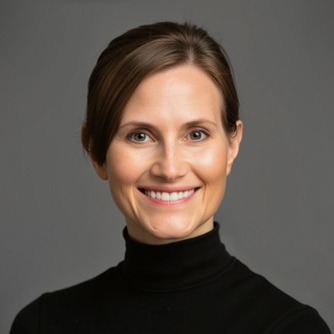
Washington University School of Medicine, Washington University in St. Louis, USA;Research Health Scientist, U.S. Department of Veteran Affairs, USA;Dr. Miranda E. Orr is an Associate Professor of Neurology and Co-Director of the Tracy Family SILQ Center at Washington University School of Medicine in St. Louis. She earned her Ph.D. in Neuroscience from Montana State University (MSU) and completed postdoctoral training in the Biology of Aging and Translational Geroscience at the Barshop Institute, UT Health San Antonio. Dr. Orr is internationally recognized for pioneering work that first identified the role of senescent cells in neurodegenerative tauopathies, including Alzheimer’s disease—an advance that helped launch a new field of study. As a translational neuroscientist, Dr. Orr leads research bridging the biology of aging with clinical applications, including early-phase trials testing geroscience-based therapeutics in older adults with Alzheimer’s disease. In addition to publishing high-impact findings in top-tier journals, her work has been featured in mainstream science outlets, including multiple appearances in National Geographic. She received the 2022 Melvin R. Goodes Prize for Excellence in Alzheimer’s Drug Development from the Alzheimer’s Drug Discovery Foundation and the Chancellor’s Excellence Award for Outstanding Alumni Achievement from MSU. Dr. Orr is also a recognized innovator in spatial biology and serves as Director of the first-ever Bruker Spatial Biology Center of Excellence


This program examines the current status of—as well as explores expected imminent advances in—dementia-related biomedical sciences and corresponding clinical developments. The topics covered are pertinent to a wide variety of professionals, including primary care physicians, neurologists, psychiatrists, geriatricians, neuropsychologists and neuroscientists. Recent basic and translational scientific advances are covered, as well as the state of the art of their applications to prevention, diagnosis, prognosis and treatment of patients experiencing cognitive decline.
The webinar was hosted via Zoom and required registration to attend. The full recording can be found below. In order to learn about future webinars, you can sign up to our newsletter by clicking “Subscribe" at the top of the page.