
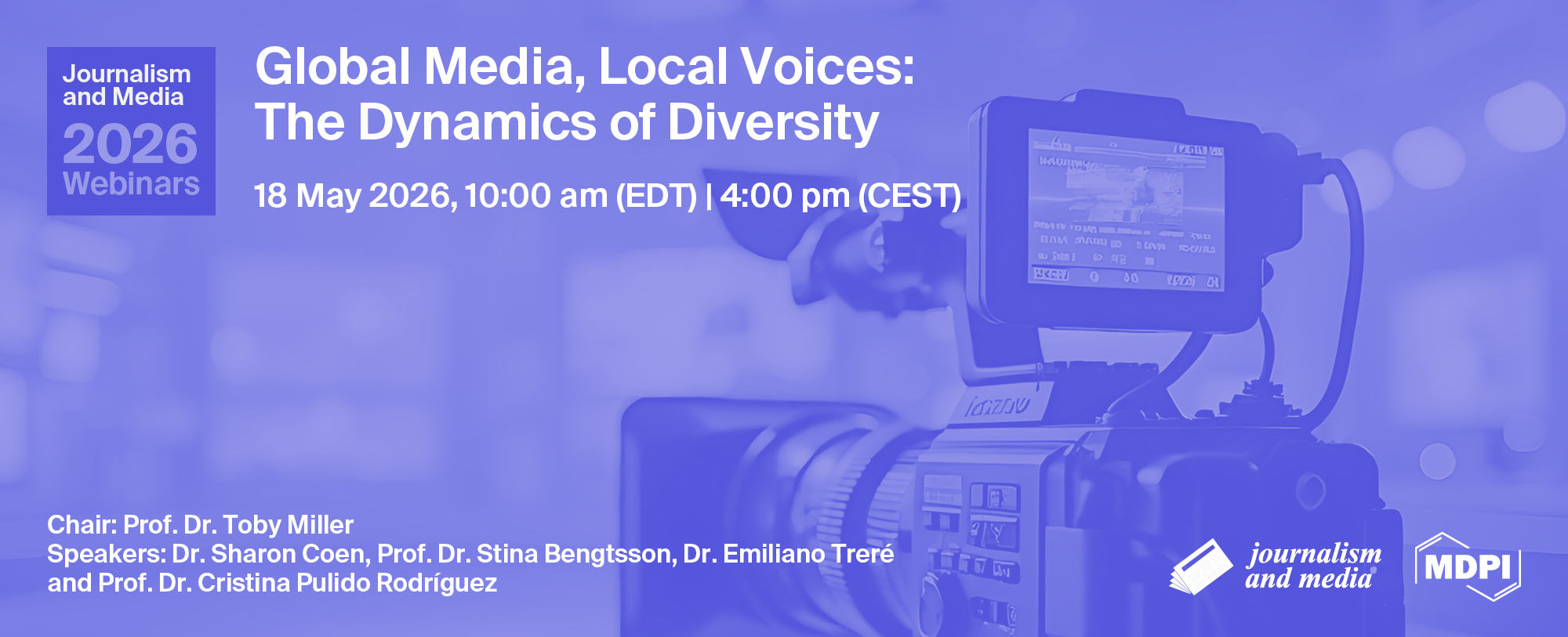
Journalism and Media Webinar | Global Media, Local Voices: The Dynamics of Diversity
the chair
1st Journalism and Media Webinar
Global Media, Local Voices: The Dynamics of Diversity
On the one hand, there is no substitute for the formal and informal interactions that occur when folks are physically together; on the other, this virtual interaction permits a connection for people living at great distances from one another, geographically and financially.
We are often told today that a golden age of journalism once existed but has now gone, dispatched to history by the winds of technology and the political economy. It’s not a golden age for graduates from journalism programs in the Global North who expect to work for a thing called a newspaper for the next thirty years.
But two hundred years ago, 12% of the world’s population was literate; forty-five years ago, this figure was 68%—today, it’s 86%. More people are able to read and write than ever before, in their own languages and others. And when they can do so, they read and write about current affairs: weather, fashion, geopolitics, sports, the environment, religion, housing prices, and so on. So, this is the golden age of reading and writing about the world.
The problem we face is that media outlets in wealthy countries are increasingly owned by far-right oligarchs rather than centrist liberals and that investigative journalism has lost its 70s fetish, and journalists are increasingly subject to intimidation and massacres. Statistically, the image of the Global North reporter shot in a war zone is a minor part of that problem. In the recent past Gaza, and Colombia and Mexico in decades prior, is where reporters have been routinely killed.
A challenge for researchers and journalists is how to bridge the gap between the better aspects of the putative golden age and the realities of today and to do so from a perspective that is not rooted in Anglo conventions, anxieties, and shibboleths.
Date: 18 May 2026
Time: 4:00 pm CEST | 10:00 am EDT
Webinar ID: 834 6873 1794
Webinar Secretariat: journal.webinar@mdpi.com
Meet Our Chair
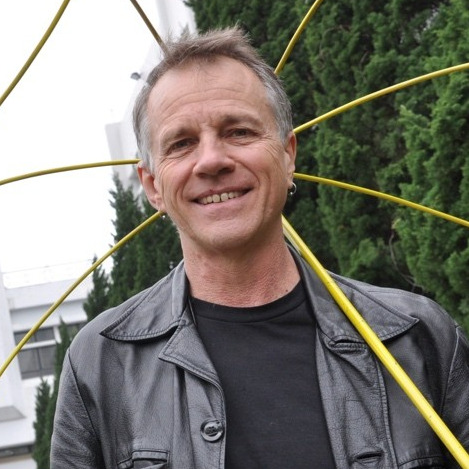
Instituto Tecnológico de Monterrey;Toby Miller is distinguished professor at the Instituto Tecnológico de Monterrey. He was previously a professor at the University of California, Riverside, and New York University. As the author and editor of over fifty books, his work has been translated into Spanish, Chinese, Portuguese, Japanese, Turkish, German, Italian, Farsi, French, Urdu, and Swedish. His most recent volumes are Global Sports Go Green—Or Do They? (2026), Why Journalism? A Polemic (2024), A COVID Charter, a Better World (2021), Violence (2021), The Persistence of Violence: Colombian Popular Culture (2020), How Green is Your Smartphone? (2020), El trabajo cultural (2018), Greenwashing Culture (2018), and Greenwashing Sport (2018). Formerly an editor for the Journal of Sport & Social Issues, Social Text, and Television & New Media and co-editor of Social Identities: Journal of Race, Nation and Culture, he currently edits Open Cultural Studies and is the co-editor of Society.
Meet Our Speakers
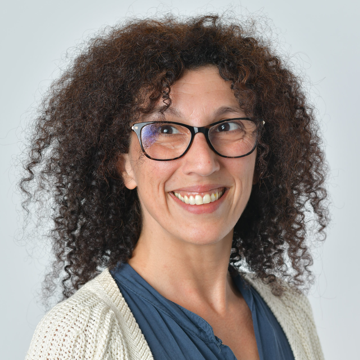
School of Health and Society, Media Psychology Team, The University of Salford, UK;Dr. Sharon Coen is a social and media psychologist based at the University of Salford. She holds a Laurea degree in Work and Organizational Psychology from the Università degli Studi di Padova and a PhD in Social Psychology from the University of Sussex. Since 2012, she has worked at Salford, where she leads the MSc in Media Psychology and Applied Communications and previously co‑developed the UK’s only MSc in Media Psychology. Her research examines media, journalism, and digital communication from a psychological perspective, with a focus on diversity, political engagement, citizenship, and democratic participation. She is particularly interested in how media representations and communication practices can foster empowerment or, conversely, reinforce disengagement and learned helplessness. Her current work also explores the role of media psychology in addressing the climate emergency and promoting collective action.
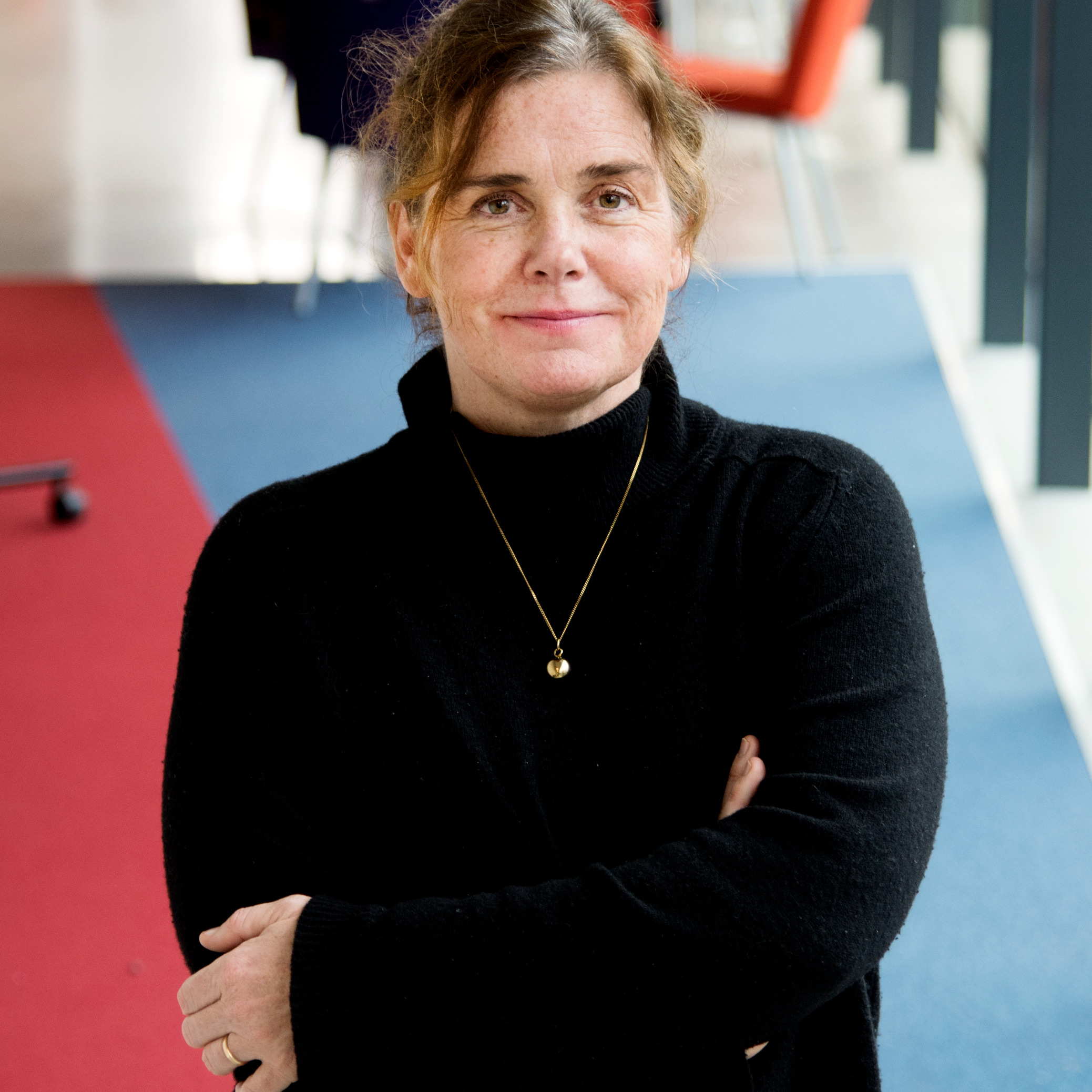
1. Media and Communication Studies, Södertörn University, Stockholm, Sweden 2. The Centre for Research in Applied Communication, Culture, and New Technologies (CICANT), Lusófona University, Portugal;Stina Bengtsson is a professor of Media and Communication at Södertörn University, Sweden. She explores how people coexist with media from phenomenological, material, spatial, and ethical perspectives and approaches media practices and experiences from a micro-perspective, aiming at understanding how media, as situated practices, technologies, and texts, play a fundamental role in everyday life and the construction of a ‘good life’. Recently, she conducted research on the transformation of news and information practices in young adults’ everyday life. Bengtsson’s latest publications include the co-authored book Navigating the News: Young People, Digital Culture and Everyday Life (2024); the co-edited volume Classics in Media Theory (2024); and the co-authored Digital Media and the Dynamics of Civil Society: Retooling Citizenship in New EU Democracies (2021). She has also published widely in journals such as Media, Culture and Society, Journalism, Social Media + Society, Digital Journalism, and Communication Theory.[E
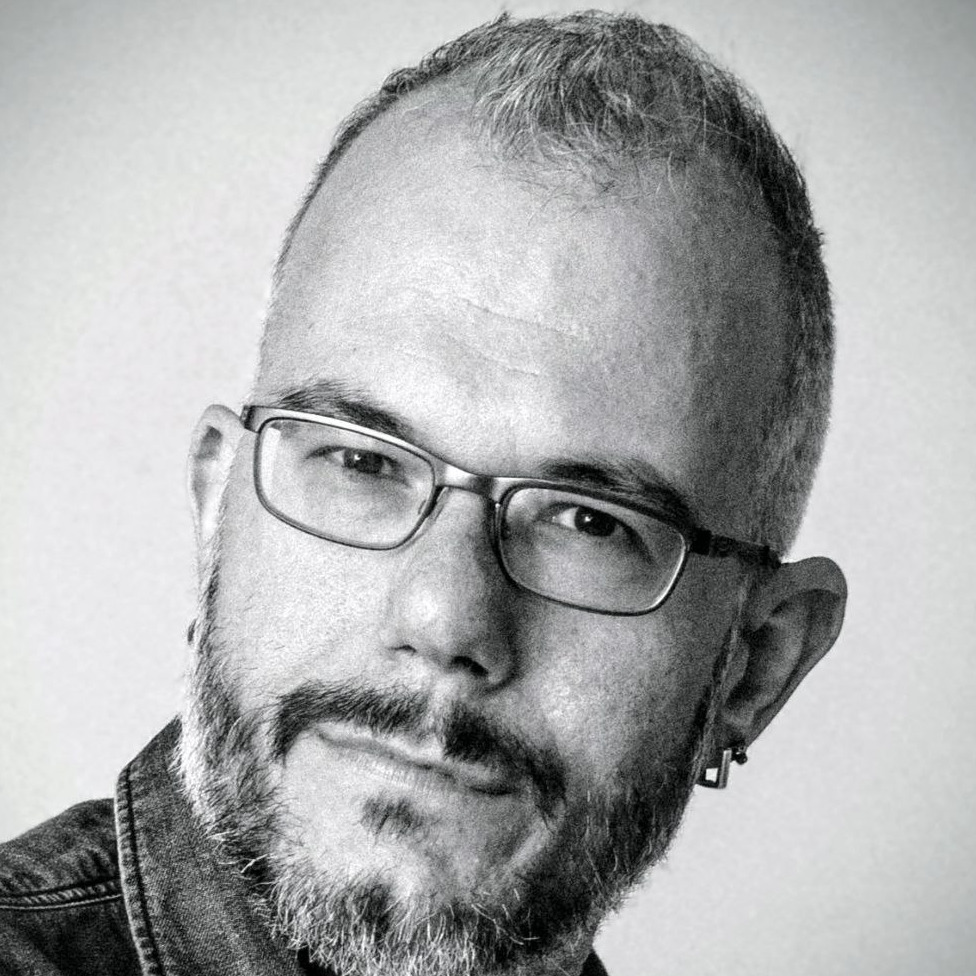
Dr. Emiliano Treré
1. ATRAE Distinguished Researcher, University of Santiago de Compostela, Spain 2. Data Agency and Media Ecologies, Cardiff University, UK;Dr. Emiliano Treré is a distinguished ATRAE researcher at the University of Santiago de Compostela (USC), Spain, where he leads the DataECO project, funded by the ATRAE program of the Spanish Ministry of Science and Innovation and the State Research Agency. At USC, he leads the ADS Research Team (Algorithmic Cultures, Data Ecologies and Synthetic Media) within the Novos Medios research group and is affiliated with the Institute for the Study and Development of Galicia (IDEGA). He is also a reader in the Data Agency and Media Ecologies group at Cardiff University, the co-director of the Data Justice Lab, and a co-founder of the Big Data from the South Initiative. His work focuses on digital activism, social movements, and critical data studies, with a particular focus on Latin America and the Global South. He is the author of several award-winning publications including his latest book (with T. Bonini) Algorithms of Resistance (MIT Press, 2024).
Department of Journalism and Communication Sciences, Autonomous University of Barcelona, Spain;Cristina Pulido is an Associate Professor in the Department of Journalism and Communication Sciences at the Universitat Autònoma de Barcelona (UAB), where her research advances the role of journalism as a driver of social transformation. Her work focuses on how the integration of scientific evidence of social impact and inclusive voices can reshape media narratives and contribute to the prevention of gender-based and digital violence. She is a member of the Gabinete de Comunicación y Educación research group and the UNESCO Chair on Media and Information Literacy for Quality Journalism. She currently leads the SafeNarratives research project, which develops evidence-based approaches to transform journalism practices, strengthen dialog in the public sphere, and promote media environments that are more inclusive, equitable, and free from violence.
In this section, you will find the recordings of this webinar to watch, re-watch and share with your colleagues!
Our 4 professors gave us extraordinary insights: from Dr Cohen, psychological approaches to diversity; from Dr Bengtsson, understanding reception of news and space phenomenologically; from Dr Treré, that a politics of inevitability cradles cybertarianism; and from Dr Pulido Rodríguez, how gender violence occurs online—and can be contested.
Global Media, Local Voices: The Dynamics of Diversity
Edited by: Prof. Dr. Toby Miller
Abstract Submission Deadline: 31 July 2026