2nd MMCS - Facing Novel Challenges in Drug Discovery
The MMCS2019 has been a success!
We would like to thank our chairs, speakers, sponsors, and all the attendees for making this a great symposium.
As a summary of these three amazing days, we have prepared a collection of tweets and pictures.
See you at the next edition!
the chairs
Dear Colleagues,
It is with great pleasure that I announce the "2nd Molecules Medicinal Chemistry Symposium - Facing Novel Challenges in Drug Discovery" (MMCS2019) to be held in Barcelona, Spain, 15–17 May 2019.
The conference is organized by MDPI, the publisher of the open-access journal Molecules and follows the very successful one-day meeting,"1st Molecules Medicinal Chemistry Symposium - Emerging Drug Discovery Approaches against Infectious Diseases" (MMCS2017), held in September 2017 at the School of Pharmacy and Food Sciences of the University of Barcelona, Spain, which turned out to be a very fruitful forum for discussion on the specific topic of anti-infective drug discovery, in an excellent atmosphere created by the more than 70 attendees from 20 countries.
Encouraged by the great success of the initial small-format monographic MMCS2017, the three-day MMCS2019 will grow naturally by addressing a larger audience and essentially all topics of medicinal chemistry. The MMCS2019 will be organized into a number of thematic sessions on medicinal chemistry of particularly challenging diseases, novel and revisited drug discovery approaches, and medicinal chemistry stories about recently implemented projects in any area not covered in the other sessions, from target and hit identification to hit-to-lead optimization, tuning of physicochemical and pharmacokinetic properties, preclinical and clinical development, etc.
Two prominent and inspiring keynote speakers per session will share the program with a number of selected oral communications, especially by young researchers. The program will be complemented by poster presentations, and social events on the second day of the conference.
I look forward to seeing you in Barcelona.
Prof. Diego Muñoz-Torrero
Editor-in-Chief of the Medicinal Chemistry Section of Molecules
MMCS2019 Chair
 Follow the conversation on Twitter with #MMCS2019
Download the conference poster here.
| Sponsored By |  |
Conference Secretariat
Dr. Lucia Russo
Dr. Sara Martínez
Ms. Judith Wu
Email : mmcs2019@mdpi.com
Tel. +34 93 639 7662
Sponsoring Opportunities
For information regarding sponsorship and exhibition opportunities, please contact us.
Meet Our Chairs
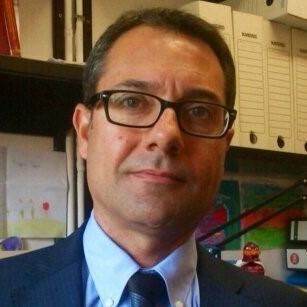
Faculty of Pharmacy and Food Sciences, and Institute of Biomedicine (IBUB), University of Barcelona, Spain. <a href="http://www.ub.edu/farmaco/es/farmaceutica/recerca/multitarget_antialzheimer_and_chemotherapeutic_compounds/3/">Website</a>;Prof. Diego Muñoz-Torrero is Associate Professor of Organic and Medicinal Chemistry at the Faculty of Pharmacy and Food Sciences, University of Barcelona (UB). He is Head of the Laboratory of Pharmaceutical Chemistry and belongs to the Governing Board of the Institute of Biomedicine (IBUB). He belongs to the editorial advisory board of several medicinal chemistry journals and serves as the Editor-in-Chief of the Medicinal Chemistry Section of the MDPI journal Molecules.
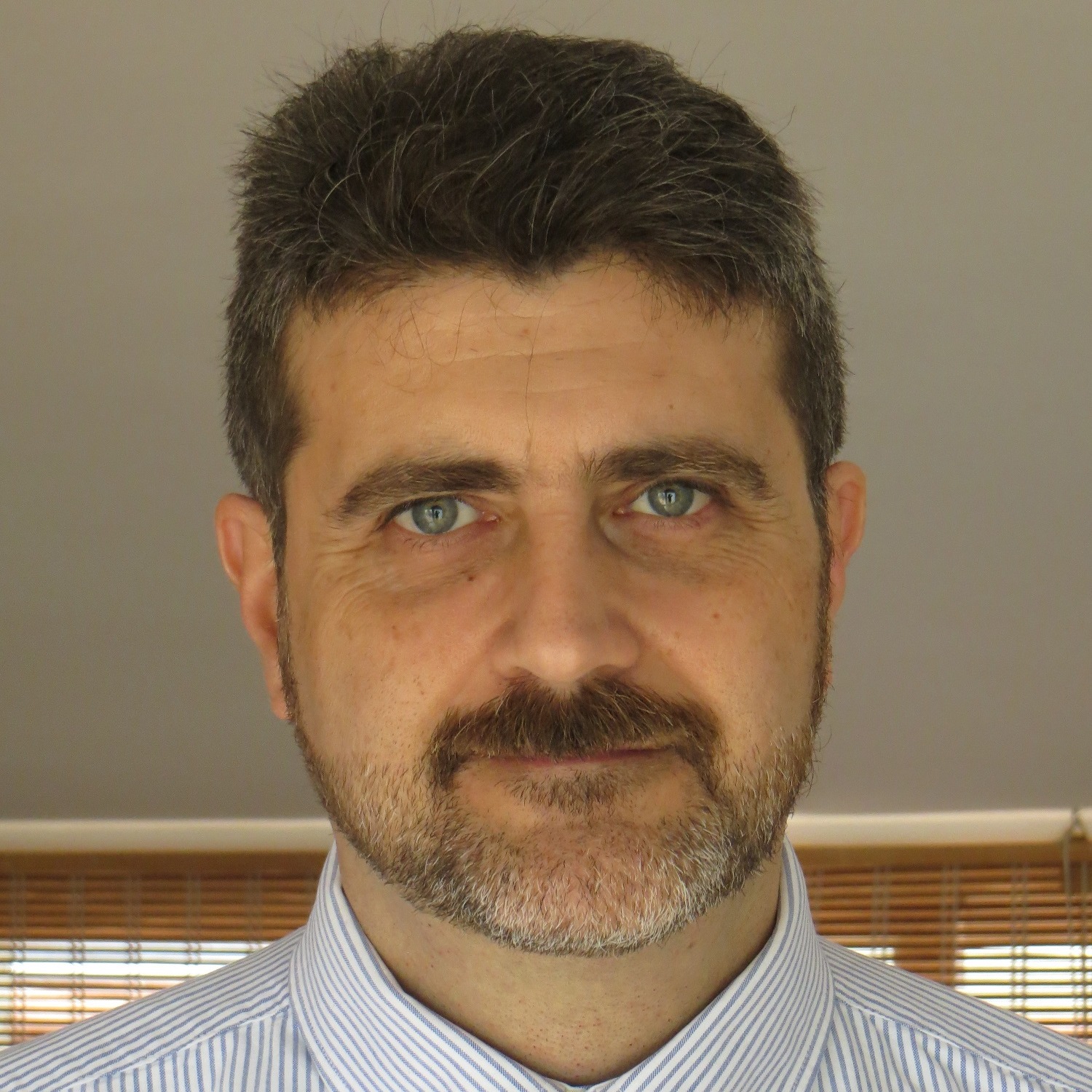
Departament of Nutrition, Food Sciences and Gastronomy, Campus Torribera , University of Barcelona, Spain. <a href="http://www.ub.edu/cbdd">Website</a>;F. Javier Luque is a Professor from the University of Barcelona (UB) and member of the Institute of Biomedicine (IBUB) and Institute of Theoretical and Computational Chemistry (IQTC). He has a broad expertise in the analysis of structure and function of biological macromolecules and the study of biomolecular interactions using various computational and bioinformatical methods. He is a member of the Computational Biology and Drug Design research group.
Important Dates
17 Feb
2019
1 Mar
2019
8 Mar
2019
12 Apr
2019
6 May
2019
Meet Our Speakers
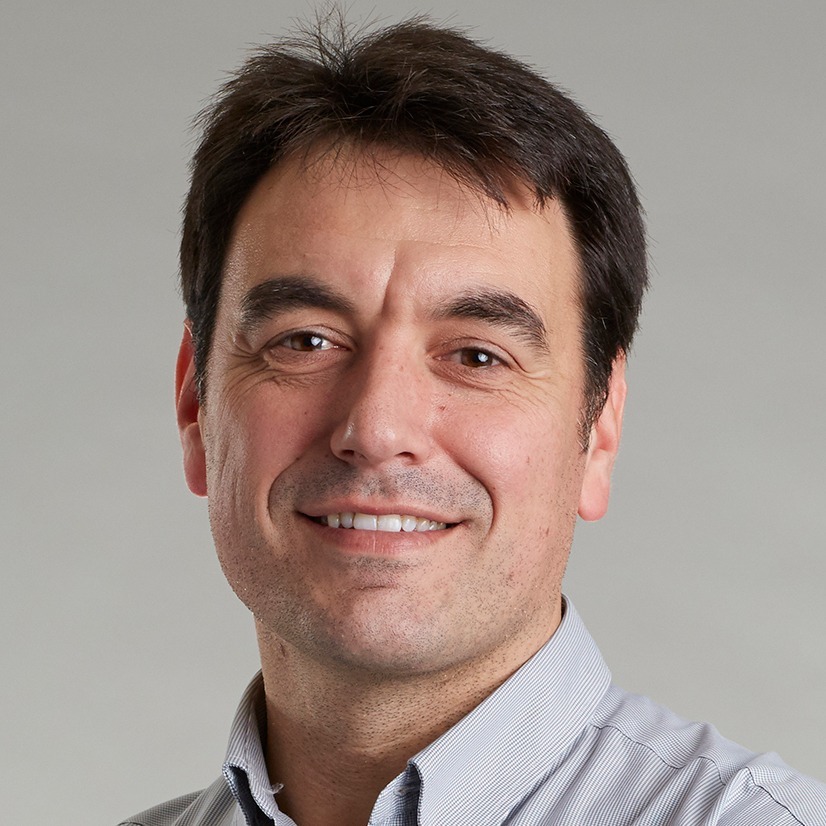
ICREA , IBUB and Faculty of Pharmacy, University of Barcelona, Spain. http://www.ub.edu/bl/;Prof. Barril’s research focuses on the discovery of bioactive molecules exploiting unusual mechanisms of action through a combined use of computational and experimental techniques. He is a well-known expert in the field of structure-based drug discovery, with more than 70 scientific publications. He has a strong focus on applied research: 8 patents, scientist at Vernalis (2002-2005), co-founder of Minoryx Therapeutics (2011-2017), CSO at Gain Therapeutics (2018-).
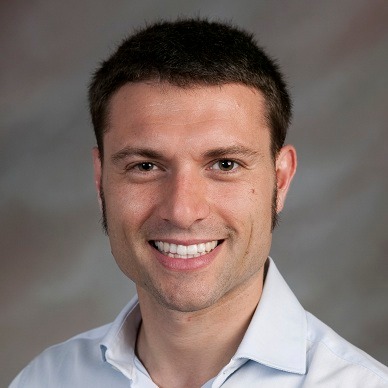
Division of Biological Chemistry and Drug Discovery, School of Life Sciences, University of Dundee, UK. http://www.lifesci.dundee.ac.uk/groups/alessio-ciulli;Alessio Ciulli holds the Personal Chair of Chemical and Structural Biology at the University of Dundee. His research interests are on the development of small molecules targeting protein-protein interactions (PPIs) and inducing protein degradation. His group has made significant contributions to selective chemical intervention on important PPI targets. Initially in collaboration with the Crews Lab, they pioneered the structure-guided design of drug-like ligands for the von Hippel-Lindau E3 ligase. More recently, Alessio’s Lab has illuminated important structural and mechanistic insights into the molecular recognition and mode of action of PROTAC degrader molecules. Alessio obtained his PhD in Chemical Biology (University of Cambridge, 2006) studying weak protein-ligand interactions. Following post-doctoral research on fragment-based drug design, and an HFSP visiting Fellowship at Yale University, he returned to Cambridge in 2010. In 2013 Alessio moved his laboratory to Dundee and was promoted to Professor in October 2016.
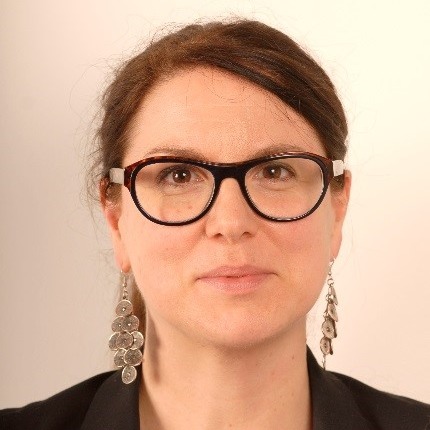
Institut Pasteur de Lille – INSERM, University of Lille, France. https://www.deprezlab.fr/;Pr. R. Deprez-Poulain, PhD, PharmD, is Full Professor of Medicinal Chemistry and Drug Discovery at the School of Pharmacy in Lille. She did her PhD under the supervision of Pr Tartar (1996-1999) on combinatorial chemistry. Her expertise is in inhibition of metalloproteases, hydroxamates and kinetic-target guided synthesis (KTGS). She disclosed the first inhibitors of PfAM1, the first inhibitors of IDE tested in vivo and discovered by KTGS and several plasma-stability studies of hydroxamates. She has been awarded the joined French Society of Medicinal Chemistry (SCT) & Servier Prize (2009. She has published 52 papers in peer-reviewed international journals (J. Med. Chem, Nat. Comm., The Lancet…). She was a member of the IOC of the 2016 EFMC-ISMC, and is part of the SAB of the SCT. She has been nominated member of the Institut Universitaire de France in 2015. Her team is part of the drug discovery lab affiliated to the University of Lille, the Institut Pasteur de Lille and INSERM.
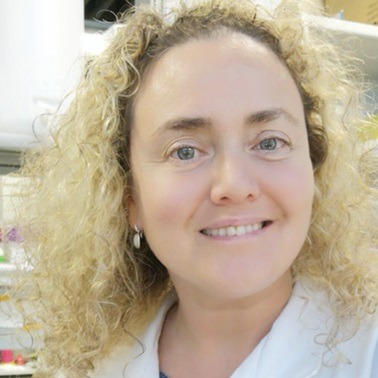
Department of Biochemistry and Molecular Biomedicine, Faculty of Biology, and IBUB, University of Barcelona, Spain. http://www.ub.edu/ibub/eva_estebanez.html;Dr. Estébanez studied Biochemistry at the Autonomous University of Barcelona. She did her PhD with Prof. Robert Huber (Nobel Laureate) at the Max-Planck-Institute of Biochemistry (Munich). She did her postdoc with Prof. Robert Fletterick at the University California, San Francisco (UCSF). She is group leader at the Institute of Biomedicine, University of Barcelona (IBUB) thanks to the fellowships Ramón y Cajal and Marie Curie IRG (2009). She is Associate Professor since 2015
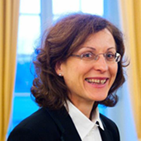
Pharmaceutical Chemistry I, Pharmaceutical Institute, University of Bonn, Germany. https://www.pharmchem1.uni-bonn.de/ak-mueller;Christa Müller studied pharmacy at the University of Tübingen, Germany, and received her Ph.D. in Pharmaceutical/Medicinal Chemistry from the same university. After a postdoctoral stay with John W. Daly (1989-1990 and 1992) at the Laboratory of Bioorganic Chemistry, National Institutes of Health, USA, in 1994 she completed her habilitation thesis at the University of Tübingen, and became Associate Professor of Pharmaceutical Chemistry at Würzburg University. Since 1998 she is full professor of Pharmaceutical Chemistry at Bonn University. She is a co-founder of the Pharma-Center Bonn, and has ca. 400 publications in the field of medicinal chemistry and pharmacology. Her scientific interests are focused on the medicinal chemistry and molecular pharmacology of purine-binding membrane proteins (purine receptors, ectonucleotidases) and lipid-activated orphan G protein-coupled receptors. Disease indications include neurodegenerative and inflammatory diseases and cancer.
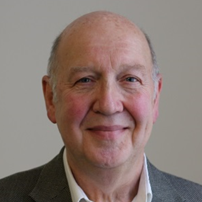
The School of Pharmacy, University College London, UK. https://www.ucl.ac.uk/pharmacy/people/professor-stephen-neidle;Stephen Neidle’s interests are primarily in the chemistry and biology of novel nucleic acid structure and recognition by small molecules, and in exploiting this information for the rational design of novel therapeutic agents. He has published over 500 papers and reviews, and 14 patents, and has written and edited a number of books on nucleic acids, drug-DNA interactions and cancer drug discovery. His current h index is 86 (Web of Science) and 98 (Google Scholar).
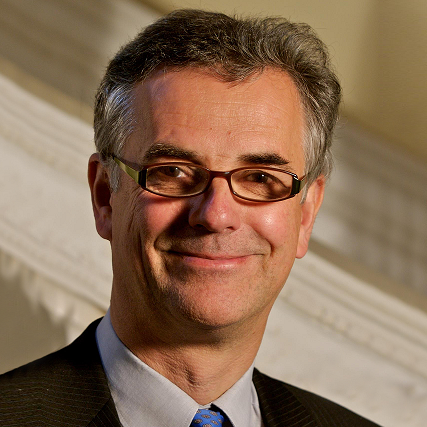
Medicinal Chemistry & Drug Discovery, Department of Pharmacology, University of Oxford, UK. https://pharm.ox.ac.uk/team/barry-v-l-potter;Barry Potter studied Chemistry at Oxford, completing a DPhil on phosphoryl transfer stereochemistry, receiving a DSc in 1993. After postdocs in Oxford and Göttingen at a Max-Planck-Institute, he was lecturer in Biological Chemistry at Leicester, won a Lister Institute Fellowship and moved to the chair of Medicinal Chemistry at Bath. His research is in enzymology, signal transduction chemistry and anticancer drug discovery. He has brought his drugs to multiple human clinical trials with clinical benefit, published over 500 papers, is inventor of 45 granted US patents, and serves on many editorial boards. In 2015 he moved to Oxford as Professor of Medicinal & Biological Chemistry. He has won four RSC medals, the GlaxoSmithKline International Achievement Award and the 2018 Tu Youyou Award. He was 2012 European Life Science Awards Investigator of the Year, held the 2016 RSC-BMCS Medicinal Chemistry Lectureship and was elected to the Academy of Medical Sciences and Academia Europaea.
Institute of Pharmacy Pharmaceutical and Medicinal Chemistry, Free University of Berlin, Germany. http://www.bcp.fu-berlin.de/en/pharmazie/faecher/pharmazeutische_chemie/arbeitsgruppe_Rademann/index.html;Dr. Jörg Rademann holds the chair of Medicinal Chemistry at Freie Universität Berlin at the Institute of Pharmacy. His research is focused on the development of chemical and biochemical methods of fragment-based drug discovery. These works have furnished potent chemical tools for the validation of drug targets in the signaling of cancer cells, including specific inhibitors of the protein tyrosine phosphatase SHP2, the transcription factor STAT5, fragment-based inhibitors of viral proteases and compounds for targeting carbohydrate-protein interactions.
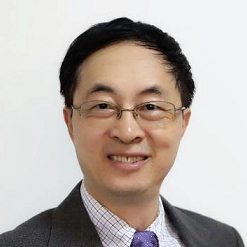
Department of Radiation Oncology, University of Michigan, USA. https://medicine.umich.edu/dept/radonc/yi-sun-md-phd;Institute of Translational Medicine, Zhejiang University, China.;Professor Sun obtained his Ph.D. from the University of Iowa and did his postdoc at the National Cancer Institute. Following 8 years of tenure in Parke-Davis/Pfizer as Research Fellow, he joined the faculty of University of Michigan in 2003 and was promoted to tenured full professor and Director of the Division of Radiation and Cancer Biology in 2008. He also became a Professor and Dean at the Institute of Translational Medicine, Zhejiang University, China in 2014. His main research focus is to validate SAG/RBX2 Cullin Ring E3 Ligase as valid cancer target, and to discover its small molecule inhibitors for cancer treatment. He authored 206 peer reviewed articles, published in several prestigious journals, including Dev Cell, eLife, J Cell Biol, J Clin Invest, Mol Cell, Nature Communications, PNAS, and Can Res. He serves as editorial board member of eight scientific journals. In 2012, he was elected Fellow of the American Association for the Advancement of Science (AAAS).
Laboratory of Pharmaceutical Chemistry, Faculty of Pharmacy and Food Sciences, and IBUB, University of Barcelona, Spain. http://www.ub.edu/farmaco/es/farmaceutica/recerca/novel_polycyclic_compounds_with_biological_activity/8/;Dr Vázquez is a Professor in Organic and Medicinal Chemistry in the Universitat de Barcelona (UB) since 2005 and a founder member of the Institute of Biomedicine of the UB (IBUB). He was a Marie Curie Fellow at the University College London (1998-2000) and a Ramón y Cajal Fellow (2001-2005). His research is focused on the synthesis of channel blockers -human NMDA and P2X7, M2 channel of influenza virus- and enzyme inhibitors -11b-HSD1 inhibitors and soluble epoxide hydrolase inhibitors.
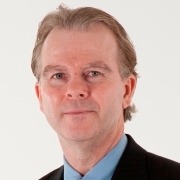
Institute for Glycomics, Griffith University, Australia. https://www.griffith.edu.au/institute-glycomics;Prof von Itzstein is the Director of Griffith University’s Institute for Glycomics and has research interests in chemical glycobiology, rational drug design, medicinal chemistry, enzymes in organic synthesis, enzyme mechanisms, new synthetic methods and biochemistry of carbohydrate-recognising proteins. His research is targets viruses, drug-resistant bacteria and several cancers. Prof von Itzstein and his group designed, synthesised and evaluated the first designer anti-influenza drug, Relenza.





 |
|
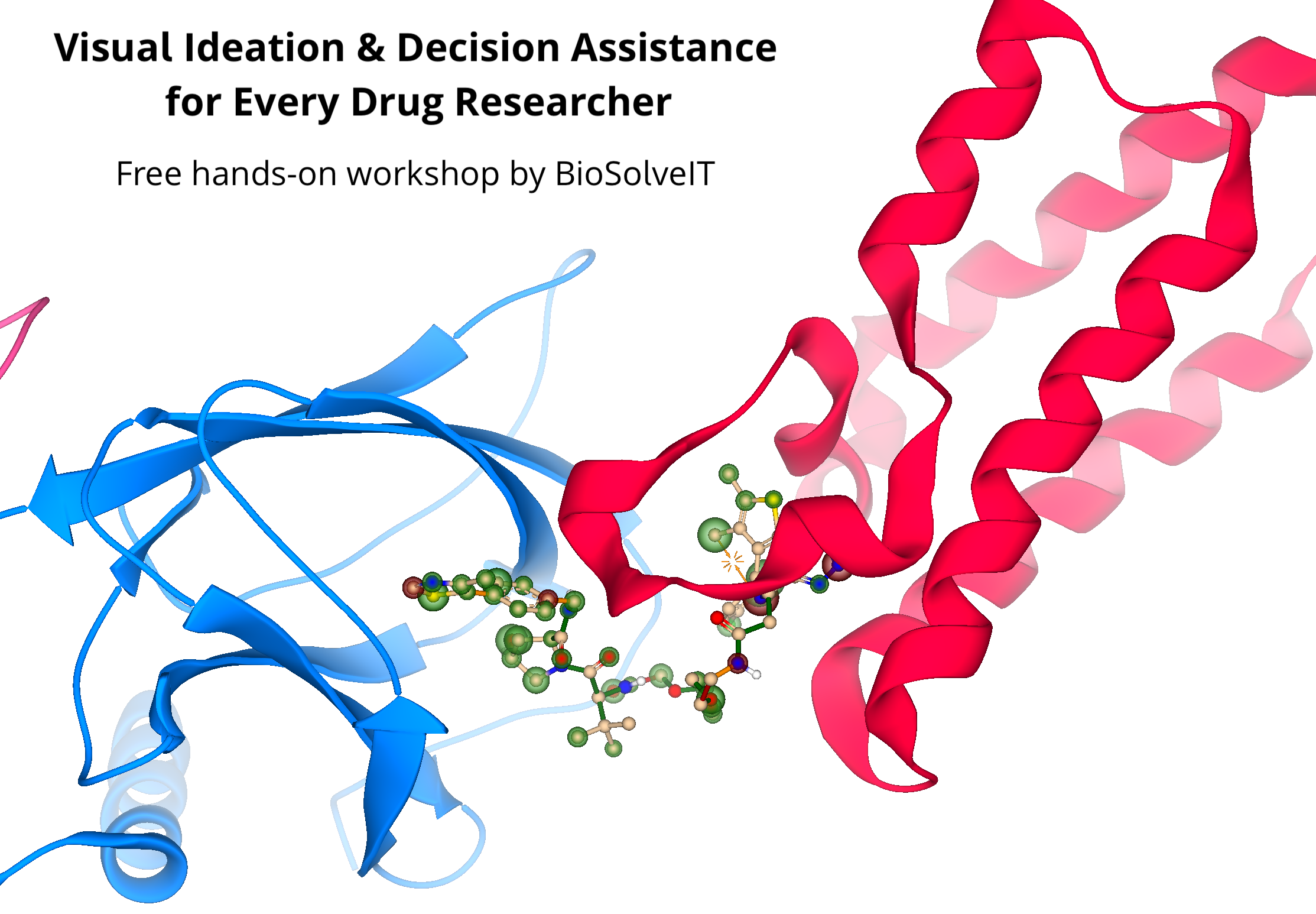
BioSolveIT cordially invites you to a free, conference-associated workshop Visual Ideation & Decision Assistance for Every Drug ResearcherThe hands-on workshop is free of charge and will take place on Wednesday 15 May 2019 / 13:30 – 14:15 at the main Conference Hall The workshop is custom-tailored for everyone involved in early stage drug discovery: medicinal chemists, biologists, modelers, crystallographers, etc.; no prior knowledge is required. Using a novel, easy and very visual software tool (SeeSAR, biosolveit.de/SeeSAR) you will learn the basics of structure-based modeling, scoring, and conformational analysis. SeeSAR will assist you in calculating physico-chemical properties, affinity estimations, and on-the-fly editing for hypothesis testing. Learn how to optimize the tightness of fit and create meaningful graphics. Participants will get a one month free license to intensify the learning experience and to apply tools to their own scientific questions. Do not miss this great opportunity and register for free now! |
Group Visit to Sant Pau Hospital-Art Nouveau Site
Thursday 16 May, 17:15 – 18:30
18€ per person incl. Transfers*, entrance ticket, tour guide
The Modernista Sant Pau Complex was built between 1905 and 1930 and designed by Lluís Domènech i Montaner as a garden city for nursing the sick. After being used as a public hospital for a century, its newly refurbished pavilions shine again in all their splendour. This is Europe's foremost art-nouveau complex and an icon among Barcelona's dazzling array of landmarks which embodies the city's innovative spirit. It was awarded World Heritage status by UNESCO in 1997. The exhibition space in the Sant Salvador Pavilion takes you on a journey through the history of medicine in Barcelona and one of Europe's oldest healthcare institutions. A visit to this magnificent complex allows you to delve into history, art and the present day, making it a unique experience.
If you wish to attend you can book and pay during your registration procedure or, if you are already registered, by making a new registration and selecting ONLY the guide tour.
Important Notes:
- The number of participants is limited: once the number of paid registrations reaches the maximum number of participants, unpaid registrations will be cancelled.
- The tour must be paid for in advance before 12 April 2019, there will be no tickets available at the meeting.
- All groups require a minimum of attendees to guarantee the service. One month prior to the conference we will inform you in case we can’t guarantee the service, and you will be reimbursed for the amount of the cancelled tour.
* Transfer from the Venue to the Sant Pau Complex, and from there to the Conference Dinner. Attendees will have one free hour prior to the Dinner to walk around and discover the Eixample area.
Conference Dinner
Thursday 16 May, 20:00
50€ per person
We invite you to join us at the Conference Dinner at La Camarga, a cutting-edge restaurant specialized in Mediterranean cuisine with deep gastronomic roots that inspires dishes full of contemporary flavours and textures.
This will be at an additional cost of 50€ and will need to be added to your booking when you register. Please note that the number of seats is limited: once the number of paid registrations reaches the maximum number of participants, unpaid registrations will be cancelled.
La Camarga is located at Carrer d'Aribau, 117, only a few minutes away from Passeig de Gràcia, one of the major avenues in Barcelona and one of its most important shopping and business areas, containing several of the city's most celebrated pieces of architecture (such as La Pedrera or Casa Batlló).For those not attending the Sant Pau group visit, you can easily reach the restaurant either by taxi, bus or Metro. If you were to choose the second option, the closest metro stations are "Hospital Clinic" on Line 5 (blue), "Diagonal" on Line 3 (green).