Medicina Webinar | Non-Motor Symptoms in Parkinsonian Syndromes
the chair
Parkinson’s disease (PD) is the second most common multi-systemic neurodegenerative disorder that is characterized by a broad spectrum of motor and non-motor symptoms (NMSs). Atypical Parkinsonism is a less common group of sporadic, neurodegenerative diseases of the central nervous system but is more severe than PD. The most common forms are multiple system atrophy (MSA), progressive supranuclear palsy (PSP), corticobasal degeneration (CBD), and dementia with Lewy bodies (DLB). Neuroanatomically, NMS may be subdivided into cortical manifestations (psychosis and cognitive impairment), basal ganglia symptoms (impulse control disorders, apathy, and restlessness or akathisia), brainstem symptoms (depression, anxiety, and sleep disorders), as well as the peripheral nervous system disturbances (orthostatic hypotension (OH), constipation, pain) and sensory disturbances. NMS is often overlooked by physicians and dismissed by patients thus making their management difficult, with a major burden for patients and caregivers. Unfortunately, there are very little existing data about NMS, their neurobiology, their potential biomarkers, their monitoring, and their treatment. Moreover, there is growing evidence of the accurate monitoring of NMS by wearable sensors for PD. It is therefore essential that researchers and practitioners comprehensively address the factors related to NMS in order to improve quality of life for PD patients.
Date: 23 December 2024
Time: 6:00 pm CET, 7:00 pm EET, 1:00 am CST.
Webinar ID: 816 1650 2976
Webinar Secretariat: journal.webinar@mdpi.com
Meet Our Chair
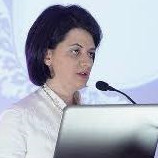
1st Department of Neurology, "Aiginition" Hospital, School of Medicine, National and Kapodistrian University of Athens, Athens, Greece;Dr. Anastasia Bougea is a senior clinical research associate at the Department of Neurology, Aiginition University Hospital, National and Kapodistrian University of Athens, Greece. She was a postdoctoral researcher at the National and Kapodistrian University of Athens and Biomedical Research Foundation at the Academy of Athens. She completed her Ph.D. and MSc. at the University of Athens, on biomarkers on parkinsonian and headache disorders, respectively. Greece. Her research work is primarily in the field of biomarker evaluation for Parkinson’s disease and other atypical Parkinsonian disorders with up to 100 publications, and she participates in European and international collaborations.
Meet Our Speakers
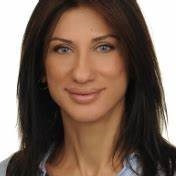
Department of Neurology, School of Medicine, Istanbul Health and Technology University, Istanbul, Turkey;Prof. Yildiz Degirmenci specializes in Parkinson's disease, restless leg syndrome, and movement disorders and is also a respected member of the Neurology Division at Medipol Hospital.
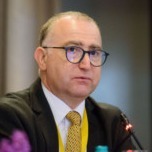
Department of Neurology, County Clinic Hospital, Transilvania University, Brasov, Romania;Cristian Falup-Pecurariu is the head of the Department of Neurology, County Emergency Clinic Hospital in Brasov, and is a Professor of Neurology at the Transilvania University of Brasov, Romania. He received his medical degree from the University of Medicine and Pharmacy “Iuliu Hatieganu” from Cluj-Napoca. He holds a one-year fellowship with the European Neurological Society in movement disorders and sleep medicine at the Hospital Clinic, University of Barcelona, Spain. During his career, Cristian Falup-Pecurariu was President of the European Association of Young Neurologists and Trainees (EAYNT), EAYNT Liaison Officer with the World Federation of Neurological Society, and co-representative of Europe on the International Working Group for Young Neurologists and Trainees (World Federation of Neurology). He was also Secretary of the EFNS/MDS-ES Panel on Movement Disorders, and a member of the Educational Committee of MDS-ES, the MDS Leadership Task Force, and the European Academy of Neurology Scientific Panel on Movement Disorders.


The webinar was hosted via Zoom and required registration to attend. The full recording can be found below. In order to learn about future webinars, you can sign up to our newsletter by clicking “Subscribe” at the top of the page.
Non-motor Disorders in Parkinson’s Disease and Other Parkinsonian Syndromes, 2nd Edition
Guest Editor: Dr. Anastasia Bougea