Pharmaceuticals Webinar | Structural and Computationally Driven Molecule Design in Drug Discovery
the chair
7th Pharmaceuticals Webinar
Structural and Computationally Driven Molecule Design in Drug Discovery
Dear Colleagues and Distinguished Guests,
It is my great pleasure to welcome you to this webinar organized in connection with our Special Issue, “Structural and Computationally Driven Molecule Design in Drug Discovery: 2nd Edition.” We are delighted to have you with us today and sincerely thank you for your interest and participation.
Drug discovery and development remain one of the most complex, time-consuming, and high-risk endeavors in modern science. In this challenging landscape, the integration of computational approaches with experimental validation has become not only complementary but essential. The strong compliance between in silico predictions and experimental outcomes now represents a cornerstone of rational drug design, enabling more efficient target identification, lead discovery, and lead optimization.
Advances in computer-aided drug design—ranging from molecular docking and virtual screening to molecular dynamics simulations, QSAR modeling, and pharmacophore generation—have significantly transformed how we understand ligand–target interactions at the molecular level. At the same time, progress in structural biology, including X-ray crystallography and spectroscopic techniques, continues to provide high-resolution insights into macromolecular drug targets, further enriching computational methodologies and model accuracy.
Another critical bottleneck in drug development is the failure of promising candidates due to unfavorable ADMET properties. Here, in silico ADMET prediction has emerged as a powerful, cost-effective strategy to prioritize compounds early in the pipeline, reducing attrition rates and accelerating translational success.
More recently, the rapid rise in artificial intelligence and machine learning has opened entirely new horizons in drug discovery and personalized medicine. AI-driven models now play an increasingly important role in predicting binding affinities, toxicity risks, physicochemical properties, and even guiding de novo molecular design, bringing us closer to truly precision-driven therapeutics.
This webinar aims to provide deep mechanistic insights into structural dynamics and state-of-the-art computational strategies that drive modern molecule design. It also serves as a platform for knowledge exchange, interdisciplinary discussion, and the sharing of innovative ideas that bridge theory and experiment.
We hope that today’s presentations and discussions will inspire new collaborations, stimulate scientific curiosity, and contribute meaningfully to advancing the field of drug discovery.
Thank you once again for joining us. We wish you a stimulating and productive webinar.
Warm regards,
Dr. Halilibrahim Ciftci
Date: 13 March 2026
Time: 4:00 p.m. CET | 11:00 a.m. EDT | 11:00 p.m. CST Asia
Webinar ID: 823 1528 8737
Webinar Secretariat: journal.webinar@mdpi.com
Meet Our Chair
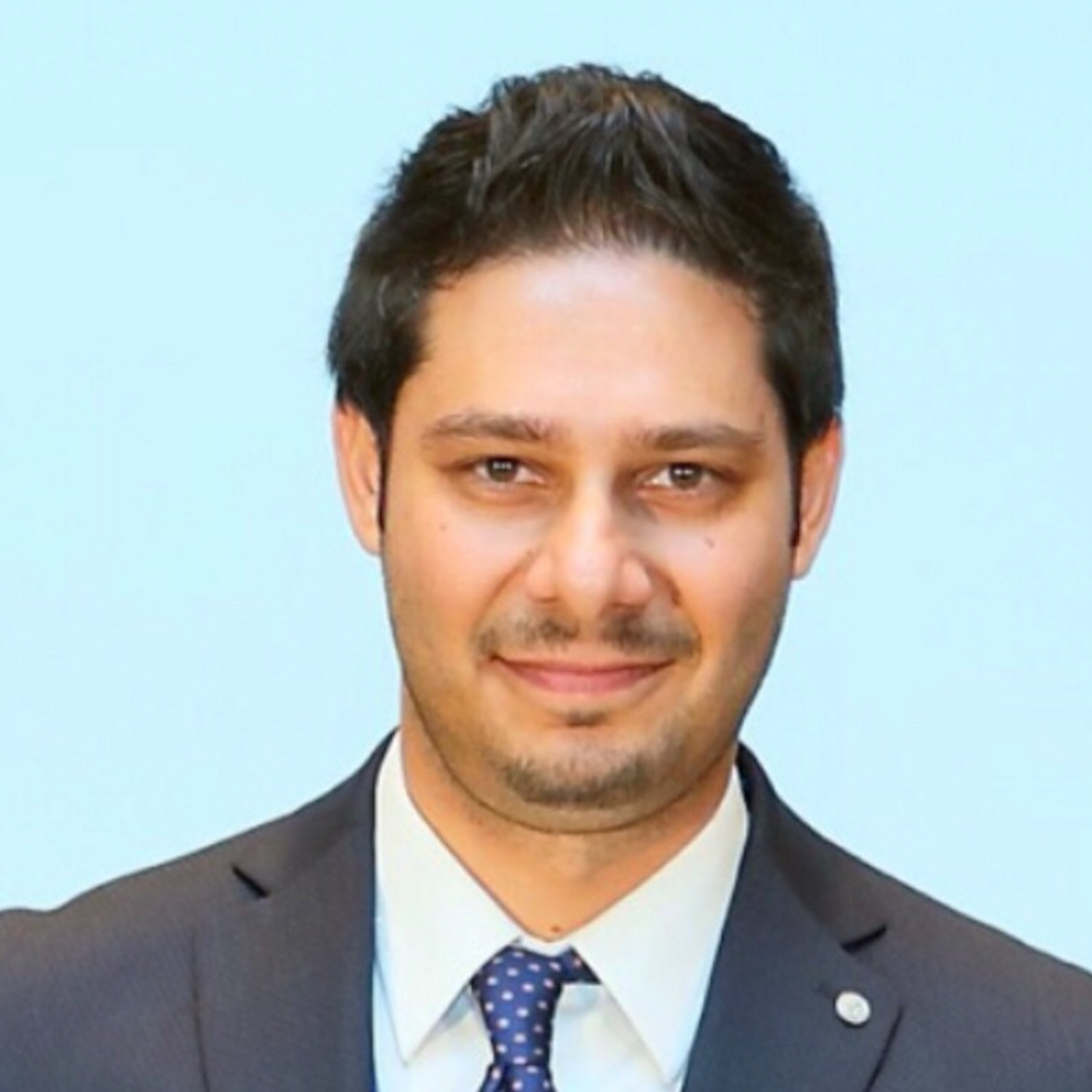
1. Department of Molecular Biology and Genetics, Burdur Mehmet Akif Ersoy University, Burdur 15030, Türkiye 2. Medicinal and Biological Chemistry Science Farm Joint Research Laboratory, Faculty of Life Sciences, Kumamoto University, Kumamoto 862-0976, Japan 3. Department of Drug Discovery, Science Farm Ltd., Kumamoto 862-0976, Japan;I began my journey in drug discovery after earning a BSc in Chemistry from Ege University, Türkiye (2006), and an MSc in Cancer Pharmacology from the University of Bradford, UK (2008). I spent four years in R&D at leading Turkish pharmaceutical companies (NEUTEC, BİLİM, DEVA), managing all aspects of product development. Driven by a passion for translational research, I pursued a PhD (2016) and JSPS Postdoctoral Fellowship (2018) at Kumamoto University, Japan, gaining international experience in Japan, the UK, and the USA. In 2018, following our success in the "TECH PLANTER" start-up competition in Japan, we launched Science Farm Ltd. to commercialize our patented therapeutics. After returning to Türkiye in 2021 under the TUBITAK 2236 Brain Circulation Scheme-2, I advanced new drug candidates at Koç University using structural and computational approaches. In 2023, I received an MSCA Fellowship and led projects on anti-HIV, anticancer, and anti-ALS therapeutics at Izmir Katip Çelebi University. Since joining Mehmet Akif Ersoy University (MAKU) as an Associate Professor in October 2024, I founded and have been leading the Drug Discovery Science Farm Joint Research Laboratory, focusing on discovering and developing new therapies for HIV, cancer, and ALS. My expertise spans structural and computational drug design, translational research, and the integration of innovative approaches to transform scientific discoveries into potential treatments.
Meet Our Speakers
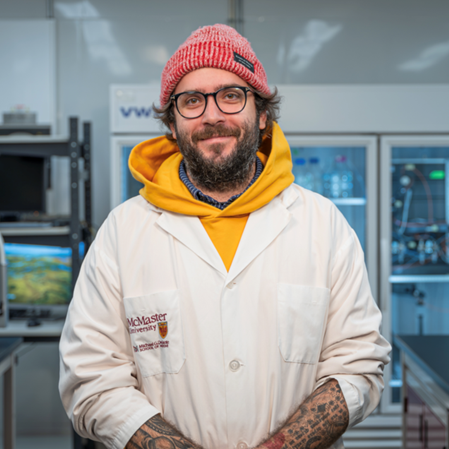
Asst. Prof. Jonathan Stokes
Department of Biochemistry and Biomedical Sciences, McMaster University, Canada;Jon is an Assistant Professor in the Department of Biochemistry and Biomedical Sciences at McMaster University. His research focuses on the development and application of leading-edge machine learning techniques for novel drug discovery and design tasks, with an emphasis on antibiotics. Jon is also co-founder and CSO of Stoked Bio.
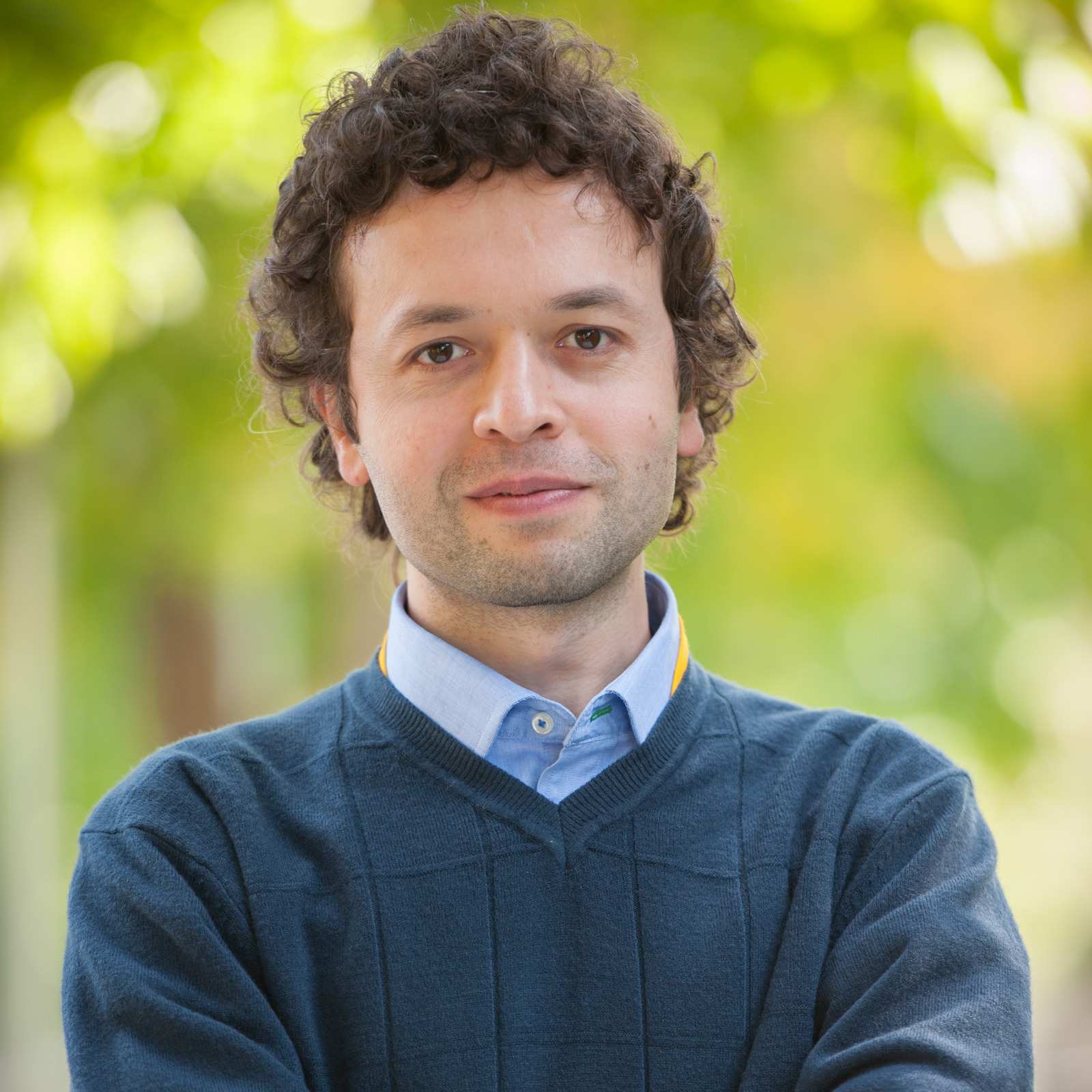
1. Department of Molecular Biology and Genetics, Koc University, Istanbul, Türkiye 2. Stanford PULSE Institute, SLAC National Laboratory, Menlo Park, CA, USA;I completed my B.Sc. at Bosphorus University in 2002 and later obtained a Ph.D. in molecular biology, cell biology and biochemistry at Brown University in 2007. Before joining the Koc University in August 2019, I was a member of the Biosciences Division at SLAC National Accelerator Laboratory and also affiliated with Non-Periodic Imaging group at Stanford PULSE Institute. My research focuses on structural biology of mutant prokaryotic ribosomes, where I am interested in characterizing the function and dynamics of these mutants, with an eye toward answering questions in structure and dynamics of ribosomes which are resistant to some of today’s commonly used antibiotics. My current research efforts also include the development of methods for time-resolved ambient-temperature X-ray crystallography of large and challenging biomacromolecules at 4th-generation light sources like the Linac Coherent Light Source at SLAC.
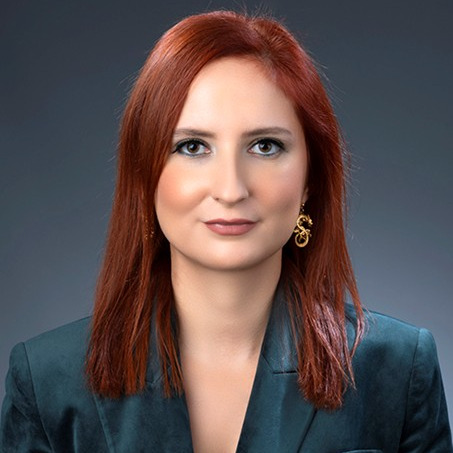
Department of Pharmaceutical Chemistry, Faculty of Pharmacy, Anadolu University, 26470 Eskisehir, Türkiye;Dr. Sever is a pharmaceutical chemist whose research focuses on the design and development of drug candidates for cancer, microbial infections, diabetes, HIV, and amyotrophic lateral sclerosis (ALS), with particular expertise in medicinal and computational chemistry. Following her PhD, Dr. Sever conducted postdoctoral research at Kumamoto University, Japan, supported by several competitive international fellowships. As a Takeda Science Foundation International Fellow (2020–2021), she worked on anti-HIV drug development. She later received the TÜBİTAK 2219 International Postdoctoral Fellowship to continue anticancer drug research (2022–2023). From October 2023 to August 2025, she conducted postdoctoral research on ALS drug development under the Japan Society for the Promotion of Science (JSPS) at Kumamoto University. Dr. Sever has published numerous high-quality articles in SCI and SCI-Expanded international journals and actively contributes to the scientific community. She serves on the editorial boards of several journals, including PLOS ONE, Heliyon—Pharmaceutical Science, Frontiers in Chemistry, Oncology Research, and Scientific Reports, and is a topic editor for Pharmaceuticals, Molecules, and Life.
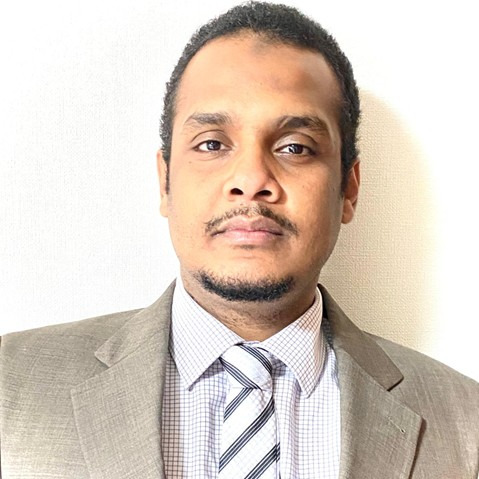
Global Center for Natural Products Research, Faculty of Life Sciences, Kumamoto University, 5-1 Oe-honmachi, Chuo-ku, Kumamoto 862-0973, Japan;Dr. Elamin is a Medical Pharmacist and Assistant Professor at the Faculty of Pharmacy, Kumamoto University, Japan. His research focuses on the application of computational chemistry to drug discovery, with a strong emphasis on bridging molecular modeling with experimental validation. He works across target identification, structure-based molecular design, and lead optimization, integrating computational workflows with medicinal chemistry, biological assays, and advanced drug delivery strategies. His research addresses both cancer and infectious diseases. Through interdisciplinary and international collaborations, his work aims to translate computational insights into experimentally supported therapeutic candidates.

Structural and Computationally Driven Molecule Design in Drug Discovery: 2nd Edition
Edited by Dr. Halil İbrahim Ciftci, Dr. Belgin Sever, and Dr. Hasan Demirci
Deadline for manuscript submissions: 22 June 2026
In this section, you will find the recordings of this webinar to watch, re-watch and share with your colleagues!