
Topics Webinar | Recent Advances in Oxidoreductases Biochemistry and Biotechnology
the chair
Dear Colleagues,
Thank you for your participation in this webinar which will allow us to promote our conference, Oxizymes in Lublin 2024, which is related to the MDPI Special Issue ““Recent Advances in Oxidoreductases Biochemistry and Biotechnology“.
Oxidoreductases comprise a large number of enzymes of industrial relevance: peroxidases, peroxygenases, laccases, flavin-containing oxidases and dehydrogenases, unspecific peroxygenases (UPOs), dye-decolorizing peroxidases (DyPs), copper-containing lytic polysaccharide monooxygenases (LPMOs), etc.
This conference and MDPI Topic aim to cover all aspects of this field, from the discovery of novel oxidoreductases, mechanisms of action, and structure–activity relationships to their applications in the production of fine chemicals and polymer building blocks, biosensors, biomaterials, and use in biorefineries for a bio-based economy.
Today, I am pleased to introduce three of my colleagues: Professor Magdalena Jaszek, whose major research area is bioactive compounds, oxidoreductases, and proteases, next, Professor Clemens Peterbauer, whose main research area is the expression and engineering of microbial enzymes for biomass degradation and biocatalysis, and finally, Dr. Katarzyna Szałapata, whose research interests focus on the bioactive aspects of polymer biomaterials.
Date: 28 May 2024 at 9.00 a.m. CEST | 3:00 a.m. EDT | 3:00 p.m. CST Asia
Webinar ID: 841 5535 7943
Webinar Secretariat: journal.webinar@mdpi.com
Meet Our Chair
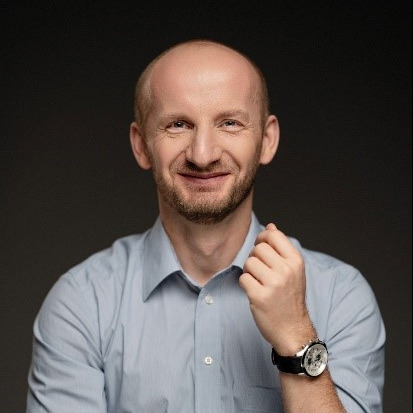
Department of Biochemistry and Biotechnology, Institute of Biological Sciences, Maria Curie-Skłodowska University, Lublin, Poland;Prof. Grzegorz Janusz has competencies in biotechnology, biochemistry, and the ecology of microorganisms. A biochemist by education, his scientific interests focus on the metabolism of wood-degrading fungi, with particular emphasis on the role of oxidoreductases in this process. In his research to date, he has used molecular biology, enzymology, and proteomics techniques. He has participated in several scientific projects and served as the leader of two of them. He is the co-author of several dozen scientific papers and several review papers.
Meet Our Speakers
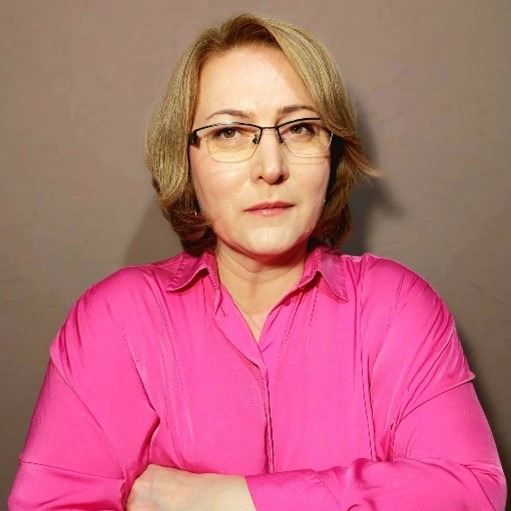
Department of Biochemistry and Biotechnology, Institute of Biological Sciences, Maria Curie-Skłodowska University, Lublin, Poland;Professor Magdalena Jaszek — biotechnologist, biochemist, mycologist, and Chairman of the Mushroom Biotechnology section of the Polish Mycological Society. Her main areas of scientific research include, among others: fungi's response mechanisms to stress conditions, the biomedical properties of natural bioactive substances, and proteolytic and oxidative microbial enzymes. A large part of the research results she has obtained are covered by patent protection. She has participated in several scientific projects and is the co-author of 65 scientific papers.

Department of Food Sciences and Technology, BOKU—University of Natural Resources and Life Sciences, Vienna, Austria;Professor Clemens Peterbauer obtained his Ph.D. in Microbiology from the University of Vienna in 1995, Austria, and has worked as a postdoc researcher at the Agricultural Faculty, Hebrew University of Jerusalem, Rehovot, Israel, and the Vienna Technical University, Austria, mostly on the regulation of enzyme systems of filamentous fungi. In 2002, he joined the Institute of Food Technology at the University of Natural Resources and Life Sciences, Vienna. Since then, he has focused on the investigation, expression, and engineering of microbial enzymes for biomass degradation and biocatalysis, mostly flavin-dependent oxidoreductases but also laccases, peroxidases, and hydrolases. He has published more than 80 papers on these matters.
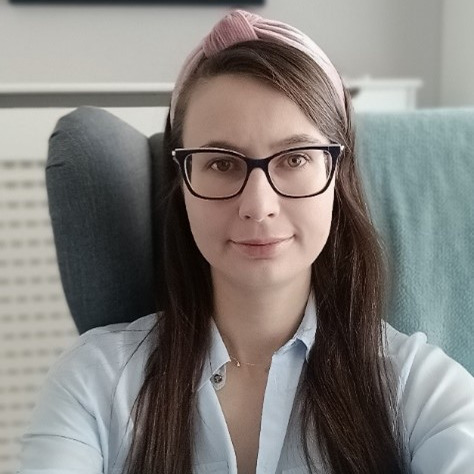
Department of Biochemistry and Biotechnology, Institute of Biological Sciences, Maria Curie-Skłodowska University, Lublin, Poland;Dr. Katarzyna Szałapata — research assistant at the Department of Biochemistry and Biotechnology, Maria Curie-Skłodowska University in Lublin, Poland. She has held an MSc in Biology since 2012 (specialization—biochemistry) and a Ph.D. in Biological Sciences since 2018 (discipline—biotechnology). She is the principal investigator of two scientific projects, Preludium and Sonata, financed by the National Science Centre, Poland. Her research topics are (1) techniques for modifying polymer biomaterials to give them new features that prevent microbial infections and (2) the impact of various biologically active substances on the viability and ability to produce biofilm of pathogenic strains of microorganisms. She is currently one of the members of OxiZymes as part of the Lublin 2024 Organizing Committee.



Oxidoreductases include many industrially relevant enzymes such as peroxidases, peroxygenases, laccases, flavin-containing oxidases and dehydrogenases, unspecific peroxygenases (UPOs), dye-decolorizing peroxidases (DyPs), copper-containing lytic polysaccharide monooxygenases (LPMOs), etc. Despite decades of research, every year new findings elucidate important aspects of the application of these enzymes. The lectures presented are in line with trends of this research and inspire further efforts to develop this field of biotechnology, which is vital for the future of civilisation, especially in the context of green transformation. Professor Magdalena Jaszek presented her research on modifying laccase activity using commercially available proteases and glucans of natural origin, Professor Clemens Peterbauer presented details on bacterial oxidoreductases in wood degradation, and Dr Katarzyna Szałapata promoted the upcoming Oxizymes conference in Lublin, Poland.
The webinar was hosted via Zoom and required registration to attend. The full recording can be accessed below. In order to learn about future webinars, you can sign up for our newsletter by clicking “Subscribe” at the top of the page.
Recent Advances in Oxidoreductases Biochemistry and Biotechnology
Topic Editors: Prof. Dr. Grzegorz Janusz, Dr. Anna Pawlik and Dr. Clemens Karl Peterbauer
Manuscript Submission Deadline: 31 October 2024