
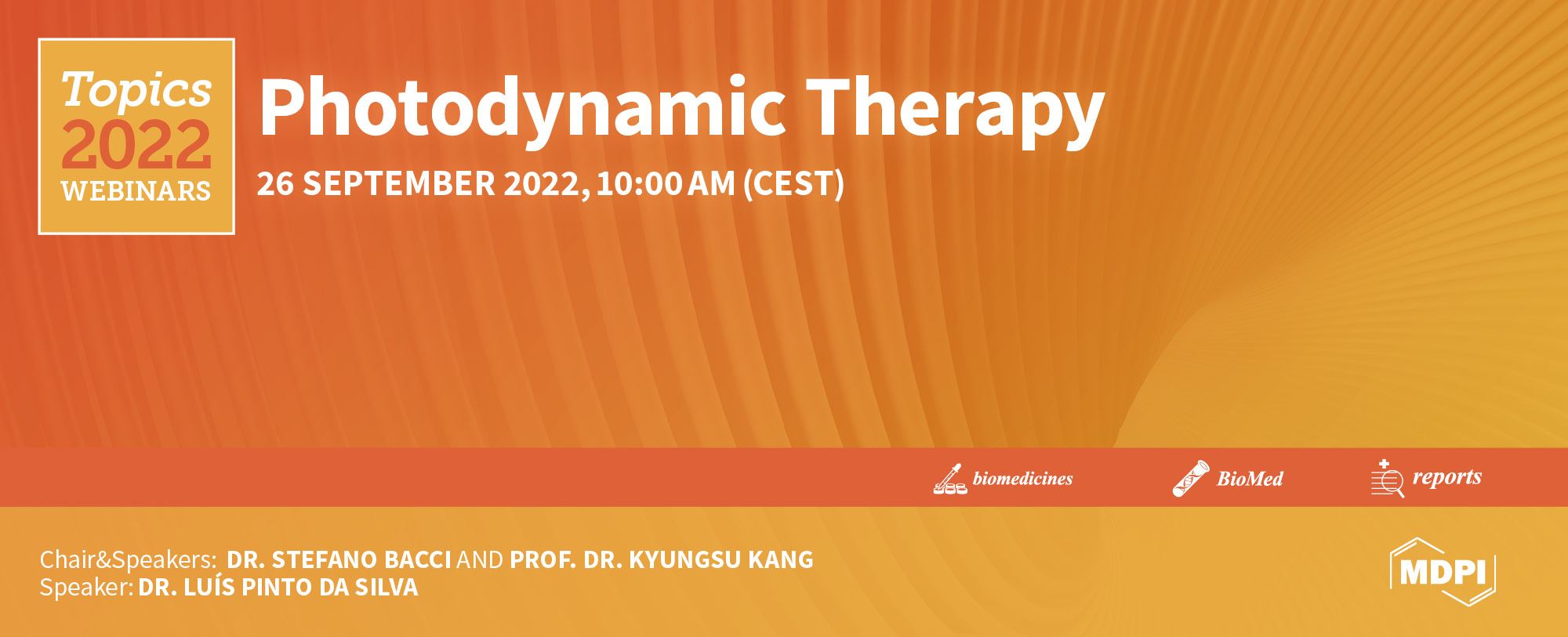
Topics Webinar | Photodynamic Therapy
Meet Our Speakers
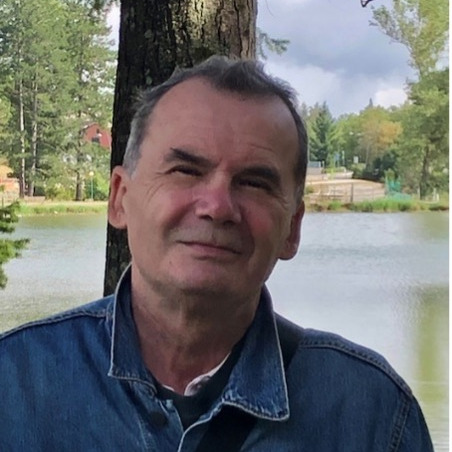
Department of Biology, Research Unit of Histology and Embriology, University of Florence, Italy;Education Ph.D. School of Medicine, University of Florence, Italy. Post Doctoral training: 1994-1996 Research fellow, The "Schepens Eye Research Institute", of the Departments of Opthalmology and Dermatology, Harvard Medical School, Boston, MA, USA. Boston, MA, USA Job permanent position: Senior Researcher, Dept of Biology, Research Unit of Histology and Embriology, University of Florence. Editorial review board: International Journal of Molecular Sciences Biomedicines Editorial activity 2020-Guest Editor of an issue dedicated to the “Cellular Mechanisms in Wound Healing” in Biomedicines 2021-Editor in chief of an issue dedicated to the “Photodynamic therapy” in Biomedicines ORCID: 0000-0002-3651-229X Page web: https://sciprofiles.com/profile/915428
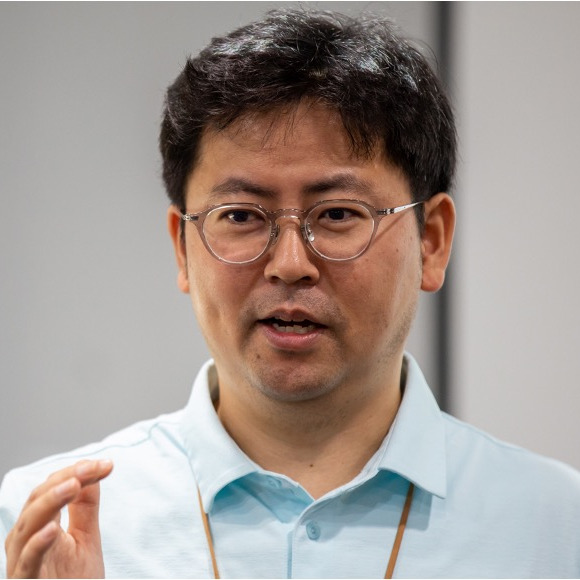
Natural Product Informatics Research Center, Gangneung Institute of Natural Products, Korea Institute of Science and Technology, Korea;Dr. Kyungsu Kang is a Principal Researcher at the Gangneung Institute of Natural Products, Korea Institute of Science and Technology (KIST) located in Gangwon-do, South Korea. He is also a Professor in the Division of Bio-Medical Science & Technology, KIST School, University of Science and Technology (UST), South Korea. He received his B.S. (in Applied Biology and Chemistry), M.S. and Ph.D. (in Agricultural Biotechnology) degrees from the College of Agriculture and Life Science, Seoul National University, South Korea. As a post-doctoral scientist in Prof. Michael Ristow’s laboratory at ETH Zürich (Swiss Federal Institute of Technology Zurich), Switzerland, Dr. Kang investigated the effect of plant flavonoid compounds on lifespan extension as well as their detailed biochemical and genetic mechanisms in the model animal Caenorhabditis elegans. The main research topic of Dr. Kang’s laboratory is to discover bioactive natural products that can promote intestinal health and longevity. Dr. Kang and his members are interested in elucidating the biochemical and molecular mechanisms underlying the biological effects of various natural products. For this purpose, they are exploiting not only a tiny model nematode, C. elegans, but also cultured human cells and cultured human microbiota.



To celebrate the success of the topic related to the effects of photodynamic therapy published in Biomedicines (19 published manuscripts), a webinar has been organized inviting 3 authors who introduced through a 20-minute communication the principal themes of the published manuscript.
In particular Dott. Luis Pinta da Silva Silva spoke about the marine chemiluminescence at the basis for self-illuminating photosensitizers in photodinamic therapy; while Dott. Stefano Bacci of the cellular mechanisms in acute and chronic wounds and Prof. Dr. Kyungsu Khan of the natural photosensitizers and their antimicrobial photodynamic therapy effects in the model animal Caenorabhitis Elegans.
Each communication was of great quality, dealing with different areas in the field of photodynamic therapy, thus reflecting the need to deepen the questions posed by these protagonists.
This webinar was also an opportunity to meet this need by anticipating the times of the next volume (Photodynamic Therapy 2.0 in Biomedicine) dedicated to this treatment
The presentations were followed by a Q&A and a discussion, moderated by the Chair. The webinar was offered via Zoom and required registration to attend. The full recording can be found here on Sciforum website. In order to stay updated on the next webinars on Topics, be sure to sign up for our newsletter by clicking on “Subscribe” at the top of the page.
Photodynamic Therapy 2.0
Guest Editors: Dr. Stefan Bacci & Prof. Dr. Kyungsu Kang
Deadline for manuscript submissions: 15 December 2022
Photodynamic Therapy
Topic Editors: Dr. Stefan Bacci & Prof. Dr. Kyungsu Kang
Deadline for manuscript submissions: closed (30 June 2022)