
Toxins Webinar丨Biodiversity of Toxigenic Fungi
In this section, you will find the recordings of this webinar to watch, re-watch and share with your colleagues!
The Webinar on the Biodiversity of Toxigenic Fungi, thanks to the excellent presentations of the three speakers, highlighted the biological, genetic, and biochemical complexity of toxigenic fungi from different scientific perspectives. Specifically, Dr. Carol Verheecke-Vaessen has shown why and how the PCR-based molecular approaches for the detection and quantification of the mycotoxigenic Fusarium species occurring in wheat need to be adapted to the great variability of their mycotoxin gene pathways, which often show intra- and inter-specific diversity. On the other hand, Dr. Tran Minh Trang has explained to us how Fusarium species can use a range of CAZymes as precious tools to increase their virulence during the infection host process. Finally, Dr. Alessandra Villani has provided a great overview on the phylogenomics of Fusarium species, analyzing the genomes publicly available to solve taxonomic issues within the genus, and providing insights on the occurrence of a wide range of mycotoxin gene pathway profiles that could dramatically vary at both intra- and inter-specific levels. Altogether, the presentations of the three speakers have confirmed great genetic and biological diversity that characterize toxigenic fungi and has extended our knowledge on how the genetic plasticity of toxigenic fungi can be a precious tool for their adaptation to current climate changes.
the chairs
10th Toxins Webinar
Biodiversity of Toxigenic Fungi
Toxigenic fungi can produce mycotoxins, secondary metabolites that are natural contaminants of food and feed, representing a serious threat worldwide because of their impact on animal, human, and plant health. According to a recent report carried out by Eskola et al. (2020), around 25% of food is contaminated by at least one mycotoxin. Among the toxigenic fungi that produce mycotoxins in planta, the species belonging to Alternaria, Aspergillus, Fusarium, and Penicillium genera are the most common, showing a great variability of their mycotoxin profiles, even in species phylogenetically closely related. In addition, such variability can also be detected at an intraspecific level. From the perspective of climate change, developing further insights into such traits of toxigenic fungi is a crucial tool for their better management in the field and for the mitigation of their impact on crops. The webinar aims to underline the great genetic and biological diversity that characterize toxigenic fungi through reports of different case studies by three authoritative selected speakers and will extend our knowledge on how the genetic plasticity of toxigenic fungi can be a precious tool for their adaptation to current climate changes.
Date: 27 May 2026
Time: 2:00 pm CEST | 8:00 am EDT
Webinar ID: 827 6419 997
Webinar Secretariat: journal.webinar@mdpi.com
Meet Our Chairs
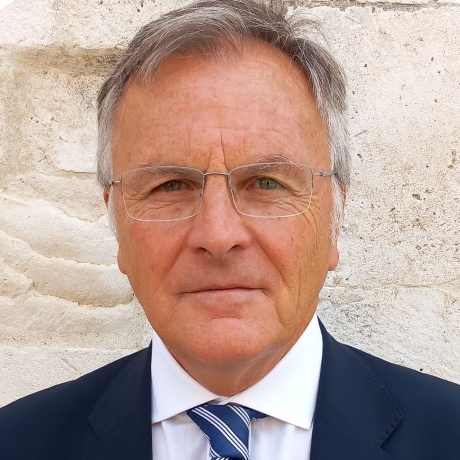
Institute of Science of Food Production (ISPA), National Research Council (CNR), Italy;Dr. Antonio Moretti is a Research Leader, currently Director at Institute of Sciences of Food Production, Research National Council of Italy, CNR-ISPA, located in Bari, Italy. He received in 1988, his Master Degree in Agricultural Sciences at Università degli Studi “Aldo Moro” di Bari, and from 1989 to 1994 he got fellowships at Institute Tossine e Micotossine da Parassiti Vegetali of CNR, working on the chemical and genetic characterization of toxigenic fungi. During this period, in 1991, he spent a year as visiting scientist in a lab of USDA, in Peoria, USA, studying the genetics of Fusarium fumonisin producing species. In 1994 he was pointed as researcher at CNR where his main field of activities have been Food Mycology, Plant Pathology, Mycotoxicology and Fungal Genetics, with main topics: mycotoxin profile, genetic diversity, and plant pathogenicity of main Fusarium, Alternaria, Aspergillus, and Penicillium species. Dr Moretti is currently President of International Society of Mycotoxicology and Representative of Italy in Assembly of Members of the European infrastructure MIRRI-ERIC. He has published more than 190 articles in peer review scientific journals and 15 book chapters ISI H-index of Antonio Moretti: 51 (ISI Web of Science), 56 (Scopus), 69 (Google Scholar).
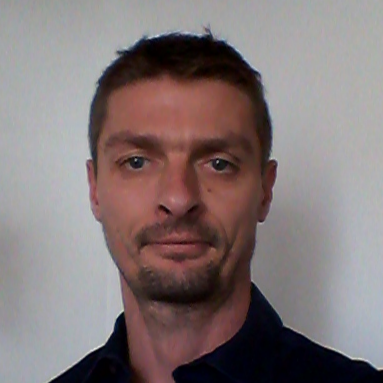
Aix Marseille Université, France;Dr. Marc Maresca is currently a researcher at the Aix-Marseille Université. He received his P.h.D in Biochemistry at the Université Paul Cézanne (France, 2003) working on food contaminants named mycotoxins. In 2003, he moved to England to work on enteropathogenic E coli in Brendan Keny’s lab. Then, he moved back to France to continue his work on mycotoxins and their effects on human health. He is currently working at the Aix-Marseille Université and his research, in addition to work on mycotoxins, aims to identify and develop new molecules – natural, synthetic, or bio-inspired – with therapeutic properties. He focuses on antimicrobial peptides and their mimics as well as on plant derivatives, as in addition to their antimicrobial effects, they may possess additional activities such as anti-inflammatory and anti-tumorigenic effects. Dr Maresca published more than 130 articles in scientific journals and 7 patents in relation to his research.
Meet Our Speakers

Cranfield University, UK;Dr Carol Verheecke-Vaessen is a Senior Lecturer in Applied Molecular Mycology at Cranfield University, where she leads interdisciplinary research on the impact of dynamic environments on toxigenic fungi across the Agrifood systems. Trained in France and the UK, she has more than 20 years of experience working with the food supply chain to develop tailored and applied solutions. Her research focuses on how environmental conditions, including climate change, shape fungal behaviour and mycotoxin production, combining molecular approaches, omics, and predictive modelling to better anticipate risks along the supply chain. She is particularly recognised for her work on Fusarium and Aspergillus species and their impact on cereals (including oats, maize) and nuts. As founding member of the Magan Centre of Applied Mycology, she contributes to strategic leadership by advancing a vision that bridges fundamental fungal biodiversity with applied solutions for food safety and sustainability. Through international collaborations and capacity-building initiatives, she drives research that informs policy, supports industry, and strengthens resilience in regions most exposed to mycotoxin risks.
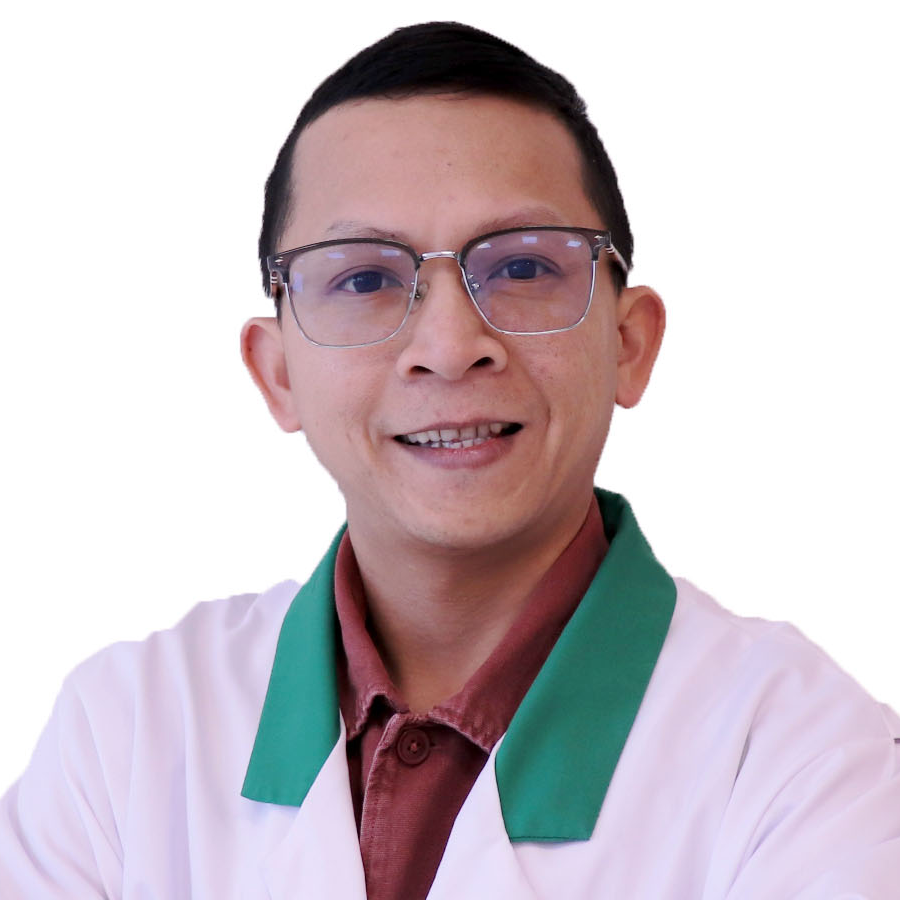
Ghent University, Belgium;Trang Tran successfully completed his doctoral program fully-funded by VLIR-UOS at Ghent University in 2021, focusing on investigating the modes of action of Streptomyces strains against fungal phytopathogens and mitigating mycotoxin contamination of maize grains through good agricultural practices (GAPs). Subsequently, he served as a postdoctoral researcher at INRAE in France, where his research aimed to unravel the antifungal and antimycotoxin mechanisms of stilbenoids against Fusarium Head Blight, utilizing multi-omics approaches. Trang Tran then held the position of an FWO postdoctoral researcher at UGent and KULeuven. In this role, he was dedicated to exploring fructan metabolizing microbes and developing sweet immunity-mediated synthetic microbial communities (SWEETiCOM). The combination of fructans as prebiotics and SWEETiCOM has the potential to promote plant growth and enhance plant tolerance to both biotic and abiotic stresses. Currently, he is a postdoctoral fellow at VIB-UGent center for Plant Systems Biology. His role is to discover novel bioactive metabolites via exploiting the chemical warfare during tomato-fungi interactions. He aims to establish an innovative plant-based platform to awaken the vast majority of cryptic biosynthesis gene clusters in fungi, thereby discovering and producing previously unknown fungal bioactive metabolites with potent applications for agriculture and human health.

Dr. Alessandra Villani
Institute of Sciences of Food Production, National Council of Research (ISPA-CNR), Italy;Alessandra Villani graduated in Biology and obtained her PhD in Evolutionary and Environmental Sciences from the University of Bari in 2016. Since 2022, she has been a researcher at the Institute of Sciences of Food Production (CNR-ISPA) in Bari, Italy. Her research focuses on fungal genetics, with particular emphasis on the evolutionary processes shaping fungal diversity and the distribution of secondary metabolite biosynthetic gene clusters in toxigenic fungi. Her work leverages Fusarium as model organisms to study fungal biology and evolution in agro-food pathogens. She applies genomics, transcriptomics, and proteomics to investigate mycotoxin production, genome evolution, and the relationship between genetic variation and functional traits, contributing to a better understanding of fungal biology in agro-food systems.
Section Editor-in-Chief: Dr. Antonio Morett
https://www.mdpi.com/journal/toxins/sections/mycotoxins?webinar_id=203&_utm_from=47bb6bc157
https://www.mdpi.com/journal/toxins/sections/mycotoxins?webinar_id=203&_utm_from=47bb6bc157https://www.mdpi.com/journal/toxins/sections/mycotoxins?webinar_id=203&_utm_from=47bb6bc157
Collection Editors: Marc Maresc, Isabelle P. Oswald and Antonio Moretti
https://www.mdpi.com/journal/toxins/topical_collections/WBZ92ZV2B5?webinar_id=203&_utm_from=4bc743ae04