MDPI World Wetlands Day Webinar 2025
Meet Our Speakers
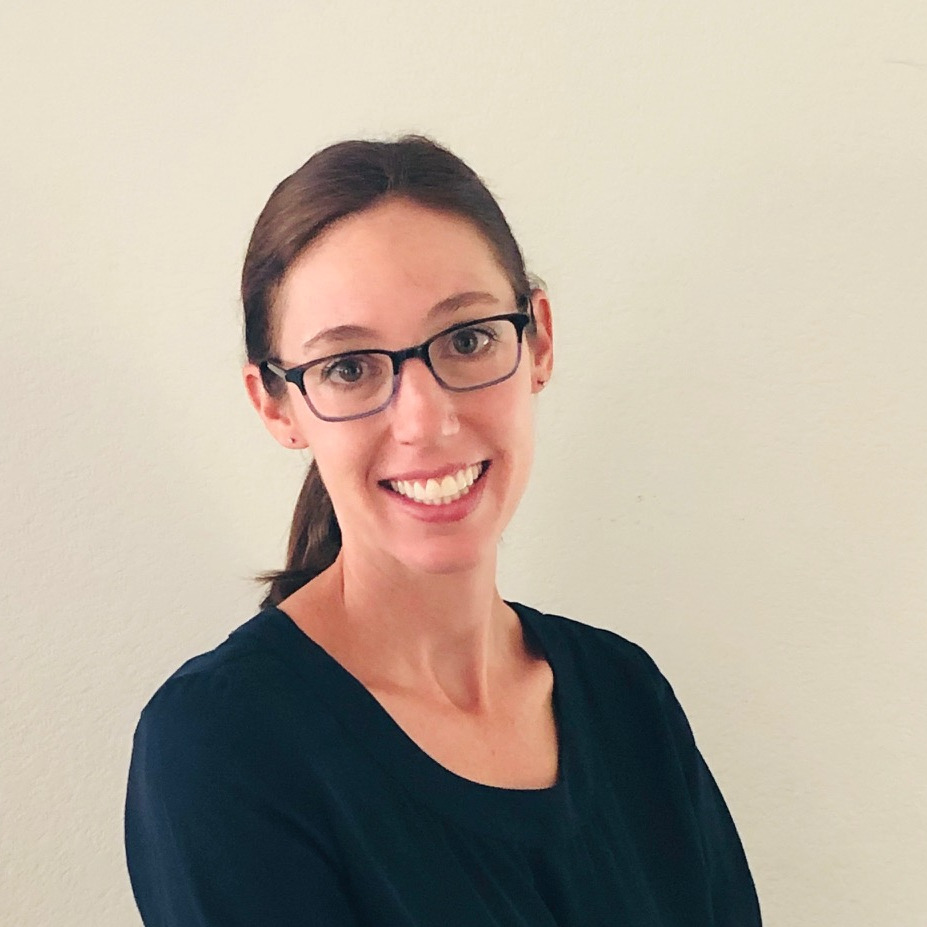
U.S. Geological Survey, Geoscience and Environmental Change Science Center;Dr. Melanie Vanderhoof is a Research Geographer with the U.S. Geological Survey, Geoscience and Environmental Change Science Center based in Denver, Colorado. She received her PhD in Geography from Clark University, Worcester, MA in 2014. After a Post-Doc with the U.S. Environmental Protection Agency, she joined the U.S. Geological Survey in 2015. She uses satellite imagery to understand how ecosystems change over time. Her research focuses on, 1) improving our ability to remotely track and understand wetland-river dynamics, and the impact of climate extremes on wetland function, as well as 2) enhancing our ability to monitor wildfire extent, severity, and post-fire regeneration.
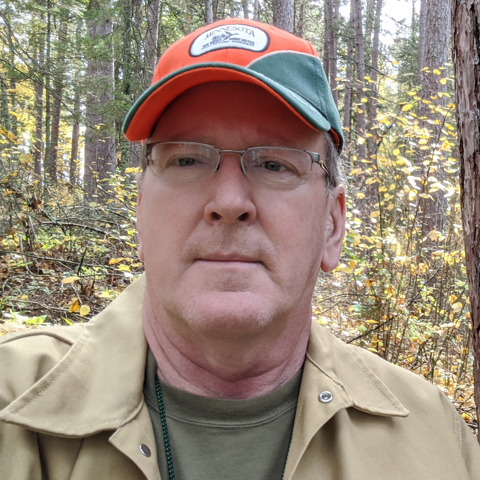
Mr. Brian Huberty
SharedGeo;Brian is the remote sensing advisor for SharedGeo (SG). SG is a group of geospatial misfits who like to make open source maps for difficult problems such as the first daily map of COVID by county for the U.S. in 2020. Brian is also the President of the Minnesota Forestry Association or better known as MFA. With a Bachelors and Masters in forestry from the University of Minnesota's College of Natural Resources, Brian specializes in remote sensing (e.g. Google Earth) and geospatial resource inventory systems (e.g. mapping trees with a GIS). During college, Brian spent summers fighting forest fires; removing an entire urban forest of diseased elm trees as an urban forester; and measuring trees in the Black Forest (Schwarzwald), Germany. Brian is helping MFA develop a new woodland mapping system called TimberView with SharedGeo and with support from the MN DNR. The aim is to provide a better ‘geospatial’ tool for woodland owners, foresters and loggers to jointly use to better manage the forests across Minnesota.
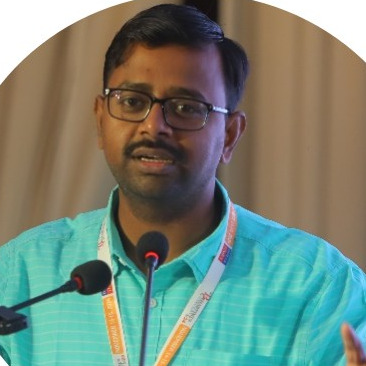
Ramanujan Fellow, ANRF-Govt. of India, at Indian Institute of Technology Delhi, India.;Adjunct Assistant Professor, Wetland Hydrology Research Laboratory, University of Waterloo, Canada.;Dr. Pankaj K. Gupta is a Ramanujan fellow, upholding one of the honoured scientific positions at the Indian Institute of Technology (I.I.T.) Delhi, India. As a Ramanujan fellow, he has undertaken an exceptional project “Engineered microBiome (E-microBiome)”, a unique combination of microbiology, hydrogeology, and chemical sciences for restoration of contaminated sites, funded by the ANRF, Govt. of India. He is also an adjunct assistant professor at the University of Waterloo, Canada.
The University of Alberta.;Dr. Muhammad Arslan is a Professional Biologist and Wetland Scientist with expertise in both restoring natural wetlands and developing man-made wetland ecosystems. He envisions harnessing these integral ecosystem components for genuine ecological rejuvenation. Always approaching his research through the critical lens of Environmental Impact Assessments, Muhammad consistently ensures a proactive and sensitive stance to ecological complexities. A fervent advocate for nature-based solutions and rights-based conservation, he firmly believes in a seamless amalgamation of traditional practices with modern restoration techniques, promising a holistic approach to ecological restoration. His dedication to the restoration of degraded ecosystems, improving water supply conditions, and enhancing biodiversity aligns perfectly with the goals set for the Decade on Ecosystem Restoration (2021–2030) by UNEP. Muhammad holds a Ph.D. in natural sciences from RWTH Aachen University, Germany, and has postdoctoral experience in environmental engineering from the University of Alberta, Canada. He’s a member of the Canadian Land Reclamation Association and the Alberta Society of Professional Biologists.
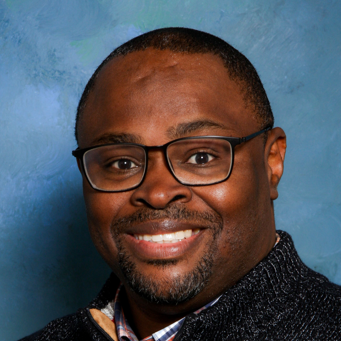
Alberta Geological Survey;Dr. Alex Onojeghuo is a Geospatial and Earth Observation Data Specialist with over 15 years of experience conducting research and operational-based projects in the UK, Africa, and North America. During this period, he has been privileged to work with interdisciplinary teams of scientists and engineers from diverse disciplines in oil and gas and on environmental consulting projects. Alex holds a Bachelor of Science degree in Surveying and Photogrammetry from Enugu State University of Science and Technology, a Master of Science in Surveying and Geoinformatics from the University of Lagos, and a Ph.D. in Geography (specializing in GIS and Remote Sensing) from Lancaster University. He is currently a Senior GIS Specialist at the Alberta Geological Survey, where he applies his vast skills and expertise in diverse geological and environmental projects. Alex is actively involved in scientific research and has published scientific journal publications in earth observation and geoinformatics. He is married to his lovely wife, Ajoke, and they both enjoy taking road trips and making new friends. Explore his portfolio for past and ongoing research interests and products at https://alex-onojeghuo-portfolio-jolexy.hub.arcgis.com/.

In honor of World Wetlands Day 2025 (https://www.un.org/en/observances/world-wetlands-day), MDPI is hosting a special webinar to unite researchers, experts and environmental advocates in a dynamic conversation about the critical importance of wetlands. The event will highlight the diverse range of wetlands, spanning freshwater, coastal, and human-made ecosystems and emphasize their essential environmental, social, and economic contributions.
During this session, we will delve into the invaluable ecosystems services that wetlands provide, including flood control, water purification, and biodiversity support. By raising awareness, we aim to inspire collective action towards the protection and preservation of these irreplaceable ecosystems.
We are thrilled to present a lineup of distinguished speakers who will explore a range of fascinating topics including:
- Wetland Mapping: Avoid Getting Stuck in the Muck of the Future: Insights into how advanced mapping techniques can help us monitor and manage wetlands for the future.
- How Wetlands Influence River Discharge and the Potential Impact of Climate Change: An exploration of the critical role wetlands play in regulating river flows, and how climate change may alter these dynamics.
- Tracking Surface Water Over Time with Sentinel-1 and Sentinel-2: A look at the innovative use of satellite technology to monitor surface water changes in wetlands, with an eye toward long-term tracking.
- Shallow Groundwater Quality Management in the Peatlands: Examining the unique challenges of managing groundwater quality in peatland wetlands and the importance of sustainable practices.
- Enhancing Treatment Wetland Resilience: The Crucial Role of Traditional Ecological Knowledge alongside Western science.
- Wetlands Mapping in Alberta's Parkland and Grassland Region: A Multisensory and Multi-temporal Approach.
We can't wait to see you at the World Wetlands Day Webinar 2025!
Time: 7:00 p.m. CET | 1:00 p.m. EST
Webinar ID: 839 7775 3692
Webinar Secretariat: journal.webinar@mdpi.com
The webinar was hosted on Zoom and required prior registration to attend. The full recording can be accessed below. In order to learn about future webinars, you can sign up for our newsletter by clicking “Subscribe” at the top of this page.