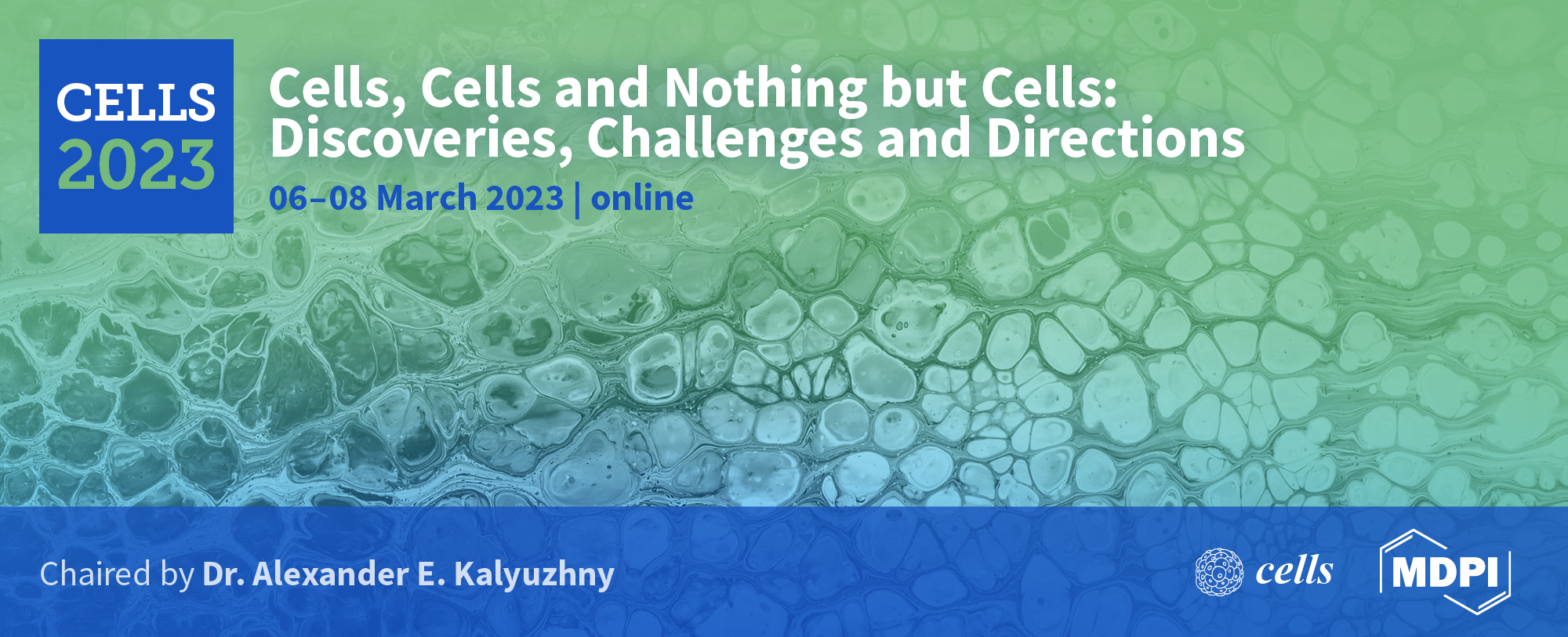
Cells, Cells and Nothing but Cells: Discoveries, Challenges and Directions
Dear Colleagues,
Cells 2023 has officially come to an end! We would like to thank our conference chair, session chairs, speakers, and all the attendees for making this a great meeting.
You can download an electronic Certificate of Attendance by accessing your dashboard on Sciforum.net. Please login with the same email you used to register to the conference. The certificate will be found under "My Certificates".
the chair
On behalf of Cells I welcome you to our 2023 grand virtual Conference. The objective of this event is to bring together all researchers and scholars to discuss a wide range of topics covering the aim and scope of Cells. We envision this Conference as a highly interactive forum which is open to diverse forms of interaction between its participants. Currently, Cells serves as a platform covering a broad range of topics including cell signaling, stem cells, organelle function, reproduction and aging, autophagy and metabolism, and other aspects of cell physiology. Cells is the journal of choice for researchers who need a quick turnaround time in reviewing and publishing their papers. We can be proud of the fact that we have a high number of repeat contributing authors, which sends a strong message to research community that Cells is recognized as a high quality service provider with an impeccable reputation because of its peer review and revision process.
We expect that participants of this Conference can exchange novel provocative ideas by presenting short oral presentations on research and development discoveries, as well as emphasize challenges facing Cell Biology as a discipline and the priority of critical health issues, we should focus on using cell biology tools and techniques.
Download the conference flyer and share it with your colleagues!
Conference Chair,
Dr. Alexander E. Kalyuzhny
Sponsored by:

Conference Secretariat
Ms. Sara Ottolini
Ms. Laura Wei
Ms. Rainy Han
Email: cells2023@mdpi.com
Follow us on Social Media


Meet Our Chair
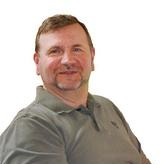
Neuroscience, UMN Twin Cities, Minneapolis, USA;Opioid analgesics are currently the first choice drugs for the treatment of pain. Although opioid analgesics have been found to produce antinociception through interaction with pharmacologically distinct G protein-coupled mu-, delta- and kappa-opioid receptors, the mechanism underlying the function of these receptors is not fully understood. For example, a fundamental question remains regarding the functional relevance of heteromeric mu/delta and mu/kappa-opioid receptors. My research interests are focused on investigating the mechanisms underlying constitutive and induced heteromerization of opioid receptors using double-transfected HEK-293 cells as a model, as well as primary sensory neurons isolated from the dorsal root ganglia and cultured in vitro. The study is aimed at determining how opioid receptors form mu/delta- and mu/kappa heteromers as well as at investigating heteromerization of opioid receptors with non-opioid ones, including chemokine CCR5 and CXCR4, and glutamate mGluR5 receptors. In addition, studies are done to reveal the effects of ligands with dual agonist/antagonist activity on receptor trafficking and heteromerization using advanced multi-color fluorescence immunocytochemistry, confocal microscopy, and image analysis techniques. These studies will shed light on the function of opioid receptors and will also help to clarify the role of chemokine and glutamate receptors in modulating the antinociceptive activity of opioid analgesics.
Important Dates
16 Dec
2022
20 Jan
2023
8 Feb
2023
27 Feb
2023
27 Feb
2023
Meet Our Speakers
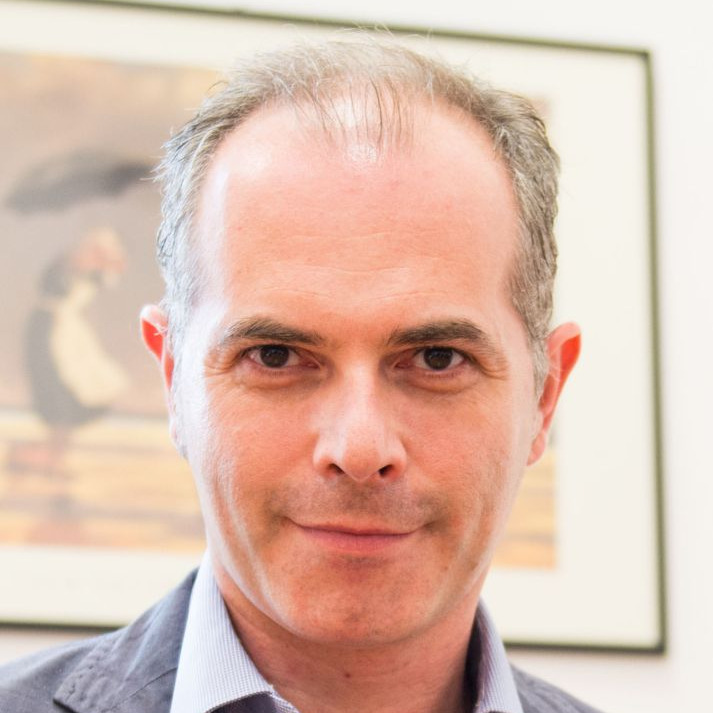
Dept. of Biology and VIMM, University of Padova, Italy;Luca Scorrano is Professor of Biochemistry at the Department of Biology, University of Padua (Italy). He completed his Medical Degree (1996) and his PhD in Molecular and Cellular Biology and Pathology (2000) at the University of Padua with Paolo Bernardi. From 2000 to 2003 he was Human Frontier Science Program (HFSP) postdoctoral fellow at Dana-Farber Cancer Institute, Harvard Medical School in Boston (USA), in the lab of the late Stanley J. Korsmeyer, a founding father of the field of apoptosis. In 2003 he was awarded an Assistant Scientist position at the Dulbecco-Telethon Institute, in 2006 he was recruited as Full Professor at the Dept. of Cell Physiology and Metabolism of the University of Geneva Medical School (Switzerland). In 2013 he moved to the University of Padova as Professor of Biochemistry and from 2014 to 2020 he served as Scientific Director of the Veneto Institute of Molecular Medicine. The work of L. Scorrano addresses the central question of form-function relationship at the molecular level. During his career, he has changed classical tenets in the fields of apoptosis, mitochondrial pathophysiology, and medicine. His work on cristae remodeling paved the way for the new field of mitochondrial dynamics.
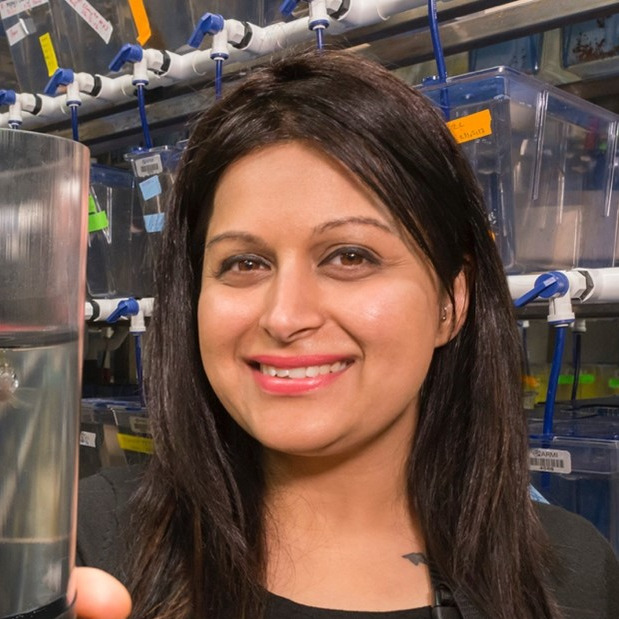
Senior lecturer, Department of Anatomy and Physiology, The University of Melbourne;Adjunct Senior Research Fellow, Australian Regenerative Medicine Institute, Monash University;Dr Ruparelia is a senior lecturer and group leader in the Department of Anatomy and Physiology at The University of Melbourne. Her group is investigating the biology of skeletal muscle ageing, examining processes such as muscle fiber atrophy and growth, muscle stem cell dynamics, muscle regeneration, and metabolism. For her research program, she not only uses the unique advantages of the zebrafish model, but she also uses a new experimental system – that of the African killifish, whose extremely short lifespan makes it an attractive model for ageing research.
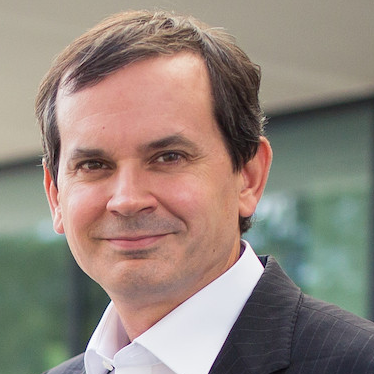
Prof. Dr. Lenhard Rudolph
Leibniz Institute on Aging – Fritz-Lipmann Institute (FLI), Jena, Germany;K. Lenhard Rudolph is senior group leader at the Leibniz Institute on Aging – Fritz-Lipmann Institute (FLI) in Jena. From 2012-2017 he was the scientific director of the FLI. He received several prestigious research grants and awards including Emmy-Noether-funding, a Heisenberg-Professorship, the Gottfried-Wilhelm Leibniz award of the German Research Foundation (DFG), and an advanced grant of the European Research Council (ERC). His main contributions include the first description of the role of telomere dysfunction in stem cell and organism aging. His work showed that alterations in epigenetic stress responses of aging stem cells lead to aberrant activation of developmental pathways and stem cell dysfunction. His current work identifies aging-associated metabolic alterations that limit the function of stem cells and organ maintenance. Based on this knowledge his group aims to develop new interventions that can be used in late life to improve health at old age.
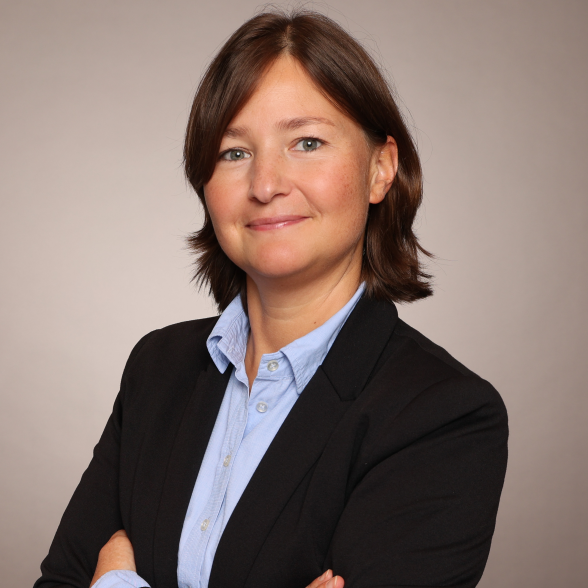
Institute of Anatomy, LMU in Munich, Germany;Anna Sigmund is a group leader at the Institute of Anatomy at the LMU in Munich. She studied biology with focus on cell biology at the LMU in Munich and did her PhD investigating TLR-signalling at the Institute of Medical Microbiology and Immunology in Essen. Now her research focuses on cell contacts and desmosomal adhesion in the skin. Here she investigates desmosomal interaction- and signalling mechanisms especially in the context of the autoimmune blistering disease pemphigus to establish new treatment paradigms directly targeting keratinocyte adhesion.
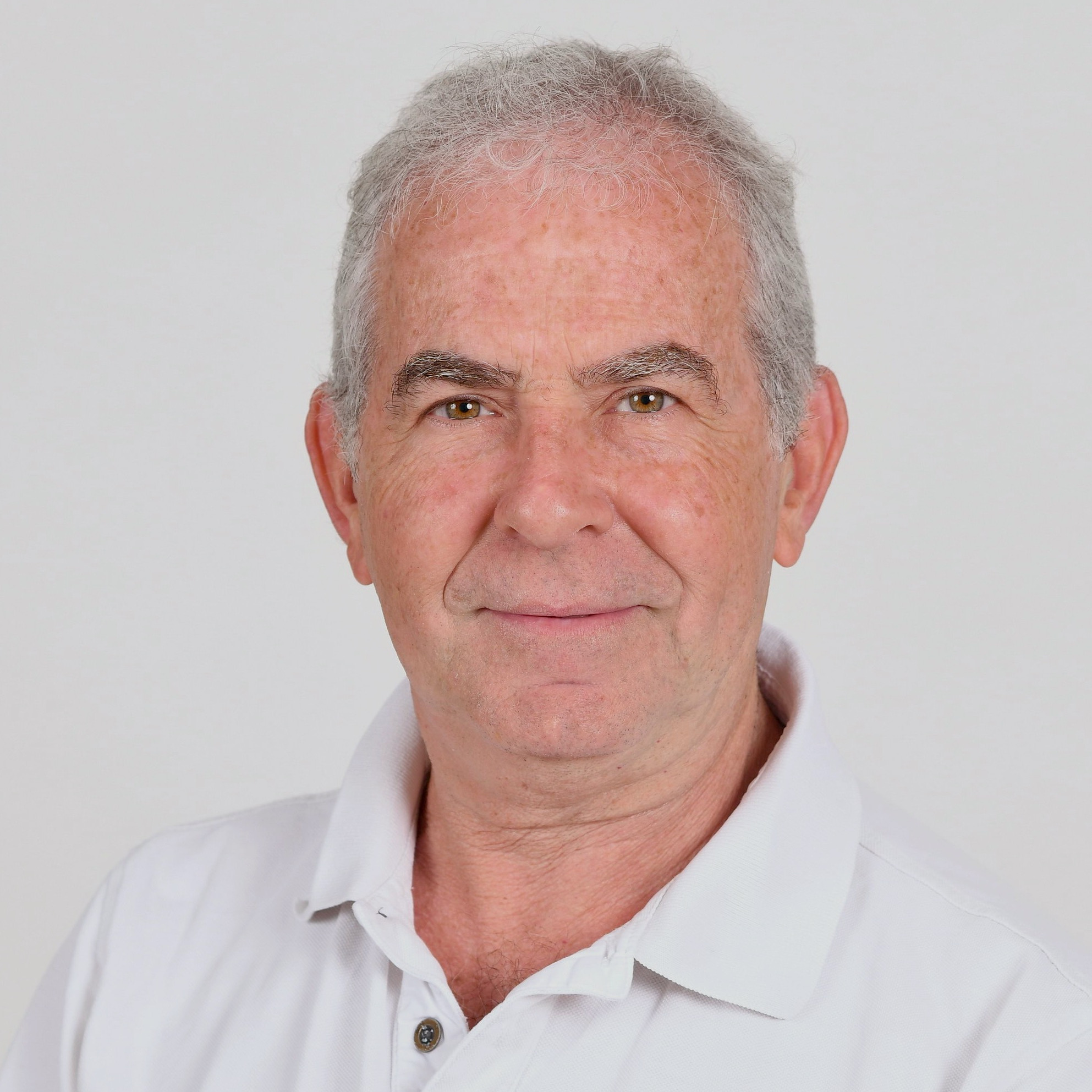
Professor of Cell Biology, Shmunis School of Biomedicine and Cancer Research, and Sagol School of Neuroscience, Tel Aviv University, Israel.;Ph.D. at Leloir Institute, University of Buenos Aires, Argentina, 1986 Postdoctoral fellow at Whitehead Institute, Cambridge, MA, USA Faculty position at Tel Aviv University since 1991 Visiting professor at Harvard Medical School and Boston Children’s hospital Research overview: Mechanisms of endoplasmic reticulum (ER) quality control and delivery of misfolded proteins to ER-associated degradation (ERAD). How these processes are regulated by cellular stress and how this relates to diseases where ER stress and protein misfolding is central, especially neurodegenerative diseases, focusing on models of Huntington’s disease.
Center for Integrative Genomics (CIG), University of Lausanne, Switzerland;Lee Kong Chian School of Medicine, Nanyang Technological University Singapore & Imperial College London, Singapore;Walter Wahli received his PhD from the University of Bern in Switzerland. He was a postdoc at the Carnegie Institution of Washington in Baltimore, and a Visiting associate at the National Cancer Institute, NIH, Bethesda USA. He then became Professor and Director of the Institute of Animal Biology of the University of Lausanne (UNIL), Switzerland, where he also was Vice-rector. He founded the Center for Integrative Genomic (CIG), which he directed until 2005. He was a member of the Swiss National Science Foundation research council and presided over the Biology and Medicine Division. He is an elected member of the EMBO and of several academies. He received the Otto-Naegeli Prize (2002), the European Federation of Lipid Research Award (2002), the Hartmann Müller Prize (2008) and the Lifetime Achievement Award from the UNIL Faculty of Biology and Medicine (2011). He is currently a Professor emeritus at UNIL and Visiting Professor of Metabolic Disease in Lee Kong Chian School of Medicine, Nanyang Technological University Singapore. The contributions of Walter Wahli over the last 40 years unfold logically in a series of discoveries that contributed in advancing our understanding of the molecular mode of action steroid hormones, fatty acids and derivatives, which signalling impacts most key biological processes in vertebrates. Notably, he has worked and still works on the nuclear receptors Peroxisome Proliferator Activated Receptors, known as PPARs, involved in energy metabolism and explores the potential of PPARs as drug targets in metabolic diseases.
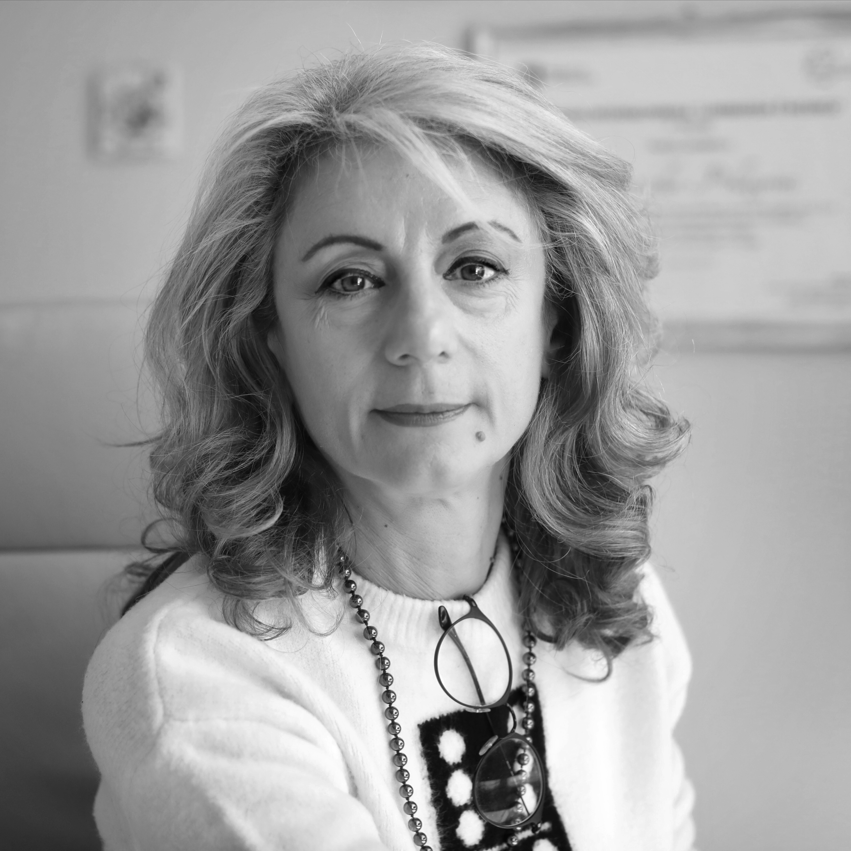
University of Modena and Reggio Emilia;Centre for Regenerative Medicine "Stefano Ferrari";Graziella Pellegrini is Full Professor at the University of Modena and Reggio Emilia and Cell Therapy Program Coordinator at the Centre for Regenerative Medicine "Stefano Ferrari". She is also co-founder of Holostem Terapie Avanzate S.r.l. She has a Master Degree in Chemistry and Pharmaceutical Technologies and a Master Degree in Pharmacy at the University of Genova. She was one of the two inventors of the technology for culture and transplantation of limbal stem cells for the treatment of blindness due to corneal stem cell deficiency; she discussed and obtained the orphan drug designation and European registration of this corneal stem cell therapy. She developed several translational medicine protocols for treatment of third-degree burns, depigmentation disorders and a successful phase I clinical trial on gene therapy of epidermolysis bullosa. She is currently working with her team, on oral mucosa and urethra for a phase I clinical trial and translational research on airway epithelium. Author of many patents, book chapters and international peer reviewed publications in the major international peer-review journals, as New England Journal of Medicine, Nature, Lancet and was invited speaker or chairman in over 250 major scientific meetings all over the world. Prof. Pellegrini is founding member of the International Ocular Surface Society and member of many major scientific societies and international committees.
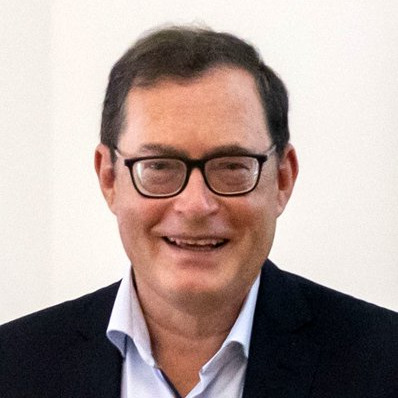
German Center for Neurodegenerative Diseases (DZNE), Germany;Alexander Dityatev is the head of the Molecular Neuroplasticity research group at DZNE and a full professor at the University of Magdeburg. His group is studying the role of extracellular matrix (ECM) molecules in major brain diseases and developing new strategies to image and target the ECM. Working together with Melitta Schachner at the Center for Molecular Neurobiology Hamburg, Dr. Dityatev uncovered synaptic functions of several cell adhesion and extracellular matrix molecules, such as tenascins, chondroitin sulfate proteoglycans, NCAM, L1, CHL1, and their associated glycans. Being a Senior Researcher at the Italian Institute of Technology, Dr. Dityatev published several mechanistic studies uncovering how synaptic plasticity and learning are regulated by polysialylated form of NCAM and hyaluronic acid through regulation of extrasynaptic GluN2B receptors and L-type Ca2+ channels. Dityatev's research group in Magdeburg recently reported on several treatments - targeting extracellular proteolysis, synaptogenesis and ECM remodelling - to suppress epileptogenesis and rescue cognitive functions in mouse models of dementia. Dr. Dityatev graduated in Mathematics at the Leningrad State University and accomplished his Ph.D. in Biology at the Sechenov Institute of Evolutionary Physiology and Biochemistry in Leningrad.
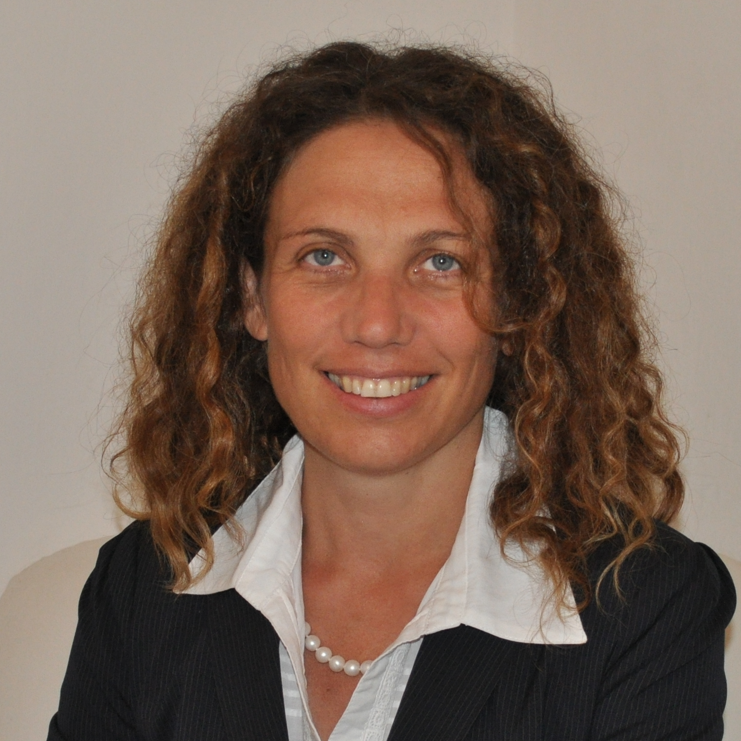
Head of Department of Biotechnology and Biosciences, Full Professor of General Pathology, University of Milano-Bicocca, Italy;Francesca Granucci received her PhD in Pharmacology and Toxicology from the University of Milan in 1996. She then performed the Post doc at the Dana Farber Cancer Institute – Boston. From 1998 to 2001 she worked as Research Associate at the CNR in Milan and from 2001 to 2006 she worked as Research Associate at the University of Milano-Bicocca. She is currently Full Professor of General Pathology at the Department of Biotechnology and Biosciences of the University of Milano-Bicocca. In 2012 she obtained the EFIS-EJI Ita Askonas prize as best female group leader in immunology and in 2019 the IUBMB Jubilee Lecturer medal for her outstanding contributions to understanding the mechanisms of innate immunity. Prof. Granucci has pioneered systems biology approaches to study host-pathogen interactions. She has described specific molecular events occurring during the interaction of dendritic cell with gram-negative bacteria and in inflammation.
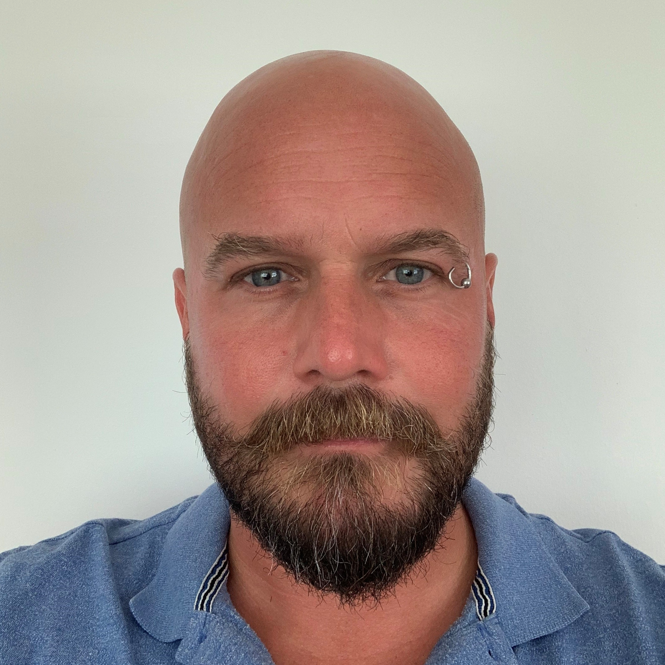
Wellcome Trust Centre for Cell-Matrix Research; University of Manchester;Pat is based within the Wellcome Trust Centre for Cell Matrix Research at the University of Manchester. Pat studied Biochemistry at the University of Nottingham, before undertaking a PhD at the University of Leicester and a postdoc in Jim Norman’s lab at the CRUK Beatson Institute. Pat established his lab in 2010, focussing on how cell-matrix interactions through integrins generate signals that control key cellular processes such as cell migration, differentiation and survival. The lab is specifically interested in how dynamic membrane processes control cell matrix interactions and the cytoskeleton, in particular how vesicular trafficking and membrane mechanics regulate matrix assembly and cell migration in 3D matrix.
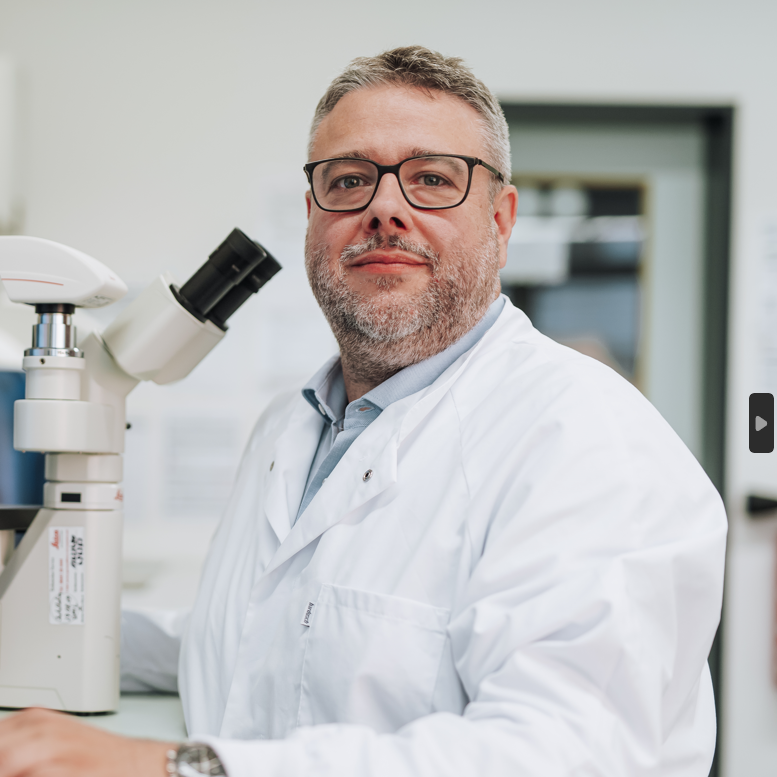
CEO of CELLphenomics and ASC Oncology;Dr. Christian Regenbrecht mainly focusses on system oriented tumor research using three dimensional organoid tumor models. After studying biology and philosophy at the Rheinische Friedrich-Wilhelms-Universität in Bonn, he was awarded his doctorate in natural sciences under the supervision of Otmar Wiestler at the University Hospital in Bonn in 2005. He then worked at the Max Planck Institute for Molecular Genetics in Berlin as a research assistant to Hans Lehrach. Together with his research group, he moved to the Charité in Berlin in 2010, where he not only headed the “Tumor Stem Cells” research group at the Institute of Pathology until 2016, but also the central laboratory for functional genome research from 2012 to 2014. Having also been involved in excellent peer-reviewed international research projects since 2010, he founded the company CELLphenomics GmbH in June 2014. The 3D cell culture models (PD3D® models) developed there from tumor samples are used in research to further develop cancer drugs. The generated tumor models map the original tumor with unprecedented reliability. Outside the human body, these precise copies of the tumor in the patient allow to make an accurate and differentiated prediction on the likelihood of the cancer drugs’ efficacy (and inefficacy). Since founding ASC Oncology GmbH in March 2019, Dr. Regenbrecht has made the Reverse Clinical Engineering® test procedure that he developed directly available to patients, oncologists, and clinics. He is currently habilitating at the Universitätsmedizin Göttingen.
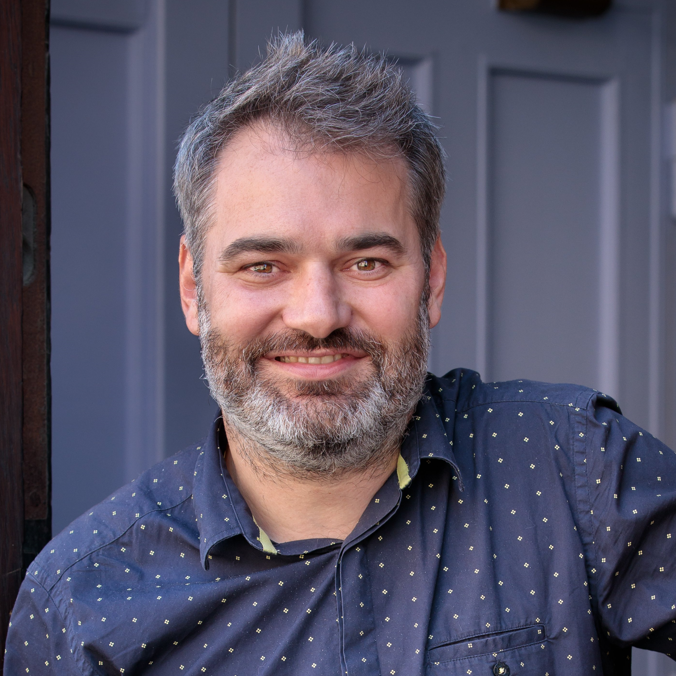
Tumor Biomechanics lab, INSERM UMR_S1109, Strasbourg, France;Vincent is a researcher in the Tumor Biomechanics lab, in Strasbourg (INSERM U1109). His work focuses on the cell-cell communication mediated by extracellular vesicles (EVs) during tumor progression and metastasis. With his group, he investigates the molecular mechanisms driving EV secretion, how tumor EVs spread in the organism via the circulation to reach distant organs and how they alter the local microenvironment to induce the formation of pre-metastatic niches. To do this, they combine photonic and electronic microscopy and use a combination of in vitro (microfluidics) and in vivo (zebrafish, mouse) models adapted to EVs tracking.
Eivor and Alston Callahan Endowed Chair, Department of Ophthalmology and Visual Science, University of Alabama at Birmingham, Alabama;Dr. Maria Grant, M.D., FARVO, is the Eivor and Alston Callahan Endowed Chair and Professor of Department of Ophthalmology and Visual Science. Dr. Grant completed her Medical Degree and Internship, residency and fellowship in Endocrinology and Metabolism at the University of Florida. She completed a Research Fellowship in the Department of Ophthalmology at Johns Hopkins University. Dr. Grant’s laboratory is interested in understanding the role of bone marrow cells and vascular wall cells in vascular repair in diseases such as in aging and diabetes. Dr. Grant’s research focus on understanding the biology of hematopoietic and endothelial stem and progenitor cell emergence, maintenance, and their regenerative properties. More recently she has examined the role of the renin angiotensin system in the intestine and how that impacts glucose homeostasis and immune function in aging and diabetes. She has served as principle/co-investigator on more than thirty five extramural foundation/NIH grants that have led to more than 260 peer reviewed publications.