Please login first

ncRNA2026: From Molecular Mechanisms to Clinical Impact

24–26 June 2026, Leuven, Belgium
Abstract Submission Deadline
24 February 2026
Abstract Acceptance Notification
24 March 2026

Early Bird Registration Deadline
28 April 2026
Covering Author Registration Deadline
10 May 2026
Registration Deadline
17 June 2026

non-coding RNA, RNA modifications, biomarkers, ncRNA families, computational biology, gene regulation, ncRNA biology, artificial intelligence, ncRNA classes
Bookmark
Bookmark event Remove event from bookmarks
Add this event to bookmarks
Event Registration Contact Us

Welcome from the Chairs

Dear Colleagues,
We are delighted to announce the upcoming international conference, "ncRNA2026: From Molecular Mechanisms to Clinical Impact", which will take place from 24 to 26 June 2026 in Leuven, Belgium, at the historic Irish College. Marking the 10th anniversary of MDPI's ncRNA journal, ncRNA2026 will unite the global non-coding RNA community to exchange ideas, present discoveries, and foster collaborations in this dynamic and rapidly evolving field of research.
In recent years, non-coding RNA studies have revolutionized our understanding of gene regulation, cellular networks, and disease mechanisms. ncRNA2026 will showcase the latest breakthroughs in ncRNA biology and technology through a program dedicated entirely to this field—from molecular mechanisms and clinical applications to data science and translational insights.
The conference will also welcome patient advocates and industry representatives, highlighting the translational potential of ncRNA science, and will include publishing workshops to support researchers in sharing their work effectively.
ncRNA2026 will feature distinguished international invited speakers, complemented by a strong selection of oral and poster presentations from submitted abstracts. Ample opportunities for networking and informal exchange will help foster collaboration and innovation across disciplines.
We look forward to welcoming you to Leuven for an inspiring and engaging meeting at the forefront of ncRNA science.
Sincerely,
Your ncRNA2026 Chairs
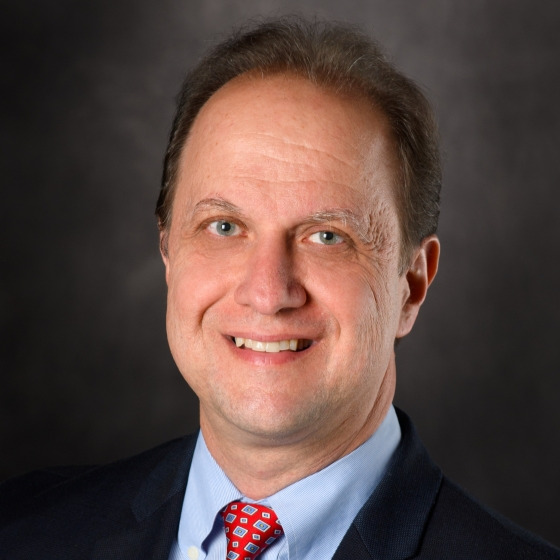
Prof. Dr. George A. Calin, Dr. Manuela Ferracin, Prof. Dr. Eleonora Leucci, and Dr. Isidore Rigoutsos
Conference Secretariat
Ms. Roberta Miglioranza
Dr. Laura Pérez-Martín
Dr. Elena Gonzalez

Join us on LinkedIn Events!

If you want to stay updated with the latest information, or if you want to connect with your fellow researchers before, during, and after the event, then be sure to join the ncRNA2026: From Molecular Mechanisms to Clinical Impact LinkedIn Event.
See you over there!

Follow the conversation on Twitter / X with #ncRNA2026

Event Chairs

University of Texas MD Anderson Cancer Center, Houston, USA

Introduction
Bio
After receiving both his M.D. and Ph.D. degree at the Carol Davila University of Medicine in Bucharest, Romania, and working in cytogenetics as an undergraduate student with Dr. Dragos Stefanescu in Bucharest, Prof. Dr. George A. Calin completed cancer genomics training in Dr. Massimo Negrini’s laboratory at the University of Ferrara, Italy. In 2000, he became a postdoctoral fellow at Kimmel Cancer Center in Philadelphia, PA, and, while working in Dr. Carlo Croce’s laboratory, he was the first to discover the link between human cancers and microRNAs, a finding considered a milestone in microRNA research history. He has since developed an independent research group at the M. D. Anderson Cancer Center in Houston, producing new advances by linking other classes of non-coding RNAs, such as transcribed ultraconserved regions and transcribed pyknons to cancer. He is presently a professor in the Translational Molecular Pathology and Leukemia Departments at MDACC and studies the roles of microRNAs and other non-coding RNAs in cancer initiation and progression and in immune disorders, as well as the mechanisms of cancer predisposition linked to ncRNAs. He also explores the roles of body fluid miRNAs as potential hormones and biomarkers and new RNA therapeutic options for cancer patients. In his two decades of scientific research, Prof. Dr. Calin has trained more than 150 fellows at different stages in their career.
Department of Medical and Chirurgical Sciences, University of Bologna, Italy

Introduction
Bio
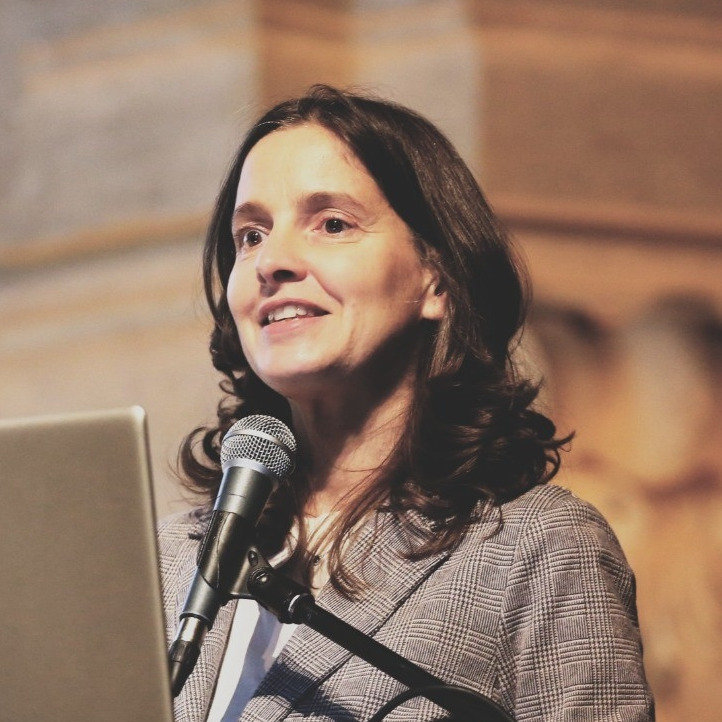
Dr. Manuela Ferracin (H-index = 52; >25000 citations in Scopus) has a strong background in molecular oncology, with a specific expertise in the identification of diagnostic or prognostic gene signatures. As a PhD student in Prof. Negrini’s lab (Ferrara, Italy), she collaborated with Prof. George Calin (Houston, TX) and Prof. Carlo Croce (Columbus, OH) when they published the first papers showing an association between microRNAs and cancer. They developed the first microarray for microRNA expression analysis, which Dr. Ferracin later applied to the discovery of microRNAs and non-coding RNAs involved in leukaemia, breast cancer and other solid tumours (PNAS, 2004; NEJM, 2005; CancerCell, 2007). As a postdoc, she performed studies on different tumour types to identify molecular signatures (microRNA-, ncRNA-, gene-based) for cancer diagnosis and prognosis, including the methylator phenotype in colorectal cancers (J Pathol 2008), fludarabine resistance in CLL (Mol Cancer 2010) and site-of-origin prediction of cancer of unknown primary, CUP (J Pathol 2011). In 2012, she obtained the prestigious “My First AIRC Grant” to study circulating microRNAs in biological fluids of cancer patients. Dr. Ferracin also identified cancer-specific signatures of cell-free microRNAs for cancer diagnosis (last author, CEBP 2014; first author, Oncotarget 2015 & JoVE 2016 & Int J Mol Sci 2017). Following her recruitment as Professor at the University of Bologna in 2016, she established an independent research group and obtained a grant as PI from Bologna University (Almaidea) to study methylation alteration in stage II colorectal cancer (CancerLett, 2018). In 2017, she was granted an Investigator Grant from AIRC to develop a molecular assay for CUP molecular prediction and model development (FrontiersOncol, 2018; Cancers, 2021). She is currently working on the identification of melanoma prognostic biomarkers and the development of patient-derived cancer models.

Laboratory for RNA Cancer Biology, KU Leuven, Belgium

Introduction
Bio
Prof. Dr. Eleonora Leucci has an international education, having obtained her PhD in Medical Biotechnology from the University of Siena (Italy) in 2007 and moved to BRIC, University of Copenhagen (Denmark) to work on small and long non-coding RNAs in Anders Lund’s lab as a postdoctoral fellow. In 2012 she moved to Belgium, where she was first a Marie Curie/VIB postdoctoral fellow in Chris Marine’s lab and then an FNRS research associate at ULB, studying the role of lncRNAs in skin cancer. She received several national and international prizes in 2016 for her work on lncRNA SAMMSON and was the recipient of the 2018 MRA young investigator award. Since 2017, Prof. Dr. Leucci has led the laboratory for RNA cancer biology and the PDX platform TRACE at KU Leuven. Her lab studies RNA metabolism in cancer with a particular focus on the characterization of long non-coding RNAs which are important for therapeutic resistance.
Thomas Jefferson University, Philadelphia, USA

Introduction
Bio
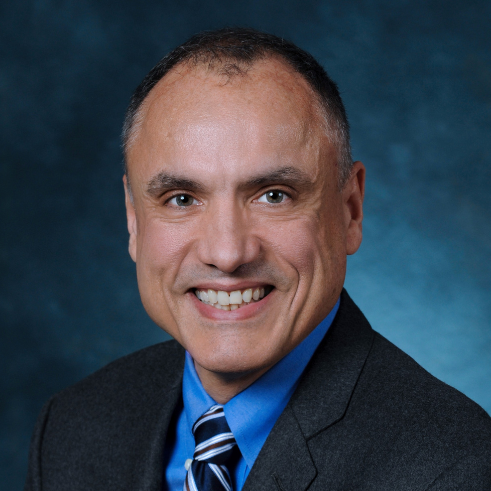
Professor Rigoutsos is the Richard W. Hevner Chair in Computational Medicine, and the Director of Thomas Jefferson University's Computational Medicine Center, which he founded in 2010. Prior to joining Jefferson, Prof. Rigoutsos was with IBM's Thomas J. Watson Research. At IBM, he co-founded the Computational Biology Center in 1992. He also founded the Bioinformatics and Pattern Discovery group in 1998 and managed it until his departure. In parallel to his IBM tenure, Prof. Rigoutsos was a Visiting Lecturer in the Dept. of Chemical Engineering of the Massachusetts Institute of Technology (MIT), where he taught graduate-level classes and summer professional courses in Bioinformatics and co-supervised PhD students (2000-2010). The Rigoutsos lab studies post-transcriptional regulation by small non-coding RNAs with an emphasis on microRNAs and their isoforms (isomiRs), tRNA-derived fragments (tRFs), rRNA-derived fragments (rRFs), and Y RNA-derived fragments (yRFs). The Rigoutsos lab was the first to demonstrate that the identity and abundance of these small RNAs, and their regulatory effects on messenger RNAs, depend on tissue type, disease, and an individual's sex and ancestry. Prof. Rigoutsos is a Fellow of the American Association for the Advancement of Science (AAAS), and a Fellow of the American Institute for Medical and Biological Engineering (AIMBE).

Event Committee

School of Biology and Environmental Science, University College Dublin, Ireland

Introduction
Bio
Dr. Rory Johnson leads groundbreaking research in Precision RNA Therapeutics for Lung Cancer as Associate Professor at University College Dublin, School of Biology and Environmental Science. Focused on enigmatic long noncoding RNAs (lncRNAs), his work blends CRISPR genome editing, bioinformatics, and oligonucleotide drugs to combat non-small cell lung cancer. With a rich academic background, including a Wellcome Trust scholarship, postdoctoral research in Singapore, and leadership in the Genomics of Long noncoding RNAs in Disease (GOLD Lab), Rory is at the forefront of decoding the human genome and its role in disease. His move to UCD, supported by an SFI Future Research Leaders grant, continues his vital quest for understanding the noncoding genome in cancer.

Invited Speakers

Laboratory of Bioinformatics and Protein Engineering, International Institute of Molecular and Cell Biology, Poland

Introduction
Bio
Prof. Dr. Janusz M. Bujnicki is a structural biologist who combines experimental and computational approaches. He serves as Head of the Laboratory of Bioinformatics and Protein Engineering at the International Institute of Molecular and Cell Biology (IIMCB) in Warsaw, Poland. He earned an M.Sc. in Microbiology from the University of Warsaw (1998), a Ph.D. in Biology (2001), and habilitation in Biochemistry (2005) at the Polish Academy of Sciences, and was awarded the title of Professor of Biological Sciences in 2009. His research focuses on understanding how RNA sequences encode their three-dimensional structures and biological functions. His group integrates computational modeling with structural and biochemical experiments, working on RNA and RNA–protein complexes using approaches such as cryo-electron microscopy, X-ray crystallography, molecular simulations, and biochemical analyses. A current direction of the laboratory is to investigate how RNA modifications influence RNA structure and to identify small molecules that act on structured RNAs involved in disease, including both viral and cellular RNAs. Prof. Bujnicki has authored more than 300 peer-reviewed publications and received numerous awards for his scientific achievements. He is a member of the European Molecular Biology Organization (EMBO), Academia Europaea, and the Polish Academy of Sciences. He has also been active in science advice, serving on the European Commission’s Group of Chief Scientific Advisors and in advisory bodies in Poland, contributions recognized with distinctions such as the André Mischke Prize.

Molecular, Cellular and Developmental Biology Program, The Ohio State University, USA

Introduction
Bio
Prof. Dr. Carlo M. Croce is Professor of Molecular Virology, Immunology and Medical Genetics, Director of the Human Cancer Genetics Program and Institute of Genetics, and holder of the John W. Wolfe Chair in Human Cancer Genetics at The Ohio State University (OSU). He earned his M.D. (summa cum laude) from La Sapienza University of Rome in 1969. Dr. Croce is widely recognized for pioneering the genetic understanding of cancer, notably by discovering critical oncogenes (such as BCL2, MYC, ALL1/MLL, and TCL1A) and elucidating how chromosomal translocations can trigger malignant transformations in leukaemia and lymphomas. He and his team made the breakthrough discovery that small non-coding RNAs known as microRNAs (miRNAs) play central roles in cancer initiation and progression, linking miRNA dysregulation to various leukaemias, lymphomas, and solid tumors. Under his leadership, OSU has developed one of the largest portfolios of miRNA-related technologies worldwide, including miRNA signatures that may be used for early diagnosis, prognosis and therapeutic targeting. Prof. Dr. Croce’s contributions have been widely recognized: he has published hundreds of peer-reviewed papers, been elected to prestigious bodies such as National Academy of Sciences and Institute of Medicine (USA), and received multiple major awards, including the AACR Margaret Foti Award for Leadership in Cancer Research.

Oncogenomic Research Unit, Department of Experimental Medicine, Sapienza University, Italy

Introduction
Bio
Dr. Elisabetta Ferretti is Full Professor of General Pathology at the Sapienza University of Rome, where she directs the Oncogenomic Research Unit in the Department of Experimental Medicine. She earned her MD (summa cum laude) in 1991 and specialized in Endocrinology in 1996; she obtained a PhD in Experimental Medicine in 2001 from the University of L’Aquila. Her research focuses on molecular oncology, with particular emphasis on microRNAs and long non-coding RNAs, dysregulated signalling pathways (e.g., Hedgehog/GLI), liquid-biopsy biomarkers (circulating microRNAs and cfDNA), and molecular mechanisms of tumorigenesis in solid tumours (e.g., brain, lung, colorectal, melanoma, thyroid). Under her leadership, her group has contributed to identifying non-invasive biomarkers for cancers including melanoma and medullary thyroid carcinoma, supporting early diagnosis and precision-medicine approaches. She has authored over 185 articles (H-index ≈ 63, >13 000 citations) and is listed among “Top Italian Scientists” in Biomedical Sciences.

DNA & RNA Medicine Division, CIMA, University of Navarra, Spain

Introduction
Bio
Dr. Maite Huarte Martínez is Director of the DNA & RNA Medicine Division at CIMA Universidad de Navarra and the Principal Investigator of the “Non-coding RNA and Cancer Genome” research group. She earned her Degree in Biological Sciences from Universidad de Navarra (1997) and a PhD in Molecular & Cellular Biology from Universidad Autónoma de Madrid (2003), after which she was an invited lecturer at several international universities, including the Karolinska Institute at the University of Uppsala, the BRIC Institute at the University of Copenhagen, the Curie Institute, the Netherlands Cancer Institute, and the Autonomous University of Mexico. Her research focuses on long non-coding RNAs (lncRNAs) and their role in regulating gene expression and genomic stability in cancer. Under her leadership, the “Non-coding RNA and Cancer Genome” group has identified lncRNAs with oncogenic potential in colon and lung tumours — findings that may pave the way for novel RNA-based therapies. Dr. Huarte’s work has led to over 46 indexed publications, cited more than 11,000 times, and has garnered major funding including from the European Research Council (ERC).

Center for Genomic Science, Italian Institute of Technology (IIT), Italy

Introduction
Bio
Dr. Francesco Nicassio is Senior Researcher and Principal Investigator at the Italian Institute of Technology (IIT) in Milan, where he coordinates the Center for Genomic Science (CGS@SEMM). He earned a degree in Biology from the University of Bari and completed a PhD in Life Sciences in 2005 at the European Institute of Oncology (IEO), in Milan, via the Open University program. Dr. Nicassio’s research focuses on non-coding RNAs (microRNAs and long non-coding RNAs) and their role in gene-expression regulation, cellular plasticity and cancer. He has pioneered the use of circulating microRNAs as diagnostic biomarkers in cancer and contributed to the discovery of a novel mechanism of microRNA degradation, known as “Target-Dependent miRNA Degradation (TDMD)”. Since 2012, he has led his research group at IIT, and in 2017, he started coordinating the entire Center for Genomic Science, overseeing research, infrastructure and staff.

Department of Chemistry, Biochemistry and Pharmaceutical Sciences, University of Bern, Switzerland

Introduction
Bio
Prof. Dr. Norbert Polacek is Full Professor of Biochemistry at the University of Bern (Department of Chemistry, Biochemistry and Pharmaceutical Sciences, DCBP), where he heads the Polacek Group. He studied Biology/Genetics at the University of Vienna, obtaining his diploma in 1996 and a PhD in 2000, with doctoral research focusing on the structural dynamics of bacterial rRNA during translation. Following a postdoctoral period in the United States (University of Illinois at Chicago), and subsequent academic positions at Innsbruck Medical University (Austria), he accepted a full professorship at the University of Bern in 2012. Prof. Dr. Polacek’s research investigates the functional roles of non-protein-coding RNAs (ncRNAs) in large cellular RNA/protein complexes, exploring their structural, catalytic, and regulatory functions in translation control, cellular stress responses, and apoptosis. His lab employs biochemical, genomic, and bioinformatic approaches, often across diverse model organisms representing bacteria, archaea, and eukaryotes. Under his leadership, the group has produced influential findings, showing that small ribosome-associated ncRNAs (“rancRNAs”) can modulate translation globally in response to stress. He has also contributed to demonstrating that expansion segments of ribosomal RNA in eukaryotes (compared to bacteria) modulate translation fidelity and dynamics, a mechanism thought to underlie increased accuracy of eukaryotic ribosomes.

Icahn School of Medicine at Mount Sinai, USA

Introduction
Bio
Prof. Dr. Panos Roussos, MD, PhD, is the Endowed Chair for Translational Psychiatry and a Professor of Psychiatry, Genetics, and Genomic Sciences at the Icahn School of Medicine at Mount Sinai, where he serves as Director of the Center for Disease Neurogenomics. He is also the Director of the Center for Precision Medicine and Translational Therapeutics at the James J. Peters VA Medical Center. Dr. Roussos received his medical and doctoral training at the University of Crete and completed his psychiatric residency and research training at Mount Sinai. Dr. Roussos’s research focuses on understanding the genetic and molecular mechanisms underlying neuropsychiatric and neurodegenerative disorders, including schizophrenia, bipolar disorder, Alzheimer’s disease, and related conditions. His work integrates large-scale human genetics with multi-omics data to identify how genetic risk variants influence brain cell types, gene regulatory networks, and disease-relevant biological pathways. A central goal of his research is to advance precision psychiatry by moving from genetic discovery to biological mechanism and therapeutic insight. He leads and contributes to multiple national and international consortia, developing analytical frameworks and shared resources that enable systematic investigation of disease biology in the human brain. Dr. Roussos is also committed to mentorship and training, with a strong track record of supporting students, postdoctoral fellows, and early career investigators.

HMFP Pathology, Harvard, USA

Introduction
Bio
Dr. Frank J. Slack is Shields-Warren Mallinckrodt Professor of Medical Research at Harvard Medical School (HMS) and Director of the HMS Initiative for RNA Medicine (HIRM) at Beth Israel Deaconess Medical Center (BIDMC). He earned his BSc from the University of Cape Town (South Africa) and his PhD in molecular biology from the Tufts University School of Medicine. He began his postdoctoral work in the lab of Gary Ruvkun at HMS, where he co-discovered the microRNA let-7, among the first identified microRNAs. Dr. Slack’s research pioneered the role of microRNAs (miRNAs) in gene regulation, development, aging and cancer; key discoveries include demonstrating that miRNAs can regulate multiple targets, suppress oncogenes (like RAS) and act as tumor suppressors. Under his leadership, the Slack Lab explores both fundamental biology of small RNAs and their translational potential as therapeutic agents and biomarkers for age-related diseases and cancer. Through HIRM, he leads efforts to convert RNA-based discoveries into precision diagnostics and therapeutics, overseeing a core facility dedicated to non-coding RNA research, development, and delivery. He has also funded many companies in the small RNA space, including MiraDx, 28/7 Tx, and Impilo Tx.

Weizman Institute of Science, Israel

Introduction
Bio
Prof. Dr. Igor Ulitsky is Associate Professor at the Weizmann Institute of Science (Rehovot, Israel), where he leads the Ulitsky Lab. He obtained a BSc (summa cum laude) in Computer Science and Life Sciences (2004) and a PhD in Computer Science (2009) from Tel Aviv University, followed by postdoctoral work at the Whitehead Institute for Biomedical Research (Cambridge, MA) before joining Weizmann in 2013. Prof. Dr. Ulitsky’s research focuses on long non-coding RNAs (lncRNAs) and how they regulate gene expression, cellular identity, development, regeneration, and disease. His group combines computational and experimental approaches to decode how lncRNAs evolve, how their sequence and structure determine function, and what happens when they are disrupted. He has authored dozens of peer-reviewed publications and been recognised with several major awards, including the Blavatnik Award for Young Scientists (2020), the RNA Society EarlyCareer Award (2020), and the EMBO Young Investigator Award (2016), as well as multiple grants from the European Research Council.

Registration


In-Person Registration

The conference will be held fully in person; it is not possible to participate online. Participation in the conference is considered final only once the registration fees have been paid. The number of participants is limited: once the number of paid registrations reaches the maximum number of participants, unpaid registrations will be canceled.

When registering, please provide us with your institutional email address. This will accelerate the registration process.

Important Information

Please note that abstract submission and conference registration are two separate processes. During registration, please provide us with the same email address you used to submit your abstract(s). Otherwise, leave us a comment in the registration form, providing the email address used during the submission process. In addition, please use your institutional email address for both processes.

In order to finalize the scientific program in due time, at least one registration by any of the authors, denoted as the Covering Author, is required to cover the presentation and publication of any accepted abstract. The Covering Author registration deadline is 10 May 2026. Your abstract will be withdrawn if your registration is not complete by this date.

Group Registration: Groups of five or more attendees are offered a 10% discount on the registration fees. To enjoy this discount, you need to complete one multiple registration by selecting the number of people attending in each category (type of registration) during the first step of the registration process. Please note that no other discounts will be applicable.

Certificate of Attendance: Participants of the event will be able to download an electronic Certificate of Attendance by accessing their dashboards on Sciforum.net once the event is concluded. The certificates will be found under the "My Certificates" category.

Reduced fees

If you are affiliated with a university in a low- or middle-income country, you are automatically eligible for a price reduction. However, please note that the reduced price will only be added to your registration when it is processed. This means that you do not have to pay the stated price immediately upon registration, and you will receive an invoice with the price adjustment after you have registered.

Registration Fees
Early Bird
Until 28 April 2026
Regular
Until 17 June 2026
Supported documents
Academic 600.00 EUR 700.00 EUR
Student 350.00 EUR 450.00 EUR Scanned copy or photograph of your current student ID is required.
EBM/GE/Author/Reviewer of ncRNA Journal 500.00 EUR 600.00 EUR
Non-Academic 800.00 EUR 900.00 EUR
Free Registration Options
Chairs, Invited Speakers, MDPI Guests

Active discounts

Group of 5: 10% discount

Note: Group size refers to the number of registered attendees in the same registration order.

Cancellation policy

Cancellation of paid registration is possible under the terms listed below:
> 2 months before the conference Full refund but 60 EUR is retained for administration
> 1 month before the conference Refund 50% of the applying fees
> 2 weeks before the conference Refund 25% of the applying fees
< 2 weeks before the conference No refund

Disclaimer

In the unlikely event that MDPI deems it necessary to cancel the conference, all pre-paid registration fees will be reimbursed. MDPI shall not be liable for reimbursing the cost of travel or accommodation arrangements made by individual delegates.

Beware of unauthorized registration and hotel solicitations

Note that Sciforum is the only official registration platform to register to ncRNA 2026 and that we are not associated with any hotel agency. While other hotel resellers and travel agencies may contact you with offers for your trip, they are not endorsed by or affiliated with ncRNA 2026 or Sciforum. Beware that entering into financial agreements with non-endorsed companies can have costly consequences.

Insurance

The organizers do not accept liability for personal accident, loss, or damage to private property incurred as a result of participation in ncRNA 2026. Delegates are advised to arrange appropriate insurance to cover travel, cancellation, or medical costs, and theft or damage of belongings.

MDPI Conference Admissions Policy
  • All registered conference delegates are asked to always wear their badges throughout the conference.

  • Conference sessions, the catering area, and the poster area are solely restricted to badge holders. Any person attending these areas without a badge will be asked to leave the premises.

  • Badge holders must not allow their badges to be worn by anyone else. Any failure to do so is likely to lead to the badge holder and the person wearing the badge being removed from the premises.

  • Press badges are restricted to publishers, editors, journalists, broadcasters, and web bloggers associated with the conference subject area. Members of the press may be asked to produce accreditation in the form of a photocopy of a recognized press or media card, a business card, a letter from the editor, or an official web address linking to a press release in order to verify their position.

  • Photographs and videos may be taken during the conference. Anyone attending the conference consents to such photography and filming without compensation and confirms that the organizers shall be entitled to use such photographs and videos, which may include photographs and videos of visitors, for the purpose of marketing the conference in the future and for exploitation in any and all media, without liability.

Payment methods

Wire transfer, Credit card

Currencies accepted by this event

Swiss francs (CHF) ,  Euros (EUR) ,  US dollars (USD) ,  Pounds sterling (GBP) ,  Japanese yen (JPY) ,  Canadian dollars (CAD) and Singapore dollars (SGD)

Instructions for Authors

Submission Instructions for Authors

Instructions

ncRNA 2026 will accept abstracts only. The accepted abstracts will be available online on Sciforum.net during and after the conference. Moreover, participants will have the opportunity to contribute with a full manuscript to a Special Issue celebrating the 10th anniversary of the open-access journal Non-Coding RNA, with a 20% discount on the publication fees.

The conference will be held fully in person; it is not possible to participate online.

Please note that abstract submission and conference registration are two separate processes. Please use your institutional email address for both processes.

To present your research at the event

  • Create an account on Sciforum if you do not have one and then click on ‘New Submission’ in the upper-right corner of the window; or, click on ‘Submit Abstract’ at the top of this webpage.

  • Choose a session that is best suited for your research.

  • Submit an abstract in English—the word limits are a minimum of 150 words and a maximum of 300 words.

  • The deadline to submit your abstract is 24 February 2026.

  • Upon submission, you can select if you wish to be considered for oral or poster presentation (or both). Following assessment by the Chairs and Scientific Committee, you will be notified by 24 March 2026 whether your contribution has been accepted for oral or poster presentation.

  • Please note that, in order to finalize the scientific program in due time, at least one registration by any of the authors, denoted as the Covering Author, is required to cover the presentation and publication of any accepted abstract. The Covering Author registration deadline is 10 May 2026. Your abstract will be withdrawn if your registration is not complete by this date.

Oral Presentations

Invited talks will be 30 minutes long, including questions (25-minute oral presentation + 5-minute Q&A). Short talks will be 15 minutes long, including questions (10-minute oral presentation + 5-minute Q&A). Please ensure that your slides are formatted in a widescreen (16:9) aspect ratio and have been shared with the Conference Secretariat prior to the session.

Poster Presentations

Each presenter will be provided with a vertical poster board. Maximum poster size is limited to A0: 84 x 120 cm / 33 x 47 in (width x height) in the vertical orientation (portrait). Please print your poster prior to the conference. A plan for the poster session will be circulated later. For suggestions on poster design, click the button below.

Location and Venue

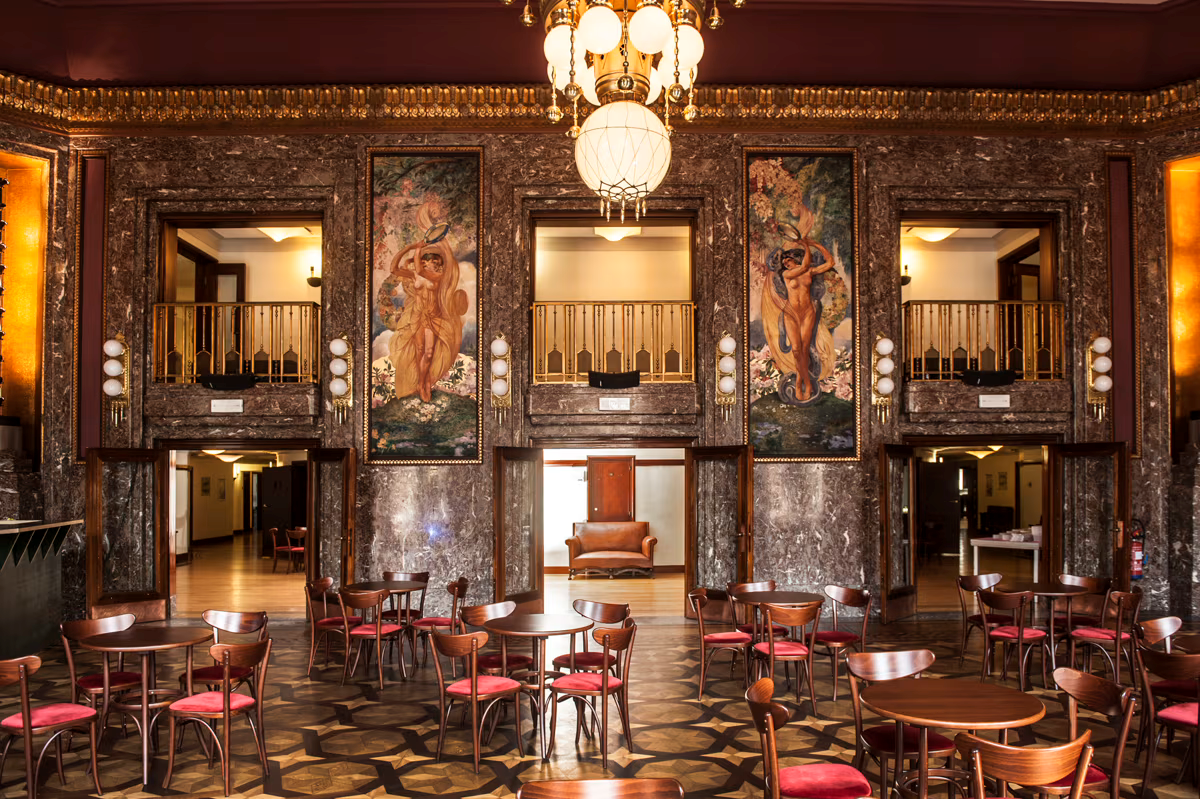
Irish College Leuven

ncRNA 2026 will take place at Irish College Leuven, an international centre for education, training, and collaboration in the heart of Leuven, Belgium.
Founded on the historic grounds of the 17th-century Franciscan Irish College, the site blends a rich 400-year legacy of scholarship with modern conference facilities, continuing to provide a destination where history is written.
The Irish College is 10 minutes on foot from Leuven Station and 20 minutes by car from Brussels Airport, making it very easy to reach, no matter where you come from.

Plan Your Trip

About Leuven

Leuven is a compact, safe and vibrant university city located 25 km (16 miles) east of Brussels. Home to KU Leuven (est. 1425), one of Europe’s top research universities, the city combines medieval architecture with a dynamic, international atmosphere. Recently nominated European Innovation Capital (iCapital) by unanimous decision, Leuven is a leading centre for science, technology, exciting start-ups and global industry. Leuven’s central position also places it at the heart of Europe’s most active academic, political, and economic region, with easy access to Brussels and its EU and NATO institutions.

Photos by © Stad Leuven - Jan Crab, © Selina Bubendorfer, and © Filip Van Loock

Travel

Leuven is exceptionally well connected and easy to reach from within Europe and abroad. Below, you will find some guidance to ensure a smooth journey.

By Plane

The two closest airports are Brussels Airport (BRU) and Charleroi Airport (CRL):

By Train

High-speed services (Eurostar, TGV, Thalys, ICE) arrive in Brussels or Liège. From Brussels Airport or Brussels-South station, direct trains reach Leuven in 15–25 minutes.

By Bus

International coaches (e.g., Flixbus) connect Leuven with major European cities.

  • The Netherlands → Leuven (Departure: Eindhoven, Groningen, Apeldoorn, Nijmegen & Maastricht)

  • United Kingdom → Leuven (Departure: London)

  • Germany → Leuven (Departure: Koblenz, Worms, Bonn, Karlsruhe, Neurenberg, München, Keulen, Würzburg & Frankfurt

By Car

The historic centre of Leuven is largely traffic-free, but parking is available around the ring road (car parks).

Accommodation

A map of all hotels in Leuven and their relative locations can be found here.

Accessibility

Leuven is a city that welcomes everyone. Visit Leuven has a dedicated page for accessibility resources, including maps with wheelchair-accessible routes, hotels, and facilities throughout the city, ensuring a smooth visit for all participants. More information can be found at https://www.visitleuven.be/en/accessible-travel.

Photo by © Kevin Faingnaert

Explore the City Between Sessions

What to See and Do Before, After and Around the Conference

Measuring roughly 3.2 km (2 miles) across in both width and length, Leuven is walkable, cozy and easy to navigate, offering plenty to explore around your conference schedule:

  • Historic City Centre & Town Hall: Only a short walk from the Irish College, ideal for a morning or evening stroll surrounded by medieval squares and Gothic architecture.

  • University Library & Tower: Climb for panoramic views of the city between sessions.

  • Great Beguinage (UNESCO World Heritage site): Explore centuries of history in a serene setting near the conference venue.

  • M-Museum & Botanical Garden: Perfect for a breath of fresh air or a bit of culture.

Leuven's central location also makes it easy to plan short excursions before or after the conference to Brussels or nearby European cities (Antwerp, Bruges, Ghent, Liège, Aachen, Cologne, Amsterdam, Rotterdam, Lille, and Luxembourg).

For a complete overview, visit https://www.visitleuven.be/en.

Photos by © Karl Bruninx, © Kevin Faingnaert, © Jan Crab, and © Vishwas Katti

Fuel for Thought: Food & Drinks Near the Venue

Keeping your energy up is crucial during conference days, and Leuven' lively food-and-drink scene is perfect for doing just that.

Start your day by fueling up with breakfast and coffee at one of Leuven's many cafés and bakeries — all within a short walk of the Irish College.

After a long day of sessions, unwind by exploring Leuven’s lively restaurant scene, featuring Belgian brasseries, modern European kitchens, vegetarian eateries, and international cuisine. The area around the Irish College is also home to a number of cosy pubs, historic breweries, and craft-beer bars where you can sample Leuven’s brewing heritage and discover why the city is often called the "beer capital".

For the ultimate foodie guide to Leuven, head to https://www.visitleuven.be/en/food-drinks.
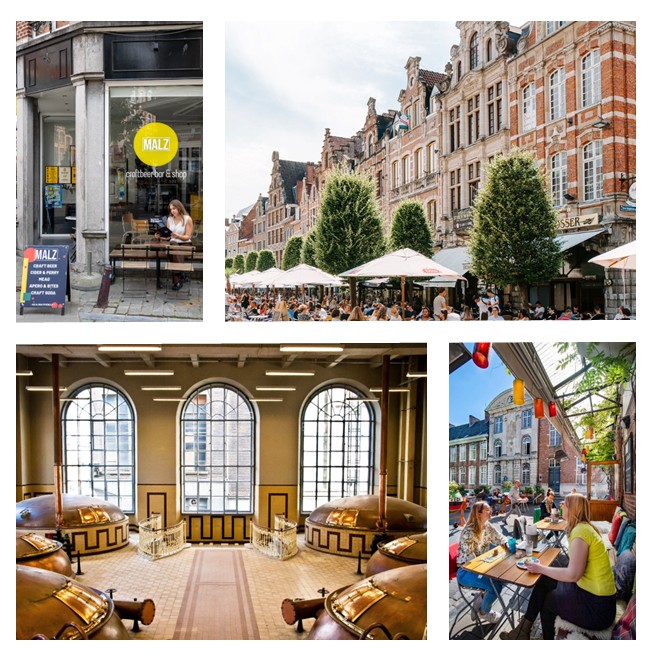
Photos by © Karl Bruninx, © LiefstLeuven and © De Hoorn.

Visa Information

Please note that you must apply for your own visa application. MDPI is not responsible for any visa application. However, MDPI can provide a Visa Support Letter. To be eligible for such a document, the criteria below must be fulfilled.

Visa Support Letter

  • Applicants must have paid for registration and submitted an abstract in order to get a letter of support.

  • Applicants must provide us with a scan of their valid, in-date passport that contains a photo of them.

  • Applicants must provide us with a letter of support from their institution to confirm that they support the delegate attending the meeting.

  • This must be carried out in good time before the meeting; “last minute” requests will not be processed.

More useful information on visa application

Relevant Special Issue

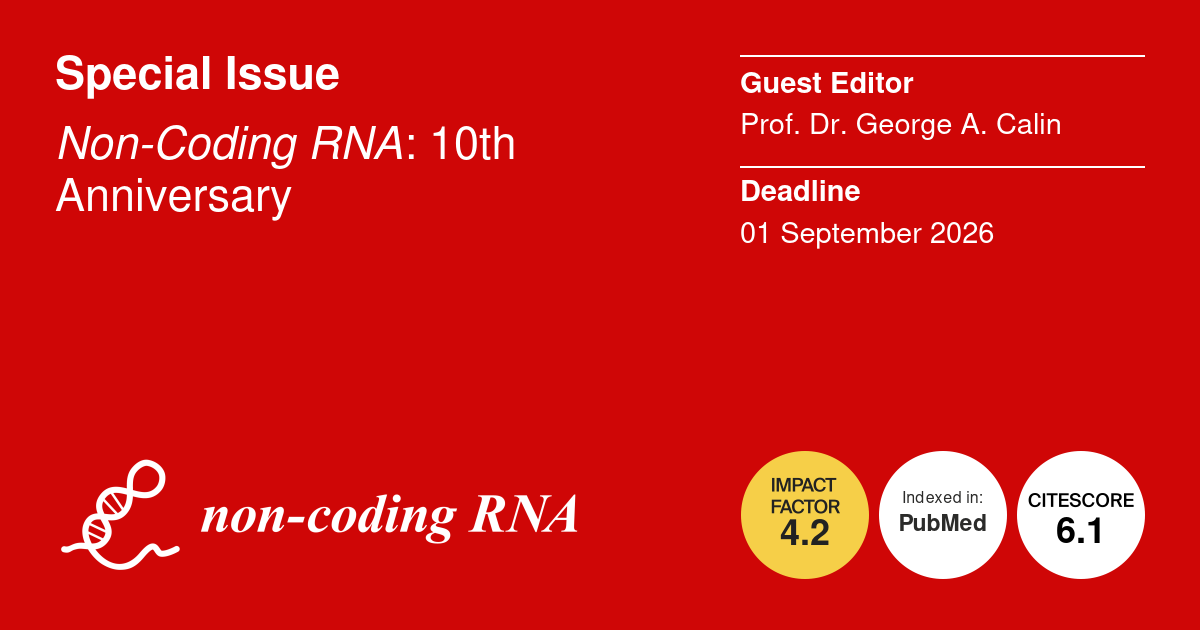
Participants of ncRNA 2026 are cordially invited to submit full manuscripts to the Special Issue celebrating ncRNA's 10th anniversary, benefitting from a 20% discount on the publication fees. Please note that no other discounts will be applicable.

This Special Issue, titled "Non-Coding RNA: 10th Anniversary", will include all things ncRNAs that are new and interesting, offering an excellent platform to share findings with a broad readership.

Partnership Opportunities

Sponsoring

As organizers, we are excited to create an immersive and insightful conference, and we invite you to be a vital part of ncRNA 2026. Explore our sponsorship opportunities and join us in shaping the future of non-coding RNA research and innovation.

Find the perfect sponsorship package tailored to your budget and desired exposure in our sponsorship brochure. Simply contact us via email at ncRNA2026@mdpi.com. We appreciate your consideration!

Society Collaboration

Are you part of a society that isn't partnering with the conference? Contact us via email at ncRNA2026@mdpi.com to discuss a possible partnership! Noteworthy detail: Members from partnering societies are granted a 20% discount on all registration fees.

Sponsors and Partners

Organizers

Top