Water Webinar | Shifting From Legionella Species to L. pneumophila Monitoring and Control, What Are the Benefits and Why Is It Important?
the chair
7th Water Webinar
Shifting From Legionella Species to L. pneumophila Monitoring and Control, What Are the Benefits and Why Is It Important?
Legionnaires’ disease is mainly related to buildings and urbanization processes and can be effectively prevented by environmental monitoring and public health measures. The availability of tailored regulations, guidelines and their correct application represent key issues to control risks and protect populations. However, on a large public health scale, effectiveness requirements need to flank efficiency and appropriateness. Comparison of different strategies must include a cost/benefit analysis. In particular, different Legionella species are frequently detected in buildings’ water pipelines, but most of community cases (>95%) are due to Legionella pneumophila, the original cause of the Philadelphia outbreak in 1976. Speakers will introduce the epidemiological scenario and the available policies, with a special attention to the European framework and the application of the recent Directives on Water. A mathematical model will be introduced in order to contribute to compare different scenarios and preventive strategies or improve guidelines based on the local epidemiological scenario.
We look forward to share our considerations with colleagues from different disciplines interested in prevention of Legionnaires’ disease and within a public health perspective.
Date: 19 Septemner 2024
Time: 2:30 pm CEST | 8:30 am EDT | 8:30 pm CST Asia
Webinar ID: 891 5115 9609
Webinar Secretariat: journal.webinar@mdpi.com
Meet Our Chair
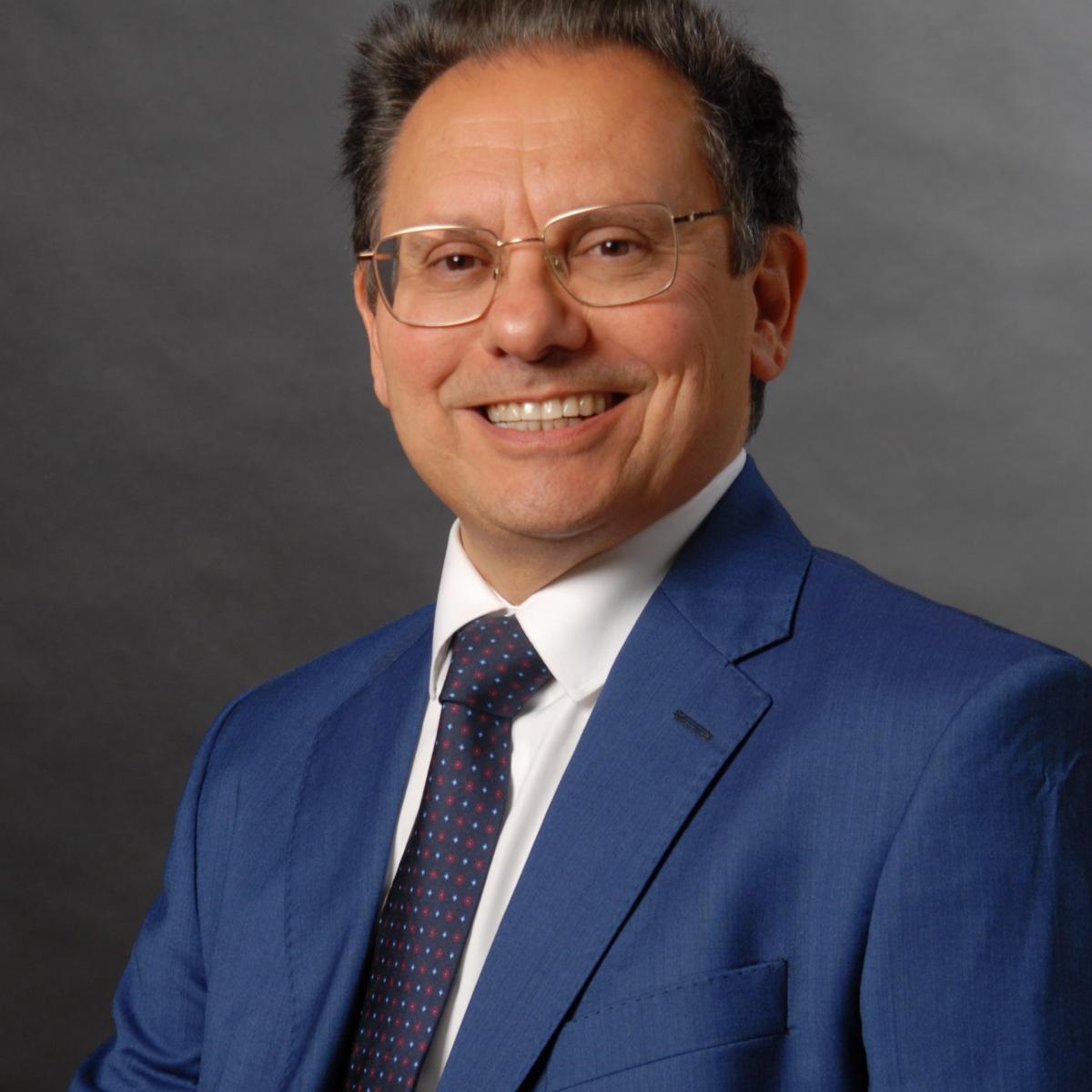
Public Health Unit, University of Rome “Foro Italico”, Rome, Italy;Professor of Hygiene and Public Health at the University of Rome “Foro Italico” and Chief of the “Laboratory of Epidemiology and Biotechnologies” since 2002. Former academic positions as Dean of the Faculty, President of IRB committee, Coordinator of Master’s degree Courses. - Previously, Assistant Professor at the Institute of Hygiene of the Catholic University Medical School in Rome (1994-2002), serving as Director of the Laboratory of Genetic Epidemiology and Molecular Biology, involved in Surveillance and Hospital Hygiene for Policlinico “A.Gemelli”, and then in "Health Organization and Management". - Former research roles as Guest Researcher, PRI FCRDC, Frederick, MD, USA (1989), Fellow at the National Institute of Hygiene, Budapest, Hungary (1990); Fogarty fellow at the Laboratory of Molecular Oncology, NCI, Frederick MD, USA (1991-1994); Visiting Scientist at The Scripps Research Institute, CA, USA (1995); Visiting Scientist at Laboratory Genomic Diversity, NIH, MD, USA (1997); Associate Researcher at MIND, The Scripps Research Institute, CA, USA (2005); Component, WHO panel on recreational water guidelines, Water and Sanitation Office, Bonn, Germany (2011-2013); Visiting Professor, University of Granada, (Spain 2019). - Prizes: SITI 2014 for studies on applications of microflora DNA analysis in Public Health; Prize ISRA-SITI 2002, “Crudeli-Del Vecchio Pioneers in Public Health” for a MIUR-project on the environmental microorganism Legionella pneumophila. Prize 1998 “M.L. Profeta”, for “Epidemiology and prophylaxis of infectious diseases”. Presently: Member of the ICSPS Scientific Committee on recreational waters and SPA; Editor in Chief for the “One Health” section of Water.
Meet Our Speakers
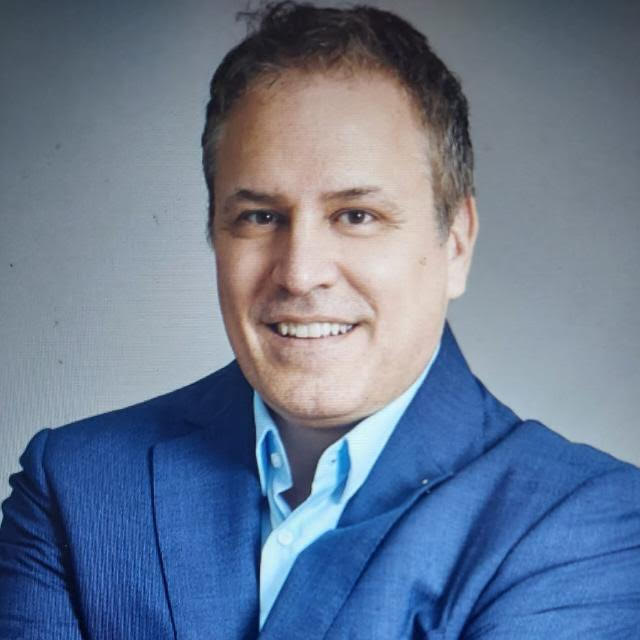
Innovative Disinfection systems of Industrie De Nora S.p.a.;More than 20 years of experience in project management, research and technological innovation, author of numerous scientific publications. In Industrie De Nora he collaborates in the development of technologies relating to water and wastewater treatment in particular concerning disinfection. Member of the scientific committee of Polo Agrifood, member of the Board of Directors of the International Ozone Association, Leader of the Water Europe Working Group Water and Public Health. Since 2017 he has collaborated with the Executive Agency for Small and Medium-sized Enterprises (EASME) for the monitoring of the Actions under Horizon 2020; currently external expert of the European Innovation Council and Executive Agency for SMEs (EISMEA).
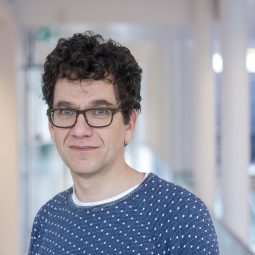
KWR Watercycle Research Institute, Nieuwegein, the Netherlands;Paul van der Wielen is principal scientist Microbiology at KWR Water Research Institute, which is the research institute of the Dutch drinking water companies. Paul has 18 years of experience in all aspects of drinking water microbiology. One of the topics that he studies with his colleagues is the growth and control of opportunistic pathogens like Legionella pneumophila in drinking water systems, cooling towers and wastewater treatment plants. He works four days a week at KWR and one day a week at the Microbiology department of the Wageningen University.


The webinar was hosted via Zoom and required registration to attend. The full recording can be found below. In order to learn about future webinars, you can sign up to our newsletter by clicking “Subscribe” at the top of the page.
Legionella: A Key Organism in Water Management
Edited by Prof. Dr. Vincenzo Romano Spica