

4th International Electronic Conference on Medicinal Chemistry
the chair
For the fourth year in a row, the International Electronic Conference on Medicinal Chemistry will be organized and sponsored by the peer-reviewed journal Pharmaceuticals, which is edited by MDPI. The conference will be held online at www.sciforum.net/conference/ecmc-4 during the month of November 2018.
The aim of the Conference is to gather researchers from all over the world and encourage discussions on any scientific field related to drug discovery and development. Posting presentations, videos, or posters disclosing your recent outstanding results enables you to take advantage of the conference to promote your work among thousands of your peers. Participation, as an author or a visitor, is ABSOLUTELY FREE; simply register on the home page.
This year, as the conference sponsor, Pharmaceuticals will be giving an award for the Best Presentation as elected by the scientific committee, which consists of 500 Swiss Francs. We hope you will be able to join this exciting event and enjoy a stimulating exchange with your peers around the world. Also, we will launch a Special Issue covering the event.
On behalf of our dynamic editorial staff and active scientific committee, we warmly invite you to join us during this fourth edition and we look forward to posting your contributions.
Conference Chair
|
Dr. Jean Jacques Vanden Eynde |
 |
Meet Our Chair

Formerly head of the Department of Organic Chemistry (FS), University of Mons-UMONS, 7000 Mons, Belgium;
Important Dates
25 Oct
2018
25 Oct
2018
30 Oct
2018
Meet Our Speakers
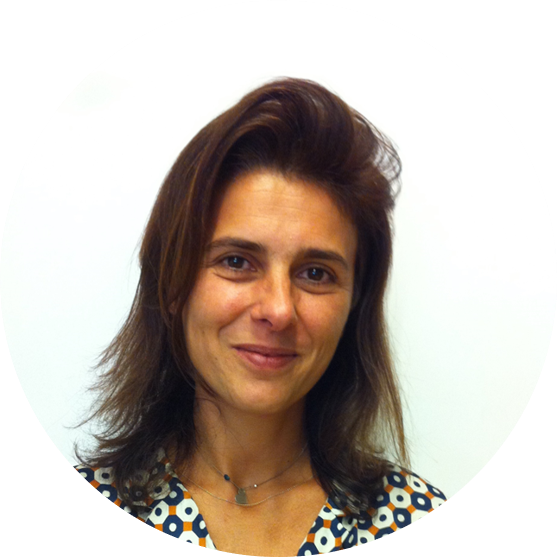
Laboratory of Organic and Pharmaceutical Chemistry, Faculty of Pharmacy of University of Porto, Portugal;
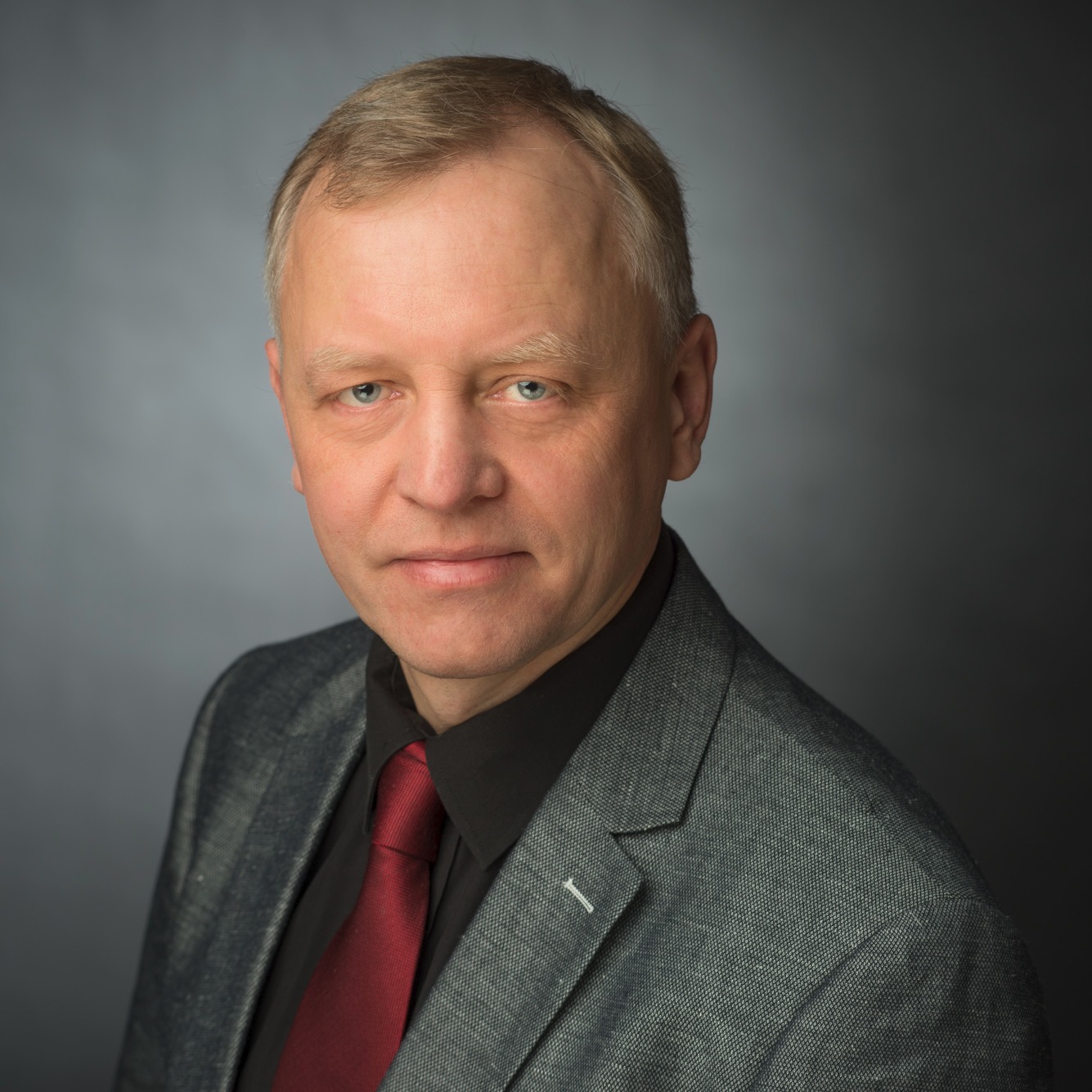
Institut für Biochemie, Department für Chemie, Universität zu Köln, Zülpicher Straße 47, D-50674 Köln, Germany;Dr. Karsten Niefind is biochemist and apl. Professor at the Institute of Biochemistry of the University of Cologne. His research and teaching activities are dedicated to basic biochemistry and to the structure/function relationships of selected proteins, in particular involved in signal transduction and (plant) innate immune response or relevant for biotechnological applications.
Prof. Dr. Gunars Duburs
Senior research fellow of the Latvian Institute of Organic Synthesis, Deputy Chairman, Division of Chemical, Biological and Medical Sciences, Latvian Academy of Sciences, Aizkraukles 21, Rīga, LV 1006, Latvia;Gunars Duburs Professor, Dr.chem.habil, Full Member of the Latvian Academy of sciences. Principal scientist, Latvian Institute of Organic Synthesis, Laboratory of Membrane active compounds and beta-diketones. Areas of activities: organic chemistry, medicinal chemistry. Scientific interests: chemistry of heterocyclic compounds, azines, membrane active compounds. Discovered and elaborated novel drugs: radioprotector diethone for oncological clinics, antihypertensive and antianginal drug riodipine (foridone), as well antioxidant diludine as carotene stabiliser and stimulant of productivity of animals. Publications: 550 scientific articles, 475 thesis, 75 patents.
Department of Life and Environmental Sciences, Unit of Pharmaceutical, Pharmacological and Nutraceutical Sciences Via Ospedale 72, I-09124 Cagliari, Italy;
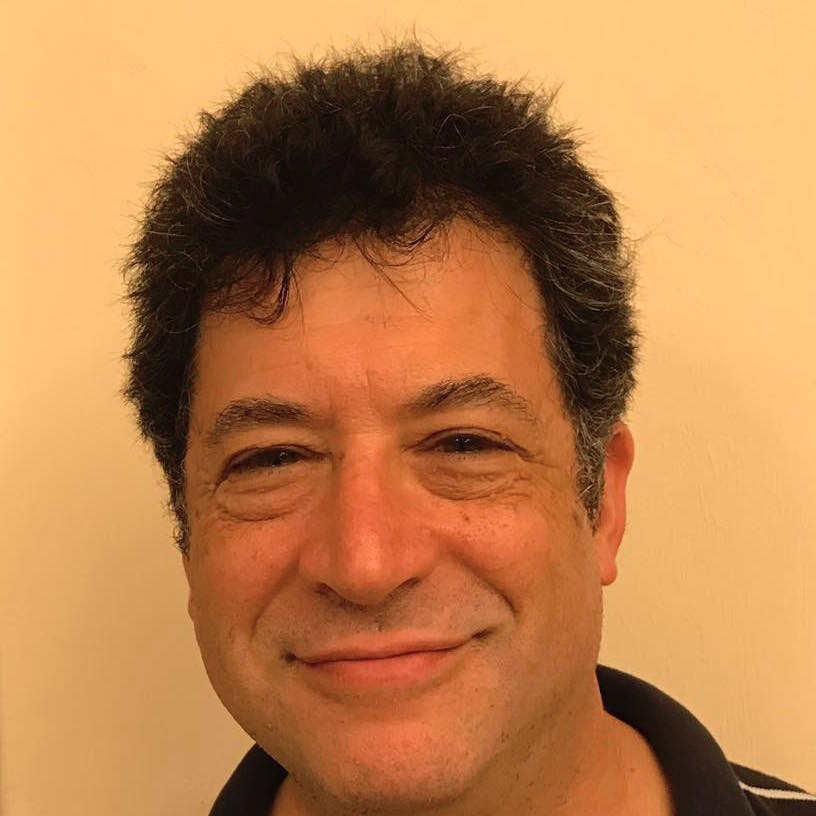
Prof. Dr. Gill Diamond
Department of Oral Biology, University of Florida College of Dentistry, Gainesville, FL 32610, USA;
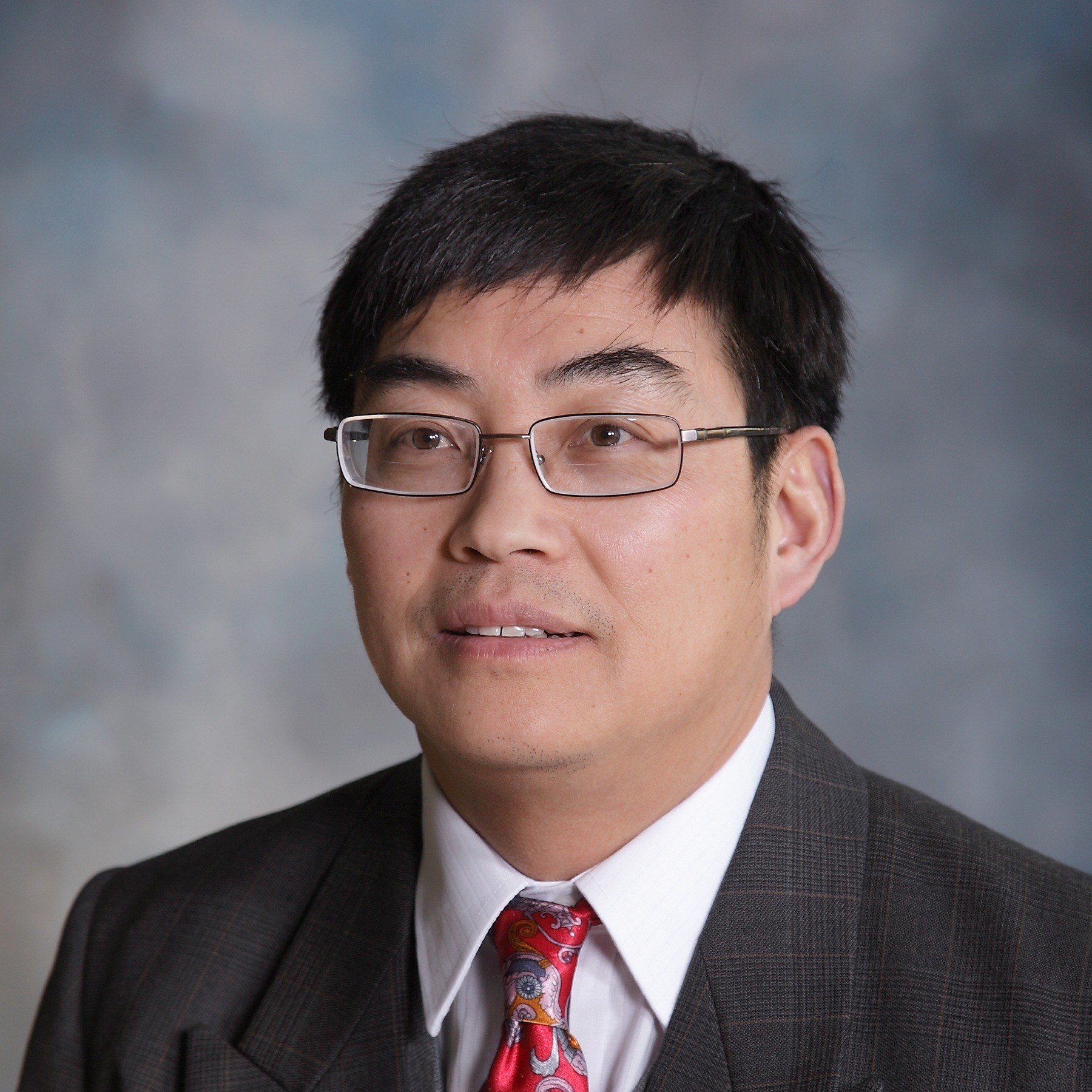
Department of Pathology & Microbiology University of Nebraska Medical Center, USA;Dr. Guangshun Wang is an Associate Professor at the University of Nebraska Medical Center (Omaha, Nebraska, USA). He is interested in developing novel compounds to treat human diseases, such as drug-resistant superbugs, viruses and cancer. His laboratory utilizes an integrated approach by combining chemistry, biophysics, bioinformatics, genetics, and structural biology. Two general methods are exploited to identify novel drug candidates. First, library screen is used. To search and screen starting templates, his laboratory has constructed the Antimicrobial Peptide Database (http://aps.unmc.edu/AP), which is widely utilized. As of July 2018, this database contained 2987 antibacterial, antiviral, antifungal, anti-parasitic and anticancer peptides, primarily from natural sources, covering the six life kingdoms (bacteria, archaea, fungi, protists, plants, and animals). Second, structure-based design is conducted. The lab uses multidimensional nuclear magnetic resonance (NMR) spectroscopy to determine the 3D structure of important pepti
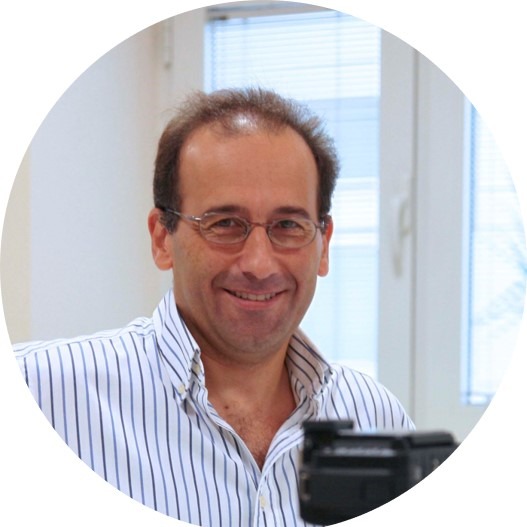
Department of Molecular Biology, Instituto de Parasitología y Biomedicina López-Neyra, (IPBLN-CSIC), PTS Granada, Av del Conocimiento 17, 18016 Granada, Spain;Dr. Alfredo Berzal-Herranz, Biologist. Senior Researcher at the Instituto de Parasitología y Biomedicina López-Neyra” belonging to the Spanish National Research Council (IPBLN-CSIC), Granada, Spain. In April 1990 obtained his Ph.D in Biochemistry and Molecular Biology from the Autónoma University of Madrid, Spain. After a short postdoctoral term at the BMC-Uppsala University (Sweden), he moved to the University of Vermont (USA; Dr. John Burke’s laboratory), where he was involved in the biochemical characterization of ribozymes. Since December 1993 he leads his own research group at the IPBLN-CSIC. He is the author of more than 80 scientific publications. His current scientific interest is the study of the biological activity of the RNA, mainly focusing in the structure/function of conserved functional RNA domains in viral RNA genomes (mainly HIV and HCV and flavivirus), and its potential as antiviral targets; design and characterization of RNA molecules with inhibitory activity (e.g. ribozymes, aptamers, antisense RNAs) a

School of Environmental Science and Engineering, Kochi University of Technology, Tosayamada, Kami, Kochi 782-8502, Japan;My name is Le Thi Song. My scientific research began in the area of Electrochemical and Corrosion Protection during my undergraduate studies at Department of Chemistry at Hanoi University of Science and Technology, Vietnam in 2009. From 2010 to 2012, I worked as master researcher at Interfacial Engineering Lab, Chemical and Biochemical Engineering Department at Dongguk University, Seoul, South Korea. Then in 2013, I became a Ph.D researcher at Kochi University of Technology, Japan under supervision of professor Nagatoshi Nishiwaki and received my Ph.D in organic synthesis in 2015. Then, I worked as a visiting researcher at this university for 1 year. From 2016, I became a research collaborator at Ton Duc Thang University in Vietnam. My research interests comprise not only synthetic organic chemistry using nitro compounds, heterocycles (ring transformation, dinitropyridone, nitroanilines, nitropyridines …), but also superhyrophobic coating, silica thin film, electroplating, corrosion and so on.
Foodborne Toxin Detection and Prevention Research Unit, Western Regional Research Center, US Department of Agriculture, Albany, California, USA.;Jong H. Kim is a Research Scientist in the Foodborne Toxin Detection and Prevention Research Unit, Western Regional Research Center, US Department of Agriculture, Albany, California, USA. His research focuses on the development of intervention strategies for control of fungal pathogens including mycotoxigenic fungi. He provides chemo-biological expertise, particularly in the identification of cellular targets, mechanisms of action and compound interaction, and participates in resistance management in collaboration with industry and academia.

Pharmacelera, Plaça Pau Vila, 1, Sector 1, Edificio Palau de Mar, Barcelona 08039, Spain;Dr. Alessandro Deplano is Pharmacelera’s Medicinal/Computational Chemist. He has got a Ph.D. in Medicinal Chemistry at the University of Cagliari, Italy, with a thesis entitled “Design, synthesis and SAR of small molecules acting on pain pathways” under the supervision of Prof. Valentina Onnis. His Ph.D. studies were focused on the design and synthesis of numerous molecules with different structure and specific pharmacological targets, in particular compounds endowed with analgesic activities. He worked also on synthesis of new molecules endowed with carbonic anhydrase inhibitory activity, antiproliferative activities on human cancer cell lines, and molecules endowed with nematicidal activity. He holds a Master degree in Pharmaceutical Chemistry and Technology, at University of Cagliari, which give him a strong background in pharmacology, biology and anatomy, along with organic and medicinal chemistry, field in which he gave his thesis dissertation. During his Ph.D. program he spent a semester at American University of Washington
Sessions
Explore more details










MDPI, the publisher of the Sciforum.net platform, is an open access publisher. We believe that authors should retain the copyright to their research works. Hence, by submitting a contribution to this conference, the authors retain the copyright of their contribution, but they grant MDPI AG the non-exclusive right to publish this contribution online on the Sciforum.net platform. This means the authors can easily submit their contribution to any scientific journal at a later stage and transfer the copyright to its publisher (if required by that publisher).
woohooo