Animals Webinar | Assisted Reproductive Techniques and Germplasm Cryopreservation Applied to Wildlife
the chair
1st Animals Webinar
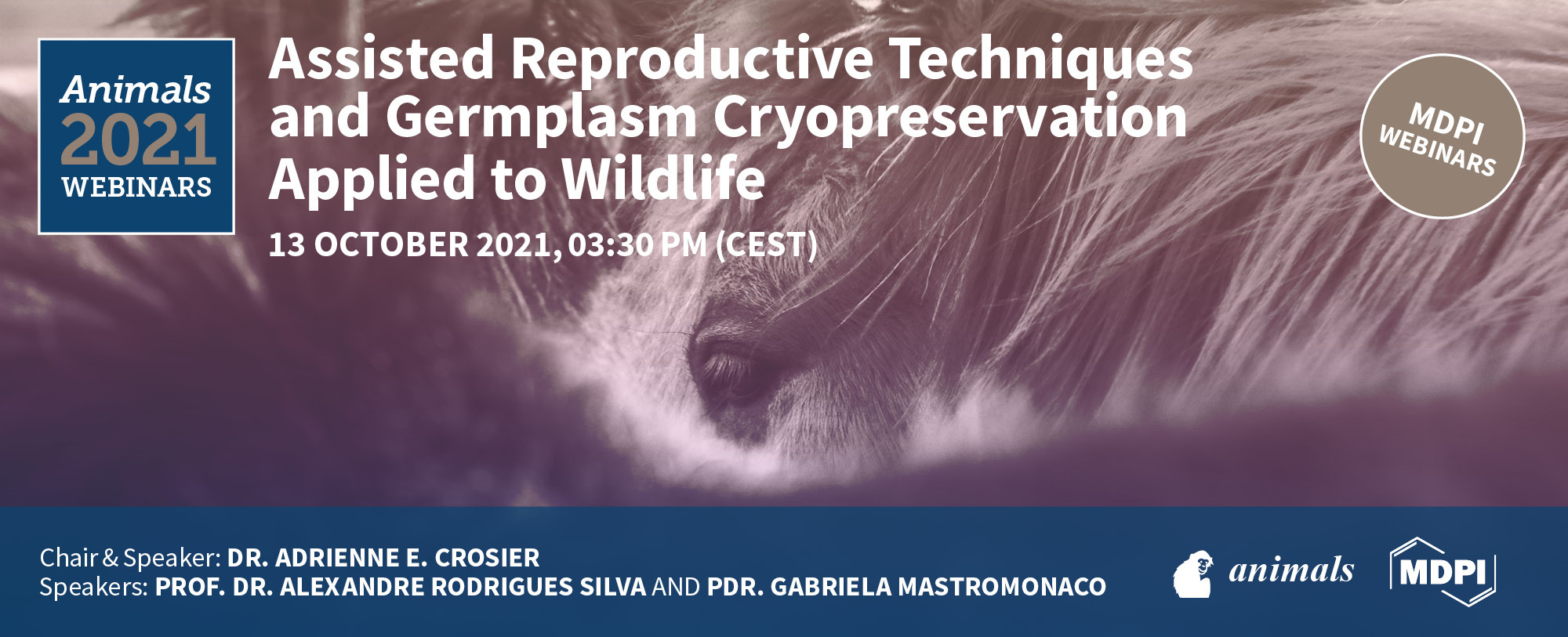
Assisted Reproductive Techniques and Germplasm Cryopreservation Applied to Wildlife
Assisted reproductive technologies (ARTs) are widely used in both commercial livestock production as well as in human reproductive medicine. The basic biology of wildlife species is poorly understood, with a paucity of information on reproductive physiology of rare animal taxa. Worldwide breeding programs exist for numerous species, with a focus on maximizing genetic diversity, maintaining healthy demography, and supporting reinforcement/reintroduction programs to bolster wild populations. Integration of ARTs into the management of wild and endangered species still requires a lot of research efforts. This webinar features several experts in the field of wildlife reproduction and assisted breeding, using cutting-edge tools to generate much needed biological data and improve offspring production from rare and endangered species.
Date: 13 October 2021
Time: 3:30pm CEST | 9:30am EDT | 9:30pm CST
Webinar ID: 835 8355 7611
Webinar Secretariat: animals.webinar@mdpi.com
Meet Our Speaker
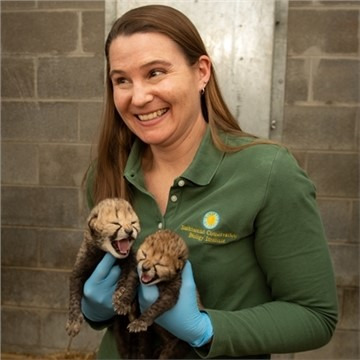
Smithsonian Conservation Biology Institute, National Zoological Park, Front Royal, United States;Dr. Adrienne Crosier has worked on assisted reproduction in wildlife, with a specific focus on carnivores, and especially the cheetah, since 2001. Adrienne currently manages the cheetah and black-footed ferret collections and breeding programs at SCBI and conducts research in collaboration with facilities holding these species. Her current research focuses are: 1) developing and utilizing assisted reproductive technologies for improved carnivore reproduction; 2) understanding management-based causes of infertility in captive-held carnivores; 3) improving management and health for more efficient reproduction, and 4) evaluating the comparative reproduction, genomics and health of ex situ and wild cheetahs. Adrienne also has been the AZA SSP Program Leader for cheetahs since 2014, guiding the management of the 300+ cheetahs in the SSP, including the formation of the Breeding Centers Coalition Group.

Available Presentations
Prof. Dr. Alexandre Rodrigues Silva - Assisted Reproductive Technologies Applied to South American Mammals
Guest Editors: Dr. Adrienne E. Crosier and Dr. Pierre Comizzoli
Deadline for manuscript submissions: 15 February 2022