Sessions & Session Chairs
Sessions
S1. Microbial Frontiers, Immunology, and Translational Medicine (General)
Pathogen Evolution, Genomic Surveillance, and Cross-Species Transmission
• S1-1. Pathogen Evolution, Genomic Surveillance, and Cross-Species Transmission
• S1-2. Host–Pathogen Interactions and Systems Immunology in Animal Health
• S1-3. Next-Generation Veterinary Biologicals and Immunotherapeutic Strategies from a One Health Perspective
S2. Precision Veterinary Medicine and Digital Transformation in Clinical Practice (General)
• S2-1. AI-Driven Diagnostics, Predictive Modeling, and Digital Veterinary Practice
• S2-2. Biomarkers, Molecular Diagnostics, and Targeted Veterinary Therapeutics
• S2-3. Genomics, Big Data Analytics, and Digital Transformation in Veterinary Medicine
S3. Infectious Diseases, Microbiome, Antimicrobial Stewardship, and One Health (General)
• S3-1. Surveillance and Outbreak Preparedness for Emerging Zoonotic Diseases
• S3-2. Antimicrobial Resistance, Stewardship, and Biosecurity Across Species
• S3-3. One Health Approaches for Sustainable Animal, Human, and Environmental Health
S4. Veterinary Industry Innovation and Global Translational Pathways (General)
• S4-1. Breakthrough Veterinary Pharmaceuticals, Biologics, and Therapeutic Innovation
• S4-2. Companion Animal Healthcare Markets, Diagnostics, and Innovation Pipelines
• S4-3. Regulatory Science, Global Market Access, and Industry–Academia–Government Translation
S5. Veterinary Public Health, Food Systems, and Global Food Safety (General)
• S5-1. Farm-to-Fork Biosecurity and Integrated Food Safety Surveillance
• S5-2. Foodborne Pathogens, Residues, and Risk Assessment in Animal-Origin Foods
• S5-3. Resilient Food Systems, Supply Chain Governance, and One Health Public Health Security
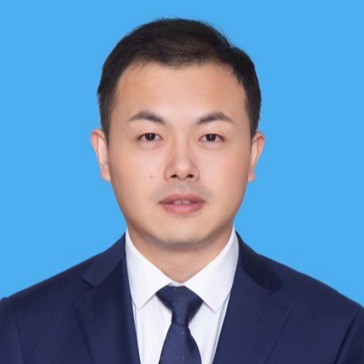
College of Veterinary Medicine, Yangzhou University, Yangzhou, China
Professor Ruichao Li received his doctoral degree from The Hong Kong Polytechnic University. He is currently a Professor and PhD Supervisor at the College of Veterinary Medicine, Yangzhou University, China. He is the recipient of the Jiangsu Outstanding Youth Fund, Director of the Department of Basic Veterinary Medicine, and Principal Investigator (PI) at the Jiangsu Collaborative Innovation Center for Prevention and Control of Major Animal Epidemics and Zoonoses.
His research focuses on veterinary pharmacology and bioinformatics, with particular emphasis on the mechanisms underlying antimicrobial resistance in animal pathogens and the development of novel sequencing technologies. He has published over 200 SCI-indexed papers in leading journals, including Lancet Microbe, Nature Communications, The ISME Journal, Genome Medicine, Drug Resistance Updates, Journal of Infection, Engineering, GigaScience, mSystems, and Journal of Antimicrobial Chemotherapy, and has received more than 6,000 citations. He has an H-index of 41 and has been selected for the Elsevier Top 2% Scientists List for three consecutive years.
Professor Li was selected for the High-level Overseas Returnee Talent Support Program of the Ministry of Human Resources and Social Security of China and the Jiangsu 333 High Talent Program. He has led 12 research projects, including four grants from the National Natural Science Foundation of China (NSFC), comprising General Program and International Cooperation projects.
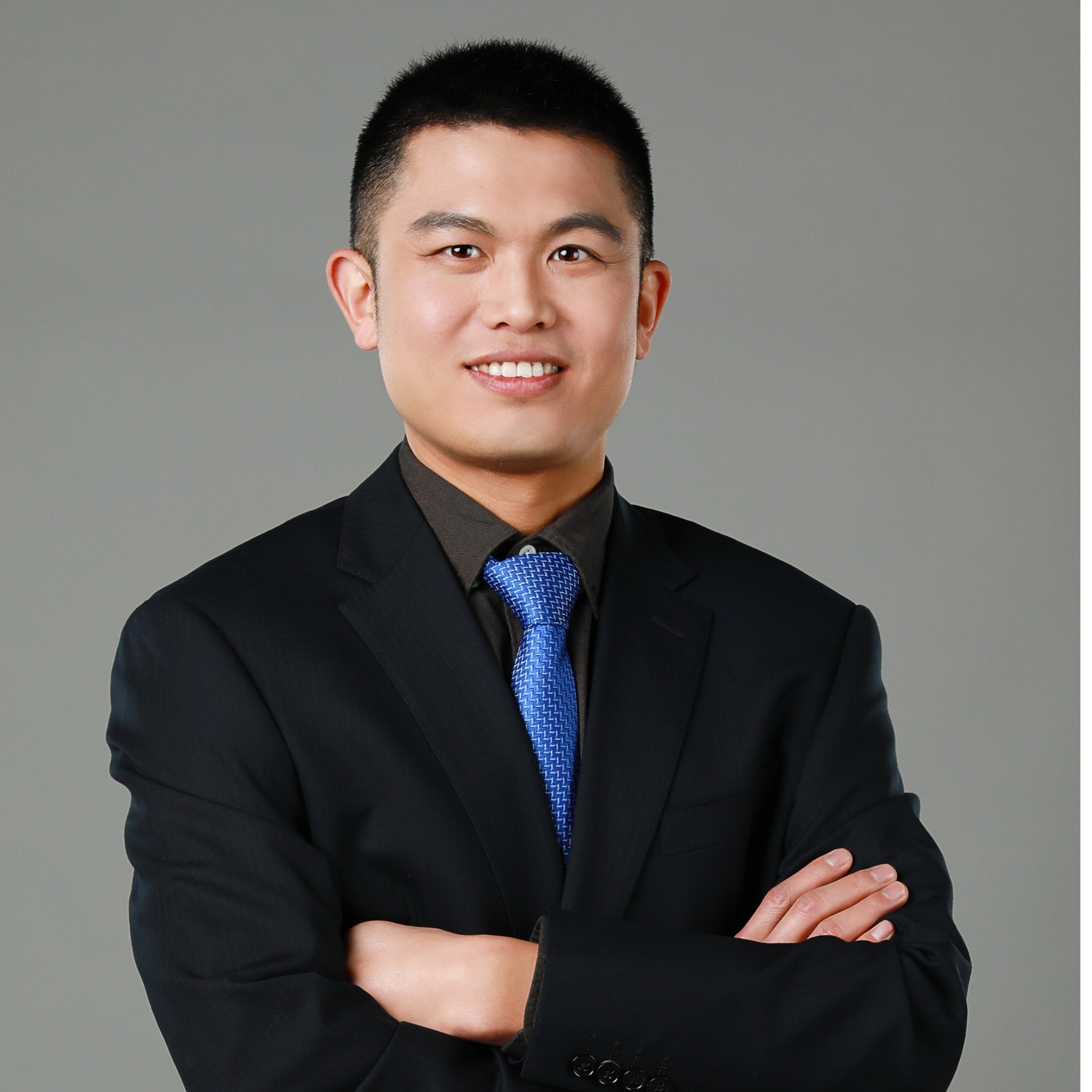
College of Animal Sciences, Zhejiang University, Hangzhou, China
Dr. Wu received his Bachelor’s degree in Veterinary Medicine from Jilin University and PhD in Molecular, Cellular and Genetic Medicine from the University of Copenhagen, Denmark. His research focuses on DNA damage repair and tumorigenesis, the interplay between viral infection and host cellular DNA damage repair, as well as viral genome instability. He has published papers as the first or corresponding author in journals including Nature Structural & Molecular Biology and Nature Communications, and as a co-author in Nature, PNAS, etc.

Institute of New Rural Development (Agricultural Technology Extension Center) ; Agricultural Experimental Station, Zhejiang University, Hangzhou, China
Professor Jinyan Gu is a Professor and a PhD Supervisor at the Institute of New Rural Development (Agricultural Technology Extension Center) & Agricultural Experimental Station, Zhejiang University. She is a recipient of the Excellent Young Scientists Fund of NSFC. Her research interests cover veterinary virology, mainly porcine enteric coronaviruses, porcine circovirus, pseudorabies virus and avian influenza virus, focusing on pathogen characterization and virus-host interactions. She has published corresponding-author papers in mBio, iScience, and the Journal of Virology, and was the 6th recipient of the Second Prize of the National Science and Technology Progress Award (2020).
Professor Gu is the Director of the Infectious Diseases Branch and Avian Diseases Branch of the Chinese Society of Animal Husbandry and Veterinary Medicine; a member of the youth subcommittees of the Animal Infectious Diseases Branch and the Committee on Microbial Biosafety, Chinese Society for Microbiology; and a member of the Animal Immunology Committee, Zhejiang Immunology Society.
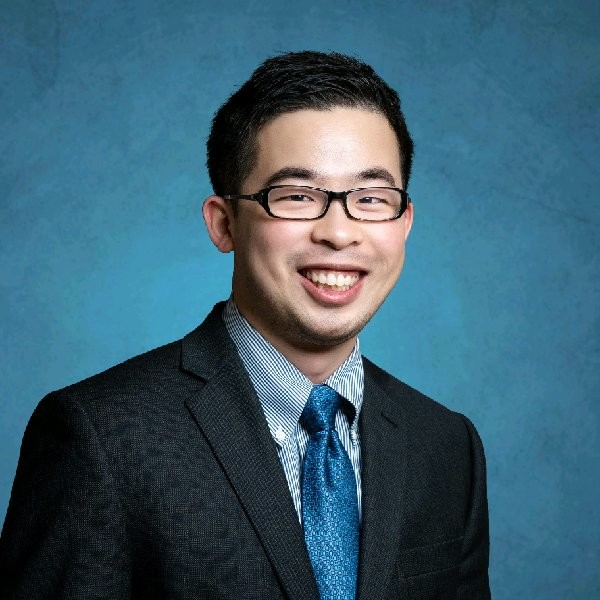
Jockey Club College of Veterinary Medicine and Life Sciences, City University of Hong Kong, Hong Kong, China
Dr. Kai Liu is an Associate Professor at the Jockey Club College of Veterinary Medicine and Life Sciences, City University of Hong Kong. He leads a team focused on applying AI to smart livestock farming to improve animal health and welfare. He has published 51 papers in top-tier journals (h-index: 25) and serves as an Associate Editor for Computers and Electronics in Agriculture. Dr. Liu is a working group member and Scientific Advisor for the EAAP AI4Animals conferences, and holds committee roles in three divisions of the China Animal Agriculture Association. Internationally, he serves as a grant reviewer for major funding agencies, including the SNSF, ANR, FWF, and the U.S.-Israel BARD Fund.
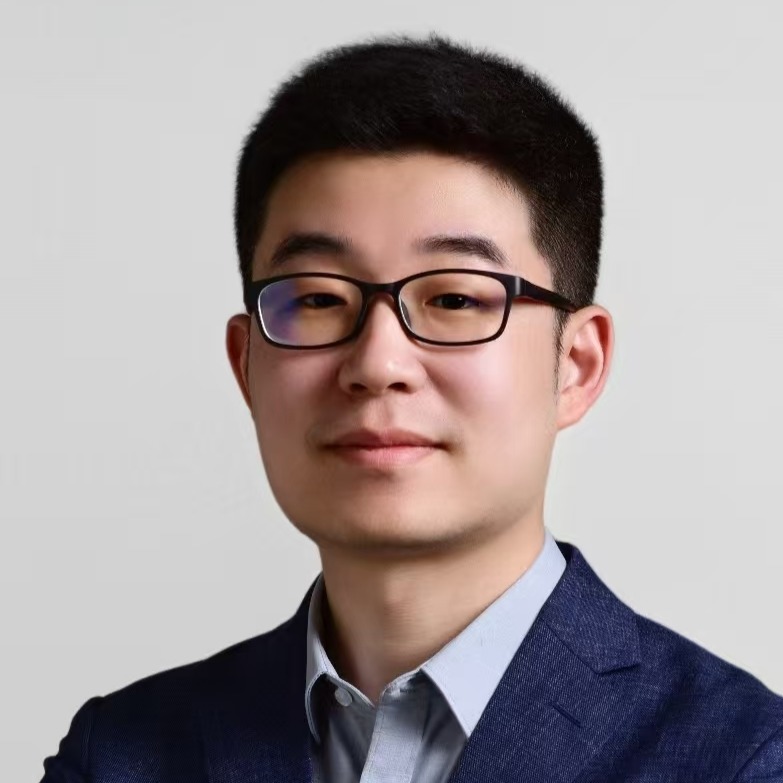
Dr. Shangtong Li
College of Animal Sciences, Zhejiang University, Hangzhou, China
Dr. Shangtong Li is a ZJU 100-Talents Program Research Professor at Zhejiang University. He received his Bachelor’s degree from Huazhong Agricultural University and his PhD from Tsinghua University / National Institute of Biological Sciences, Beijing.
His research primarily focuses on the mechanisms of animal aging, multi-omics dissection of virus-host interactions, and the development of single-cell multi-omics technologies.
He has published research articles as the first or corresponding (including co-corresponding) author in prestigious journals such as Aging Cell, Advanced Science, and Nature Plants.
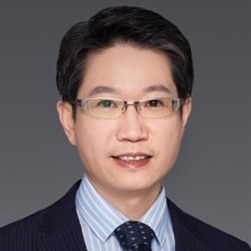
School of Animal Science and Nutritional Engineering, Wuhan Polytechnic University, Wuhan, China
Professor Chen currently serves as Dean of the Graduate School and as a doctoral supervisor at Wuhan Polytechnic University. He also serves as the academic leader in animal genetics and breeding and has been selected as a leading talent under the university’s “Evergreen Scholar Program”. His major academic appointments include council member of the National Strategic Alliance for Technological Innovation of the Pig Industry and of the Hubei Provincial Center of Technology Innovation for Domestic Animal Breeding, as well as Vice Chairman of the Wuhan Association of Animal Science and Veterinary Medicine. Professor Chen’s research focuses on both fundamental studies and technological innovation in animal genomics and breeding, with particular expertise in breeding for genetic resistance to Glaesserella parasuis infection in pigs. He has led 16 research projects, including those funded by the National Natural Science Foundation of China and key provincial and ministerial programs. He has published 38 papers as first or corresponding author, applied for and obtained 28 patents and software copyrights, contributed to the development of two standards, and served as associate editor of two monographs. He has received five awards and honors at the provincial/ministerial level, including the First Prize of the Hubei Provincial Technological Invention Award. Professor Chen has also achieved notable practical outcomes through collaborations with livestock enterprises.
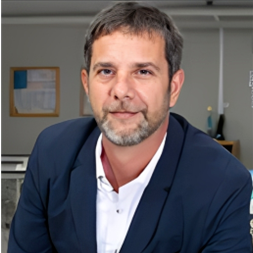
Department of Veterinary and Animal Sciences, Veterinary Clinical Microbiology, University of Copenhagen, Copenhagen, Denmark
Luca Guardabassi is professor with special duties (PMSO) and leader of the research group One Health Antimicrobial Resistance. He is an internationally recognized One Health microbiologist specialized in AMR and antimicrobial therapy with over 180 publications in peer-reviewed journals (H-index 57 on Google Scholar, last accessed in March 2021). LG graduated in Veterinary Medicine at the University of Pisa in Italy in 1994, and obtained his PhD in Microbiology from the Royal Veterinary and Agricultural University in Denmark in 2000. Diplomate of the European College of Veterinary Public Health (ECVPH) since 2005 and the European College of Veterinary Microbiology (ECVM) since 2020. For over 20 years, his research has focused on evolution and epidemiology of multidrug-resistant bacteria of clinical relevance in human and veterinary medicine, including but not limited to VRE, MRSA, MRSP and ESBL-producing Enterobacteriales. Among the highlights, he contributed to a better understanding of the environmental origins of some of the most feared AMR determinants in human medicine, namely glycopeptide resistance operons in Gram-positive bacteria and carbapenemase-encoding genes in Gram-negative bacteria. In recent years, his research has shifted focus towards bacterial response to antimicrobials, antimicrobial drug target discovery, and metagenomics of the intestinal and respiratory tract in domestic animals. He is a pioneer of antimicrobial stewarship in veterinary medicine and participated in numerous national and international working groups for developing guidelines for rational antimicrobial use in animals. As part of his honorary office, he is a member of the executive committee in ESCMID Study Group for Veterinary Microbiology (ESGVM) since 2015 and chairs the Therapeutic Guidelines Group of the World Small Animal Veterinary Association (WSAVA) since 2018.
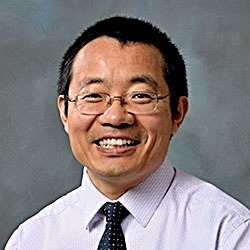
Department of Veterinary Clinical Medicine, College of Veterinary Medicine, University of Illinois Urbana-Champaign, Urbana, USA
Dr. Leyi Wang is an Associate Professor of Veterinary Clinical Medicine and Virology Section Head of Veterinary Diagnostic Laboratory, College of Veterinary Medicine at University of Illinois at Urbana-Champaign. Dr. Wang has been in the clinical diagnostic virology field for 13 years. His research interests include diagnostic assay development and validation, animal coronavirus identification and surveillance, and new pathogen discovery. He has co-authored 123 peer reviewed articles and 8 book chapters and edited two versions of Animal Coronaviruses book. He is the co-inventor for two US patents. He serves as editorial boards for several journals including Associate Editor of Veterinary Vaccine, Academic Editor of Transboundary and Emerging Diseases, Advisory Board of Veterinary Microbiology, Editorial Board of Virologica Sinica, Viruses, COVID, Medicine, Scientific Reports, Journal of Veterinary Diagnostic Investigation, Animal Diseases, and World Journal of Virology. As an Editor-in-Chief, he is currently editing a book of Veterinary Virology of Domestic and Pet Animals in the series of Major Reference Works at Springer Nature. Dr. Wang's significant contribution to the field is that he participated in first identification of variant PEDV, deltacoronavirus in diarrheic pigs, novel sparrow deltacoronavirus, new Bottlenose dolphin coronavirus, SARS-CoV-2 in zoo animals (tiger, snow leopard, fishing cat, binturong, coatimundi, and mandrill), bovine-like coronavirus in Indonesian tapir, bovine kobuvirus, and bovine boosepivirus.
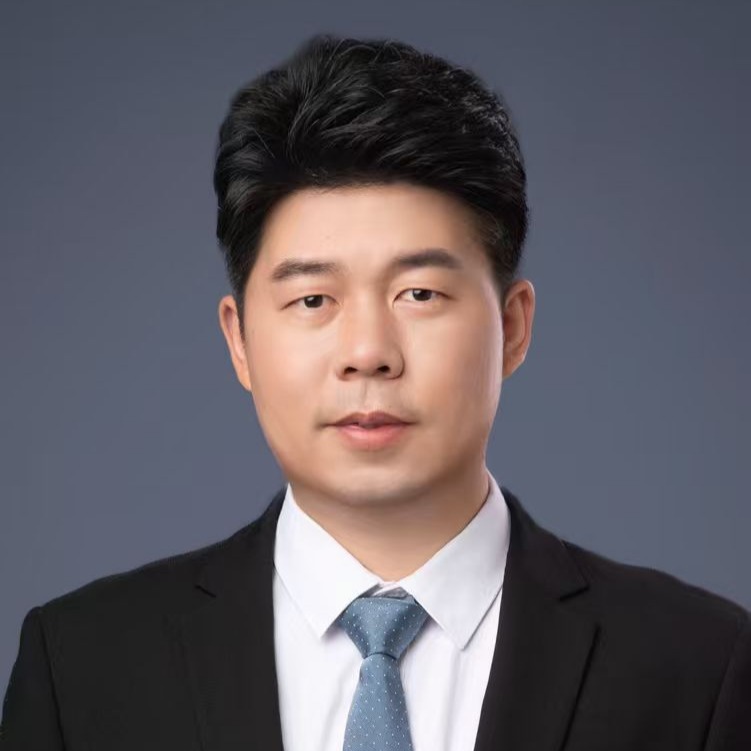
College of Animal Sciences, Zhejiang University, Hangzhou, China
Dr. Ren received his BSc, MSc and PhD in Veterinary Medicine from South China Agricultural University under the supervision of Professor Ming Liao from 2009 to 2019. From 2019, he carried out postdoctoral research in the laboratory of Professor Shu Zhu at the Institute of Immunology, School of Life Sciences and Medicine, University of Science and Technology of China.
His research focuses on infection and innate immunity. Specifically, he investigates how the crosstalk between gut microbiota and the immune system maintains intestinal homeostasis and regulates viral infection, and characterizes the critical functions of key innate immune RNA-binding proteins (RBPs) during viral infection and enteritis.
Over the past five years, his work has been published as first or corresponding (including co-corresponding) author in internationally renowned journals such as Science Advances (2021, 2023), Nature Communications, and Cellular & Molecular Immunology. He has led and participated in multiple projects supported by the National Natural Science Foundation of China and postdoctoral funding programs.
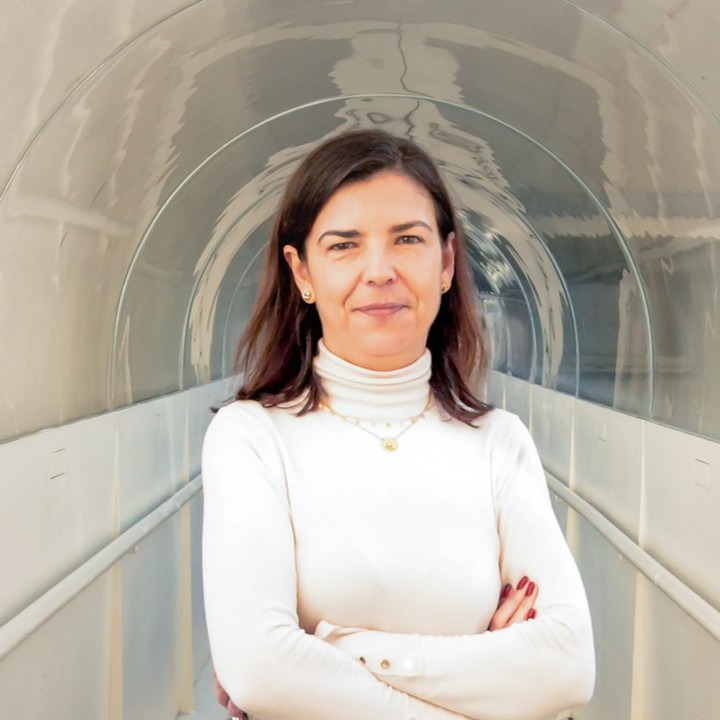
School of Medicine and Biomedical Sciences (ICBAS), University of Porto, Porto, Portugal
Rita Cabrita is Associate Professor with Aggregation at the School of Medicine and Biomedical Sciences (ICBAS), University of Porto, Portugal. She graduated in Zootechnical Engineering in 1997 and obtained a Master’s degree in Animal Production in 2000 from the University of Trás-os-Montes e Alto Douro. In 2004, she obtained her PhD in Veterinary Sciences from ICBAS, University of Porto. She is a permanent member of the Associated Laboratory for Green Chemistry (LAQV), within the Network of Chemistry and Technology (REQUIMTE). She is a member of the Editorial Boards of Veterinary Sciences (MDPI) and Agriculture (MDPI). Her research focuses on animal nutrition and feeding, with particular interest in alternative feed resources and innovative feeding strategies for livestock and companion animals, aiming to improve sustainability, reduce environmental impact, and promote animal health and the quality of animal products.
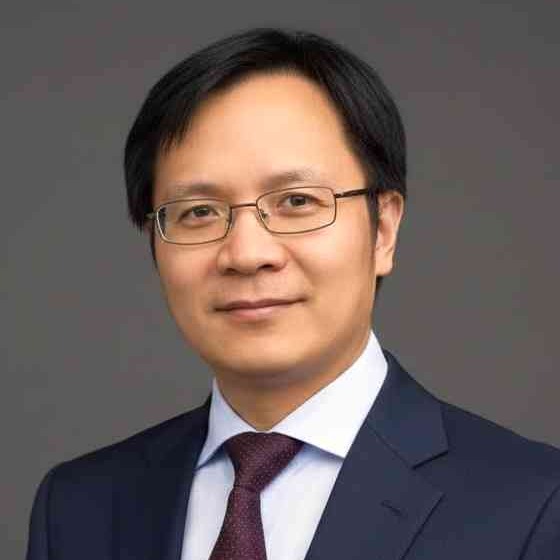
Prof. Dr. Xiaohui Zhou
Department of Food Science and Nutrition, Hong Kong Polytechnic University, Hong Kong, China
Xiaohui Zhou is a Professor at The Hong Kong Polytechnic University. He earned his PhD in Microbiology from Washington State University in 2008. Previously, he served as Tenured Professor in the Department of Pathobiology at the University of Connecticut, USA, and Principal Investigator at its Vaccine Research Center. He is a recipient of the National High Level Talent Program and a Changjiang Scholar.
He has published over 80 peer reviewed papers, including more than 30 corresponding author articles in top tier international journals such as PNAS, EMBO J, Nature Communications, Biomaterials, and PLoS Pathogens. He has led multiple NIH R01 grants and United States Department of Agriculture projects, with total research funding exceeding USD 3 million, and holds several national and international patents.
He currently serves as Editor in Chief of Microbiological Research, a well recognized journal in microbiology. He is a long standing ad hoc reviewer for numerous leading international journals, including EMBO J, eLife, mBio, and Biomaterials.
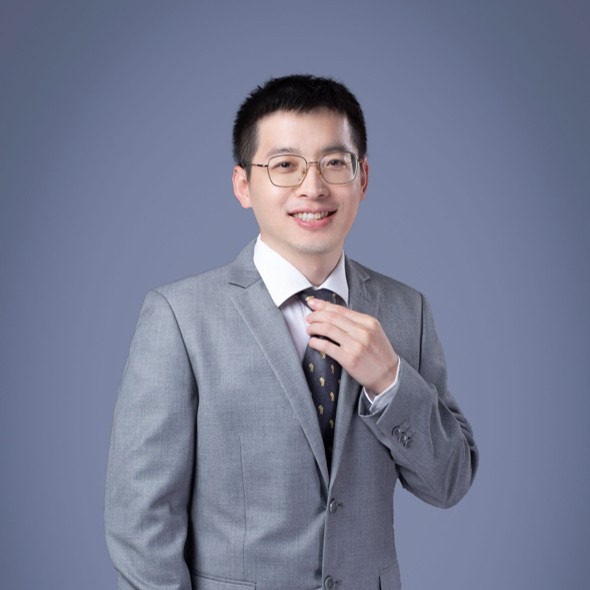
Dr. Hongwei Su
College of Animal Sciences, Zhejiang University, Hangzhou, China
Dr. Hongwei Su received his Bachelor’s degree in Veterinary Medicine from Jilin University and completed his PhD at the School of Life Sciences, Tsinghua University, under the supervision of Professor Babak Javid. His doctoral research focused on the mechanisms of bacterial epigenetic drug resistance induced by mistranslated proteins in Mycobacterium tuberculosis.
In 2017, he pursued postdoctoral research in the Department of Microbiology and Immunology at Weill Cornell Medicine, working with Professors Sabine Ehrt and Dirk Schnappinger. His postdoctoral work centered on animal models of latent Mycobacterium tuberculosis infection and the development of novel tuberculosis vaccines.
In September 2020, Dr. Su joined Hengrui Medicine as a Project Manager in the Translational Medicine Department, where he was engaged in translational medicine research. In January 2023, he was appointed as a ZJU 100-Talents Program Research Professor at Zhejiang University. His current research focuses on the drug resistance mechanisms of Mycobacterium tuberculosis, molecular mechanisms of pathogen-host interactions, and the development of innovative vaccines.
He has published multiple first-author (including co-first author) papers in prestigious international journals, including three articles in Nature Microbiology and publications in Journal of Experimental Medicine.