The 3rd International Electronic Conference on Machines and Applications
Part of the International Electronic Conference on Machines and Applications series
12–14 May 2026
Condition Monitoring, Robotics, Automation and Control, Fault Diagnosis, Machines Design, Additive Manufacturing, Electrical Machines
- Go to the Sessions
- Event Details
-
- Welcome from the Chair
- Program Overview
- IECMA 2026 Program - Day 1
- IECMA 2026 Program - Day 2
- IECMA 2026 Program - Day 3
- Poster Gallery
- Book of Abstracts
- Event Chair
- Event Speakers
- Sessions
- Registration
- Instructions for Authors
- Publication Opportunities
- List of Accepted Submissions
- Event Awards
- Sponsors and Partners
- Conference Secretariat
- Events in series IECMA
The deadlines for both abstract submission and registration have officially passed. Discussions are open. We look forward to welcoming all participants to the conference.
For any inquiries, please contact us at iecma2026@mdpi.com.
Welcome from the Chair
S1. Automation and Control Systems
S2. Condition Monitoring and Fault Diagnosis
S3. Machines Design and Additive Manufacturing
S4. Electrical Machines and Drives
S5. Electromechanical Energy-Conversion Systems
S6. Mechatronics/Electromechatronics
Program Overview
|
12 MAY
Morning
|
13 MAY
Morning |
14 MAY
Morning |
|
Session 1. Automation and Control Systems
|
Session 2. Condition Monitoring and Fault Diagnosis
|
Session 5. Electromechanical Energy Conversion Systems
Flash Poster Session |
|
12 MAY
Afternoon
|
13 MAY
Afternoon
|
14 MAY
Afternoon
|
|
Session 3. Machines Design & Additive Manufacturing
|
Session 6. Mechatronics/Electromechatronics
|
Session 4. Electrical Machines & Drives
|
IECMA 2026 Program - Day 1
Session 1. Automation and Control Systems
Date: 12 May 2026 (Tuesday)
Time: 9:00 (CEST, Basel) | 03:00 (EDT, New York) | 15:00 (CST Asia, Beijing)
| Time (CEST) |
Speaker | Title |
|
09:00-09:10 |
Prof. Dr. Antonio J. Marques Cardoso |
Opening Remarks from the Event Chair |
| 09:10-09:20 | Prof. Dr. James Lam Session Chair |
Welcome from the Session Chair |
| 09:20-09:50 | Prof Dr. Mohammed Chadli Keynote Speaker |
Fault Detection Filter Design for a Class of Nonlinear Systems |
| 09:50-10:20 | Prof. Dr. Ka-Wai Kwok Keynote Speaker |
Soft Robotic Actuation and Control for Applications in MRI-Guided Interventions |
| 10:20-10:35 |
Sinan Atici |
Intelligent Security Hardening of SCADA Systems using Machine Learning Algorithms |
|
10:35-10:50 |
Alperen Acer Selected Speaker |
Singular Frequencies based Robust PID Controller Design and Analysis in Parameter Space |
| 10:50-11:05 |
Oumaima Echab |
A Low-Cost Arduino Validation of a Nonlinear Control Technique for a Standalone Photovoltaic System |
| 11:05-11:20 | Abhishek Bajirao Katkar Selected Speaker |
Neural Architecture Search-Driven Multi-Objective Coordinated Load Frequency Control and Automatic Voltage Regulation for Renewable-Dominated Multi-Area Power Systems |
| 11:20-11:35 |
Charles Pereira Dos Santos |
Comparative Evaluation of Lightweight Neural Models for Embedded Automation and Control Using Temperature and Humidity Times–Series on ESP32 |
| 11:35-14:00 | Break |
Session 3. Machines Design & Additive Manufacturing
Date: 12 May 2026 (Tuesday)
Time: 14:00 (CEST, Basel) | 08:00 (EDT, New York) | 20:00 (CST Asia, Beijing)
| Time (CEST) |
Speaker | Title |
|
14:00-14:10 |
Prof. Dr. Kai Cheng Session Chair |
Welcome from the Session Chair |
| 14:10:14:40 | Prof. Dr. Ayman El-Refaie Keynote Speaker |
Advanced Electrical Drivetrains for Propulsion Applications |
| 14:40-15:05 | Prof. Dr. Nikolaos Tapoglou Invited Speaker |
Digital Transformation of Gear Engineering: Simulation-Driven Approaches to Manufacturing and Performance Characterisation |
| 15:05-15:20 | Raul Campilho Selected Speaker |
Design and Structural Assessment of a Modular Vision Module for Deep-Water Robotic Manipulation |
| 15:20-15:35 | Bruno A. G. Sousa Selected Speaker |
Flexural Behavior of Material-Extruded PLA Components: Analytical, Experimental and Numerical Assessment of Stiffness and Strength |
| 15:35-15:50 | Filipa Ribeiro Selected Speaker |
Development of Multifunctional Composite Sandwich Panels: Process and Optimization |
| 15:50-16:05 | Shafiga Safar Alakbarova Selected Speaker |
Structural and Optical Engineering of SiC/PVP Nanocomposite Films for Machine-Integrated Functional Components |
| 16:05-16:20 | Hugo Elias Camargo & Marvin H. Cheng Selected Speakers |
Investigating Human Responses to Demolition Robots in a Simulated Construction Environment |
| 16:20-16:35 | Patrick Cuyubamba Selected Speaker |
Using Differentiable Simulations for the Design of Bistable Dome Shell Structures |
IECMA 2026 Program - Day 2
Session 2. Condition Monitoring and Fault Diagnosis
Date: 13 May 2026 (Wednesday)
Time: 9:00 (CEST, Basel) | 03:00 (EDT, New York) | 15:00 (CST Asia, Beijing)
| Time (CEST) |
Speaker | Title |
|
09:00-09:10 |
Prof. Dr. Stefano Mariani |
Welcome from the Session Chair |
| 09:10-09:40 | Prof. Dr. Yashar Eftekhar Azam Keynote Speaker |
Rethinking Structural Inference Under Uncertainty: Toward Long-Term Digital Twins Without Load Knowledge |
| 09:40-10:05 | Prof. Dr. Zeng Guofeng Invited Speaker |
Guideway Condition Monitoring, Assessment and Maintenance Technology: Practices from the Shanghai High-Speed Maglev Line |
| 10:05-10:20 | Nikolaos E. Karkalos Selected Speaker |
Comparative Study on Modeling of Temperature Field During Peripheral Grinding of Steel Parts Using Machine Learning Methods |
| 10:20-10:35 |
Mohrem Abdelkrim |
Design and Implementation of an SDM630-Based Energy Monitoring System for Three-Phase Electrical Machine Applications |
|
10:35-10:50 |
Svetlana Boshnakova Selected Speaker |
Ultrasound Condition Monitoring Of Existing Imperfections In Static Equipment |
| 10:50-11:05 |
Maciej Skowron |
Optimization Techniques for Convolutional Neural Network Architectures Applied to PMSM Motor Diagnostics |
| 11:05-11:20 |
Jefferson Brandão da Costa |
A Computer Vision-Based System for Automated Inspection of Battery Solder Joints |
| 11:20-14:00 | Break |
Session 6. Mechatronics/Electromechatronics
Date: 13 May 2026 (Wednesday)
Time: 14:00 (CEST, Basel) | 08:00 (EDT, New York) | 20:00 (CST Asia, Beijing)
| Time (CEST) |
Speaker | Title |
|
14:00-14:10 |
Prof. Dr. Marco Ceccarelli Session Chair |
Welcome from the Session Chair |
| 14:10-14:40 | Prof. Dr. Juan Carlos A. Jáuregui Correa Keynote Speaker |
AI-Driven Prediction of Remaining Useful Life for Intelligent Machinery Health Management |
| 14:40-15:05 | Prof. Dr. Cristian Copiluși Invited Speaker |
Approaches Regarding Exoskeleton Design for Children Walking Assistance |
| 15:05-15:20 | Sonia Rozbiewska Selected Speaker |
Mechatronic Systems for Countering Maritime Piracy: An Analysis of Automated Threat Detection Technologies |
| 15:20-15:35 | Prof. Dr. Vitaliy Korendiy & Ihor Kryvuliak Selected Speakers |
Structural and Parametric Synthesis of Biomimetic Upper-Limb Exoskeleton Mechanisms for Motor Function Restoration |
| 15:35-15:50 | Mohammed Khadem Selected Speaker |
Adaptive Shield Mechanism for UAVs Ensuring Reliable Structural Performance During Thermal Monitoring of Heritage Sites |
| 15:50-16:05 | Maria Garossa Solana Selected Speaker |
Development of a Low-Cost Hexapod Robot Mobility Aid for People with Visual Impairment |
| 16:05-16:20 | Carlos Mouteira Selected Speaker |
Reconciling Ingress Protection and Thermal Management in Sealed Motor Enclosures for Low-Cost Delta Robots |
| 16:20-16:35 | Rosaura Anaid Suarez Santillan Selected Speaker |
Mechatronic System Design of a Low-Cost Near-Infrared Vein Visualization Platform Based on Optoelectronic Integration |
IECMA 2026 Program - Day 3
Session 5. Electromechanical Energy Conversion Systems
Date: 14 May 2026 (Thursday)
Time: 9:00 (CEST, Basel) | 03:00 (EDT, New York) | 15:00 (CST Asia, Beijing)
| Time (CEST) |
Speaker | Title |
|
09:00-09:10 |
Prof. Dr. Giacomo Scelba |
Welcome from the Session Chair |
| 09:10-09:40 | Prof. Dr. Salvatore Foti Keynote Speaker |
Impact of Multilevel Converters on Electromechanical Energy Conversion |
| 09:40-10:05 | Prof. Dr. Luigi Danilo Tornello Invited Speaker |
Resolution of Rotor Position Measurement: Modelling and Impact on Speed Estimation |
| 10:05-10:20 | Mohammed Aroudj Selected Speaker |
Comparative Performance Analysis of Spur and Chevron Gears in Wind Turbine Applications |
| 10:20-10:35 |
Anoop Gupta |
Electrical Sliding Behaviour of Solid Lubricant-Reinforced Copper Composites for Slip Ring Applications |
Flash Poster Session
| Time (CEST) |
Speaker | Title |
|
10:35-10:40 |
Ana R. C. R. Vieira Poster Presenter |
Automated Dimensional and Geometric Inspection of Metal Plates Using a Collaborative SCARA Robot: A Preliminary Proof-of-Concept Study |
| 10:40-10:45 | Shinichiro Ejiri Poster Presenter |
Fan-Type Inducer for a Centrifugal Pump with Multi-Material Blades Made of Stellite 6 and SST 316L Additively Fabricated using Wire Arc Additive Manufacturing |
| 10:45-10:50 | Wai Yie Poster Presenter |
Digital Twin–Enabled Condition Monitoring and Predictive Fault Diagnosis of Critical Assets |
| 10:50-10:55 | Maaz A. Khan Poster Presenter |
A Methodological Survey of Autonomous Mobile Robots and Automated Guided Vehicles in Industrial Logistics |
| 10:55-11:00 | Oussama Lahmar Poster Presenter |
Reinforcement‑Learning‑Guided Particle Swarm Optimization for Robust Quadcopter PID Controller Tuning |
| 11:00-11:05 | Mohamed Mazloum Salem Poster Presenter |
Neuro-Adaptive Machines: An Edge-Intelligent Framework for Real-Time Condition Monitoring and Self-Optimizing Control |
| 11:05-11:10 | Helal Uddin Poster Presenter |
Mechanical CAD Design for Next-Generation Aerospace Structural Systems Using Advanced Material Additive Manufacturing Technology |
| 11:10-11:15 | Alexandra Leonova Poster Presenter |
Experimental Testing of the Locomotion Unit of the LARMbot Humanoid |
| 11:15-11:20 | Franklin Nobre Magalhães Poster Presenter |
An Integrated Automation Framework for Monitoring and Control of Material Processes |
| 11:20-11:25 | Rogério Sales Gonçalves Poster Presenter |
Development of a Robotic Module Coupled to a Drone for Installation of Spacers in High-Voltage Cables |
| 11:25-11:30 | Gabriel Mitoso Poster Presenter |
Predictive Maintenance in SMT Machines Using Electrical Multiparameter Sensors and Hybrid Machine Learning Models |
| 11:30-14:00 | Break |
Session 4. Electrical Machines & Drives
Date: 14 May 2026 (Thursday)
Time: 14:00 (CEST, Basel) | 08:00 (EDT, New York) | 20:00 (CST Asia, Beijing)
| Time (CEST) |
Speaker | Title |
|
14:00-14:10 |
Prof. Dr. Jose Alfonso Antonino Daviu & Dr. Israel Zamudio-Ramírez Session Chairs |
Welcome from the Session Chairs |
| 14:10-14:35 |
Prof. Dr. Luigi Pio Di Noia & |
Current Sensors in PMSM Drives: The Effects of Current Measurements and the Risk of Intentional Attack |
| 14:35-14:50 | João Serra Selected Speaker |
Memory-Efficient AI Model for Virtual Voltage Vectors on Low-Cost Controllers in Asymmetrical Six-Phase Induction Machine Drives |
| 14:50-15:05 | Oreoluwa Ifeoluwa Olubamiwa Selected Speaker |
Power Density Comparison of Flux-Modulating Machines for Wind Turbines |
| 15:05-15:20 | Abd Elkarim Ammar Selected Speaker |
Sensitivity Analysis-Based Multi-Objective Optimization of an Interior PMSM for Off-Highway Vehicles |
| 15:20-15:35 | Hugo Milan Selected Speaker |
Impact of Power-Sharing Capability to Inter-Turn Short Circuits in Multiphase Synchronous Drives |
| 15:35-15:50 | Salvatore Morello Baganella Selected Speaker |
Overlap-Time Compensation in WBG-Based Current Source Inverters |
| 15:50-16:05 | Isiaka Shuaibu Selected Speaker |
Comparative Analysis of Quad-Shaped Planar Coil Variants in a Stator Coreless Generator |
| 16:05-16:15 | Prof. Dr. Antonio J. Marques Cardoso The Event Chair |
Closing Remarks from the Event Chair |
Book of Abstracts
The online version of the IECMA 2026 Book of Abstracts, including program and all abstracts, is available to browse and download!
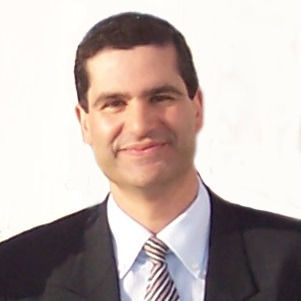
Event Chair
CISE—Electromechatronic Systems Research Centre, Department of Electromechanical Engineering, University of Beira Interior, Calçada Fonte do Lameiro, Covilhã, Portugal
Antonio J. Marques Cardoso received the Dipl. Eng., Dr. Eng., and Habilitation degrees from the University of Coimbra, Coimbra, Portugal, in 1985, 1995 and 2008, respectively, all in Electrical Engineering. From 1985 until 2011 he was with the University of Coimbra, Coimbra, Portugal, where he was Director of the Electrical Machines Laboratory. Since 2011 he has been with the University of Beira Interior (UBI), Covilhã, Portugal, where he is Full Professor at the Department of Electromechanical Engineering and Director of CISE - Electromechatronic Systems Research Centre (http://cise.ubi.pt). He was Vice-Rector of UBI (2013-2014). His current research interests are in fault diagnosis and fault tolerance in electrical machines, power electronics and drives. He is the author of a book entitled Fault Diagnosis in Three-Phase Induction Motors (Coimbra, Portugal: Coimbra Editora, 1991), (in Portuguese), editor of a book entitled Diagnosis and Fault Tolerance of Electrical Machines, Power Electronics and Drives (IET/SciTech, UK, 2018) and also author of more than 600 papers published in technical journals and conference proceedings. Prof. Marques Cardoso currently serves as Editor in Chief of the MDPI journal Machines, Co-Editor in Chief of the IEEE Transactions on Power Electronics, Editor of the IEEE Transactions on Energy Conversion and IEEE Power Engineering Letters, and Associate Editor of the IEEE Transactions on Industry Applications, IEEE Journal of Emerging and Selected Topics in Power Electronics, IEEE Open Journal of the Industrial Electronics Society, IET The Journal of Engineering, as well of the Springer journal Electrical Engineering and the International Journal of Systems Assurance Engineering and Management.
Session Chairs
Prof. Dr. Stefano Mariani
Department of Civil and Environmental Engineering at Politecnico di Milano, Milano, Italy
Prof. Stefano Mariani is currently a Professor at the Department of Civil and Environmental Engineering of Politecnico di Milano. He received his MSc degree with Honours in Civil (Structural) Engineering in 1995, and his Ph.D. in Structural Engineering in 1999, both at the Politecnico di Milano. His research interests include reliability analysis of MEMS, micromechanics of composite materials, machine and deep learning tools for health monitoring, optimal placement of sensing systems, and Kalman and particle filtering. He has co-authored around 100 peer-reviewed journal publications and one book on the mechanics of microsystems.
Prof. Dr. Kai Cheng
College of Engineering, Design and Physical Sciences, Brunel University London, Uxbridge, London, UK
Prof. Dr. Kai Cheng holds the chair professorship in Manufacturing Systems at Brunel University London. His current research interests focus on ultraprecision and micro-manufacturing, design of high-precision machines, smart tooling, diamond tools, and sustainable manufacturing systems. Prof. Dr. Cheng has published over 200 papers in learned international journals and referred conferences, authored/edited 6 books, and contributed 6 book chapters. He also is Editor-in-Chief of the Section “Advanced Manufacturing” in Machines
Prof. Dr. Jose Alfonso Antonino-Daviu
Department of Electrical Engineering, Valencia Polytechnic University, Valencia, Spain
Jose Antonino-Daviu (S’04, M’08, SM’12) received his M.S. and Ph. D. degrees in Electrical Engineering, both from the Universitat Politècnica de València, in 2000 and 2006, respectively. He also received his Bs. in Business Administration from Universitat de Valencia in 2012. He was working for IBM during 2 years, being involved in several international projects. Currently, he is Full Professor in the Department of Electrical Engineering of the mentioned University, where he develops his docent and research work. He has been invited professor in Helsinki University of Technology (Finland) in 2005 and 2007, Michigan State University (USA) in 2010, Korea University (Korea) in 2014 and Université Claude Bernard Lyon 1 (France) in 2015.
Prof. Dr. Giacomo Scelba
Department of Electrical Electronic and Computer Engineering, University of Catania, Catania, Italy
Giacomo Scelba received the M.S. and Ph.D. degrees in electrical engineering from the University of Catania, Catania, Italy, in 2002 and 2006, respectively. He is currently an Associate Professor with the Department of Electrical Electronic and Computer Engineering (DIEEI), University of Catania. He is a co-PI of a collaborative research agreement between the DIEEI and the Department of Astronautical, Electrical and Energy Engineering, Sapienza-University of Rome, for research in the field of wide-bandgap-semiconductor-based drives. His current research interests include ac drive control technologies, fault-tolerant motor drives, modeling and control of power converters and advanced technologies for power electronics applications.,Dr. Scelba is currently the Chair of PELS Technical Committee on Electrical Machines, Drives and Automation. He was a recipient of the 2014 First Prize Paper Award and the 2016 Third Prize Paper Award, both from the IAS Industrial Drives Committee, and the 2018 Third Prize Paper Award from the IES Electrical Machine Technical Committee.
Professor Marco Ceccarelli
LARM2: Laboratory of Robot Mechatronics, Dept of Industrial Engineering, University of Rome Tor Vergata, Roma, Italy
Marco Ceccarelli, born in Rome in 1958, is Professor of Mechanics of Machines at the University of Rome Tor Vergata, Italy, where he chairs LARM2: Laboratory of Robot Mechatronics. His research interests cover subjects of robotics, biomedical engineering, mechanism design, experimental mechanics, and history of mechanical engineering with several published papers in the fields of Robotics and Mechanical Engineering. He has been visiting professor in several universities in the world. He is ASME fellow. Professor Ceccarelli serves in several Journal editorial boards and conference scientific committees. He is editor-in-chief of the MDPI journal Robotics and of the SAGE International Journal on Advanced Robotic Systems for the area on Service Robotics He is editor of the Springer book series on Mechanism and Machine Science (MMS) and on History of MMS. He has been the President of IFToMM, the International Federation for the Promotion of MMS in 2008-11 and 2016-19. He has started several IFToMM sponsored conferences including (HMM) Symposium on History of Machines and Mechanisms, MEDER (Mechanism Design for Robotics) and MUSME (Multibody Systems and Mechatronics).
Prof. Dr. James Lam
Department of Mechanical Engineering, The University of Hong Kong, Hong Kong, China
Professor James Lam obtains a BSc (1st Hons.) degree in Mechanical Engineering from the University of Manchester, MPhil and PhD degrees from the University of Cambridge. He serves as a Chair Professor of Control Engineering at the University of Hong Kong, where he joined in 1993. Before that, he held faculty positions at the City University of Hong Kong and the University of Melbourne. He is a Croucher Scholar, Croucher Fellow, Distinguished Visiting Fellow of the Royal Academy of Engineering, and Cheung Kong Chair Professor. Professor Lam holds many professional designations, including Chartered Mathematician (CMath), Chartered Scientist (CSci), Chartered Engineer (CEng), and he is a Fellow of several professional institutions such as the Institute of Electrical and Electronic Engineers (FIEEE), Institution of Engineering and Technology (FIET), Institute of Mathematics and Its Applications (FIMA), Institution of Mechanical Engineers (FIMechE), Hong Kong Institution of Engineers (FHKIE), Asia-Pacific Artificial Intelligence Association (FAAIA), and the Distinguished Fellow of International Engineering and Technology Institute (DFIETI). He serves as Editor-in-Chief for IET Control Theory and Applications, Journal of The Franklin Institute, Proc. IMechE Part I: Journal of Systems and Control Engineering, and Franklin Open. He has also held editorial positions in Journal of Sound and Vibration, Asian Journal of Control, Cogent Engineering, IET Journal of Engineering, International Journal of Systems Science, Automatica, and Multidimensional Systems and Signal Processing.
Dr. Israel Zamudio-Ramírez
Engineering Faculty, Autonomous University of Querétaro, Mexico
Israel Zamudio-Ramírez received his M.S. and Ph.D. degrees in Mechatronics both from the Autonomous University of Queretaro, Mexico in 2019, and 2023, respectively, and the Ph.D. degree in Electrical Engineering, from the Universitat Politècnica de València, Spain in 2023. He received the ICEM Jorma Luomi Student Forum award in Valencia, Spain in 2022, for his contributions in electric motors fault diagnosis area and competence displayed. His research interests include monitoring and diagnosis of electrical machines, and signal processing for engineering applications and its implementation on FPGA. He has been involved in industry-related projects and investigations during the Ph.D. for the condition monitoring of electrical machines.
Event Committee
supply chain; RMSE-sourcing; optimisation; simulation
Department of Mechanical Engineering, The Hong Kong Polytechnic University, Hong Kong, China
synthesis and optimization of manipulator mechanisms; generalized parallel mechanisms research; reconfigurable robots; Robotics and Mechatronics; high performance parallel robotic machine development; micro/nano manipulation and MEMS devices; rehabilitati
Department of Mechanical, Energy, Management and Transport Engineering (DIME), University of Genoa, Genoa, Italy
robotics; mobile robotics; mechatronics; control system design
UFR Sciences and Technologies Department, Paris-Saclay University, Evry, France
control theory and applications; multi-agent systems; singular systems; fault detection; fault tolerant control; fuzzy control; linear matrix inequalities; automotive control; intelligent vehicle; renewable energy
Electrical and Computer Engineering Department, Curtin University, Perth, Australia
condition monitoring; fault diagnosis; Asset management; power electronics; power system stability quality and control; renewable energy; smart grids
Wind Energy; aeroelasticity; wind turbines; wakes; condition monitoring; scada; control and optimization; phase space reconstruction; neural network; deep learning
Department of Mechanical and Aerospace Engineering, School of Engineering, The University of Manchester, Manchester, UK
Maintenance Engineering; Health Monitoring Techniques for Rotating Machinery; Seismic Qualification; Advance Signal Processing; Bioengineering;Finite Element (FE) modelling, Analysis and Model Updating
Department of Industrial & Systems Engineering, Wayne State University, Detroit, MI, USA
intelligent manufacturing, remanufacturing, throughput maximization
Signal processing; artificial intelligence; condition monitoring of electrical machines
Engineering Department, University of Ferrara, Ferrara, Italy
kinematics; dynamics; mechanism and machine theory; parallel manipulators; robot mechanics; biomechanics; vehicle mechanics; robotics
Faculty of Information Technology and Communication Sciences and Electrical Engineering, Tampere University, Tampere, Finland
electromagnetic design and thermal management of electric motors for traction applications
Department of Mechanical Engineering, ISEP - School of Engineering, Portugal
material characterization; polymers; composite materials; advanced manufacturing systems; flexible production; automation and robotics; industrial design
Prof. Yucheng Liu, PhD, PE, FASME, FSAE | Department of Mechanical Engineering, South Dakota State University, Brookings, SD, USA
multiscale modeling and simulation; process-structure-property-performance relations of materials; high strain rate performance of materials; mechanical and machine design; crashworthiness analysis
Department of Mechanical Engineering, University of Aveiro, Aveiro, Portugal
mechatronics and robotics; 3D printing materials and technologies; multibody dynamics, vibration and damping; smart materials and structures; computational and experimental mechanics; instrumentation and control; vibroacoustics of structures and musical i
Section of Manufacturing Technology, School of Mechanical, Engineering, National Technical University of Athens, Athens, Greece
nanotechnology; artificial intelligence and neural networks; precision and ultraprecision machining; nanomaterials; non-conventional machining; molecular dynamics
Department of Electrical Engineering, University of Malaga, Malaga, Spain
Multiphase electric drives; model predictive control; fault tolerance; fault detection algorithms; Wind energy conversion systems; electric vehicles
Department of Mechanical and Automation Engineering, The Chinese University of Hong Kong, Shatin, N.T., Hong Kong, China
smart materials and structures; energy harvesting and vibration control; 3D/4D printing; mechatronics; exoskeleton and prosthesis
Italian Institute of Technology, Center for Convergent Technologies, Genova, Italy
modeling; model-based design; physical intelligence; magnetics; flexible tools; bioengineering; biomedical robotics; bioinspired robotics; soft robotics
Faculty of Mechanical Engineering, Lodz University of Technology, Łódź, Poland
nonlinear dynamics; non-linear mechanics; control; biomechanics; mechatronics
Department of Innovation Engineering, University of Salento, University Campus, Street for Monteroni, Lecce, Italy
mechatronics; automation; control of mechanical systems; design and testing of sensors systems
School of Engineering and Computer Science, University of Hertfordshire, UK
renewable energy; energy storage systems; optical nanomaterials; surface engineering of polymer nano-composites; nano-fluid
School of Mechanical and Manufacturing Engineering, University of New South Wales, Sydney, Australia
mechanical engineering; design innovation; innovation and technology management; design history and theory; manufacturing engineering; engineering design; design method; design practice; mechanical engineering; manufacturing industry; engineering educatio
Department of Product and Systems Design Engineering, University of Western Macedonia, Kozani, Greece
computational design, machining, additive manufacturing, product design, CAD/CAM/CAE, reverse engineering and prototyping
Department of Electrical and Electronics Engineering, Universiti Teknologi PETRONAS, Perak, Malaysia
power electronics and drives; renewable energy systems; radiation in power semiconductor devices; artificial intelligence applications to power electronics
Department of Mechanical Engineering, ISEP–School of Engineering, Polytechnic of Porto, Porto, Portugal
lean manufacturing; manufacturing systems; discrete event simulation; simulation and optimization
coatings; materials; metals; materials characterization; wear; microscopy; welding; machining; manufacturing processes; composites; industrial management
Department of Mechanical Engineering, Florida International University, Miami, FL, USA
wear; machine tools
Department of Electrical and Computer Engineering, Democritus University of Thrace, Xanthi, Greece
electrical machines and drives; diagnostics of electrical machines; renewable energies and smart grids
Beijing Key Laboratory of Millimeter Wave and Terahertz Technology, School of Integrated Circuits and Electronics, Beijing Institute of Technology, Beijing, China
reconfigurable RF/microwave/millimetre-wave devices; multilevel inverters; power electronics; thermal-hydraulic instrumentation; application security; sentiment analysis
Department of Physics, City University of Hong Kong, Hong Kong SAR & Digitalization and Intelligentization R&D Center of Huadian Coal Industry Co., Ltd., China
Additive Manufacturing; Energy Harvesting and Conversion; Automation and Artificial Intelligence
Computer Vision; Intelligent Agriculture; artificial intelligence; Machine Learning; robotics; convolutional neural networks; Structural Health Monitoring
Laboratory of Vibration and Acoustics (LVA), University of Lyon, Villeurbanne, France
identification of sources, monitoring - diagnosis -; pathology diagnostics; infant cry classification; audio spectrograms; transformer; pediatric healthcare; dataset enhancement; synthetic sound generation; monitoring - diagnosis
Electrical Engineering Department, Universitat Politècnica de Catalunya, Terrassa, Spain
electrical machines, high-voltage engineering, data processing, optimization
Department of Electrical Engineering, Khalifa University, Abu Dhabi, United Arab Emirates
Renewable Energy, power electronics, machine design and control, multiphase systems, Electric vehicles, and Power Quality
Faculty of Systems, Electronics and Industrial Engineering, Universidad Técnica de Ambato, 180206 Ambato , Ecuador
& Department of Electrical Engineering, University of Jaén, Linares, Spain
Electrical energy systems, renewable energies, energy management, smart grids
School of Mechanical Engineering, Faculty of Engineering, Aristotle University of Thessaloniki, Greece
Additive manufacturing processes, Gears, Gear manufacturing and machine elements
Keynote Speakers
Department of Engineering, University of Messina, Messina, Italy
Impact of Multilevel Converters on Electromechanical Energy Conversion.
Salvatore Foti (S’14) received the B.S. and M.S. degrees in electrical engineering from the University of Catania, Catania, Italy, in 2011 and 2013, respectively. He received the Ph.D. degree from the University of Messina, Italy, in 2017. He is currently an Assistant Professor with the Department of Engineering (DI), University of Messina. His current research interests include high-efficiency multi-level inverters, AC motor drives for Open-end-Winding systems, sensorless control strategies, ac drive control technologies, modeling and control of power converters for renewable energies and advanced technologies for power electronics applications. He was a recipient of the ELEKTRO 2020 Best Paper Award.
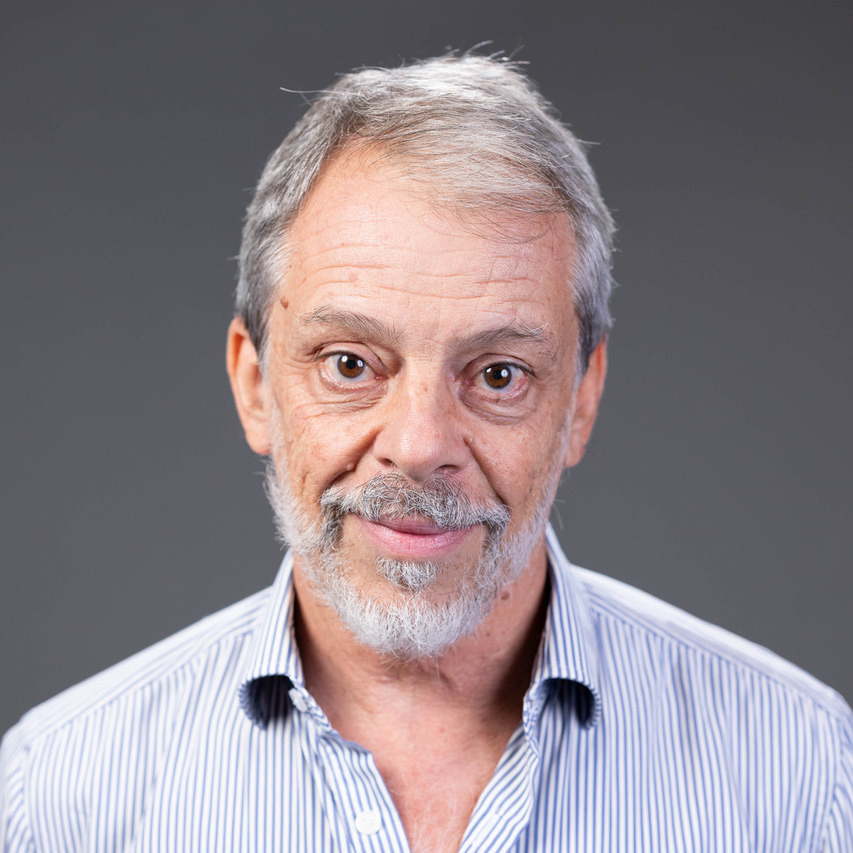
School of Engineering, Autonomous University of Queretaro, Mexico
AI-Driven Prediction of Remaining Useful Life for Intelligent Machinery Health Management
Dr. Juan Carlos A. Jáuregui Correa is a Professor and Researcher at the Faculty of Engineering, Autonomous University of Querétaro, Mexico. His work focuses on vibration analysis, machine dynamics, and predictive maintenance supported by AI and computational modeling. He has led numerous academic and industrial projects, authored multiple scientific publications, and holds patents in dynamic testing and intelligent monitoring of rotating machinery. His research aims to bridge the gap between mechanical engineering and data-driven reliability in advanced mechatronic systems.
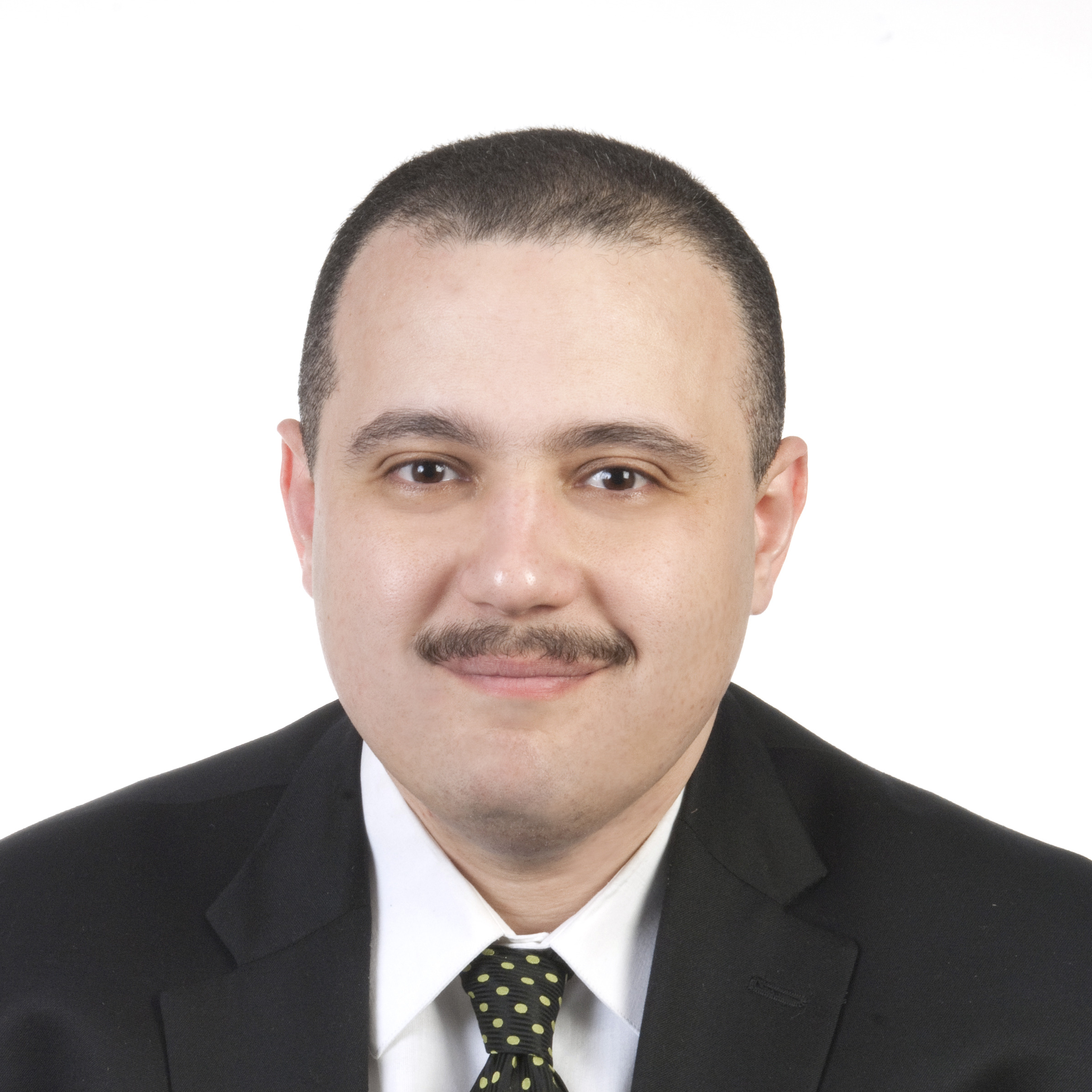
Department of Electrical and Computer Engineering, Marquette University, Milwaukee, Wisconsin, United States
Advanced Electrical Drivetrains for Propulsion Applications
Ayman M. El-Refaie received the M.S. and Ph.D. degrees in electrical engineering from the University of Wisconsin Madison in 2002, and 2005 respectively. Between 2005 and 2016 he has been a principal engineer and a project leader at the Electrical Machines and Drives Lab at General Electric Global Research Center. His interests include electrical machines and drives. Since January 2017 he joined Marquette University as the Werner Endowed Chair for Energy Sustainability. He has over 250 journal and conference publications. He has 50 issued US patents. He is a fellow of the IEEE, IET and National Academy of Inventors. At GE, he worked on several projects that involve the development of advanced electrical machines for various applications including, aerospace, traction, wind, and water desalination. He was the chair for the IEEE IAS Transportation Systems committee and an associate editor for the Electric Machines committee. He was a technical program chair for the IEEE 2011 Energy Conversion Conference and Exposition (ECCE). He was the general chair for ECCE 2014 and 2015 ECCE steering committee chair. He was the general chair of IEMDC 2019. He was the IEEE IAS Industrial Power Conversion Systems Department. He was the IAS Publications Department Chair He is currently serving as the IAS president. He is a member of Sigma Xi. He received several prestigious awards including the IEEE IAS Industrial Power Conversion Systems Department Gerald Kliman Innovator Award, the 2022 ICEM Arthur Ellison Achievement Award, the 2024 IEEE Power & Energy Society (PES) Cyril Veinott Electromechanical Energy Conversion Award, and the 2024 IEEE PELS Electrical Machines, Drives and Related Automation Technical Achievement Award among several others. He is the recipient of five paper awards.

Department of Sciences and Technology (UFR), Paris-Saclay University, Évry, France
Fault detection filter design for a class of nonlinear systems
Mohammed Chadli (SM’09) received his MSc (DEA) from the Engineering School INSA-Lyon (France, 1999) and from “Ecole Normale Sup.” (Mohammedia, Morocco), the Ph.D. thesis in Automatic Control from the University of Lorraine (UL), CRAN-Nancy in 2002. He was Lecturer and Assistant Professor at the “Institut National Polytechnique de Lorraine” (UL, 2000-2004). Since 2004, he was Associate Professor at the UPJV and is currently a Full Professor at the University Paris-Saclay Evry, IBISC Lab., France. He was a visiting professorship at the TUO-Ostrava (Czech Rep.), UiA (Norway), SMU-Shanghai (2014-2017), NUAA-Nanjing (2018-2024), and the University of Naples Federico II (Italy, 2019). Dr. Chadli’s research interests include filtering and control problems (FDI, FTC) and applications to vehicle systems, intelligence systems, network systems, and cyber-physical systems. He is the author of books and book chapters (Wiley, Springer, Hermes), numerous articles published in international refereed journals and conference proceedings. Dr. Chadli is a senior member of IEEE. He is on the editorial board (Editor, Associate Editor) of several international journals, including the IEEE Transactions on Fuzzy Systems, Automatica, the IET Control Theory and Applications, the Franklin Institute Journal, Asian Journal of Control … and was a Guest Editor for Special Issues in international journals and Vice Dean of the Faculty of Sciences and Technologies (Univ Evry). He now serves as the Chair of the IEEE France Section Control Systems Society Chapter, and listed in “100 000 Leading Scientists in the World”.

Ocean Engineering, University of New Hampshire, Durham, United States
Rethinking Structural Inference Under Uncertainty: Toward Long-Term Digital Twins Without Load Knowledge
Yashar Eftekhar Azam is an Associate Professor in the Department of Civil and Environmental Engineering and the Ocean Engineering Program at the University of New Hampshire. His research focuses on digital twinning of complex dynamical systems, integrating computational modeling, machine learning, artificial intelligence, stochastic system identification, and experimental dynamics, with a particular emphasis on uncertainty-aware inference under unknown loading conditions. He is the developer of the B-LACE4DT framework (Bayesian Load-Agnostic Continuous Estimation for Digital Twinning), which enables state and parameter estimation without requiring explicit knowledge of external loads. His work spans both fundamental and applied research, advancing mathematical and algorithmic foundations while deploying these methods in real-world environments. He has led or contributed to field testing of over 20 bridges and multiple buildings across the United States, New Zealand, and other regions, and has worked on applications ranging from civil infrastructure to energy systems and floating structures. Dr. Eftekhar Azam is an active member of the Society for Experimental Mechanics and the Engineering Mechanics Institute. He has held research positions at ETH Zurich and Politecnico di Milano and has authored over 50 peer-reviewed technical publications, contributing to the advancement of uncertainty-aware digital twinning for long-term structural monitoring.
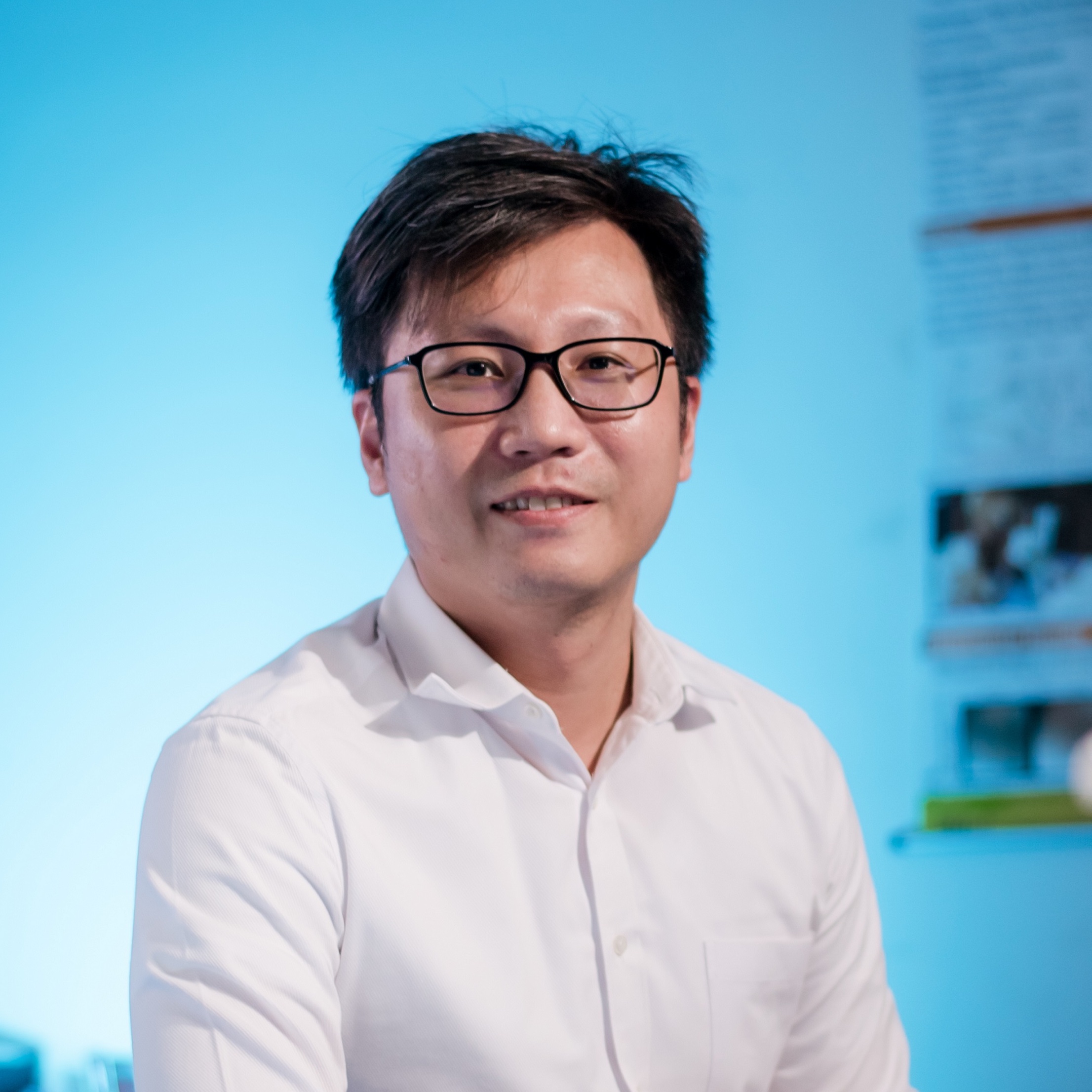
Department of Mechanical and Automation Engineering, The Chinese University of Hong Kong, Hong Kong, China
Soft Robotic Actuation and Control for Applications in MRI-Guided Interventions
Ka-Wai Kwok is a Professor at Mechanical and Automation Engineering, The Chinese University of Hong Kong (CUHK). His research focuses on surgical robotics, intra-operative image processing, and also intelligent and control systems. To date, Ka-Wai has co-authored >180 publications with >90 clinical fellows and >190 engineering scientists. His multidisciplinary work has been recognized by many international publication awards, e.g. 2018 ICRA Best Conference Paper Award and 2020 IROS Toshio Fukuda Young Professional Award (largest flagship academic conferences of robotics). Currently, Ka-Wai is the principal investigator of research group for Interventional Robotic and Imaging Systems (IRIS), which has various inventions licensed/transferred from university to industry in support for their commercialization. He is also a co-founder and director of Agilis Robotics Limited aiming at advancing the interventional endoluminal endoscopy with small, fully flexible robotic instruments and their intelligent control systems. His team successfully performed world’s first transurethral robotic en-bloc resection of bladder tumours (ERBT) in live human in 2024.

Invited Speakers
Applied Mechanics and Civil Engineering Department, Faculty of Mechanics, University of Craiova, Craiova, Romania
Approaches regarding exoskeletons design for children walking assistance.
Prof. Dr. Cristian Copilusi graduated doctoral studies in 2009, at the Doctoral School, "Acad. Radu P. Voinea" of the University of Craiova under the supervision of professor, Dr. eng. Nicolae Dumitru. Since 2010 he was involved in research activities dedicated to human locomotion assistive devices under the lead of Prof. Marco Ceccarelli, and together were written more than 15 articles related on this topic during time. He has published more than 63 research articles, of which 28 are indexed in Web of Science. Among these, four articles dedicated to human gait recovery systems were published in journals with notable impact factors. His primary research interests are machine parts, biomechanics, and biomedical applied research. His academic career started from 2006 as Assistant Professor, in the Faculty of Mechanics—University of Craiova, and this year he received the rank of full professor.
School of Mechanical Engineering, Faculty of Engineering, Aristotle University of Thessaloniki, Greece
Digital Transformation of Gear Engineering: Simulation-Driven Approaches to Manufacturing and Performance Characterisation
Dr. Nikolaos Tapoglou is an Assistant Professor in the School of Mechanical Engineering of the Aristotle University of Thessaloniki. He received his Diploma, and M.Sc. with a specialisation in manufacturing processes and a PhD with a specialisation in gear manufacturing processes from the School of Production Engineering and Management of the Technical University of Crete. Before joining the Aristotle University of Thessaloniki, he served as a tenured Assistant Professor in the International Hellenic University (2021-2025). Prior to his appointment in IHU, he led the Emerging machining technology team in the Advanced Manufacturing Research Centre (AMRC) of The University of Sheffield as a Technical Fellow (2016-2021). Between 2013 and 2016 he worked as a Post-Doctoral Research Fellow at Cranfield University. His research focuses on gear manufacturing processes, CAD/CAM/CAE systems, additive manufacturing, sustainable manufacturing technologies (Cryogenic and MQL machining), emerging machining technologies and Cloud/IoT technologies. He has co-authored over 45 journal and conference publications and has worked on more than 40 research projects. He is currently the PI of 1 EU-funded project.
Department of Electrical Electronic and Computer Engineering, University of Catania, Italy
Resolution of Rotor Position Measurement: Modelling and Impact on Speed Estimation
Luigi Tornello (Member, IEEE) was born in Caltagirone, Italy. He received the M.S. and PhD degrees in Electrical Engineering from the University of Catania, Italy, in 2017 and 2021, respectively. Since 2023, he has been Assistant Professor in the Electrical Machines, Drives and Power Electronics group with the Department of Electrical Electronic and Computer Engineering (DIEEI), at the University of Catania, Italy. His research interests include AC drive control technologies, sensor-based and sensorless AC drive control strategies, digital signal processing techniques, fault-tolerant motor drives, modelling and control of power converters, and advanced technologies for power electronics’ application. He was a recipient of the 2018 Third Prize Paper Award from the IES Electrical Machine Technical Committee.
DIETI, Department of Electrical Engineering and Information Technologies, University of Naples Federico II, Naples, Italy
Current sensors in PMSM drives: the effects of current measurements and the risk of intentional attack.
Professor Luigi Pio Di Noia received the M.S. and Ph.D. degrees in electrical engineering from the University of Naples Federico II, Napoli, Italy, in 2011 and 2015, respectively. From 2018 to 2025, he has been a research fellow of Electrical Machines, Power Electronics and Electric Drives. Now he is associate professor in the same research group. He is the co-author of more than 130 research publications in journals and conferences. He is senior member of IEEE and associate editor for the journal IEEE Transactions on Transportation Electrification. His research interests include the design and control of electrical machines and drives for electrification of traction and propulsion, fault diagnosis and prognostic.
DIETI, Department of Electrical Engineering and Information Technologies, University of Naples Federico II, Naples, Italy
Current sensors in PMSM drives: the effects of current measurements and the risk of intentional attack.
Professor Ciro Attaianese received the Ph.D. in Electrical Engineering from the University of Naples 'Federico II', Italy, in 1989. From January 1990 to October 1992 he was researcher of Electrical Machines, Power Electronics and Electric Drives in the Faculty of Engineering of the University of Naples 'Federico II', Italy. In November 1992, he joined the University of Cassino and South Lazio as Associate Professor of Electrical Machines, Power Electronics and Electric Drives, where he became full professor in November 1999. From 1999 to 2008 he was chair of the PhD School in Power Electronics, Electrical Machine and Electrical Drives. From November 2009 to October 2015, he was Rector of the University of Cassino and South Lazio. In December 2019, he joined the University of Naples Federico II. He is founder of three startups operating in the field of power electronics and e-mobility. His current research interests include electrical machines and power converters modelling, electrical drives and applications of microprocessors to their control, renewable energy, and electrification of mobility.
National Maglev Transportation R&D Center, Tongji University, Shanghai, China
Guideway Condition Monitoring, Assessment and Maintenance Technology: Practices from the Shanghai High-Speed Maglev Line
Dr. Zeng is a Professor, Doctoral Supervisor and the Deputy Director of Maglev Transportation Engineering Technology Research Center, Tongji University. Dr. Zeng has long been engaged in research on maglev line and track systems. He has achieved significant research outcomes in key technological areas including maglev track structures, guideway switch systems, maglev vehicle-track interaction theory, as well as maglev guideway detection technology and system condition assessment. He led the researsh of turnouts for China’s maglev systems, and established a service condition assessment system for high-speed maglev systems, proposing for the first time a systematic set of evaluation indicators and methods for the state of high-speed maglev systems. He is now leading a National Key R&D Program project focused on theoretical research of high-speed maglev systems. In the past decade of research, he has authored one monograph, published over 30 papers, obtained more than 10 invention patents, chaired the compilation of three group standards on turnouts, and participated in the formulation of two national maglev standards.
Registration
The deadline for registration is the 6 May 2026.
Instructions for Authors
IECMA 2026 will accept abstracts only. The accepted abstracts will be available online on Sciforum.net during and after the conference.
Important Deadlines
1. Deadline for abstract submission: 9 February 2026.
2. Abstract acceptance notification: 9 March 2026.
Please note:
An abstract acceptance email only confirms that your abstract has been accepted. Oral or poster presentation invitations are determined separately by the conference chairs, and you will receive an additional email with the presentation result.
If you do not have an account, please register at www.sciforum.net. After logging in, submit your abstract using the “Submit Abstract” button on the conference homepage. No template is required.
Abstract Requirements
1. Types of Submissions
- Accepted: Original research abstracts; systematic reviews or meta-analyses abstracts(must comply with PRISMA 2020).
- Not accepted: Narrative, scoping, comparative, perspective, opinion, or essay-style reviews
2. Content Requirements
- Length: 200–300 words
- Structure: Introduction, Methods, Results, Conclusions
- Language: Clear, publication-ready English
- Originality: Must be original and unpublished; previously published abstracts will not be considered
3. Authorship
- The submitting author must ensure all co-authors approve the content.
- Authors may submit multiple abstracts, but only one abstract per author may be selected for an oral presentation.
1. Each abstract must designate one presenter. To change the presenter, please contact us after you receive the oral/poster presentation invitation.
2. Only live presentations are accepted.
3. Presenters who do not attend the live session will not be eligible for awards or presentation certificates.
The slot for the oral presentation is 15 mins. We advise that your presentation lasts for a maximum of 12 mins, leaving at least 3 mins for the Q&A session.
- Use a clear and logical structure, typically Introduction-Methods-Results&Discussion structure (IMRaD) or a field-appropriate alternative;
- Emphasize the relevance of the work;
- Support key findings with clear figures or tables where appropriate;
- Conclude with a critical interpretation of the results and their impact.
Each poster should include:
- Title, authors, affiliations, and contact details (clearly displayed at the top);
- Brief introduction outlining the research objective;
- Concise methodology summary;
- Main results, supported by clear, well-labeled figures or tables where appropriate;
- Short conclusion summarizing key findings and their relevance.
Technical specifications:
Dimensions (cm): 84.1 × 118.9 (A0 - portrait)
Resolution:300 dpi
Pixel size (portrait, 300 dpi):9933 × 14043 px
Minimum font size:≥24
It is the author's responsibility to identify and declare any personal circumstances or interests that may be perceived as inappropriately influencing the representation or interpretation of clinical research. If there is no conflict, please state "The authors declare no conflicts of interest." This should be conveyed in a separate "Conflict of Interest" statement preceding the "Acknowledgments" and "References" sections at the end of the manuscript. Any financial support for the study must be fully disclosed in the "Acknowledgments" section.
MDPI, the publisher of the Sciforum.net platform, is an open access publisher. We believe authors should retain the copyright to their scholarly works. Hence, by submitting an abstract to this conference, you retain the copyright to the work, but you grant MDPI the non-exclusive right to publish this abstract online on the Sciforum.net platform. This means you can easily submit your full paper (with the abstract) to any scientific journal at a later stage and transfer the copyright to its publisher if required.
Publication Opportunities
Participants in this conference are cordially invited to contribute a full manuscript to the conference's Special Issue: Machines and Applications—New Results from a Worldwide Perspective, published in Machines (ISSN: 2075-1702, Impact Factor 2.5), with a 20% discount on the publication fee.
Please note if you have IOAP/association discounts, conference discounts will be combined with IOAP/association discounts. Conference discounts cannot be combined with reviewer vouchers. All submitted papers will undergo MDPI’s standard peer-review procedure. The abstracts should be cited and noted on the first page of the paper.
All accepted abstracts will be published in the conference report of The 3rd International Electric Conference on Machines and Applications in journal Engineering Proceedings (ISSN: 2673-4591); authors of accepted abstracts are highly encouraged to submit an extended proceeding paper (ideally 4-8 pages in length) for free, please submit it to the same journal after the conference.
Proceedings submission deadline: 30 June 2026.
Please click HERE to submit your proceeding paper to the Engineering Proceeding, and be sure to disclose the conference information in your cover letter or mention the conference name in your submission.
IECMA 2026_proceeding_paper-template.dot
Publication Notice: Conference report and proceedings papers will undergo peer-review procedure. Acceptance at the conference does not ensure final publication.
List of accepted submissions (128)
| Id | Title | Authors | |||||||||||||||||||||||||||||||||||||||
|---|---|---|---|---|---|---|---|---|---|---|---|---|---|---|---|---|---|---|---|---|---|---|---|---|---|---|---|---|---|---|---|---|---|---|---|---|---|---|---|---|---|
| sciforum-171283 | Quantum-Inspired Fuzzy Inference-Based Intelligent Control of Nonlinear Technological Processes |
Show Abstract Comment |
|||||||||||||||||||||||||||||||||||||||
|
Nonlinear technological processes are characterized by strong dynamic coupling, multivariable interactions, and significant uncertainty caused by time-varying operating conditions and external disturbances. These characteristics substantially limit the performance of conventional control strategies, such as classical PID and fixed rule-based controllers, which often lack sufficient adaptability and robustness in complex industrial environments. Even conventional fuzzy controllers may exhibit degraded performance when operating regimes change rapidly or when multiple competing control actions must be evaluated simultaneously. Consequently, the development of advanced intelligent control approaches for nonlinear and uncertain systems remains a critical challenge in modern automation and control engineering. This paper proposes a quantum-inspired fuzzy inference-based intelligent control framework for nonlinear technological processes. The proposed approach integrates a fuzzy inference system as the core decision-making mechanism with quantum-inspired computational principles, including probabilistic state representation, parallel evaluation of alternative control actions, and adaptive weighting mechanisms. Unlike true quantum computation, the proposed method employs quantum-inspired concepts at the algorithmic level to enhance decision flexibility and robustness while remaining fully compatible with classical real-time control platforms. Fuzzy inference enables the incorporation of expert knowledge and linguistic uncertainty, whereas the quantum-inspired structure allows simultaneous assessment of multiple control scenarios within each control cycle. The controller is implemented in a closed-loop architecture and coupled with a dynamic nonlinear process model. Real-time process measurements are used to adapt inference parameters online, while quantum-inspired weighting reinforces favorable control actions and suppresses suboptimal ones. Simulation results demonstrate faster transient response, improved disturbance rejection, and higher operational efficiency compared to classical PID and conventional fuzzy controllers. The proposed methodology is applicable to a wide range of automation and control systems, including energy conversion and thermal processing units. |
|||||||||||||||||||||||||||||||||||||||||
| sciforum-171281 | Quantum-Inspired Photon–Spin Control Framework for Robust Automation of Nonlinear Dynamic Systems under Uncertain Operating Conditions |
Show Abstract Comment |
|||||||||||||||||||||||||||||||||||||||
|
Modern automation and control systems applied in energy-conversion units, mechatronic platforms, and industrial processes increasingly operate under conditions characterized by strong nonlinear dynamics, parametric uncertainties, and time-varying external disturbances. These factors significantly degrade the performance of conventional control approaches, including PID and rule-based intelligent controllers, particularly in terms of robustness, transient response, and adaptability. Consequently, the development of advanced control frameworks capable of systematically addressing uncertainty and nonlinear behavior remains a critical challenge in automation and control engineering. This study proposes a quantum-inspired photon–spin control framework for robust automation of nonlinear dynamic systems operating under uncertain conditions. The controlled process is modeled using nonlinear state-space equations representative of automation-oriented dynamic plants. System states are mapped into a photon–spin probabilistic representation, where spin-like state variables and photon-inspired energy encoding enable a superposition-based description of multiple possible system behaviors within a unified control-oriented structure. This representation allows parallel evaluation of alternative control actions under uncertainty. A quantum-inspired inference and decision mechanism based on interference-driven selection logic is employed to identify the most probable optimal control action from the superposed state space. The selected control signal is decoded and applied to the plant through classical actuators, forming a hybrid quantum-inspired/classical feedback control loop that remains fully compatible with standard automation hardware and numerical simulation environments, without requiring physical quantum devices. Simulation studies conducted under significant parametric variations (up to ±15%) and external disturbances demonstrate that the proposed framework achieves approximately 25% reduction in steady-state control error and a 20-30% improvement in transient performance compared to conventional intelligent control strategies. The results confirm the effectiveness and robustness of the proposed approach for next-generation automation and control applications operating under uncertain and dynamically varying conditions. |
|||||||||||||||||||||||||||||||||||||||||
| sciforum-171166 | Adaptive Path Planning for Drone-Based Construction Site Inspection Using Fractal Image Processing and Deep Learning | , |
Show Abstract Comment |
||||||||||||||||||||||||||||||||||||||
|
Drone-based inspection has become an effective tool for improving safety and efficiency in construction applications; however, designing flight paths that balance coverage, inspection resolution, and limited flight time remains challenging. Conventional path planning approaches typically apply uniform flight patterns and fixed image resolutions across entire construction sites, leading to redundant scanning in low-complexity areas and insufficient inspection of critical regions. This paper presents an adaptive drone path planning framework for construction applications that integrates fractal image processing with deep learning-based hazard detection. The proposed approach first captures a preliminary image of the construction site and applies a fractal quadtree algorithm to partition the site into regions of varying spatial resolution based on visual complexity. These partitions are clustered into multiple altitude levels, enabling resolution-aware path planning in which drones are deployed at different heights to efficiently inspect regions with distinct complexity requirements. High-complexity areas are assigned finer resolutions and lower flight altitudes, while low-complexity areas are inspected at coarser resolutions from higher altitudes. To enable automated safety inspection, a YOLO-based deep learning model is employed to identify construction hazards from images captured by drone-mounted cameras. The detection model is trained offline using labeled construction site imagery and is capable of recognizing multiple hazard types under varying environmental conditions. Simulation results using real construction site images demonstrate that the proposed method significantly reduces the number of required scan locations compared to traditional random walk and zigzag flight patterns while maintaining sufficient image quality for reliable hazard detection. The proposed framework provides an efficient and scalable solution for adaptive drone-based construction site inspection. |
|||||||||||||||||||||||||||||||||||||||||
| sciforum-171150 | Data-Driven Predictive Control of a Nonlinear CSTR Process | , , , , |
Show Abstract Comment |
||||||||||||||||||||||||||||||||||||||
|
Continuous stirred tank reactors (CSTRs) are challenging to control because of their nonlinear dynamics and the strong interaction between concentration and temperature. These challenges become more pronounced when operating conditions vary and reaction kinetics are uncertain, which often limits the effectiveness of conventional control strategies. In this study, a data-driven predictive control approach is developed for a generic nonlinear CSTR by integrating a Long Short-Term Memory (LSTM) neural network within an MPC framework. A benchmark exothermic CSTR described by coupled mass and energy balance equations with Arrhenius-type kinetics and jacket heat exchange is used as a reference process. Reactor concentration and temperature are selected as the state variables, while the coolant temperature serves as the manipulated input. The first-principles model is employed to generate operational data and to evaluate closed-loop performance. Dynamic simulation data are generated over 300 min with a sampling time of 0.5 min and cover multiple operating regions. Disturbances in feed concentration (±10%) and feed temperature (±5 K), together with 1% measurement noise, are introduced to reflect realistic operating conditions. An LSTM network with two hidden layers of 32 units each is trained to perform multi-step prediction of reactor states. On unseen test data, the model achieves root-mean-square errors of approximately 0.02 kmol/m3 for concentration and 2.0 K for temperature. The trained LSTM is embedded into an MPC scheme with a prediction horizon of 10 steps and explicit input and temperature constraints. Closed-loop simulations indicate that the proposed LSTM-based MPC improves set-point tracking and disturbance rejection compared with conventional PID control and nominal model-based MPC, while achieving reduced overshoot and faster stabilization. The results suggest that data-driven predictive control provides a practical alternative for nonlinear CSTR systems when accurate mechanistic models are difficult to obtain. |
|||||||||||||||||||||||||||||||||||||||||
| sciforum-170123 | Evaluating Novel Intelligent Control Strategies for Biogas Production Using Multi-Criteria Decision Analysis | , , , , |
Show Abstract Comment |
||||||||||||||||||||||||||||||||||||||
|
The control of biogas production in anaerobic digestion systems is inherently challenging due to pronounced nonlinear dynamics, biological uncertainty, long time delays, and limited availability of reliable online measurements. In response, a range of advanced control strategies—including model-based, data-driven, and artificial intelligence-assisted approaches—have been proposed to enhance methane productivity while maintaining process stability. Nevertheless, a systematic and quantitatively grounded comparison of these strategies from an application-oriented perspective remains limited. This study presents a comparative assessment of novel biogas control strategies using a Multi-Criteria Decision Analysis (MCDA) framework. The evaluated alternatives include fuzzy supervisory control, adaptive neuro-fuzzy inference systems (ANFIS), mechanistic model predictive control (MPC), data-driven MPC employing machine-learning predictors, reinforcement learning-based control, and hybrid architectures that integrate soft sensors with intelligent supervisory layers. Eight evaluation criteria were defined to reflect the requirements of full-scale anaerobic digestion systems, including stability and risk prevention, methane productivity, constraint handling capability, robustness to feedstock variability, sensor practicality, implementability in PLC/SCADA environments, explainability, and lifecycle effort. The MCDA results indicate that hybrid strategies combining soft sensing with supervisory control achieved the highest aggregated performance score (0.82 on a normalized scale), followed by fuzzy (0.76) and ANFIS-based (0.74) supervisory controllers. MPC-based strategies exhibited superior constraint handling performance (criterion scores above 0.85) but were comparatively penalized due to higher modeling and implementation effort. The reported literature suggests that data-driven predictive control can improve methane yield by approximately 5–10%, while intelligent supervisory control supported by soft sensors may reduce acidification risk indicators by 20–30% relative to baseline operation. Reinforcement learning approaches demonstrated high theoretical optimization potential but the lowest industrial readiness. Overall, the proposed MCDA framework highlights hybrid intelligent control architectures as the most balanced solution, offering a practical compromise between performance enhancement, robustness, and deployability in biogas production systems. |
|||||||||||||||||||||||||||||||||||||||||
Event Awards

The Awards
Number of Awards Available: 4
1. Best Oral Presentation Award
Eligibility: Open to all authors selected as oral speakers who have delivered their presentation. Failure to present, delegation of the presentation to another person, or use of AI-generated voice or similar substitutes will result in disqualification.
Criteria: Evaluation considers scientific rigor (clear, literature-supported research question or hypothesis, appropriate methodology, robust analysis and critical discussion of the results), IMRaD/field-appropriate structure, clarity of presented data (clear, well-labeled figures and tables), presentation skills and audience engagement, demonstrated scientific novelty and impact.
Prize: An award of CHF 200 and a certificate in recognition of your outstanding contribution.
2. Best Poster Award
Eligibility: Open to all authors who have presented their work through posters. Failure to present, delegation of the presentation to another person, or use of AI-generated voice or similar substitutes will result in disqualification.
Criteria: Evaluation considers scientific rigor (clear, literature-supported research question or hypothesis, appropriate methodology, robust analysis, and critical discussion of the results), IMRaD/field-appropriate structure enabling independent understanding, clarity of presented data (clear, well-labeled figures and tables), presentation skills (if orally presented), demonstrated scientific novelty and impact.
Prize: An award of CHF 200 and a certificate in recognition of your outstanding contribution.
Winner Announcement: The award winners will be evaluated and selected by the scientific committee after the conference. Results will be announced on the website and all winners will be individually contacted via email.
Sponsors and Partners
For information regarding sponsorship and exhibition opportunities, please click here.
Organizers
Co-organizers
Media Partners
Conference Secretariat
Ms. Diana Lacusteanu
Mr. Russell Wang
Mr. Ionut Spatar
Email: iecma2026@mdpi.com
For inquiries regarding submissions and sponsorship opportunities, please feel free to contact us.
S1. Automation and Control Systems
Session Chair
Prof. Dr. James Lam, Department of Mechanical Engineering, The University of Hong Kong, Hong Kong, China
S2. Condition Monitoring and Fault Diagnosis
Session Chair
Prof. Dr. Stefano Mariani, Department of Civil and Environmental Engineering at Politecnico di Milano, Milano, Italy
S3. Machines Design and Additive Manufacturing
Session Chair
Prof. Dr. Kai Cheng, College of Engineering, Design and Physical Sciences, Brunel University London, Uxbridge, London UB8 3PH, UK
S4. Electrical Machines and Drives
Session Chairs
Prof. Dr. Jose Alfonso Antonino-Daviu, Department of Electrical Engineering, Valencia Polytechnic University, Valencia, Spain
Dr. Israel Zamudio-Ramírez, Engineering Faculty, Autonomous University of Querétaro, Mexico
Show all published submissions (14) Hide published submissions (14)
Submissions
List of Papers (14) Toggle list
S5. Electromechanical Energy Conversion Systems
Session Chair
Prof. Dr. Giacomo Scelba, Department of Electrical Electronic and Computer Engineering, University of Catania, Catania, Italy
Show all published submissions (2) Hide published submissions (2)
Submissions
List of Papers (2) Toggle list
S6. Mechatronics/Electromechatronics
Session Chair
Professor Marco Ceccarelli, LARM2: Laboratory of Robot Mechatronics; Dept of Industrial Engineering, University of Rome Tor Vergata Via del Politecnico 1, 00133 Roma, Italy
Show all published submissions (23) Hide published submissions (23)
Submissions
List of Papers (23) Toggle list