Please login first

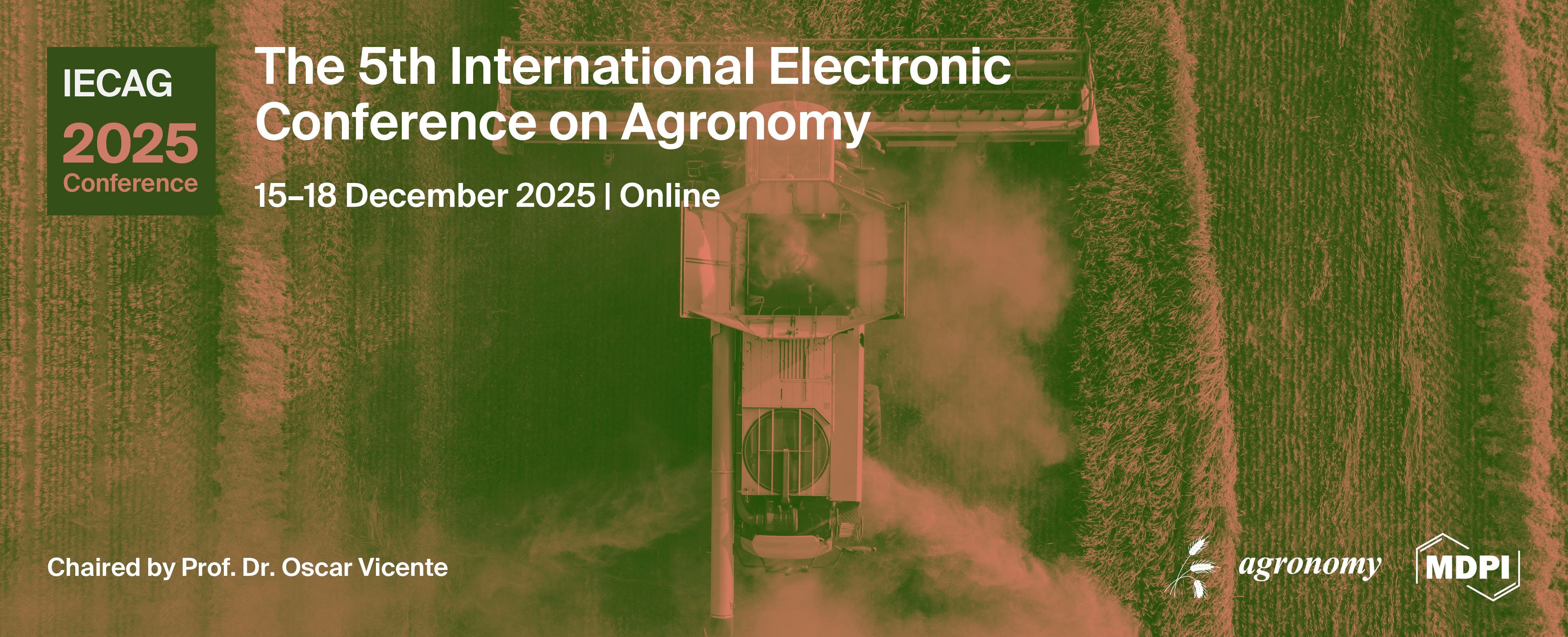
The 5th International Electronic Conference on Agronomy

Part of the International Electronic Conference on Agronomy series
15–18 December 2025
Event's Timezone: Central European Time
Abstract Submission Deadline
22 September 2025
Abstract Acceptance Notification
22 October 2025


Biostimulation, Digital Agriculture, Croop Breeding, Climate-Resilient Crops, Plant-Microbe Interactions, Plant Physiology, Crop Health, Agricultural Robotics, Irrigation and Water Use
Bookmark
Bookmark event Remove event from bookmarks
Add this event to bookmarks
Contact Us Become a Sponsor

Announcements

The conference will begin on Monday and will be held from 15–18 December!

Click here for the List of Accepted Submissions

All conference sessions will be virtual on Zoom. Registered attendees should have received unique Zoom links to attend the conference. If you have not received any Zoom links the day before the conference, please check your spam folder or contact us at iecag2025@mdpi.com

Join Us Virtually on Zoom!

Welcome from the Chair

Dear colleagues, distinguished agronomists, and plant scientists,

We are thrilled to welcome you to the upcoming 5th International Electronic Conference on Agronomy (IECAG 2025), proudly sponsored by the MDPI open access journal Agronomy (ISSN 2073-4395, Impact Factor 3.4). In line with our commitment to fostering collaboration and knowledge exchange, this electronic conference provides a unique platform for researchers to showcase their work, discuss groundbreaking findings, and engage in meaningful conversations with fellow experts.

This virtual conference will be held on www.sciforum.net, a platform developed and sponsored by MDPI to organize and provide technical support for electronic conferences. The virtual format offers the distinct advantage of eliminating the need for travel and its associated expenses, allowing you to fully immerse yourself in the conference without any logistical constraints.

Key Themes: The conference will span various key themes, including the following:

  • Biostimulation and Biocontrol Strategies;
  • Breeding and Selection Technologies;
  • "New" Crops for Adaptation to Climate Change;
  • Crop Water and Nutrient Management;
  • Crop Biotic Interactions;
  • Basic Plant Science;
  • Precision and Digital Agriculture;
  • Sustainable Farming Systems and Soil Management.

We are pleased to inform you that participation in this conference is entirely free of charge for both authors and attendees. The accepted abstracts will be published for free in MDPI’s Biology and Life Sciences Forum. Extended versions of the accepted abstracts can be published in a Special Issue of Agronomy: Selected Papers from the 5th International Electronic Conference on Agronomy (IECAG 2025) with a 15% discount on the article processing charge (ISSN: 2073-4395). Both abstracts and Special Issue submissions will go through the standard peer review process. However, paper submission is not a requirement for active conference participation. The best oral presentation and best poster awards will receive an award of CHF 200, along with an offer to publish an extended paper for free, in the Special Issue of Agronomy.

We encourage you to explore the conference platform and guidelines provided in advance for a seamless experience. Should you have any queries or require assistance, our dedicated support team is available to ensure your participation is smooth and rewarding.

We look forward to engaging in exciting discussions and hearing new ideas and perspectives from experts in the field. All participants are welcome to join the online conference and contribute to the vibrant intellectual exchange that makes events like IECAG 2025 truly exceptional.

Kind regards,
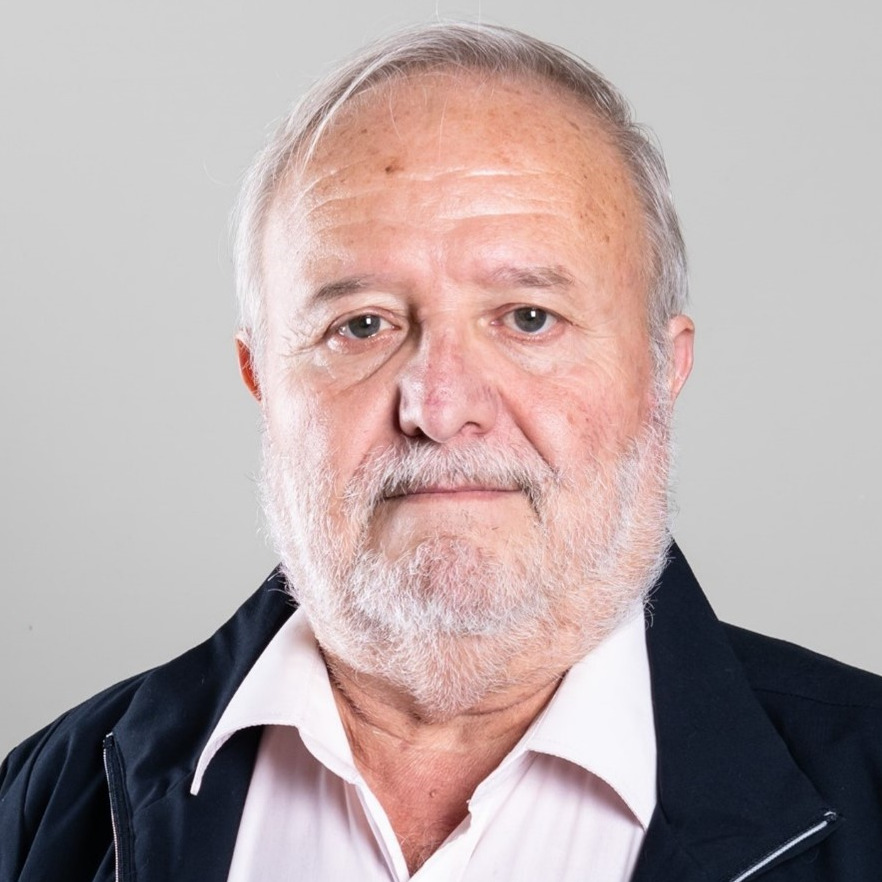
Prof. Dr. Oscar Vicente
Institute for the Conservation and Improvement of Valencian Agrodiversity (COMAV), Polytechnic University of Valencia, Valencia, Spain.

Follow the conference organizer on Social Media


Program Overview

15th December
Morning
16th December
Morning
17th December
Morning
18th December
Morning

S5.
Crop Biotic Interactions

S1.
Biostimulation and Biocontrol Strategies

S7.
Precision and Digital Agriculture


S4. Crop Water and Nutrient Management

15th December
Afternoon
16th December
Afternoon
17th December
Afternoon
18th December
Afternoon
S6. Basic Plant Science S2. Breeding and Selection Technologies S8. Sustainable Farming Systems and Soil Management S3. "New" Crops for Adaptation to Climate Change

IECAG 2025 Program (DAY1)

IECAG 2025 Day 1

S5. Crop Biotic Interactions
Date: 15th December 2025 (Monday)
Time: 9:00 (CET, Basel) | 03:00 (EST, New York) | 16:00 (CST Asia, Beijing)
Time
(CET)
Speaker Title

09:00-09:10

Prof. Dr. Oscar Vicente
(UPV, Spain)

Welcome & Opening Remarks

Event Chair

09:10-09:20 Dr. José David Flores-Félix
(US, Spain)

Welcome from the Session Chair
09:20-09:50

Prof. Dr. Jorge Poveda Arias
(UV, Spain)
Keynote Speaker

Agricultural Exploitation of the Trichoderma hamatum-Brassica Crops Interaction as a Biotechnological Tool for Nutraceutical and Defensive Improvement
Oral Presentations S5. Crop Biotic Interactions
09:50-10:05 Yves Bertin Ngamaleu Kamgoue
(UGG, India)
Selected Speaker
Antimicrobial Activity of Three Pleurotus Species Cultivated in Gujarat, India: A Comparative Study
10:05-10:20 Abdelhamid Ennoury
(UAE, Morocco)
Selected Speaker
Bioherbicide Potential of the Aqueous Extract of Ridolfia segetum (L.) Moris: Phytotoxic Effect on the Growth of Sinapis alba

10:20-10:35

Adrián Sapiña-Solano
(UPV, Spain)
Selected Speaker
Biotic Interactions Modulating Stress Tolerance in Lablab purpureus
10:35-10:50

Wilbert Tigere Mutezo
(CUT, South Africa)
Selected Speaker

Genome-wide Association Mapping for Striga Resistance, Secondary Metabolites and Nutritional Composition Related Traits in Sorghum.
10:50-11:05 Mian Muhammad Ahmed
(UT, China)
Selected Speaker
Metabolomic and Transcriptomic Insights into Root Exudate-Driven Recruitment of Beneficial Microbes under Pathogen Stress in Tomato and Citrus
11:05-11:20 Yehoram Leshem
(GRI, Israel)
Selected Speaker
MicroRNAs from Pear Stigma Exudates—The Next Generation of Anti-Fire Blight Agents?
11:20-14:00 Break

S6. Basic Plant Science
Date: 15th December 2025 (Monday)
Time: 14:00 (CET, Basel) | 08:00 (EST, New York) | 21:00 (CST Asia, Beijing)
Time
(CET)
Speaker Title
14:00-14:10

Prof. Dr. Othmane Merah
(UT, France)

Welcome from the Session Chair

14:10-14:30

Agnieszka Hanaka
(MCSU, Poland)
Invited Speaker

Plant Adjustment to Metal Exposure
Oral Presentations S6. Basic Plant Science
14:30-14:45 Tanzila Rafique
(LRC, Lithuania)
Selected Speaker
Effect of Light Intensity on Growth of Tomato Rootstocks in Controlled Environments
14:45-15:00 Hooman Rowshanaie
(FI, Iran)
Selected Speaker
Evaluation of Peroxidase Activity and Proline Content as Indicators of a Particular Light Duration Tolerance Mechanism in Ginger Plant (Zingiber officinale R.)
15:00-15:15 Lydia Langa
(UL, South Africa)
Selected Speaker
The Effect of the Moringa oleifera Agrisilviculture System and Fertilizer Application on Vegetable Productivity and Soil Fertility
15:15-15:30 Mauro Commisso
(UV, Italy)
Selected Speaker
Molecular Responses of Lettuce to Phosphate-Limiting Conditions: Roles of Microbial Communities and Melatonin Regulation
15:30-15:45 Marvi Sharma
(UAJ, India)
Selected Speaker
Hormonal Modulation of Growth and Metabolite Dynamics in Saffron (Crocus sativus) under Innovative Cultivation System
15:45-16:00 Debanjan Mitra
(UB, India)
Selected Speaker
Insilico Evolutionary Analysis of Plant Alpha Amylase from Monocot to Dicot: A Plausible Explanation for Stability and Diversity
16:00-16:15 Alexis Pereira
(CIMO, Portugal)
Selected Speaker
Phytochemical Profiling of Baby Leafy Greens from Different Swiss Chard (Beta vulgaris L.) Varieties Cultivated under Indoor Conditions

IECAG 2025 Program (DAY2)

IECAG 2025 Day 2

S1. Biostimulation and Biocontrol Strategies
Date: 16th December 2025 (Tuesday)
Time: 9:00 (CET, Basel) | 03:00 (EST, New York) | 16:00 (CST Asia, Beijing)
Time
(CET)
Speaker Title

09:00-09:10

Prof. Dr. Monica Boscaiu
Dr. Mercedes Verdeguer
(UPV, Spain)

Welcome from the Session Chairs

09:10-09:40 Prof. Dr. Oscar Vicente
(UPV, Spain)
Keynote Speaker
Harnessing Biostimulants to Enhance Crop Adaptation to Climate Change
09:40-10:10 Professor Alessandra Carrubba
(UP, Italy)
Keynote Speaker
Scientific Innovation in Biostimulation and Biocontrol: Bridging Mechanisms and Applications for the Future of Sustainable Agriculture
Oral Presentations S1. Biostimulation and Biocontrol Strategies
10:10-10:25 Sabrine Soltane
(UMKB, Algeria)
Selected Speaker
Ethnobotanical Meta-Screening of Dual-Action Allelopathic Biostimulants: From Traditional Mediterranean Knowledge to Precision Bioformulations
10:25-10:40 Eva Sánchez-Hernández
(UV, Spain)
Selected Speaker
Molecular Characterization and Bioactivity Assessment of Ghost Pepper Metabolites: Novel Approaches for Sustainable Pathogen Control in Horticultural Systems

10:40-10:55

Brandon Anthony Itza
(UNP, Taiwan)
Selected Speaker
Biostimulation Effects of Plant Growth-Promoting Rhizobacteria and Spent Mushroom Compost on Maize Drought Tolerance
10:55-11:10

Clarisse Brígido
(UE, Portugal)
Selected Speaker

Comparative Genomic Analysis of Three Pseudomonas Strains Reveals Biosynthetic Potential Underlying Antifungal Activity Against Phytopathogens
11:10-11:25 František Vráb
(TC, Slovakia)
Selected Speaker
Plant Extracts as Dual-Action Agents: Biostimulation and Biocontrol Strategies for Sustainable Crop Production
11:25-11:40 Eduardo Florez Martinez
(USM, Peru)
Selected Speaker
Saponins as Sustainable Agrochemicals: Extraction and Recovery from Chenopodium quinoa Residues for Crop Protection
11:40-14:00 Break

S2. Breeding and Selection Technologies
Date: 16th December 2025 (Tuesday)
Time: 14:00 (CET, Basel) | 08:00 (EST, New York) | 21:00 (CST Asia, Beijing)
Time
(CET)
Speaker Title
14:00-14:10

Prof. Dr. Jaime Prohens
(UPV, Spain)

Welcome from the Session Chair

14:10-14:40

Dr. Andrea Arrones
(CSHL, NY, USA)
Keynote Speaker

Exploring Genetic Diversity and Trait Control in Solanum Through Magic Populations
14:40-15:00

Mario Pagnotta
(UT, Italy)
Invited Speaker

Selection of Durum Wheat: for Organic and Hydric Stresses
Oral Presentations S2. Breeding and Selection Technologies
15:00-15:15 Abid Hussain
(UBT, Pakistan)
Selected Speaker
Exploiting Epigenetic Memory for Transgenerational Stress Adaptation in Wheat Breeding
15:15-15:30 Rajitha Jayakumar Nair
(USDA, India)
Selected Speaker

Identification and Validation of SNP Markers with Relevance to Downy Mildew Resistance in Pearl Millet [Pennisetum glaucum (L.) R. Br.]
15:30-15:45 Valery Javiera Espinoza Salinas
(UPC, Chile)
Selected Speaker
Development of Herbicide Tolerant Varieties through Mutagenesis in Chenopodium Quinoa Willd
15:45-16:00 Josephine Tafadzwa Pasipanodya
(UN, Namibia)
Selected Speaker
Population Genetic and Diversity Analysis in Selected Bambara Groundnut [Vigna subterranea (L.) Verdc] Diversity Panel Accessions for Drought-Prone Areas
16:00-16:15 Rita Pires
(UE, Portugal)
Selected Speaker
Unravelling the Proteomic Landscape of Olive Somatic Embryogenesis through LC-MS/MS
16:15-16:30

Nisar Ahmad Zahid
(UPM, Malaysia)
Selected Speaker

Optimized Micropropagation for the Production of Disease-Free Planting Materials of Zingiber officinale Roscoe ‘Bentong’

IECAG 2025 Program (DAY3)

IECAG 2025 Day 3

S7. Precision and Digital Agriculture
Date: 17th December 2025 (Wednesday)
Time: 9:00 (CET, Basel) | 03:00 (EST, New York) | 16:00 (CST Asia, Beijing)
Time
(CET)
Speaker Title

09:00-09:10

Dr. Yongliang Qiao
(UA, Australia)

Welcome from the Session Chair

09:10-09:40 Professor Jay Wang
(UM, Canada)
Keynote Speaker
AI-Enhanced Field Robotics for Agriculture
09:40-10:10 Dr. Huajian Liu
(UA, Australia)
Keynote Speaker
Detection of Net Blotch Disease of Barley Using UAV-Based RGB and Multispectral Imagery
10:10-10:40 Dr. Dong Zhou
(UN, China)
Keynote Speaker
Key Technology Integration and Innovation in Field-Perceiving Robotic Systems
10:40-11:00 Dr. Giuseppe Ferrara
(UB, Italy)
Invited Speaker
Agrivoltaic: Challenges and Opportunities for Agricultural Areas
Oral Presentations S7. Precision and Digital Agriculture
11:00-11:15 Guofeng Yang
(UZ, China)
Selected Speaker
Integrating Corrected and Reconstructed Climate Data and Multiple-Crop-Model Output to Improve Wheat Yield Prediction under Climate Change
11:15-11:30 Franchette Amabelle Guzman Castillon
(URT, Philippines)
Selected Speaker
Spatio-Temporal Analysis of Agricultural Sugarcane Areas in La Granja, La Carlota, Negros Occidental, Philippines During Different Phenological Stages

11:30-11:45

Venkadesh Samykannu
(MES, India)
Selected Speaker

Spatiotemporal Dynamics of Ecological Health in Punjab (2001–2023): Integrated Remote Sensing Approach for Sustainable Paddy Cultivation
11:45-12:00

Rhea Mae Perito
(DSC, Philippines)
Selected Speaker

Sustainable Mango Production through Innovative and Community-based Management: The Mango Tayo! Model
12:00-12:15 Yordanis Garcia Dousat
(UM, Chile)
Selected Speaker
Unsupervised Learning and Geostatistics for Vineyard Management Zone Delineation: Integrating PCA, Clustering, and Kriging in Chile’s Maule Valleys
12:15-12:30 Lhou Beniken
(RCK, Morocco)
Selected Speaker
Enhancing water efficiency and sustainability in Morocco’s citrus orchards using soil moisture sensors and plastic mulch
12:30-14:00 Break

S8. Sustainable Farming Systems and Soil Management
Date: 17th December 2025 (Wednesday)
Time: 14:00 (CET, Basel) | 08:00 (EST, New York) | 21:00 (CST Asia, Beijing)
Time
(CET)
Speaker Title
14:00-14:10

Professor Peter Gregory
(UR, UK)

Welcome from the Session Chair

14:10-14:40

Prof. Dr. Sonoko D. Bellingrath-Kimura
(UB, Germany)
Keynote Speaker

Digital Agricultural Knowledge and Information System (DAKIS): Decision support system for site specific land uses
14:40:15:10

Dr. John Kirkegaard
(CSIRO, Australia)
Keynote Speaker

Incremental Transformation of Agricultural Production: Searching for System Synergies
Oral Presentations S8. Sustainable Farming Systems and Soil Management
15:10-15:25 Paulina Książek-Trela
(UR, Poland)
Selected Speaker
Four Bacteria, One Mission: Degradation of the Persistent Herbicide Diflufenican
15:25-15:40 Loreta Esposito
(ICEI, Mozambique)
Selected Speaker
Scaling Successional Agroforestry Systems to Build Resilient Food Systems in Mozambique
15:40-15:55 Seome Michael Swafo
(UL, South Africa)
Selected Speaker

Short-Term Nutrient Dynamics in Conservation Agricultural Practices on a Cambisol in a Semi-Arid Region of South Africa

15:55-16:10 Rafael Olmos Ruiz
(UM, Spain)
Selected Speaker
Sustainable Citrus Farming through Aromatic Alley Cropping: Agronomic and Market Benefits
16:10-16:25 Farid Errouh
(UCA, Morocco)
Selected Speaker
Sustainable Use of Organic and Industrial Waste Amendments to Enhance Durum Wheat Productivity and Soil Fertility under Water Scarcity in the Mediterranean Region
16:25-16:40

Rachid Mrabet
(INRA, Morocco)
Selected Speaker

Conservation Agriculture as a Global Sustainable Pathway

IECAG 2025 Program (DAY4)

IECAG 2025 Day 4

S4. Crop Water and Nutrient Management
Date: 18th December 2025 (Thursday)
Time: 9:00 (CET, Basel) | 03:00 (EST, New York) | 16:00 (CST Asia, Beijing)
Time
(CET)
Speaker Title

09:00-09:10

Prof. Dr. Sofia Pereira and Prof. Dr. Cristina Sousa Coutinho Calheiros
(UP, Portugal)

Welcome from the Session Chairs

09:10-09:40 Dr. Fernando J. C Magalhães Filho
(URGS, Brazil)
Keynote Speaker
Closing the Water–Nutrient Loop: Transforming Sanitation into Agricultural Value
09:40-10:00 Dr. Davide Farruggia
(UP, Italy)
Invited Speaker
Irrigation with Treated Wastewater as Tool to Mitigate the Water Shortage in Semi-Arid Cropping Systems
Oral Presentations S4. Crop Water and Nutrient Management
10:00-10:15 T S Pradeep
(DA, India)
Selected Speaker
Integrated Nutrient Management for Sustainable Productivity and Profitability of Pigeonpea
10:15-10:30 Abderrazak Aitbihi
(UCA, Morocco)
Selected Speaker
Comparative Effects of a Synthetic hydrogel and a bio-hydrogel on Lettuce (Lactuca sativa) plants under Water Stress

10:30-10:45

Olena Dorosh
(UA, Portugal)
Selected Speaker

Evaluation of Nitrogen and Phosphorus Release from Enriched Biochar and Mixture of Biochar and Layered Double Hydroxides
10:45-11:00

Anna Nangula Unandapo
(UN, Namibia)
Selected Speaker

Evaluation of Nitrogen Use Efficiency of Vegetables Grown under Agri-Photovoltaic Systems in North-Central Namibia

11:00-11:15 Konstantinos Zoukidis
(UT, Greece)
Selected Speaker
Growing Lettuce (Lactuca Sativa L.) in a Hydroponic Substrate System under a Range of Saline Waters with the Use of Two Innovative Electronic Devices (MaxGrow and a Generator of Agro-NanoBubbles)
11:15-11:30 Christina Catherine J
(KITS, India)
Selected Speaker

Soil Revitalization and Yield Gains in Chickpea Cultivation through Microbial-Enriched Manures and Nano-Biofertilizers

11:30-14:00 Break

S3. "New" Crops for Adaptation to Climate Change
Date: 18th December 2025 (Thursday)
Time: 14:00 (CET, Basel) | 08:00 (EST, New York) | 21:00 (CST Asia, Beijing)
Time
(CET)
Speaker Title
14:00-14:10

Prof. Dr. Oscar Vicente
(UPV, Spain)

Welcome from the Session Chair

14:10-14:40

Professor Ricardo Mir Moreno
(UPV, Spain)
Keynote Speaker

Turning Salinity into Opportunity: Halophytes as crops in climate change scenario
14:40-15:10

Dr. Claudia Jonak
(AIT, Austria)
Keynote Speaker

Diverse Adaptive Stress Responses in the Climate-Resilient Crop Camelina sativa
15:10-15:40

Prof. Dr Dimitrios Bilalis
(UA, Greece)
Keynote Speaker

Novel Crops and Climate Change; The Case of Quinoa (Chenopodium quinoa Willd)
15:40-16:00

Dr. Sara di Lonardo
(IRET-CNR, Italy)
Invited Speaker

Harnessing Underutilized Diversity: New Crops and Varieties for Climate Adaptation
Oral Presentations S3. "New" Crops for Adaptation to Climate Change
16:00-16:15 Maria Andrea Reyes Reyes
(CICP, Colombia)
Selected Speaker
Pleurotus ostreatus (Orellana) as a Sustainable Alternative Crop: Insights from Cultivation and Postharvest Management
16:15-16:30 Brahim Alayoua
(UIZ, Morocco)
Selected Speaker
Vachellia tortilis subsp. raddiana: Pillar of Deserts and Model of Resilience to Climate Change
16:30-16:45 Assem Abdelmonem Ahmed Mohamed
(ARC, Egypt)
Selected Speaker

Economic Viability of Different Coloured Shade Nets on Water use Efficiency and Nutrients in Keitt Mango

16:45-17:00 Mahlodi Ramsy Maripa
(UTT, South Africa)
Selected Speaker
Selecting 27 Field-Grown Common Bean (Phaseolus vulgaris L.) Genotypes for Symbiotic Performance and Drought Tolerance at Malkerns Research Station, Eswatini
17:00-17:15

Ayesha Khan
Selected Speaker
(LRCAF, Lithuania)

The Response of Amaranthaceae Halophytes to Various Hydroponic Solution Salinities
17:15-17:25

Prof. Dr. Oscar Vicente

Event Chair

Closing Remarks

List of accepted submissions (176)

Id Title Authors
sciforum-152590 The effect of the Moringa oleifera agrisilviculture system and fertilizer application on vegetable productivity and soil fertility

, , ,

Submitted: 23 Sep 2025

Abstract: Show Abstract
, , , Show Abstract
sciforum-145414 Evaluating the Effects of Microalgal Extracts on the Germination and Phenolic Contents of Ayocote Bean (Phaseolus coccineus) Seeds

, , , ,

Submitted: 19 Oct 2025

Abstract: Show Abstract
, , , , Show Abstract
sciforum-129137 Postharvest performance and antioxidant capacity of kiwi fruits under the application of a glycine-betaine-based biostimulant during the growing season.


Submitted: 16 Oct 2025

Abstract: Show Abstract
Show Abstract
sciforum-152601 Harnessing synergistic PGPR consortia to boost legumes' resiliency to salt stress

, , , , , , ,

Submitted: 23 Sep 2025

Abstract: Show Abstract
, , , , , , , Show Abstract
sciforum-152551 Evaluating the biostimulant potential of brown seaweed extracts on tomato (Solanum lycopersicum) germination and early growth for sustainable crop production

, , , , ,

Submitted: 22 Sep 2025

Abstract: Show Abstract
, , , , , Show Abstract

Event Chair

Institute for the Conservation and Improvement of Valencian Agrodiversity (COMAV), Polytechnic University of Valencia, Valencia, Spain

Introduction
Bio
Oscar Vicente was born in 1956, in Madrid (Spain), where he graduated in Biochemistry in 1976 and obtained his PhD in 1983, before spending a three-year postdoctoral period at the Friedich-Miescher Institut, in Basel (Switzerland). In 1988, he moved to the Institute of Microbiology and Genetics, University of Vienna (Austria), where he established and led a research group, to work on pollen development and its biotechnological applications, and on the molecular characterization of pollen allergens and plant MAP kinases. As Assistant Professor, from 1991 to 1996, he was responsible for several courses of Experimental Genetics taught at the Faculty of Sciences. Oscar Vicente returned to Spain in 1996, to join the faculty of the Polytechnic University of Valencia, where he is at present Professor of Biochemistry and Molecular Biology, teaching different subjects in this area to undergraduate and postgraduate students of Biotechnology and Agronomic Engineering. His research interest focuses on the study of plant responses to abiotic stress and stress tolerance mechanisms.

Session Chairs

Dr. Mercedes Verdeguer

Agroforest Mediterranean Institute of the Polytechnic University of Valencia, Valencia, Spain

Prof. Dr. Monica Boscaiu

Agroforest Mediterranean Institute of the Polytechnic University of Valencia, Valencia, Spain

Prof. Dr. Jaime Prohens

Institute for the Conservation and Improvement of Valencian Agrodiversity (COMAV), Polytechnic University of Valencia, Valencia, Spain

Dr. Hélder José Chaves Fraga

Department of Agronomy, CITAB / Inov4Agro, University of Trás-os-Montes e Alto Douro, Vila Real, Portugal

Prof. Dr. Sofia Pereira

Centre for Biotechnology and Fine Chemistry (CBQF), Catholic University of Portugal, Lisboa, Portugal

Prof. Dr. Cristina Sousa Coutinho Calheiros

Interdisciplinary Centre of Marine and Environmental Research, University of Porto, Porto, Portugal

Dr. José David Flores-Félix

Department of Microbiology and Genetics, University of Salamanca, Salamanca, Spain

Dr. Eduardo Guimarães Couto

Federal University of Mato Grosso (UFMT), Mato Grosso, Brazil

Prof. Dr. Othmane Merah

Agro-Industrial Chemistry Laboratory (LCA), University of Toulouse, France; Department of Biological Engineering, Paul Sabatier University, France

Dr. Yongliang Qiao

Australian Institute for Machine Learning (AIML), University of Adelaide, Adelaide, Australia

Professor Peter Gregory

Emeritus Professor of Global Food Security, University of Reading, Reading, UK

Event Committee Members

Sciences Faculty, University of Porto (FCUP), Portugal and Institute for Systems and Computer Engineering, Technology and Science (INESCTEC), Portugal

Department of Agriculture, Food, Environment and Forestry Sciences and Technologies (DAGRI-UniFi), Florence University, Florence, Italy

Faculty of Engineering, Department Machinery Utilization, Czech University of Life Sciences Prague, Prague, Czech Republic

Biological Systems Engineering, College of Agricultural and Life Sciences, Cornell University, Ithaca, USA

College of Plant Protection, Jilin Agricultural University, Changchun, China

Institute of Bast Fiber Crops and Center of Southern Economic Crops, Chinese Academy of Agricultural Sciences, Changsha, China

Department of Agronomy, Bydgoszcz University of Science and Technology, Kaliskiego, Bydgoszcz, Poland

Department of Soil, Plant and Food Sciences, University of Bari ‘Aldo Moro’, Bari, Italy

Faculty of Engineering, Autonomous University of Querétaro, Querétaro, Mexico

Department of Plant Physiology and Biophysics, Maria Curie-Skłodowska University, Lublin, Poland

Department of Agriculture, Food, Natural Resources and Engineering (DAFNE), University of Foggia, Foggia, Italy

Research Institute on Terrestrial Ecosystems-National Research Council (IRET-CNR), Sesto Fiorentino, Italy

Department of Crop Production and Engineering Projects, Universidade de Santiago de Compostela, Lugo, Spain

Department of Botany and Nature Protection, Institute of Biology, Pomeranian University in Slupsk, Slupsk, Poland

Department of Agronomy, Institute of Food and Agricultural Sciences, University of Florida, Gainesville, USA

Department of Soil Science and Plant Nutrition, Faculty of Agriculture, Selcuk University, Konya, Turkey

Department of Botany and Plant Pathology, Purdue University, West Lafayette, SUA

Research Center for Agronomy, Food, Environment and Landscape, School of Agriculture, University of Lisbon, Lisbon, Portugal

Department of Chemical Pharmaceutical and Agricultural Sciences, University of Ferrara, Ferrara, Italy

Tobacco Research Institute (CAAS), Chinese Academy of Agricultural Sciences, Shandong, China

HAO-DEMETER, Institute of Plant Breeding & Genetic Resources, Thessaloniki, Greece

Departamento de Ciências Agrárias e Biológicas, Universidade Federal do Espírito Santo, Vitória, Brazil

Intermountain Research and Extension Center, University of California, Tulelake, USA

Department of Agricultural and Forest Sciences, Tuscia University, Viterbo, Italy

Entomology Laboratory, Center for Agrarian Sciences, Universidade Federal da Paraíba, Brazil

College of Agronomy, Shandong Agriculture University, Taian, China

Federal University of Santa Maria, Santa Maria, Brazil

Department of Biology, Faculty of Science, Universidad Autónoma de Madrid, Madrid, Spain

Institute for the Conservation and Improvement of Valencian Agrodiversity, Universitat Politècnica de València, Spain

University of Agricultural Sciences and Veterinary Medicine Cluj-Napoca, Romania

Plant Science Department, Faculty of Agricultural and Natural Systems, Pontifical Catholic University of Chile, Chile

Department of Soil, Water, and Ecosystem Services, University of Florida, USA

Introduction
Bio
Dr. Upendra Singh is a Soil Scientist and Systems Modeler. He was Chief Scientist and Vice President of Research at the International Fertilizer Development Center (IFDC) before his retirement in February 2025. Upendra is Adjunct Professor at the University of Florida as the Coordinator for Fertilizer Science and Technology Program in the Department of Soil, Water, and Ecosystem Services. Originally from the Fiji Islands, he received a BSc degree from the University of the South Pacific, and MSc and PhD degrees from the University of Hawaii. Upendra has more than 40 years of experience in soil-plant-nutrient dynamics and fertilizer research with emphasis on: (1) better understanding and quantification of nutrient dynamics and environmental processes; (2) development/ co-development and evaluation of next generation fertilizer formulations; and (3) the development and application of soil-crop simulation models and decision support systems in agricultural research, extension, and decision-making. He has coordinated and conducted research in collaboration with National and International Agricultural Research Centers on developing, field testing, and applying decision support software to simulate biophysical processes, with special emphasis on sustainable agriculture, crop yield forecasting, nutrient dynamics, and environmental quality. Upendra has conducted research projects and training programs in over 36 countries and has over 200 publications. He is an adjunct full professor at Texas A&M AgriLife Research Center, Beaumont, Texas, an affiliate professor at Auburn University, Alabama, and scientific advisor to IFDC.

University of Zagreb Faculty of Agriculture, Croatia

Department of Applied Biology, Institute for Agri-Food and Agro-Environmental Research and Innovation, University Miguel Hernández, Orihuela (Alicante), Spain

MED – Mediterranean Institute for Agriculture, Environment and Development & CHANGE – Global Change and Sustainability Institute, Rural Engineering Department, School of Science and Technology, University of Évora, Évora, Portugal

Department of Pharmacy, Health and Nutritional Sciences, University of Calabria, Italy

Department of Botany, Institute of Biology, Warsaw University of Life Sciences, Warsaw, Poland

Department of Biology and Biotechnology, University of Pavia, Italy

Forest Research Centre, Associate Laboratory TERRA, School of Agriculture, University of Lisbon, Lisbon, Portugal

Centre for Functional Ecology — Science for People & the Planet, TERRA Associate Laboratory, Department of Life Sciences, University of Coimbra, Coimbra, Portugal

Inorganic Chemistry Laboratory, Department of Chemistry, National and Kapodistrian University of Athens, Panepistimiopolis, Athens, Greece

Department of Soil Science, Faculty of Agriculture, University of Life Sciences "King Mihai I", Timisoara, Romania

Emeritus Professor of the University of Lisbon, Research Leader at LEAF - Linking Landscape, Environment, Agriculture and Food Research Center, Associated Lab Terra, Lisbon, Portugal

Institute for Agroenvironmental Research and Development of Murcia, Murcia, Spain

Department of Agriculture, Food, Environment and Forestry Sciences and Technologies (DAGRI-UniFi), Florence University, Florence, Italy

Department of Plant Biology and Food Sciences, Vytautas Magnus University Agriculture Academy, Lithuania

University of Agricultural Sciences and Veterinary Medicine Cluj-Napoca, Cluj-Napoca, Romania

Centre for Functional Ecology — Science for People & the Planet, TERRA Associate Laboratory, Department of Life Sciences, University of Coimbra, Coimbra, Portugal

Department of Plant, Food and Environmental Sciences, Faculty of Agriculture, Dalhousie University, Truro, Canada

Institute of Biosciences and BioResources (IBBR) of National Research Council (CNR), Portici, Italy

Department of Earth and Environmental Sciences, University of Milan Bicocca, Milan, Italy

Department of Soil Science of Athens, Institute of Soil and Water Resources, Hellenic Agricultural Organization-Dimitra, Sofokli Venizelou, Lycovrisi, Athens, Greece

Keynote Speakers

Department of Hydraulic Works of the Hydraulic Research Institute, Federal University of Rio Grande do Sul, Rio Grande do Sul, Brazil

Introduction
Talk
Closing the Water–Nutrient Loop: Transforming Sanitation into Agricultural Value
Bio
Adjunct Professor in the field of Environmental Sanitation at the Hydraulic Research Institute (IPH/UFRGS), Productivity Research Fellow (CNPq, 2019–2025), and Executive Coordinator of the National Institute of Science and Technology in Nature-Based Solutions – INCT SbN (CNPq/CAPES/FAPERGS). He holds a Ph.D. in Environmental Sanitation and Water Resources (UFMS), with Postdoctoral research (UFMS) involving academic mobility at Aarhus University (Denmark) and Universidad Tecnológica de Pereira (Colombia). He is a Sanitary Engineer and Specialist in Project Management (USP). He has served as a faculty member and researcher at S-INOVA/UCDB (2013–2022), as a Visiting Professor at UFMS (2022), and as a consultant for several institutions (WWF, DNIT, AEGEA, FAPEC, municipalities, among others). He was President of the Brazilian Association of Sanitary and Environmental Engineering in Mato Grosso do Sul (ABES-MS, 2021–2023) and reactivated the Young Water Professionals Program (JPS).
Department of Mechanical Engineering, Price Faculty of Engineering, University of Manitoba, Manitoba, Canada

Introduction
Talk
AI-Enhanced Field Robotics for Agriculture
Bio
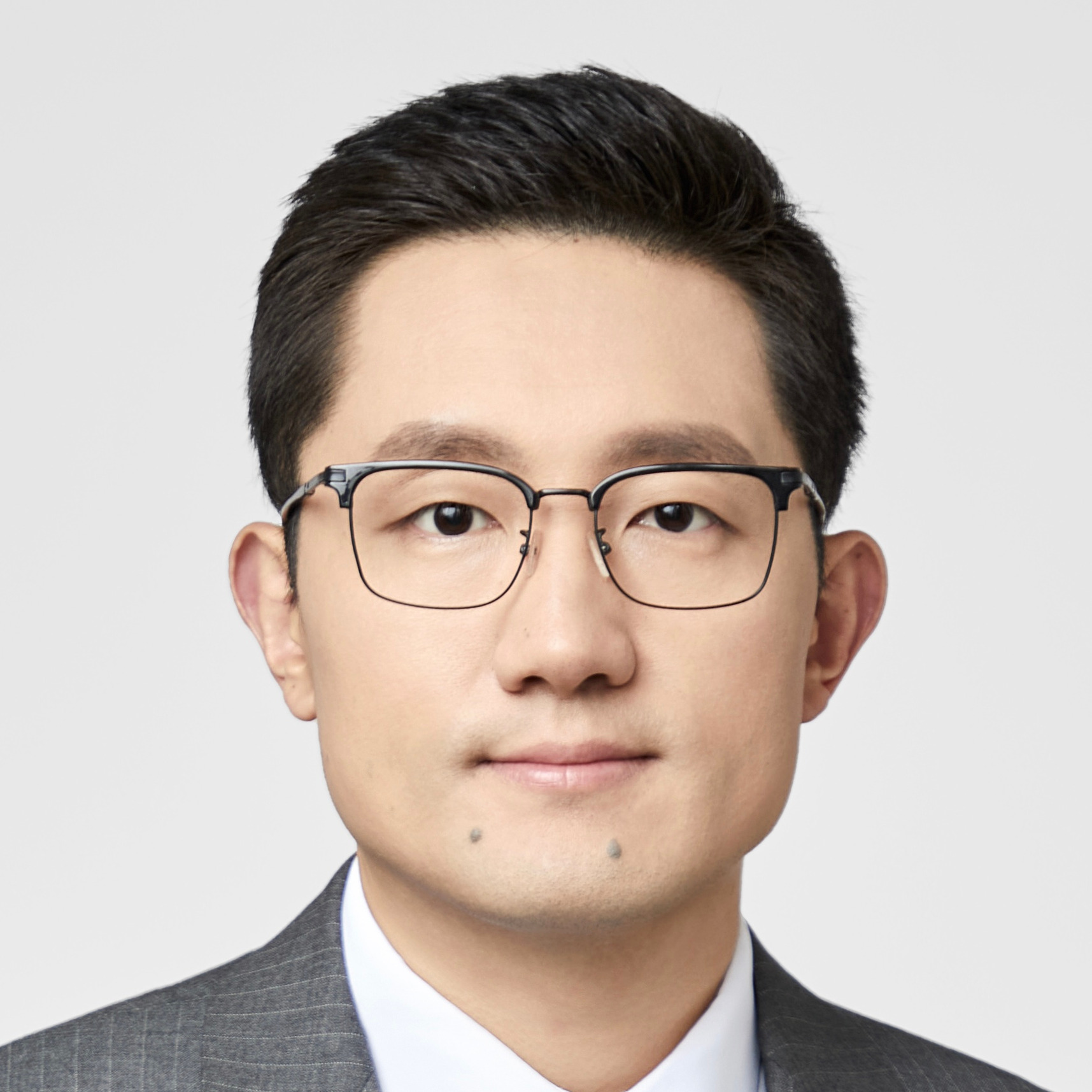
Prof. Jie (Jay) Wang is an Assistant Professor of Mechanical Engineering at the University of Manitoba, where he leads the Robot Autonomy Lab. His research focuses on field robotics, learning-based control, and safe autonomy for harsh and uncertain environments, with current applications in agriculture and Arctic field operations. His team develops AI-enhanced ground robots that can navigate soft soil, ruts, and variable weather while maintaining precise control and safety guarantees. Before joining the University of Manitoba, he worked on autonomous mobile robots and vehicle control in academic and industrial settings in Canada.

Leibniz Centre for Agricultural Landscape Research (ZALF) & Humboldt University of Berlin, Berlin, Germany

Introduction
Talk
Digital Agricultural Knowledge and Information System (DAKIS): Decision support system for site specific land uses

Plant Biology Group, Cold Spring Harbor Laboratory, New York, USA

Introduction
Talk
Exploring genetic diversity and trait control in Solanum through MAGIC populations

Department of Agricultural, Food and Forest Sciences, University of Palermo, Palermo, Italy

Introduction
Talk
Scientific Innovation in Biostimulation and Biocontrol: Bridging Mechanisms and Applications for the Future of Sustainable Agriculture

Mediterranea University of Reggio Calabria: Reggio Calabria, Calabria, Italy; University of Milan, Milan, Lombardy, Italy

Introduction
Talk
Exogenous nootkatone impairs nitrogen nutrition by promoting ammonium over nitrate uptake in Arabidopsis thaliana

CSIRO Agriculture and Food, Canberra, Australia

Introduction
Talk
Incremental Transformation of Agricultural Production: Searching for System Synergies.

Institute for the Conservation and Improvement of Valencian Agrodiversity, Polytechnic University of Valencia, Valencia, Spain

Introduction
Talk
Turning Salinity into Opportunity:  Halophytes as crops in climate change scenario

Agriculture University of Athens, Athens, Greece

Introduction
Talk
Novel crops and climate change; The case of quinoa (Chenopodium quinoa Willd)
Bio
His main research interests are Organic Agriculture, New Crops and Innovation, Certification, Soil Management, Weed Management, and Environmental Impact of Agriculture. He has published more than 180 papers, including more than 135 papers in refereed international scientific journals, book chapters (invited) and many other papers in congress proceedings. Prof. Bilalis studied Crop Science at Agricultural University of Athens. He obtained his PhD degree in Organic Agriculture from the same university. In September 2017, Prof. Bilalis received the honorary title of Doctor Honoris Causa of University of Agricultural Sciences and Veterinary Medicine Cluj-Napoca. In addition, he was the Greek National Representative in the IFOAM EU group (2007-2011) and is a member of editorial board in 5 international scientific journals. Coordinator in more than 35 projects and partner in more than 65 projects from National , EU and Organizations and Private sector.
Australian Plant Phenomics Network The Plant Accelerator, University of Adelaide, Adelaide, Australia

Introduction
Talk
Detection of Net Blotch Disease of Barley Using UAV-Based RGB and Multispectral Imagery
Bio
In 2018, I finished my PhD study of machine vision for invertebrate detection on crops at the University of South Australia. In the same year, I joined The Plant Accelerator, the Adelaide node of the Australian Plant Phenomic Facility, located at the Waite campus of The University of Adelaide, as a post-doctoral researcher. Since then, I have been specialising in machine vision and machine learning for plant phenotyping and precision agriculture, especially for hyperspectral imaging-based plant phenotyping. I am currently a grant-funded researcher and my research interests include plant nutrient estimation, plant disease detection, drought and salt stress tolerance, plant growing status estimation, invertebrate pest detection, machine learning and deep learning, optical sensing system design, bio-inspired machine vision system, bird vision, insect vision, high-dimensional colour space, 3D model reconstruction and object recognition.

AIT Austrian Institute of Technology GmbH, Vienna, Austria

Introduction
Talk
Diverse adaptive stress responses in the climate-resilient crop Camelina sativa
Bio
Principal Scientist at Center for Health and Bioresources at the AIT Austrian Institute of Technology. Plants are frequently challenged by unfavorable environmental conditions. Drought, temperature extremes or pathogen infections limit plant growth and development. Research in her team focuses on the mechanisms that plants use to cope with stress and explore their potential for new crop improvement strategies. Emphasis is placed on how signal transduction cascades regulate the coordinated responses of cellular metabolism and chromatin-related processes.
Nanjing Agricultural University, Nanjing, China

Introduction
Talk
Key Technology Integration and Innovation in Field-Perceiving Robotic Systems
Bio
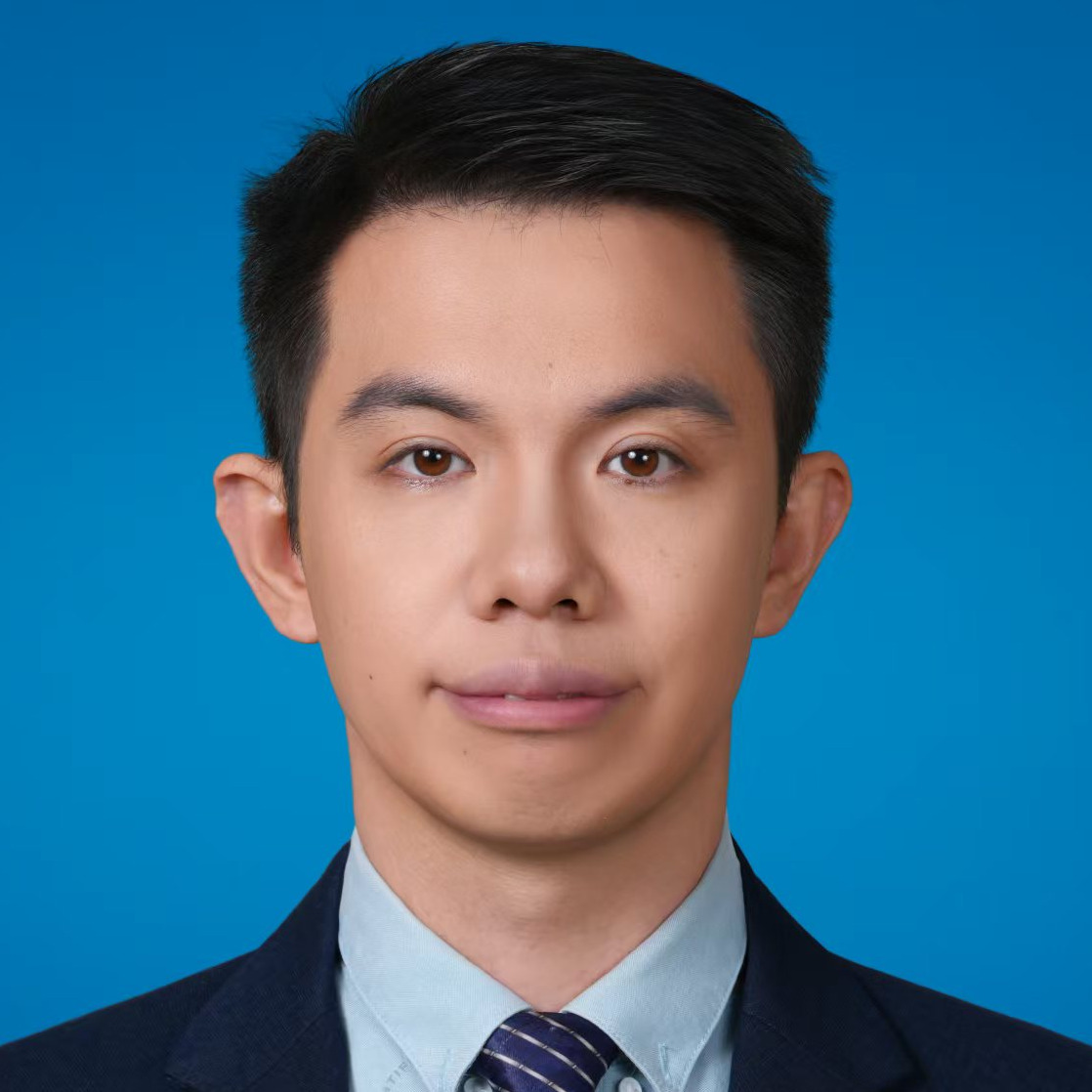
Dong Zhou received the Ph.D. degree from Nanjing University, Nanjing, China, in 2014. He is currently working with the School of Electronic Science and Engineering, Nanjing University.,His current research interests include fabrication and characterization of III–V and 4H-SiC optoelectronic devices
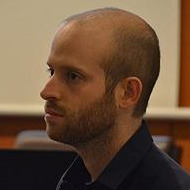
Department of Plant Production and Forest Resources, Higher Technical School of Agricultural Engineering of Palencia, University of Valladolid, Valladolid, Spain

Introduction
Talk
Agricultural exploitation of the Trichoderma hamatum-Brassica crops interaction as a biotechnological tool for nutraceutical and defensive improvement

Invited Speakers

Department of Agricultural, Food and Forestry Sciences, University of Palermo, Palermo, Italy

Introduction
Talk
Irrigation with treated wastewater as tool to mitigate the water shortage in semi-arid cropping systems

Department of Agricultural and Forest Sciences, Tuscia University, Viterbo, Italy

Introduction
Talk
Selection of durum wheat: for organic and hydric stresses
Bio
Prof. Mario A. PAGNOTTA is associate professor of Agricultural genetics at University of Tuscia. Graduated in Agricultural Sciences at the University of Perugia in 1984, he got his Ph.D. in Genetic-Ecology at Reading University (UK) in 1991. His activities included project management, student supervising, lecture and participation in several national and international projects. The research activity focuses mainly on the assessment of the genetic variability in natural populations, landraces and the characterization of plant germplasm of several species, and the relationship between genetic variation and edaphic factors, as well as on topics related with the biodiversity conservation, adaptation and the variety identification. The analyses are conducted using traditional and advanced methodologies, based on different kinds of molecular markers. Particular attention is paid to the resistance to abiotic stress, especially drought stress, looking also at the distribution and identification of SNP markers for genes related to drought and salt tolerance. He reviewed several projects and edited scientific papers for several Journals.

Department of Soil, Plant and Food Sciences, University of Bari ‘Aldo Moro’, Bari, Italy

Introduction
Talk
Agrivoltaic: challenges and opportunities for agricultural areas
Bio
Ferrara Giuseppe is professor of Fruit Tree Crops at the University of Bari 'Aldo Moro'. He works on topics ranging from floral biology to orchard/vineyard management, includingh agriculture 4.0 and agrivoltaics . He is the author of over 230 scientific papers and and co-founder and scientific chief officer of "Agridatalog", an academic spin-off of the University of Bari. Organizer and speaker for numerous national and international conferences.

Research Institute on Terrestrial Ecosystems-National Research Council (IRET-CNR), Sesto Fiorentino, Italy

Introduction
Talk
Harnessing Underutilized Diversity: New Crops and Varieties for Climate Adaptation

Department of Plant Physiology and Biophysics, Maria Curie-Skłodowska University, Lublin, Poland

Introduction
Talk
Plant adjustment to metal exposure

Instructions for Authors

Procedure for Submission
IECAG 2025 will accept abstracts only. The accepted abstracts will be available online on Sciforum.net during and after the conference.

Important Deadline
1. Deadline for abstract submission: 18 August 2025 22 September 2025

2. Announcement of oral and poster abstract results: 22 September 2025 22 October 2025

You will be notified of the acceptance of an oral/poster presentation in a separate email.

Abstract Submission
Abstract submissions should be completed online by registering with www.sciforum.net and using the "Submit Abstract" function once logged into the system. No physical template is necessary.

1. The abstract structure should include the introduction, methods, results, and conclusions sections of about 200–300 words in length.
2. All accepted abstracts will be published in the conference report of IECAG 2025 in Biology and Life Sciences Forum journal (ISSN: 2673-9976) after quality check. If you wish to publish a full-length proceedings paper, please refer to the “Publication Opportunities” Section.
3. All abstracts should be submitted and presented in clear, publication-ready English with accurate grammar and spelling.
4. You may submit multiple abstracts. However, only one abstract will be selected for oral presentation.
5. The abstracts submitted to this conference must be original and novel, without prior publication in any journals or it will not be accepted to this conference.

Detailed Requirements:
1. The submitting author must ensure that all co-authors are aware of the contents of the abstract.
2. Please select only one presenter for each submission. If you would like to change the presenter after submission, please email us accordingly.
Note: We only accept live presentations.
Oral Presentation and Slides Submission
The slot for the oral presentation is 15 mins. We advise that your presentation lasts for a maximum of 12 mins, leaving at least 3 mins for the Q&A session.
Authors are encouraged to prepare a presentation in PowerPoint or similar software, to be displayed online along with the abstract. Slides, if available, will be displayed directly on the website using the proprietary slide viewer at Sciforum.net. Slides can be prepared in exactly the same way as for any traditional conference where research results are presented. Slides should be converted to PDF format prior to submission so that they can be converted for online display.
Poster Presentation
All accepted posters will be permanently exhibited online in the Poster Gallery.
- Should include the title, authors, contact details and main research findings, as well as tables, figures and graphs where necessary.
- Size in pixel: 1080 width x 1536 height–portrait orientation.
- Size in cm: 38,1 width x 54,2 height–portrait orientation.
- Font size: ≥16.
- Examples of successful submissions can be viewed here at the following links: (1), (2), (3)
- You can use our free template to create your poster. The poster template can be downloaded HERE.
We will reach out to you closer to the dates of the conference with more information.
Potential Conflicts of Interest

It is the author's responsibility to identify and declare any personal circumstances or interests that may be perceived as inappropriately influencing the representation or interpretation of clinical research. If there is no conflict, please state "The authors declare no conflicts of interest." This should be conveyed in a separate "Conflict of Interest" statement preceding the "Acknowledgments" and "References" sections at the end of the manuscript. Any financial support for the study must be fully disclosed in the "Acknowledgments" section.

Copyright

MDPI, the publisher of the Sciforum.net platform, is an open access publisher. We believe authors should retain the copyright to their scholarly works. Hence, by submitting an abstract to this conference, you retain the copyright to the work, but you grant MDPI the non-exclusive right to publish this abstract online on the Sciforum.net platform. This means you can easily submit your full paper (with the abstract) to any scientific journal at a later stage and transfer the copyright to its publisher if required.

Publication Opportunities

1. Agronomy Journal Publication
Participants in this conference are cordially invited to contribute a full manuscript to the conference's Special Issue: Selected Papers from the 5th International Electronic Conference on Agronomy (IECAG 2025), published in Agronomy (ISSN 2073-4395, Impact Factor 3.4), with a 15% discount on the publication fee. Details of the special issue will be announced here later. Please note if you have IOAP/association discounts, conference discounts will be combined with IOAP/association discounts. Conference discounts cannot be combined with reviewer vouchers. All submitted papers will undergo MDPI’s standard peer-review procedure. The abstracts should be cited and noted on the first page of the paper.

2. Proceeding Paper Publication
You are welcome to submit a proceeding paper (4-8 pages) to MDPI Biology and Life Sciences Forum (ISSN: 2673-9976) after the conference. Publication of the proceedings will be free of charge. Authors are asked to disclose that it is a proceeding paper of the IECAG 2025 conference paper in their cover letter. Carefully read the rules outlined in the 'Instructions for Authors' on the journal’s website and ensure that your submission adheres to these guidelines.

Proceedings submission deadline: 16 February 2026


Manuscripts for the proceedings issue must be formatted as follows:
Title;
Full author names;
Affiliations (including full postal address) and authors' e-mail addresses;
Abstract;
Keywords;
Introduction;
Methods;
Results and Discussion;
Conclusions;
Acknowledgements;
References.

Please click HERE to submit your proceeding paper to the Biology and Life Sciences Forum.
IECAG 2025 Proceeding Paper Template

Event Awards

To acknowledge the support of the conference's esteemed authors and recognize their outstanding scientific accomplishments, we are pleased to announce that the conference will provide 6 awards including Best Oral Presentation Awards and Best Poster Awards.

The Awards
Best Oral Presentation Awards and Best Poster Awards

Number of Awards Available: 6

1. Best Oral Presentation Award
Eligibility: Open to all authors selected as oral speakers who have delivered their presentation.
Criteria: Evaluation based on content quality, delivery clarity, audience interaction, and overall impact.
Prize: A prize of CHF 200, a certificate celebrating your achievement, and an offer to publish an extended paper for free, in the Special Issue of Agronomy.

2. Best Poster Award
Eligibility: Open to all authors who have presented their work through posters.
Criteria: Evaluation based on scientific merit, creativity, and ability to attract and engage viewers.

Prize: A prize of CHF 200, a certificate celebrating your achievement, and an offer to publish an extended paper for free, in the Special Issue of Agronomy.

Winner Announcement: The award winners will be evaluated and selected by the scientific committee after the conference. Results will be announced on the website and all winners will be individually contacted via email.

Recommended In-Person Conference

Connect with the agronomy and agricultural sciences community in-person!

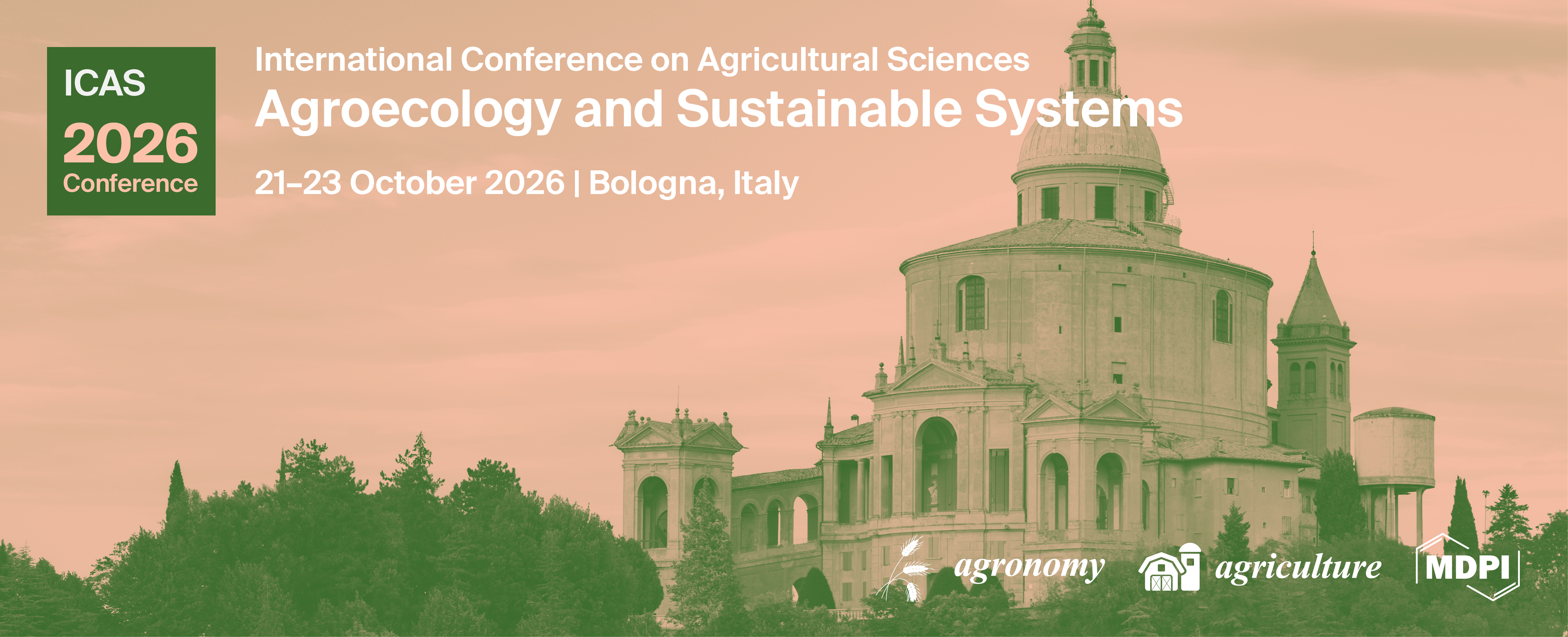
We are pleased to annouce that the upcoming 2026 International Conference on Agriculture Sciences would be held in Bologna, Italy from 21–23 October 2026.


Sponsors and Partners

For information regarding sponsorship and exhibition opportunities, please click here.

Organizers


Media Partners

Conference Secretariat

Ms. Patricia Croitor
Mr. Ionut Spatar
Mr. Russell Wang
Email: iecag2025@mdpi.com

For inquiries regarding submissions and sponsorship opportunities, please feel free to contact us.
Top