The 5th International Electronic Conference on Brain Sciences & 1st International Electronic Conference on Neurosciences
Part of the International Electronic Conference on Brain Sciences series
9–11 March 2026
19 December 2025
19 January 2026
3 March 2026
Neuroscience, Neurodegenerative diseases, Cognition, Neurorehabilitation, Neurotechnology, Neuroimaging
- Go to the Sessions
- Event Details
-
- Welcome from the Chair
- Program Overview
- IECBS-IECNS 2026 Program (DAY 1)
- IECBS-IECNS 2026 Program (DAY 2)
- IECBS-IECNS 2026 Program (DAY 3)
- Event Chairs
- Event Speakers
- Sessions
- Registration
- Instructions for Authors
- Publication Opportunities
- Event Awards
- Sponsors and Partners
- Conference Secretariat
- Events in series IECBS
Welcome from the Chair
Dear Colleagues,
It is our pleasure to invite you to attend the 5th International Electronic Conference on Brain Sciences & 1st International Electronic Conference on Neurosciences (IECBS-IECNS 2026) after the strong success of the previous annual online conference. IECBS-IECNS 2026 will be held online on 9–11 March 2026.
The field of neuroscience is one of the most important frontiers in biomedical studies, as many of the details that control brain function are still not well understood. This makes the study of the nervous system very exciting and fast-moving. This conference will address a variety of research topics that reflect some of the current areas of focus. The topics of the conference will be organized around the following sessions:
S1: Neurodegenerative Diseases;
S2: Cellular and Molecular Neuroscience;
S3: Behavioral Neuroscience;
S4: Cognitive Neuroscience;
S5: Neurorehabilitation;
S6: Neurotechnology and Neuroimaging;
S7: Systems Neuroscience.
The aim of this online conference is to bring together well-known worldwide experts who are currently working on brain sciences and to provide an online forum for presenting and discussing new results.
All accepted abstracts will be displayed on the conference website. Abstract submissions should be between 200 to 300 words in length. For detailed guidelines, please refer to the "Instructions for Authors".
We look forward to your contributions.
Sincerely,
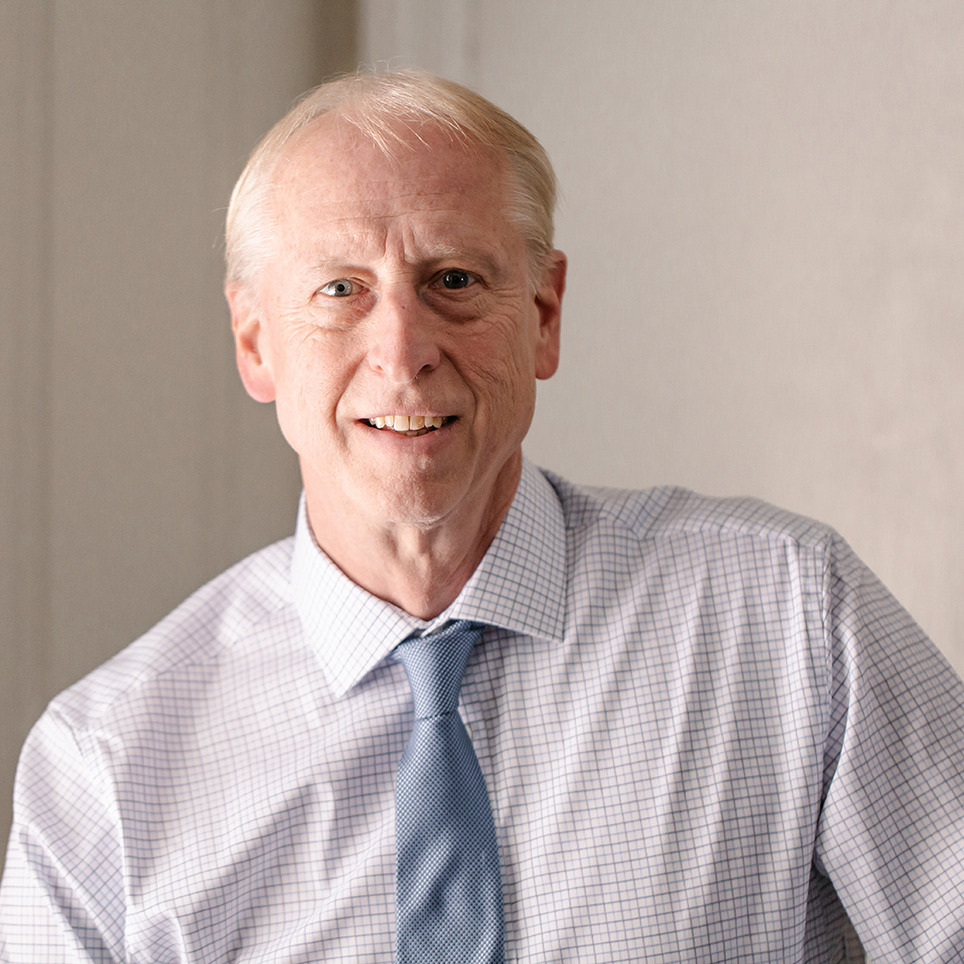
Prof. Dr. Stephen D. Meriney
Department of Neuroscience, University of Pittsburgh, PA, USA
Chair of the 5th International Electronic Conference on Brain Sciences & 1st International Electronic Conference on Neurosciences
More News about MDPI Conferences


![]()
Program Overview
| 9th Morning | 10th Morning | 11th Morning |
| Session 4. Cognitive Neuroscience Session 5. Neurorehabilitation |
Session 3. Behavioral Neuroscience | Flash Poster Sessions |
| 9th Afternoon | 10th Afternoon | 11th Afternoon |
| Session 1. Neurodegenerative Diseases | Session 6. Neurotechnology and Neuroimaging | Session 2. Cellular and Molecular Neuroscience Session 7. Systems Neuroscience |
IECBS-IECNS 2026 Program (DAY 1)
IECBS-IECNS 2026
Session 4. Cognitive Neuroscience
Session 5. Neurorehabilitation
Date: 9th March 2026 (Monday)
Time: 09:00 (CET, Basel) | 04:00 (EDT, New York) | 16:00 (CST Asia, Beijing)
| Time in CET | Speaker | Title |
| 9:00-9:10 | Assoc. Prof. Carla Masala Session Chair |
Welcome from the Session Chair |
| 9:10-9:30 | Assoc. Prof. Carla Masala Invited Speaker |
Correlations between olfactory, gustatory function, and cognitive abilities in different age ranges |
| 9:30-9:50 | Assoc. Prof. Paolo Solla Invited Speaker |
Strategic management of infusional therapies in Parkinson's disease: impact on motor and non-motor symptoms |
| 9:50-10:10 | Dr. Tommaso Ercoli Invited Speaker |
Neuropsychiatric Disorders in Patients Undergoing Advanced Therapies for Parkinson’s Disease Management |
| 10:10-10:25 | Nikol Petrović Selected Speaker |
EEG markers of cognitive load and mental fatigue in university students: a systematic review |
| 10:25-10:40 | Kathrin Mertel Selected Speaker |
Can Music Training Enhance/Affect Working Memory and Speech-in-Noise Perception in Cochlear Implant Users? A Randomized Controlled Study of EEG Measures of Improvement |
| 10:40-10:50 | Prof. Dr. Rocco Salvatore Calabrò Session Chair |
Welcome from the Session Chair |
| 10:50-11:10 | Prof. Dr. Alon Kalron Invited Speaker |
Advanced technologies to improve neurorehabilitation outcomes |
| 11:10-11:30 | Dr. Irene Giovanna Aprile Invited Speaker |
Upper limb rehabilitation: motor and cognitive outcomes |
| 11:30-11:45 | Paula da Cruz Peniche Selected Speaker |
Telehealth intervention involving the HEARTS Technical Package and the additional use of an activity monitor to increase physical activity level post-stroke: a feasibility randomized controlled trial |
IECBS-IECNS 2026
Session 1. Neurodegenerative Diseases
Date: 9th March 2026 (Monday)
Time: 14:00 (CET, Basel) | 09:00 (EDT, New York) | 21:00 (CST Asia, Beijing)
| Time in CET | Speaker | Title |
| 14:00-14:10 | Dr. Grażyna Lietzau Session Chair |
Welcome from the Session Chair |
| 14:10-14:30 | Professor Jarosław Sławek Invited Speaker |
Many faces of Parkinson's Disease with special focus on interplay between dementia and dysautonomia |
| 14:30-14:45 | Alan Michael Palmer Selected Speaker |
The Cerebrocortical Disconnection Hypothesis: Reframing Alzheimer's Treatment Strategy |
| 14:45-15:00 | Mayuri Nitin Bhosale Selected Speaker |
Bleomycin hydrolase deficiency and Homocysteine metabolism promote ER Stress, UPR dysregulation and apoptosis in the mouse neuroblastoma N2a-APPSwe cells |
| 15:00-15:15 | Łukasz Mencel Selected Speaker |
Dysregulation of amyloid-β precursor protein processing by treatment with Hcy, Hcy-thiolactone, N-Hcy-proteins and deficiency of bleomycin hydrolase in mouse neuroblastoma N2a-APPswe cells |
| 15:15-15:30 | Sonia Di Tella Selected Speaker |
Social Cognition impairments in Huntington’s Disease progression |
| 15:30-15:45 | Carlos Domínguez-Vargas Selected Speaker |
Impact of Genetic Modifiers on Clinical Severity and Neurodegeneration in Huntington Disease |
| 15:45-16:00 | Chiara Scopa Selected Speaker |
Neurodegeneration and Transposable Element–Driven Immune Responses in C9orf72-ALS/FTD |
IECBS-IECNS 2026 Program (DAY 2)
IECBS-IECNS 2026
Session 3. Behavioral Neuroscience
Date: 10th March 2026 (Tuesday)
Time: 08:00 (CET, Basel) | 03:00 (EDT, New York) | 15:00 (CST Asia, Beijing)
| Time in CET | Speaker | Title |
| 8:00-8:10 | Assoc. Prof. Woon-Man Kung Session Chair |
Welcome from the Session Chair |
| 8:10-8:30 | Dr. Nizhuan Wang Invited Speaker |
Single-Channel EEG-Based Brain-Computer Interfaces: Current Landscape and Future Directions |
| 8:30-8:45 | Paula Denisa Saragea Selected Speaker |
The Importance of Behavioral Phenotyping in Evaluating Multitarget Phytochemicals in the 5xFAD Model of Alzheimer’s Disease |
| 8:45-9:00 | ELEFTHERIA TAOUSANI Selected Speaker |
Neurobiology of early mother–infant bonding, the role of oxytocin and favorable midwifery practices |
| 9:00-9:15 | Abdelwahab Elshourbagy Selected Speaker |
Remote evaluation of stereotypy in hypokinetic catatonia with the Timed Stereotypies Rating Scale |
| 9:15-9:30 | Maryam Behjat Selected Speaker |
The role of Prostaglandin E2 in alcohol-related inflammation in Drosophila melanogaster |
| 9:30-9:45 | Amanda Gollo Bertollo Selected Speaker |
Intergenerational effects of childhood stress on depressive-like behaviors and function of glucocorticoids in the Nucleus Accumbens: therapeutic potential of Centella asiatica |
IECBS-IECNS 2026
Session 6. Neurotechnology and Neuroimaging
Date: 10th March 2026 (Tuesday)
Time: 14:00 (CET, Basel) | 09:00 (EDT, New York) | 21:00 (CST Asia, Beijing)
| Time in CET | Speaker | Title |
| 14:00-14:10 | Dr. James Robert Brasic Session Chair |
Welcome from the Session Chair |
| 14:10-14:25 | Xuanling Chen Selected Speaker |
Pulsed arterial spin labeling MRI insights: Sevoflurane's effects on moyamoya disease and cerebral ischemia |
| 14:25-14:40 | Daiki Matsuda Selected Speaker |
Learning-Dependent Modulation of Corticospinal Excitability During TMS-Based Neurofeedback |
| 14:40-14:55 | Jacob Yoojin Ok Selected Speaker |
Differentiation of subtypes of voluntary movements |
| 14:55-15:25 | Prof. Dr. Neera Ghaziuddin Keynote Speaker |
Electroconvulsive Therapy (ECT): a life-saving treatment |
| 15:25-15:40 | Ismat Almadani Selected Speaker |
Protocol for Thalamocortical Functional Connectivity and Loss of Consciousness Investigation in Children with Epilepsy Using Stereo-EEG Data |
IECBS-IECNS 2026 Program (DAY 3)
IECBS-IECNS 2026
Flash Poster Session
Date: 11th March 2026 (Wednesday)
Time: 09:00 (CET, Basel) | 04:00 (EDT, New York) | 16:00 (CST Asia, Beijing)
| Time in CET | Poster Presenter | Title |
| Session 1 | ||
| 9:00-9:05 | Maja Wojasiewicz | Homocysteine and homocysteine thiolactone contribute to Alzheimer's disease via TAU modifications in N2A-APPswe cells |
| 9:05-9:10 | Javiera Vicuña | Plants with antioxidant potential in the ancestral knowledge of the Mapuche people in Chile: natural alternatives for neurodegenerative diseases |
| 9:10-9:15 | Jose Joaquin Merino | Is there any relationship between mercury from dental amalgams and Alzheimer's disease?: Role of mercury and peripheral CCL2 chemokines as biomarker of disease progression |
| 9:15-9:20 | Loredana Maria Agavriloaei | Toward Reproducibility in Preclinical Alzheimer’s Research: The Case for Standardizing Aβ₁–₄₂-Induced Rodent Models |
| 9:20-9:25 | Ephraim Chidi Ezeigbo | Proteomic Profiling Reveals Systemic Effects of Peripheral mHtt Expression in Huntington’s Disease |
| 9:25-9:30 | P. Barciela | Targeting Neurotrophin Regulation by Polyphenols: Mechanistic Basis for Cognitive Resilience |
| 9:30-9:35 | Ansab Akhtar | IMPROVEMENT OF COGNITIVE FUNCTIONS BY INDIRUBIN-3′-OXIME THROUGH GSK-3β- AND CDK-MEDIATED TAU HYPERPHOSPHORYLATION INHIBITION IN A RAT MODEL OF ALZHEIMER’S DISEASE |
| Session 2 | ||
| 9:35-9:40 | Lucas Brandalise | Metal-dependent neural protection by HP-derived coordination compounds against mitochondrial dysfunction in glial cells |
| 9:40-9:45 | Carlos Domínguez-Vargas | Genome-Wide Variant Associations and Biological Pathways in Postherpetic Neuralgia |
| Session 3 | ||
| 9:45-9:50 | Abdelwahab Elshourbagy | Feasibility of identifying catatonia using the Bush-Francis Catatonia Rating Scale via remote motor assessments |
| Session 4 | ||
| 9:50-9:55 | Ilenia Pinna | Long COVID-19 effects on the olfactory, gustatory, and cognitive functions |
| 9:55-10:00 | Grigorii Vyacheslavovich Iskarevskii | The impact of age and sports experience on balance control: physiological and cognitive insights |
| 10:00-10:05 | Anna Mikhailovna Beknazarova | Acute physical exercise enhances semantic memory processing speed: evidence from a reaction-time lexical decision task |
| 10:05-10:10 | Elizaveta Kozhevnikova | Psychophysiological Correlates of Geometric Visual Illusions: A Comparative Study of the Ponzo and Müller-Lyer Effects. |
| 10:10-10:15 | Yingying Wang | Cognitive Neurological Mechanisms and Causal Analysis of Brain-to-Brain Synchronization Between Teachers and Students |
| 10:15-10:20 | Xinbi Zhang | Effects of Different Stress States on Athletes’ Cognitive Function and the Underlying Neural Mechanisms |
| 10:20-10:25 | Olena Gennadiivna Aliyeva |
CONCOMITANCE OF ENDOTHELIUM DISORDERS IN THE BRAIN AND HEART VESSELS IN ISCHEMIC HEART DISEASE |
| Session 5 | ||
| 10:25-10:30 | Victoria Kuvaeva | Assessment of knee muscle performance in para-athletes with unilateral transtibial amputation |
| Session 6 | ||
| 10:30-10:35 | Moses O. Sokunbi | Normative Convolutional Neural Network Modelling of Structural MRI for Personalised Neuroimaging |
| Session 7 | ||
| 10:35-10:40 | Margarita Nikulina | SENSORIMOTOR ADAPTATION IN VIRTUAL ENVIRONMENTS: THE CRITICAL ROLE OF INDIVIDUAL COGNITIVE STYLE |
IECBS-IECNS 2026
Session 2. Cellular and Molecular Neuroscience
Session 7. Systems Neuroscience
Date: 11th March 2026 (Wednesday)
Time: 14:00 (CET, Basel) | 09:00 (EDT, New York) | 21:00 (CST Asia, Beijing)
| Time in CET | Speaker | Title |
| 14:00-14:10 | Dr. Keehoon Lee Session Chair |
Welcome from the Session Chair |
| 14:10-14:40 | Prof. Dr. Matthew Huentelman Keynote Speaker |
MindCrowd and the Mobile Laboratory: scalable and inclusive approaches for the study of the aging brain |
| 14:40-14:55 | Ávila Guerrero Antonio Selected Speaker |
Quercetin suppresses mRNA Expression of Fto and the TNF-α/NF-κB/NLRP3 Inflammasome Pathway in Hypothalamus of Diet-Induced Obese Rats |
| 14:55-15:10 | Sheila Sousa Gomes Fortes Selected Speaker |
Modeling the blood–brain barrier under neuroinflammation using a BBB-on-a-Chip |
| 15:10-15:25 | Bikri Samir Selected Speaker |
A 100-Day Study of Biochemical, Behavioral, and Cognitive Changes Associated with Hippocampal and Prefrontal Cortex Alterations in Experimental Type 1 and Type 2 Diabetes |
| 15:25-15:40 | Mariia Zhukova Selected Speaker |
Response of microglia and neural cells in the ICR mouse brain to experimental reserpine therapy due to traumatic brain injury |
| 15:40-15:55 | Alexandra-Mara Cimpanu Selected Speaker |
Targeting Neuroinflammation in Alzheimer’s Disease with a Nicotinic Metabolite: Insights from the 5xFAD Mouse Model |
| 15:55-16:05 | Dr. Vasileios Papaliagkas Session Chair |
Welcome from the Session Chair |
| 16:05-16:20 | Mousa Javidialsaadi Selected Speaker |
Task-dependent modulation of aftereffects during visuomotor adaptation |
| 16:20-16:35 | Vsevolod Lyakhovetskii Selected Speaker |
WM/GM ratio of mammalian spinal cord: insights from African hedgehog (Atelerix albiventris) |
Event Chair
Department of Neuroscience, University of Pittsburgh, PA, USA
Stephen D. Meriney completed his PhD in Physiology/Neuroscience at the University of Connecticut with Dr. Guillermo Pilar in 1986, where he studied the parasympathetic control of intrinsic eye muscles. He then moved to the Jerry Lewis Neuromuscular Research Centre at the University of California, Los Angeles (UCLA) as a postdoctoral fellow, and then became an assistant research physiologist there, with Dr. Alan Grinnell, and studied voltage-gated calcium channels and synaptic mechanisms at the neuromuscular junction. He has been at the University of Pittsburgh since 1993, where he is currently a Professor, and Chair of the Department of Neuroscience, with a secondary appointment in the Department of Psychiatry at the University of Pittsburgh Medical Center. He is currently Editor-in-Chief of the journal Brain Sciences.
Session Chairs
Prof. Dr. Rocco Salvatore Calabrò
Neurology Unit, IRCCS Centro Neurolesi “Bonino-Pulejo”, Messina, Italy
neurorehabilitation; neurorobotics; well-being; disability; telemedicine
Prof. Rocco Salvatore Calabrò is a neurologist (MD, 2006), with a PhD in Psychiatric Science (2009) and a specialization in Bioethics and Sexology (2004). He transitioned into the field of neurological rehabilitation in 2008 as a Senior MD at the IRCCS Centro Neurolesi, focusing on the diagnosis (including neuro-sexological assessment) and treatment of patients suffering from spinal cord and brain injury, as well as neurodegenerative disorders. He is an Adjunct Professor of Social Psychology (2011–Present) and of Physical Medicine and Rehabilitation (2022), Medicine degree, at the University of Messina (Italy), and a Visiting Professor of Neurorehabilitation at Lunex University (2022–2025). In the last 10 years, as the Head of Innovation Technology in the neurorehab lab, he has shown growing interest in innovation technologies (such as robotic-assisted gait training, virtual reality, and telerehabilitation), rehabilitation-induced functional connectivity, and translational neurorehabilitation. He is the Academic Editor of several well-established journals, including Neurorehabilitation, Restorative Neurology and Neuroscience, Medicine, Brain Sciences (Section Editor of Neurorehabilitation) and Frontiers in Neurology. He has served as the editor for three books (Nova Publisher and Springer), a Guest Editor for eight Special Issues (Frontiers and MDPI), and authored about 600 papers published in indexed journals (H-index: 44). He was included among the top scientists by the Expert-scape Ranking in Neurorehabilitation and the World’s 2% Scientist of 2023 and 2024.
Dr. James Robert Brasic
NYU Grossman School of Medicine, New York, USA
biotechnology; computed tomography; engineering; high-resolution research tomography; magnetic resonance imaging, magnetic resonance spectroscopy; molecular imaging; neurology; neuromodulation; neuroscience; positron emission tomography; sensors; single-photon emission-computed tomography
James Robert Brasic is a clinical instructor in psychiatry at the NYU Grossman School of Medicine and an attending psychiatrist at NYCHHC/Bellevue. He conducts clinical translational investigations of neurodevelopmental and neurodegenerative disorders. He holds certification by the American Board of Psychiatry and Neurology, Inc., in neurology, psychiatry, and child and adolescent psychiatry. He is a Distinguished Fellow of the American Academy of Child and Adolescent Psychiatry, a Fellow of the American Academy of Neurology, and a Distinguished Toastmaster. He is a member of the International Association of Parkinsonism and Related Disorders, the International Parkinson and Movement Disorder Society, the International Society for Autism Research, the Society for Neuroscience, and the Society of Nuclear Medicine and Molecular Imaging. He received an Air Force Commendation Medal for his service as a major in the medical corps of the United States Air Force Reserve at the 88th Medical Group of Wright-Patterson Air Force Base, Ohio. He received a Faculty Recognition Award for superior performance in the teaching of psychiatry from the Department of Psychiatry of the Boonshoft School of Medicine of Wright State University, Dayton, Ohio. He is a professional speaker who presents to technical and general audiences around the world. He welcomes opportunities to collaborate with colleagues across the globe.
Dr. Cristian Randieri
Department of Theoretical and Applied Sciences DiSTA, Faculty of Engineering, eCampus University, Novedrate, Italy
systems neuroscience; computational neuroscience; mathematical modeling; neural networks; brain dynamics; machine learning; artificial intelligence; data-driven neuroscience; predictive models; neural computation; translational neuroscience
Prof. Cristian Randieri is a Professor at eCampus University with a strong interdisciplinary background in engineering, computer science, and neuroscience. His research focuses on the integration of artificial intelligence, mathematical modeling, and advanced computational methods to address complex challenges in neuroscience, industry, and society. Over the years, he has contributed to the development of intelligent systems and innovative technologies, bridging theoretical research with practical applications across diverse domains, including systems neuroscience, neuroengineering, and cognitive sciences. Prof. Randieri has authored numerous scientific publications and actively participates in international collaborations, aiming to foster the transfer of knowledge between academia and industry. His current work emphasizes the use of AI-driven models for understanding brain dynamics, neural computation, and translational applications in health and technology. With a passion for interdisciplinary dialogue, he is committed to advancing the role of computational approaches in neuroscience and beyond.
Dr. Keehoon Lee
TGen Integrated Microbiomics Center, Translational Genomics Research Institute (TGen), Flagstaff, AZ, USA
Brain-Gut Axis; microbiome; microbiology; genetics; immunology; cancers; neurological diseases
Keehoon Lee, PhD, is Research Assistant Professor and Co-Director of the TGen Integrated Microbiomics Center (TIMC) at the Translational Genomics Research Institute (TGen), part of City of Hope. His work bridges microbiome science and neurology, leading multi-omics studies that link nasal and gut microbial signatures to brain health, including projects on rare genetic epilepsies and on the gut microbiome as a biomarker for neurological disease. He contributes to clinical translation through collaborative trials and publications, including a Nature Medicine study of microbiome modulation and immunotherapy outcomes. His scholarship in the brain-microbiome field also includes editorial leadership for Brain Science special issues on brain-microbiome interactions and neurological disorders. Dr. Lee’s recent work spans rare neurological diseases and the gut-brain axis, with peer-reviewed outputs and invited talks advancing precision approaches at the microbiome-health interface.
Dr. Grażyna Lietzau
Division of Anatomy and Neurobiology, Faculty of Medicine, Medical University of Gdańsk, Gdańsk, Poland
neurodegenerative diseases; cognitive decline; olfactory memory; metabolic diseases; neuroglia; neurovascular-unit; stroke, neuroprotection; neuroplasticity
Grażyna Lietzau, PhD, DSc, is a researcher and academic teacher at the Medical University of Gdańsk, Poland. She serves as the head of the Molecular Biology Laboratory in the Division of Anatomy and Neurobiology and coordinates Research Team X, which focuses on the molecular and biochemical mechanisms underlying civilization diseases. Dr. Lietzau earned her PhD in Neurobiology from the Medical University of Gdańsk in 2013. Her doctoral thesis explored the NF-κB-mediated regulation of stroke-induced neuroprotective and neurodegenerative processes in the brain. She completed her postdoctoral training at the Department of Clinical Science and Education, Karolinska Institutet, Sweden. As a member of the NeuroCardioMetabol group, she investigated the impact of metabolic diseases such as obesity and type 2 diabetes (T2D) on neuroplasticity and neurogenesis during aging and effects of T2D on stroke recovery. Her research also examined the mechanisms of action and therapeutic potential of various anti-diabetic drugs, including GLP-1 receptor agonists and dipeptidyl peptidase-4 (DPP-4) inhibitors, in reversing T2D-induced functional and structural changes in the central nervous system. Currently, Dr. Lietzau’s research interests include investigating the processes underlying neurodegeneration in patients with metabolic diseases, such as hypercholesterolemia and T2D, as well as exploring the effects of lipid-lowering drugs on memory and cognition.
Assoc. Prof. Woon-Man Kung
Department of Surgery, Taipei Tzu Chi Hospital, Buddhist Tzu Chi Medical Foundation, New Taipei City, Taiwan; Department of Exercise and Health Promotion, College of Kinesiology and Health, Chinese Culture University, Taipei, Taiwan
neurobiology; neurophysiology; neuropharmacology; neuroimaging; cognitive neuroscience; behavioral neurology; neuroinformatics
Woon-Man Kung received his Doctor of Medicine (MD) degree from the School of Medicine, Taipei Medical University (TMU), Taipei, Taiwan in 1999, and has been an Attending Physician/Consultant and Board-Certified Neurosurgeon Specialist since 2006. In 2012, he received his Master of Science (MSc) degree in Biomedical Engineering from the College of Medicine and College of Engineering, National Taiwan University (NTU), Taipei, Taiwan. Dr. Kung currently serves as a Consultant Neurosurgeon in the Division of Neurosurgery, Department of Surgery, Taipei Tzu Chi Hospital (TCH), Buddhist Tzu Chi Medical Foundation, New Taipei City, Taiwan, as well as an Adjunct Associate Professor in the Department of Exercise and Health Promotion, College of Kinesiology and Health, Chinese Culture University (CCU), Taipei, Taiwan. He further participates as an International Member of the professional association at the Congress of Neurological Surgeons (CNS), United States. In recognition of his scholarly achievements and contributions, he has been nominated to join Sigma Xi, the world's largest interdisciplinary scientific research honor society, which includes more than 200 Nobel Laureates as full members. Dr. Kung is a highly qualified and enthusiastic senior scholar with Hirsch’s H-index of 21, as shown in Google Scholar. To date, his publications have received over 1,350 citations worldwide. He currently works on the Editorial/Advisory Board of several indexed journals and acts as an ad hoc reviewer for a number of prestigious scientific journals.
Dr. Vasileios Papaliagkas
Department of Biomedical Sciences, School of Health Sciences, International Hellenic University, Thessaloniki, Greece
Alzheimer's disease;Clinical Neurophysiology; Event related potentials
Vasileios Papaliagkas MD/ PhD, MSc is a Professor of Physiology at the Department of Biomedical Sciences of the International Hellenic University and the Director of the Neurophysiology-Cognitive Neuros. His research interests include the study of cognitive functions with neurophysiological markers in patients with neurodegenerative, demyelinating diseases and epilepsy, as well as the search for prognostic biomarkers of the transition of Mild Cognitive Impairment to Alzheimer's disease. He has authored 42 scientific papers (470 h-index 12) and gave more than 90 presentations in international and national conferences. He is a member of the Scientific Panels of 1) Clinical Neurophysiology and 2)Dementia and Cognitive Disorders of the European Academy of Neurology
Assoc. Prof. Carla Masala
Department of Biomedical Sciences, Section of Physiology, University of Cagliari, Cagliari, Italy
olfactory function, chemosensory dysfunction, aging, neurodegenerative diseases
Prof. Carla Masala is an associate professor at the University of Cagliari, Department of Biomedical Sciences, Italy. Her research focuses on olfactory and gustatory chemosensory physiology in humans and its role in human health, integrating methods of psychophysics and neurobiology. In particular, her studies aim to identify the physiological bases of individual olfactory and gustatory variability in relation to sex, weight, age, cognitive abilities, depression, nutritional status, and human health. Her research is currently focused on the role of olfactory dysfunction as a potential early biomarker in neurodegenerative diseases, autoimmune diseases, and Long COVID syndrome. Previously, Prof. Masala has also been concerned with researching the physiology of the chemosensory system in experimental models with evolutionarily conserved functional mechanisms, such as insects, to analyse the processes of sensory transduction and coding.
Assoc. Prof. Paolo Solla
Clinical Neurological Unit, University of Sassari, Sassari, Italy
Parkinson’s disease; non-motor symptoms; advanced therapy
Prof. Paolo Solla is a senior neurologist with expertise in the diagnosis and treatment of Parkinson's disease and other movement disorders. With extensive experience in both clinical and research settings, he is committed to providing comprehensive care for patients with these complex neurological conditions. His approach focuses on a holistic evaluation, addressing not only the primary motor symptoms— such as tremor, rigidity, and bradykinesia—but also giving careful consideration to the non-motor symptoms (including sleep disturbances, mood disorders, and cognitive changes) that significantly impact a patient's quality of life. Prof. Paolo Solla has authored scientific publications and is involved in professional neurological societies. His clinical practice includes the management of advanced pharmacological therapies
Event Committee
Rush Alzheimer's Disease Center, Rush University Medical Center, Chicago, Illinois, USA
Neuropathology; TDP-43, cerebrovascular pathology; inflammation; Alzheimer's Dementia; community-based cohort
Multiple Sclerosis Center, Wayne State University School of Medicine, Detroit, MI, USA
multiple sclerosis; neuroimmunology; cerebrospinal fluid; demyelinating diseases; CNS demyelinating autoimmune disease; neurodegenerative disease; neuroprotection; neuroimaging; neuroimmunomodulation
Departments of Neurology & Pediatrics, Albert Einstein College of Medicine, New York, USA
EEG, cognition, moblity decline
Neurodegeneration; Alzheimer’s Disease; Parkinson’s Disease; Amyloid proteins aggregation; Prion protein aggregation; Neurodegenerative disease biomarkers development; Plasma and CSF biomarkers development
Department of Neurology, Minkodo Minohara Hospital,Fukuoka, Japan
https://researchmap.jp/Takao_Yamasaki?lang=en https://www.researchgate.net/profile/Takao-Yamasaki
Dementia, early diagnosis, neuroimaging, neurophysiology, non-pharmacological interventions
École Polytechnique de Bruxelles, Université Libre de Bruxelles, Brussels, Belgium
Implanted devices, Neuromodulation, Biomedical signal monitoring, Biomedical signal processing
Chair of Greek Federation of Alzheimer's Disease, Thessaloniki, Greece;
1st Department of Neurology, Aristotle University of Thessaloniki, Thessaloniki, Greece
dementia; Alzheimer's disease; neuropsychology; biological markers; non-pharmacological interventions; new technologies for patients and caregivers; post-COVID-19 neurological complications
Department of Psychology, Università Cattolica del Sacro Cuore, Milan, Italy
learning; creativity; decision making ; neureducation; cognition
Center for Advanced Studies in Human and Health Sciences, Inter-American Open University, National Council for Scientific and Technical Research, CAECIHS, UAICONICET, Buenos Aires, Argentina
neuropsychiatry; neurodegeneration; movement disorders; aging; neuromuscular dysfunction
cognitive rehabilitation; virtual riality; non-invasive brain stimulation; stroke rehabilitation; cognitive decline; mild cognitive impairment
University Hospital "G. Martino", Messina, Italy
neurorehabilitation; robotic rehabilitation; nursing management; healthcare resources; sexual health
Department of Veterinary Medicine, School of Veterinary Medicine, Neurobiology and Cognitive Science Center, National Taiwan University, Taipei, Taiwan
sleep; neurodegenerative disorders; Alzheimer's disease; epilepsy; Parkinson's disease; stress-related disorders
Monash Neuromodulation Research Unit (MNRU), Department of Physiotherapy, Monash University, Melbourne, Australia
non-invasive brain stimulation (NIBS); cognition; balance; movement control; pain; transcranial magnetic stimulation (TMS); transcranial direct current stimulation (tDCS); neuroplasticity; corticospinal excitability; electromyography (EMG)
International Research Center for Cognitive Applied Neuroscience (IrcCAN), Faculty of Psychology, Università Cattolica del Sacro Cuore, Milan, Italy;
Research Unit in Affective and Social Neuroscience, Department of Psychology, Università Cattolica del Sacro Cuore, Milan, Italy
psychophysiology; agency and intentionality; neurocognitive empowerment; wearables; embodied awareness practices
Optical imaging, Cerebral blood flow, Noninvasive monitoring, Diffuse correlation spectroscopy, Stroke and hemorrhage detection
Department of Neuroscience and Regenerative Medicine, Medical College of Georgia at Augusta University, Augusta, GA, USA
Parkinson’s disease, alpha-synuclein, aging, C. elegans
Postdoc fellow, Neuroscience Center, School of Medicine, LSU Health, New Orleans, USA
Cellular Neuroscience, Molecular Neurobiology, Neuroinflammation, Biomarkers, Neurodegeneration
Diabetes Research Institute, University of Miami Miller School of Medicine, Miami, FL, USA;
Division of Endocrinology, Diabetes, and Metabolism, Department of Medicine, University of Miami Miller School of Medicine, Miami, FL, USA
immunology; immune dysregulation; inflammation; autoimmune disorders; type 1 diabetes; dysglycemia; Proteomics (iTRAQ); cochlear injury; auditory research; hearing research
Experimental and Applied Psychology Laboratory, Department of Health and Life Sciences, Università Europea di Roma, Rome, Italy
neurodegeneration; Alzheimer’s disease; Parkinson's disease; neuropsychology
Kinesiology Programs, Zilber College of Public Health, University of Wisconsin-Milwaukee, Milwaukee, WI, USA
systems neuroscience; motor control; motor learning; psychophysics; neurorehabilitation; aging
Medical physics department, Bambino Gesù children's hospital Rome, Italy
imaging, deep learning, MRI, brain connectivity,brain metabolism
Laboratory of Neurophysiology and Plasticity, IRCCS Fondazione Santa Lucia, Rome, Italy;
Department of Psychology and Health Sciences, Faculty of Humanities Educations and Sports, Pegaso University, Naples, Italy
pathophysiology; movement disorders; motor memory; motor dysfunction; synaptic plasticity; brain circuitry; basal ganglia; striatum (putamen); medium spiny neurons; mitochondria; neurologic and phychiatric disorders; protein synthesis
EuroMov Digital Health in Motion, University of Montpellier, Montpellier, France
brain–motor relationships; exercise; fatigue; neuromodulation; near infra-red spectroscopy; oxygenation
Department of Rehabilitation Medicine, Huashan Hospital, Fudan University, Shanghai, China
rehabilitation; stroke; traumatic brain injury; peripheral nerve injury
Keynote Speakers
Early Detection and Prevention Division, Translational Genomics Research Institute (TGen), Phoenix, AZ, USA
MindCrowd and the Mobile Laboratory: scalable and inclusive approaches for the study of the aging brain
Dr. Matt Huentelman (pronounced HUN-till-man) is Professor and Division Director of Early Detection and Prevention at the Translational Genomics Research Institute (TGen) in Phoenix, Arizona. He studies molecular mechanisms of the nervous system to personalize approaches to aging, preserve brain health, and prevent Alzheimer’s disease through “Precision Aging,” aligning cognitive healthspan with lifespan. He joined TGen in 2004 after a PhD in Physiology and Functional Genomics at the University of Florida, following chemistry and biochemistry training at Ohio University, plus fellowships in Moscow and Bristol. His work includes 300+ papers cited over 40,000 times.
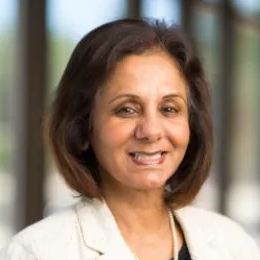
Department of Psychiatry, University of Michigan, Ann Arbor, MI, USA
Electroconvulsive Therapy (ECT): a life-saving treatment
Neera Ghaziuddin, M.D., MRCPsych (UK), is a Professor and a Child and Adolescent Psychiatrist in the University of Michigan Department of Psychiatry. Her research and clinical interests include treatment-resistant depression in adolescents, early-onset bipolar disorder, catatonia, and the use of electroconvulsive therapy (ECT) in youth with severe psychiatric illness. Dr. Ghaziuddin completed her medical training in New Delhi, India, her adult psychiatric training in London, England, and trained as a child and adolescent psychiatrist at the University of Michigan. She has published extensively on these topics. In 2013, she published the first book that exclusively focuses on the use of ECT in youth, titled "Electroconvulsive Therapy in Children and Adolescents" (Ed: Ghaziuddin and Walters; Oxford University Press). In the Department of Psychiatry, she is the director of the Treatment Resistant Disorder (TRD) clinic in the section of Child and Adolescent Psychiatry. The TRD clinic trains a future generation of psychiatrists in the management of youth who are unresponsive to standard pharmacotherapy.

mood disorders; catatonia; ECT; adolescent
Invited Speakers
Department of Physical Therapy, Sackler Faculty of Medicine, School of Health Professions, Tel-Aviv University, Tel-Aviv, Israel
Advanced technologies to improve neurorehabilitation outcomes
Prof. Alon Kalron is an Associate Professor and Chair of the Department of Physical Therapy at the School of Health Professions, Gray Faculty of Medical and Health Sciences, Tel Aviv University. His research focuses on mobility impairments, fear of falling, gait and balance rehabilitation, and the use of technology in assessing and treating people with multiple sclerosis (pwMS). With over 130 peer-reviewed publications, Prof. Kalron has contributed substantially to the understanding of motor and cognitive impairments in neurological populations. He has served as Principal Investigator or Co-Principal Investigator on numerous national and international funded projects, including research on telerehabilitation, dual-task assessment, virtual reality interventions, and physical activity behavior during pandemics. He also mentors PhD, MSc, and MD students and serves on the editorial boards of several peer-reviewed journals. His current research explores multifactorial models of falls, fear of falling, and avoidance behavior in pwMS.
orthopedic; neurological rehabilitation; multiple sclerosis; neuroimaging; biological markers
École Polytechnique de Bruxelles, Université Libre de Bruxelles, Brussels, Belgium
Vagus Nerve Activity as a Biomarker for Seizures: Insights from 3D Modelling
Antoine Nonclercq is a Full Professor of Biomedical Engineering and Vice-Dean for Education at the Brussels School of Engineering (Université Libre de Bruxelles). He leads a multidisciplinary research program in neuromodulation, neural signal processing, and active implantable medical devices, spanning modelling, prototyping, and in vivo validation. He holds dual Master’s degrees in Electrical Engineering and a PhD in Applied Sciences, and previously worked at University College London and in the MedTech industry. He has authored over 75 scientific publications and is actively involved in international collaborations, technology transfer, and biomedical engineering education.
Department of Biomedical Sciences, Section of Physiology, University of Cagliari, Cagliari, Italy
Correlations between olfactory, gustatory function, and cognitive abilities in different age ranges
Prof. Carla Masala is an associate professor at the University of Cagliari, Department of Biomedical Sciences, Italy. Her research focuses on olfactory and gustatory chemosensory physiology in humans and its role in human health, integrating methods of psychophysics and neurobiology. In particular, her studies aim to identify the physiological bases of individual olfactory and gustatory variability in relation to sex, weight, age, cognitive abilities, depression, nutritional status, and human health. Her research is currently focused on the role of olfactory dysfunction as a potential early biomarker in neurodegenerative diseases, autoimmune diseases, and Long COVID syndrome. Previously, Prof. Masala has also been concerned with researching the physiology of the chemosensory system in experimental models with evolutionarily conserved functional mechanisms, such as insects, to analyse the processes of sensory transduction and coding.
Upper limb rehabilitation: motor and cognitive outcomes
Dr. Irene Giovanna Aprile is a neurologist and currently serves as Director of the Department of Neuromotor Rehabilitation at Fondazione Don Carlo Gnocchi ONLUS. She is also Clinical Director and Head of the Rehabilitation Laboratory at the Foundation’s Rome center. Since 2001, Dr. Aprile has been engaged in scientific research at Fondazione Don Carlo Gnocchi, focusing on neurorehabilitation. Over the past seven years, her work has increasingly centered on robotic and technology-assisted rehabilitation. She coordinated a large multicenter randomized controlled trial comparing robotic and conventional upper limb rehabilitation in a cohort of 224 stroke patients. Since December 2022, she has been one of the mission leaders of the national PNRR project “Fit for Medical Robotics (FIT4MedRob),” aimed at translating robotic rehabilitation into routine healthcare practice. She has authored 205 publications (Scopus), holds an H-index of 40 (Scopus), and her work has been cited more than 5,000 times (Scopus).
rehabilitation; robotics; cognitive; technology
Department of Neurology, Neurodegenerative Disorders and Neuroimmunology, Medical University of Gdansk, Gdańsk, Poland
Many faces of Parkinson's Disease with special focus on interplay between dementia and dysautonomia
Professor of Neurology at Medical University of Gdansk, Head of Dpt. of Neurology, Neurodegenerative Disorders and Neuroimmunology, Medical University of Gdańsk, Poland, and Neurology&Stroke Dpt. at St. Adalbert Hospital, Gdansk, Poland. Main scientific interests include movement disorders, especially Parkinson's Disease and cognitive decline, dystonia and spasticity and Botulinum toxin therapies and rare diseases. He is an author and co-author of more than 260 scientific papers in peer-reviewed medical journals and chapters in internationally recognized books. Prof. Slawek is a member of Editorial Board of Parkinsonism and Related Disorders and co-editor -in chief of Polish Journal of Neurology and Neurosurgeryl and Editor of the educational website of Polish Neurological Society. He is a Vice-President of Polish Neurological Society and an officer (secretary) of International Association of Parkinsonism & Related Disorders (IAPRD) Board, member of MDS and Past-President of Polish Neurological Society. Since 2022 he is also a member of National Neurological Board at Ministry of Health in Poland.
Parkinson's disease; dementia; dysautonomia; therapy; neurodegenerative disorders
Department of Language Science and Technology, The Hong Kong Polytechnic University, Hong Kong SAR, China
Single-Channel EEG-Based Brain-Computer Interfaces: Current Landscape and Future Directions
Dr. Nizhuan Wang is currently serving as a Research Assistant Professor in the Department of Language Science and Technology at The Hong Kong Polytechnic University, Hong Kong. Before this role, he held positions at Shenzhen University as an Assistant Professor, Jiangsu Ocean University as a full Professor, and ShanghaiTech University as an Associate Researcher from 2016 to 2024. He is a senior member of Chinese Biomedical Engineering Society, a member of Chinese Artificial Intelligence Society, a member of Chinese Neuroscience Society, a member of the board of the Shanghai Association for Noetic Science, a member of OHBM and IEEE, the Program Committee member of 2018 IEEE International Conference on Information and Automation (ICIA), 2022 Chinese Conference on Biometric Recognition (CCBR), 2025 Pacific Asia Conference on Language, Information and Computation (PACLIC), and 2026 AAAI Conference on Artificial Intelligence (AAAI 2026), the Session Chairs of 2017 IEEE ICIA and 2018 ICIS, the Keynote Speaker of 2020 ICMLCA, the Program Committee Chair and Keynote Speaker of 2021 ICBIC, Keynote Speaker of 2022 ICBIC, Expert Speaker of 2025 Brain Science Theory Seminar Meeting, Speaker of 2025 The 4th Smart Healthcare and Rehabilitation Conference and the 7th Brain-Computer Interface Forum, Plenary Speaker of 2025 International Neural Regeneration Symposium (INRS2025), Senior Associate Editor of Cognitive Neurodynamics (CODY) (Springer-Nature Press, JCR Q2, SCIE, IF2024: 3.9, 2025 - present), and Associate Editor of Advanced Technology in Neuroscience (ATN) (Wolters Kluwer Health Press, 2025 - present). He has published over 90 scientific papers in many journals and conferences, i.e., IEEE TMI, IEEE TIM, IEEE TBME, IEEE JBHI, IEEE TNSRE, J Med Internet Res, Neural Netw, Hum Brain Mapp, Magn Reson Imaging, Brain Lang, J Neurolinguistics, AAAI, MICCAI, IEEE ICME, IEEE BIBM, etc. He serves as the reviewer of many top journals such as Nat Comput Sci, Neuroimage, Hum Brain Mapp, IEEE Transactions, MED IMAGE ANAL, etc.
AI; brain–computer interface; brain disorders; computational linguistics; neuroimaging; neurolinguistics
Clinical Neurological Unit, University of Sassari, Sassari, Italy
Non-motor symptoms in Parkinson’s disease
Prof. Paolo Solla is a senior neurologist with expertise in the diagnosis and treatment of Parkinson's disease and other movement disorders. With extensive experience in both clinical and research settings, he is committed to providing comprehensive care for patients with these complex neurological conditions. His approach focuses on a holistic evaluation, addressing not only the primary motor symptoms— such as tremor, rigidity, and bradykinesia—but also giving careful consideration to the non-motor symptoms (including sleep disturbances, mood disorders, and cognitive changes) that significantly impact a patient's quality of life. Prof. Paolo Solla has authored scientific publications and is involved in professional neurological societies. His clinical practice includes the management of advanced pharmacological therapies
Parkinson’s disease; non-motor symptoms; advanced therapy
Neuropsychiatric Disorders in Patients Undergoing Advanced Therapies for Parkinson’s Disease Management
Tommaso Ercoli is a consultant neurologist at the University Hospital of Sassari, Italy. His clinical and research activity focuses on Parkinson’s disease, with particular interest in advanced therapies and non-motor symptoms. He is also involved in the study and clinical management of patients with functional neurological disorders.
movement disorders; neurology; Parkinsonism and related disorders
Registration
The registration for IECBS-IECNS 2026 will be free of charge! The registration includes attendance to all conference sessions.
If you are registering several people under the same registration, please do not use the same email address for each person, but their individual university email addresses. Thank you for your understanding.
Please note that the submission and registration are two separate parts. Only scholars who registered can receive a link to access the conference live streaming. The deadline for registration is 3 March 2026.
Instructions for Authors
Important Deadline
1. Deadline for abstract submission: 19 December 2025
2. Deadline for abstract acceptance notification: 19 January 2026
Please note:
An abstract acceptance email only confirms that your abstract has been accepted. Oral or poster presentation invitations are determined separately by the conference chairs, and you will receive an additional email with the presentation result.
Abstract Requirements
1. Types of Submissions
- Accepted: Original research abstracts; systematic reviews or meta-analyses abstracts (must comply with PRISMA 2020).
- Not accepted: Narrative, scoping, comparative, perspective, opinion, or essay-style reviews
2. Content Requirements
- Length: 200–300 words
- Structure: Introduction, Methods, Results, Conclusions
- Language: Clear, publication-ready English
- Originality: Must be original and unpublished; previously published abstracts will not be considered
3. Authorship
- The submitting author must ensure all co-authors approve the content.
- Authors may submit multiple abstracts, but only one abstract per author may be selected for an oral presentation.
1. Each abstract must designate one presenter. To change the presenter, please contact us after you receive the oral/poster presentation invitation.
2. Only live presentations are accepted.
3. Presenters who do not attend the live session will not be eligible for awards or presentation certificates.
The slot for the oral presentation is 15 mins. We advise that your presentation lasts for a maximum of 12 mins, leaving at least 3 mins for the Q&A session.
Authors are encouraged to prepare a presentation in PowerPoint or similar software, to be displayed online along with the abstract. Slides, if available, will be displayed directly on the website using the proprietary slide viewer at Sciforum.net. Slides can be prepared in exactly the same way as for any traditional conference where research results are presented. Slides should be converted to PDF format prior to submission so that they can be converted for online display.
- Size in pixel: 1080 width x 1536 height–portrait orientation.
- Size in cm: 38,1 width x 54,2 height–portrait orientation.
- Font size: ≥16.
- Examples of successful submissions can be viewed here at the following links: (1), (2), (3).
- You can use our free template to create your poster.
It is the author's responsibility to identify and declare any personal circumstances or interests that may be perceived as inappropriately influencing the representation or interpretation of clinical research. If there is no conflict, please state "The authors declare no conflicts of interest." This should be conveyed in a separate "Conflict of Interest" statement preceding the "Acknowledgments" and "References" sections at the end of the manuscript. Any financial support for the study must be fully disclosed in the "Acknowledgments" section.
MDPI, the publisher of the Sciforum.net platform, is an open access publisher. We believe authors should retain the copyright to their scholarly works. Hence, by submitting an abstract to this conference, you retain the copyright to the work, but you grant MDPI the non-exclusive right to publish this abstract online on the Sciforum.net platform. This means you can easily submit your full paper (with the abstract) to any scientific journal at a later stage and transfer the copyright to its publisher if required.
Publication Opportunities

2. Proceeding Paper Publication
All accepted abstracts will be published in the conference report of the 5th International Electronic Conference on Brain Sciences & 1st International Electronic Conference on Neurosciences (IECBS-IECNS 2026) on the Medical Sciences Forum Journal (ISSN: 2673-9992) after quality check. If you wish to publish an extended proceeding paper (4-8 pages), please submit it to the same journal after the conference.
Authors are asked to disclose that it is a proceeding paper of the IECBS-IECNS 2026 conference paper in their cover letter. Carefully read the rules outlined in the 'Instructions for Authors' on the journal’s website and ensure that your submission adheres to these guidelines.
Manuscripts for the proceedings issue must be formatted as follows:
Title;
Full author names;
Affiliations (including full postal address) and authors' e-mail addresses;
Abstract;
Keywords;
Introduction;
Methods;
Results and Discussion;
Conclusions;
Acknowledgements;
References.
Proceeding Template
Event Awards

To acknowledge the support of the conference's esteemed authors and recognize their outstanding scientific accomplishments, we are pleased to announce that the conference will provide 6 awards including Best Oral Presentation Award and Best Poster Award.
The Awards
Number of Awards Available: 6
The Best Oral Presentation Award is given to the paper judged to make the most significant oral contribution to the conference.
The Best Poster Award is given to the submission judged to make the most significant and interesting poster for the conference.
There will be 6 winners selected for this award. The winner will receive a certificate and 200 CHF each.
Sponsors and Partners
For information regarding sponsorship and exhibition opportunities, please click here.
Organizers
Co-organizers
Media Partners
Conference Secretariat
Ms. Ann Li
Ms. Sylvie Shan
Email: iecbs-iecns@mdpi.com
For inquiries regarding submissions and sponsorship opportunities, please feel free to contact us.
S1. Neurodegenerative Diseases
This session, linked to the Neurodegenerative Diseases section in Brain Sciences, seeks impactful contributions that explore the underlying mechanisms of disease, the discovery of biomarkers, and the development of preventive and therapeutic strategies for conditions such as Alzheimer’s disease, Parkinson’s disease, Huntington’s disease, amyotrophic lateral sclerosis, and other chronic neurodegenerative disorders. We invite abstracts ranging from studies on molecular and cellular pathways to clinical investigations and translational approaches. Submissions that emphasize interdisciplinary perspectives or propose innovative clinical interventions are particularly welcome. The aim of this session is to foster dialogue among basic researchers, clinicians, and technology developers in order to accelerate progress in understanding and treating neurodegenerative diseases.
Session Chair
Dr. Grażyna Lietzau, Division of Anatomy and Neurobiology, Faculty of Medicine, Medical University of Gdańsk, Dębinki 1, 80-211 Gdańsk, Poland
Show all accepted abstracts (27) Hide accepted abstracts (27)
List of Accepted Abstracts (27) Toggle list
S2. Cellular and Molecular Neuroscience
Session Chair
Dr. Keehoon Lee, Translational Genomics Research Institute (TGen), Arizona, USA
Show all accepted abstracts (15) Hide accepted abstracts (15)
List of Accepted Abstracts (15) Toggle list
S3. Behavioral Neuroscience
Keywords: neurobiology; neurophysiology; neuropharmacology; neuroimaging; cognitive neuroscience; behavioral neurology; neuroinformatics
Session Chair
Assoc. Prof. Woon-Man Kung, Department of Surgery, Taipei Tzu Chi Hospital, Buddhist Tzu Chi Medical Foundation, New Taipei City 23412, Taiwan;, Department of Exercise and Health Promotion, College of Kinesiology and Health, Chinese Culture University, Taipei 11114, Taiwan
Show all accepted abstracts (17) Hide accepted abstracts (17)
List of Accepted Abstracts (17) Toggle list
S4. Cognitive Neuroscience
Session Chairs
Assoc. Prof. Carla Masala, Department of Biomedical Sciences, S.p. 8 Cittadella Universitaria, 09042 Monserrato (CA). Italy
Assoc. Prof. Paolo Solla, Clinical Neurological Unit, University of Sassari, Italy
Show all accepted abstracts (19) Hide accepted abstracts (19)
List of Accepted Abstracts (19) Toggle list
S5. Neurorehabilitation
neurorehabilitation; brain injury; motor recovery; cognitive rehabilitation; neuroplasticity; virtual reality; brain stimulation; neurotechnologies; functional outcomes; translational research; rehabilitation innovation
Session Chair
Prof. Dr. Rocco Salvatore Calabrò, IRCCS Centro Neurolesi “Bonino-Pulejo”
Show all accepted abstracts (9) Hide accepted abstracts (9)
List of Accepted Abstracts (9) Toggle list
S6. Neurotechnology and Neuroimaging
biotechnology; computed tomography; engineering; high-resolution research tomography; magnetic resonance imaging, magnetic resonance spectroscopy; molecular imaging; neurology; neuromodulation; neuroscience; positron emission tomography; sensors; single-photon emission-computed tomography
Session Chair
Dr. James Robert Brasic, NYU Grossman School of Medicine
Show all accepted abstracts (6) Hide accepted abstracts (6)
List of Accepted Abstracts (6) Toggle list
S7. Systems Neuroscience
This session emphasizes the role of mathematical modeling, computational frameworks, and artificial intelligence in advancing our understanding of brain function. We invite contributions that integrate experimental and theoretical approaches to uncover the principles governing neural circuits, large-scale brain networks, and their dynamics. Special focus will be given to models that link neural activity with cognition and behavior, data-driven methods for analyzing high-dimensional neural recordings, and AI-based tools for simulation, prediction, and discovery. Submissions highlighting translational applications of computational neuroscience and interdisciplinary approaches at the interface of mathematics, computer science, and neuroscience are particularly welcome.
Session Chairs
Prof. Dr. Cristian Randieri, eCampus University, Novedrate, Italy
Dr. Vasileios Papaliagkas, Department of Biomedical Sciences, International Hellenic University, Greece
Show all accepted abstracts (7) Hide accepted abstracts (7)
List of Accepted Abstracts (7) Toggle list